1.The Nature of the Glass Bead Game
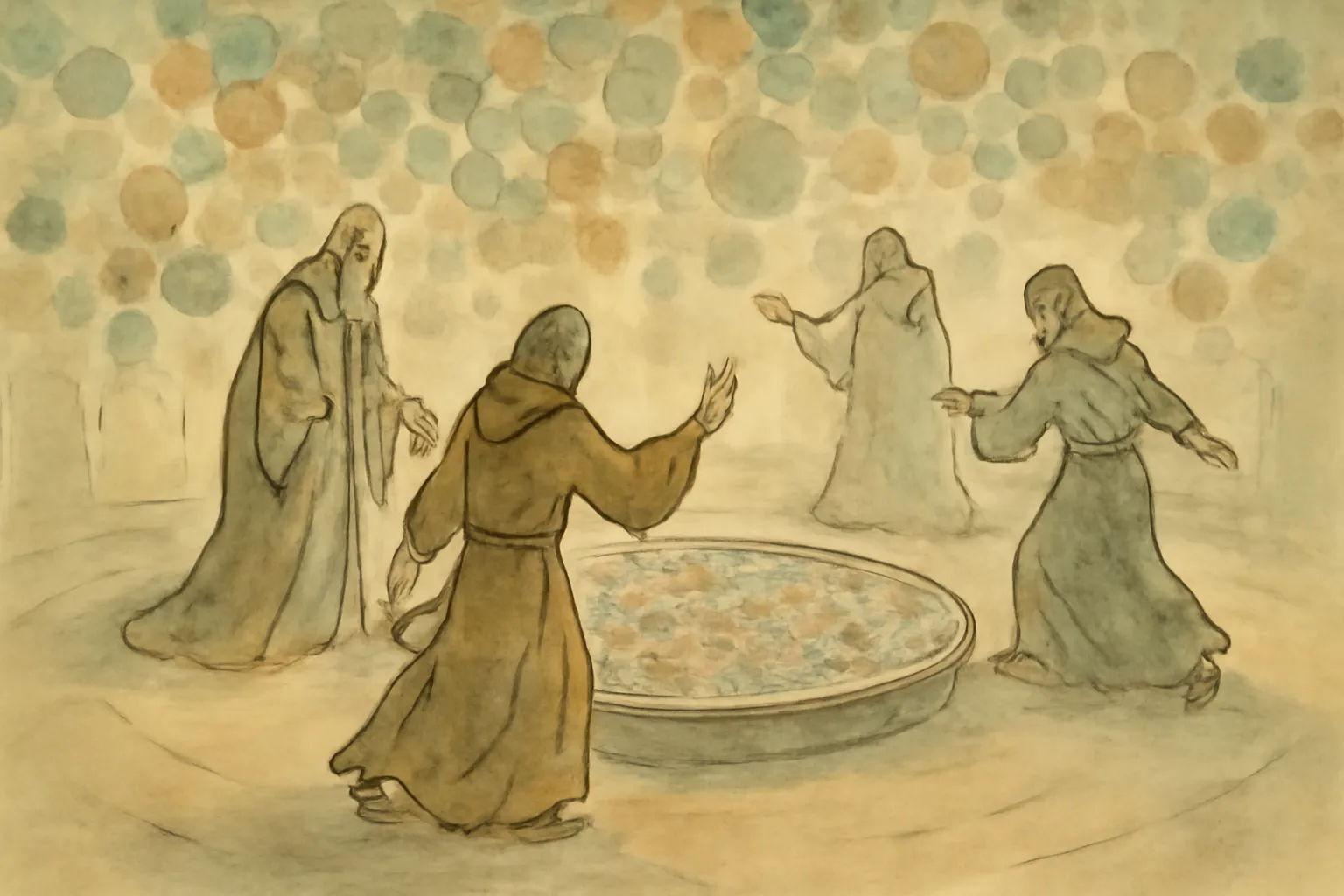
At the heart of the novel is the mysterious Glass Bead Game, a synthesis of all human knowledge—music, mathematics, philosophy—played by intellectual elites in the utopian province of Castalia. The Game represents the highest form of intellectual achievement, but also raises questions about abstraction, detachment, and the ultimate purpose of knowledge. Hesse uses the Game as both a literal and symbolic device to explore the limits and possibilities of human understanding.
2.Intellectualism vs. Life’s Realities
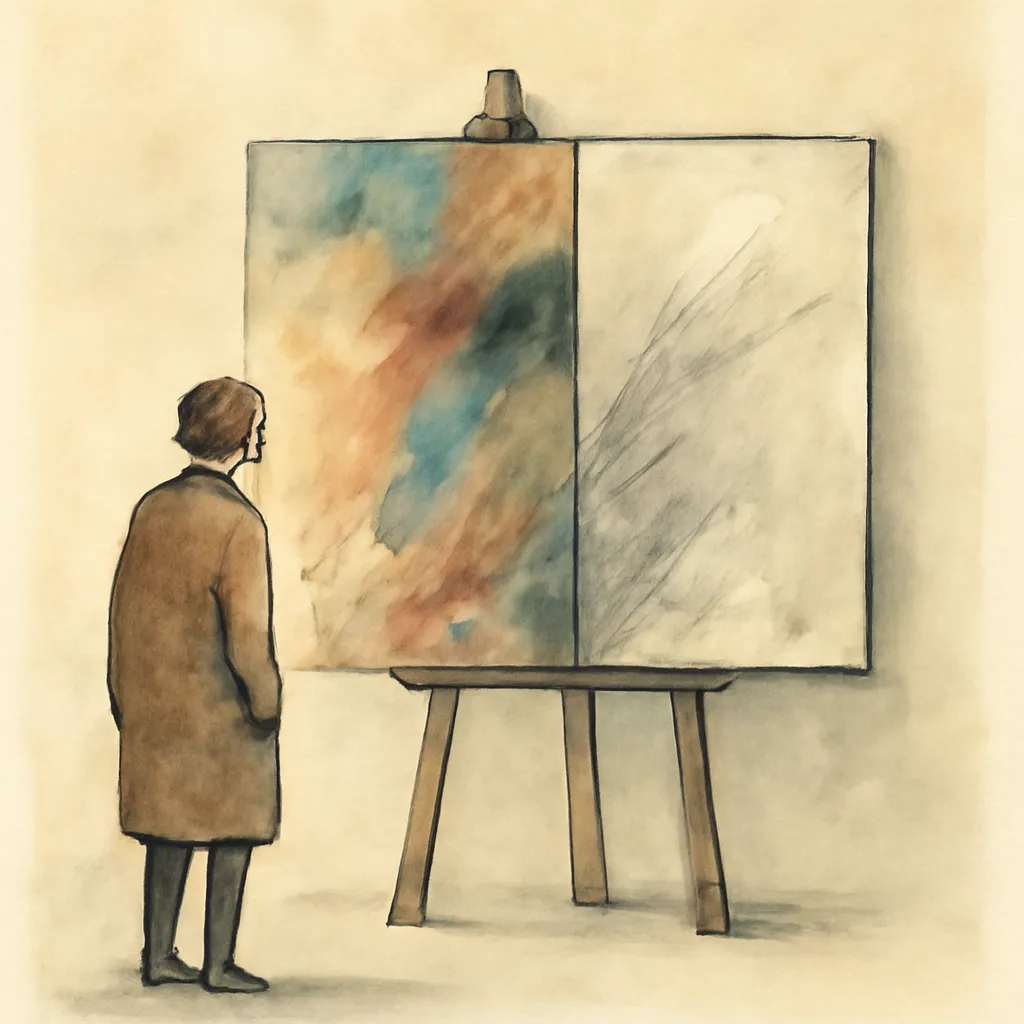
Through the life of protagonist Josef Knecht, the novel explores the tension between a life devoted to pure thought and the messy, vital realities of the world outside. Castalia’s cloistered scholars are insulated from politics, emotion, and suffering, prompting Knecht—and the reader—to ask whether true wisdom requires engagement with life, not just contemplation.
3.The Search for Meaning
The Glass Bead Game is ultimately a spiritual quest. Knecht’s journey is one of self-discovery, as he questions the value of tradition, the purpose of learning, and the meaning of existence. The novel suggests that meaning is not found in intellectual mastery alone, but in humility, service, and authentic connection to others.
4.Tradition, Authority, and Individuality
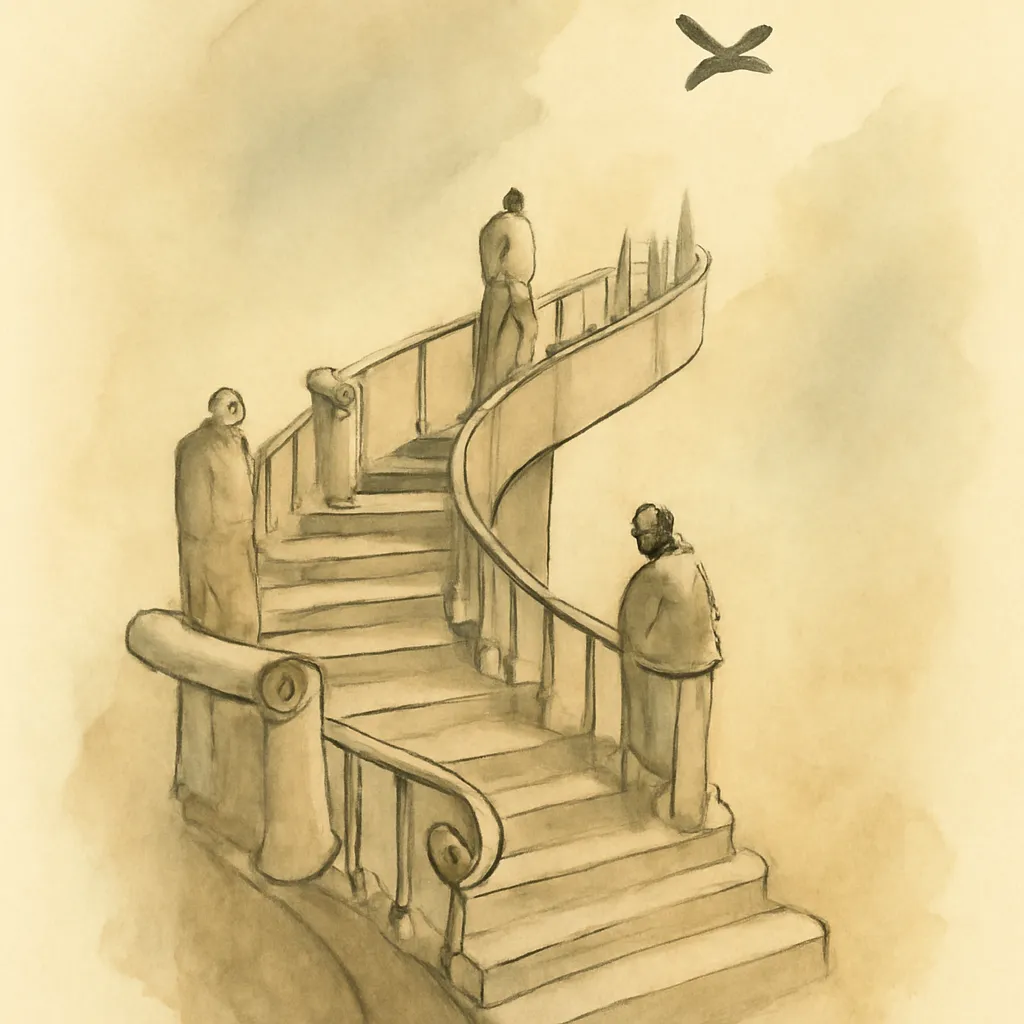
Castalia is governed by strict traditions and hierarchies, which both nurture and constrain its members. Knecht’s evolution from loyal servant to independent thinker dramatizes the struggle between conformity and individuality, and the courage required to challenge established systems in pursuit of deeper truths.
5.Art, Music, and the Unity of Knowledge
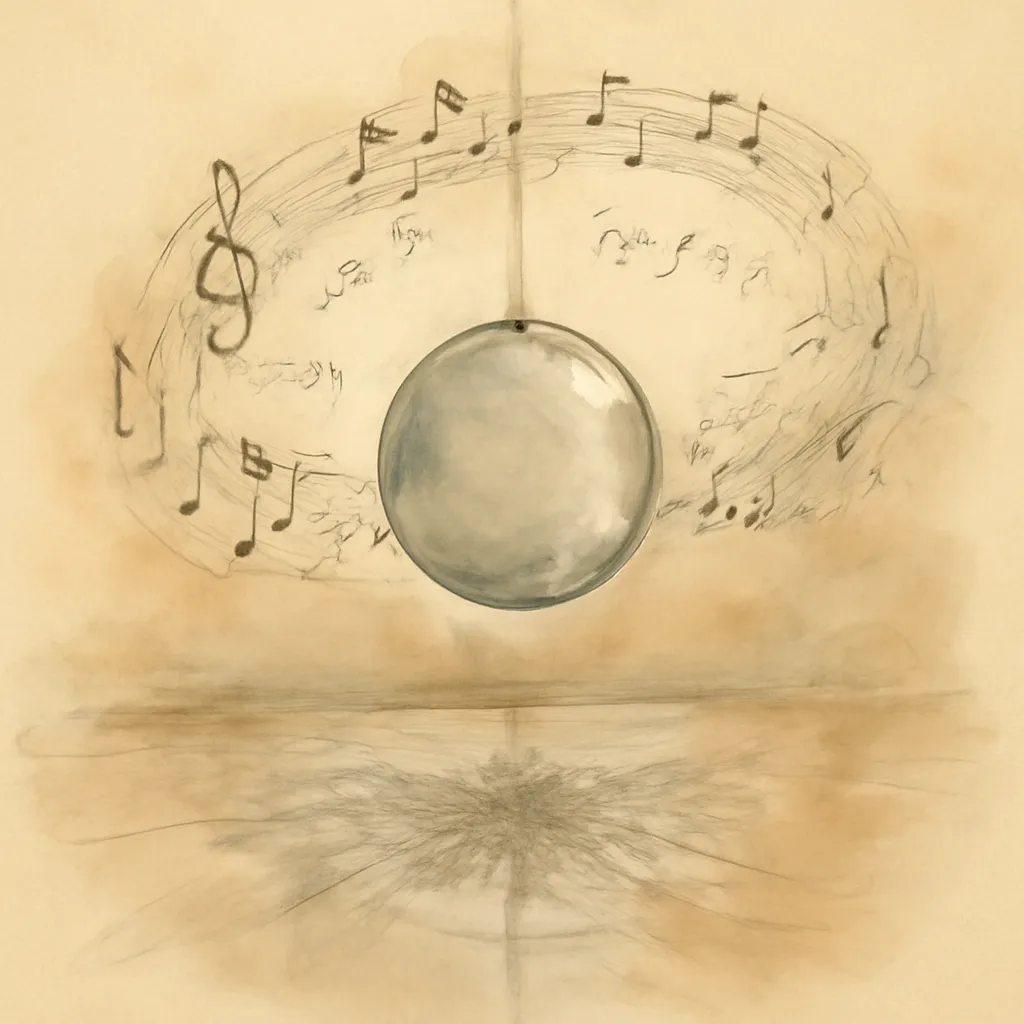
Art and music are central to the Glass Bead Game, symbolizing the unity of all forms of knowledge. Hesse celebrates the beauty and interconnectedness of intellectual and artistic pursuits, while also warning against their potential to become sterile if divorced from lived experience and compassion.
6.The Limits of Utopia
Castalia is an intellectual utopia, but Hesse subtly critiques its insularity and detachment. The novel asks whether such a society can truly fulfill the human spirit, or whether it inevitably breeds stagnation and irrelevance. This theme resonates with questions about the role of intellectuals and artists in society today.