1.The Isolation of Silas Marner
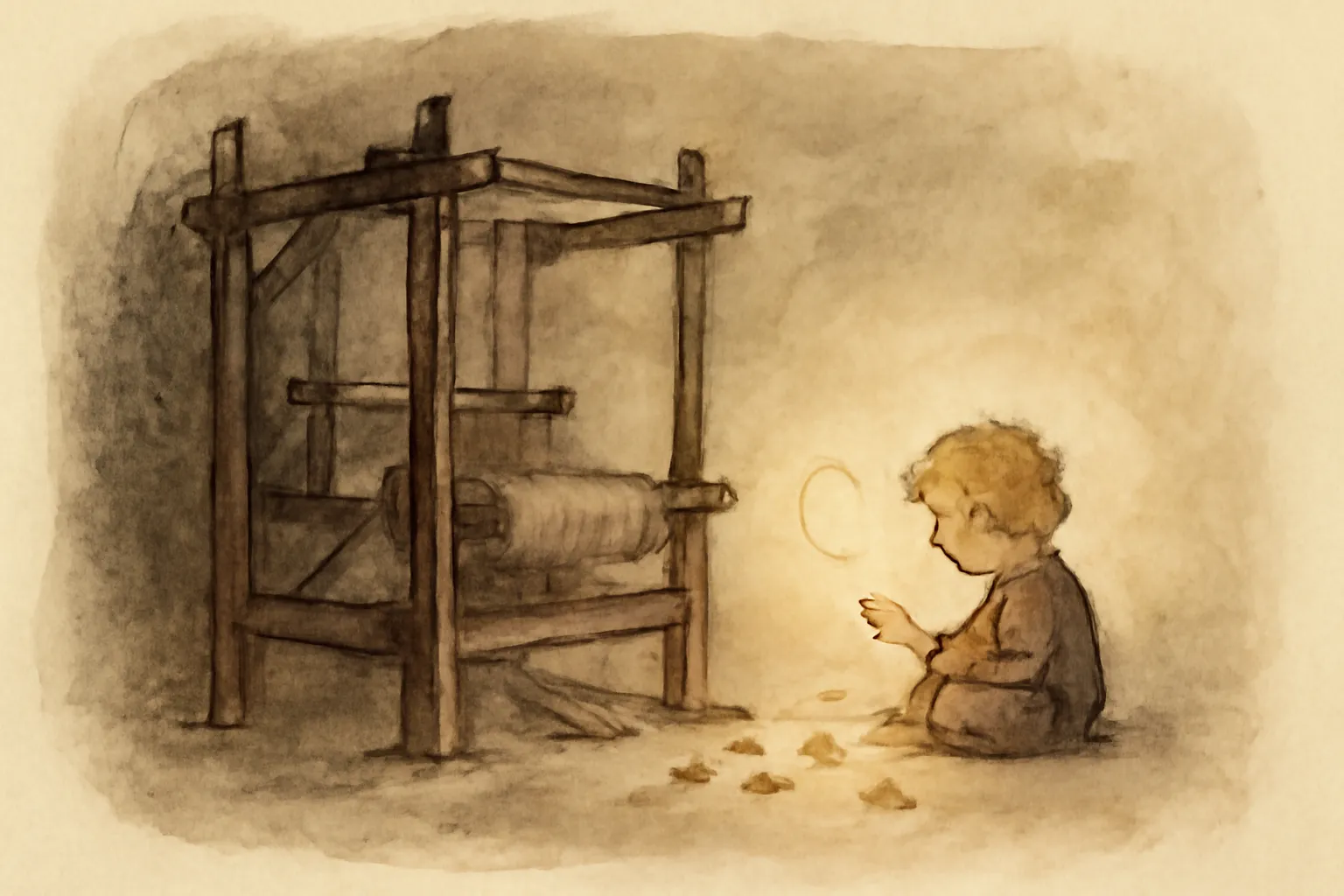
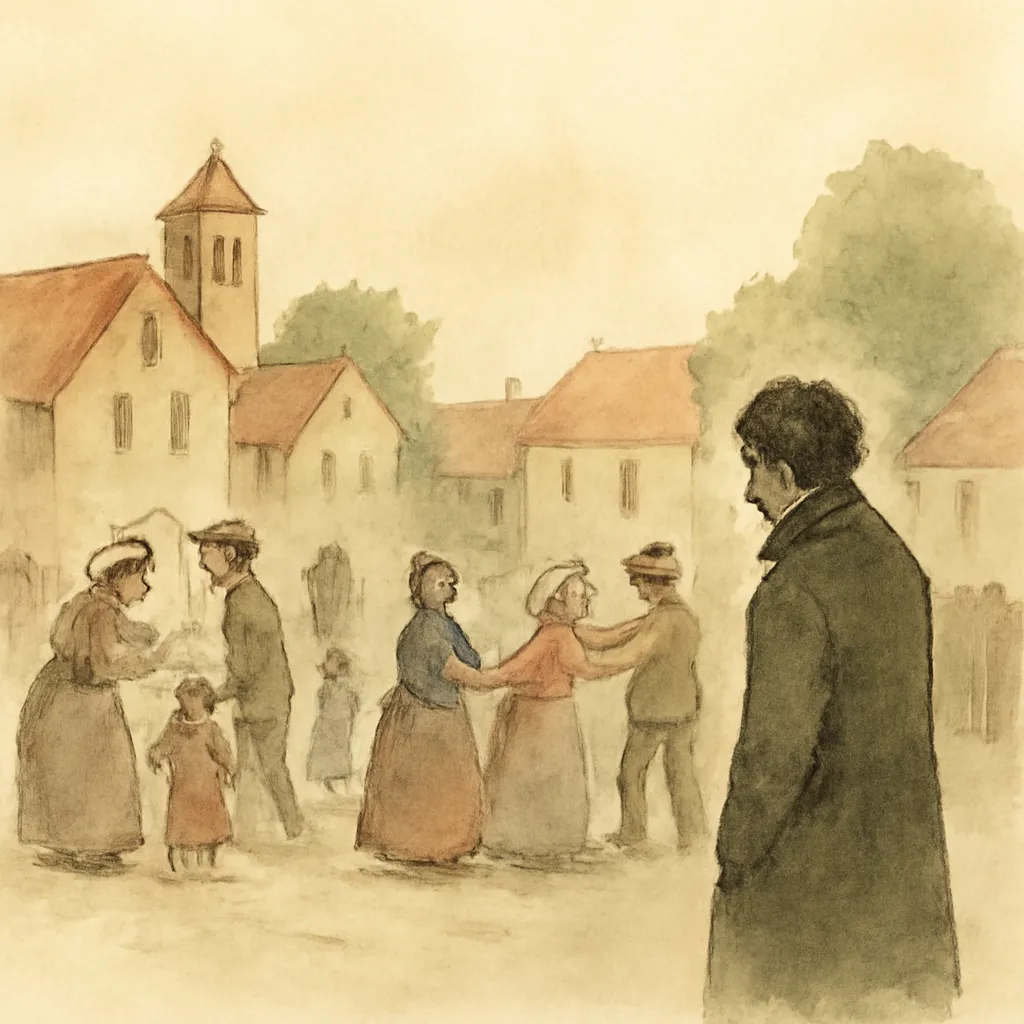
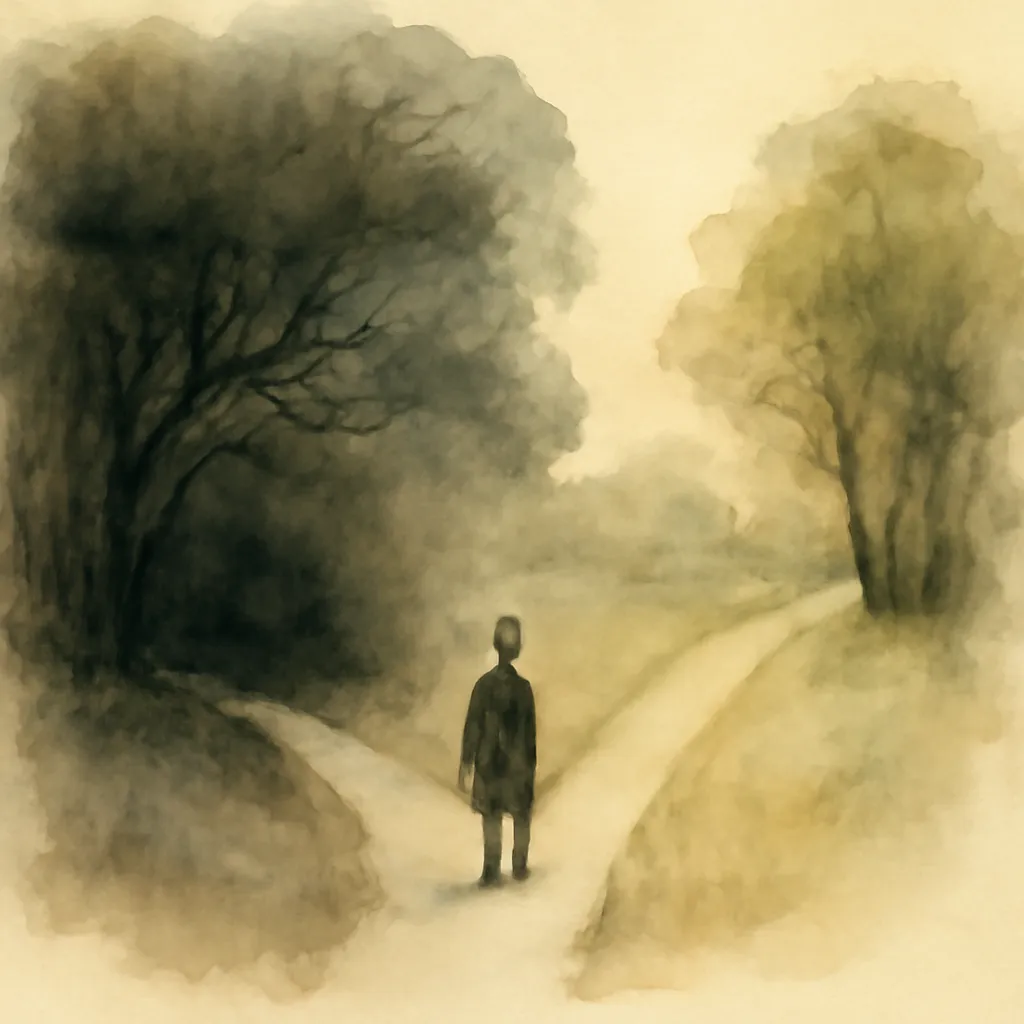
Silas Marner begins as a deeply isolated figure, having been wronged by his community and betrayed by a close friend. After being falsely accused of theft and exiled from his home, he retreats to the village of Raveloe, where he lives a life of seclusion, spending his days weaving and hoarding gold. His obsession with his gold becomes a coping mechanism, a way of filling the void left by his lost connections. Marner's isolation is emblematic of the human condition; it highlights the dangers of withdrawing from the world and the consequences of placing too much value on material wealth. Eliot paints a vivid picture of Marner's loneliness, contrasting it with the vibrant lives of the villagers around him, who engage in communal activities and support one another.
2.The Role of Superstition and Community
Eliot intricately weaves the themes of superstition and community throughout the narrative, illustrating how they shape the lives of the characters in Raveloe. The villagers view Silas with suspicion, their superstitions leading them to believe that someone who is different must be connected to dark forces. This reflects the broader tendency of communities to distrust outsiders, particularly those who do not conform to established norms. The weaver's strange habits and solitary existence only deepen this mistrust. However, as the story progresses, the villagers gradually shift from suspicion to support, demonstrating the transformative power of community when it embraces the outcast. Eliot emphasizes that community can either isolate or uplift individuals, depending on the openness and compassion of its members.
3.The Transformation through Fatherhood
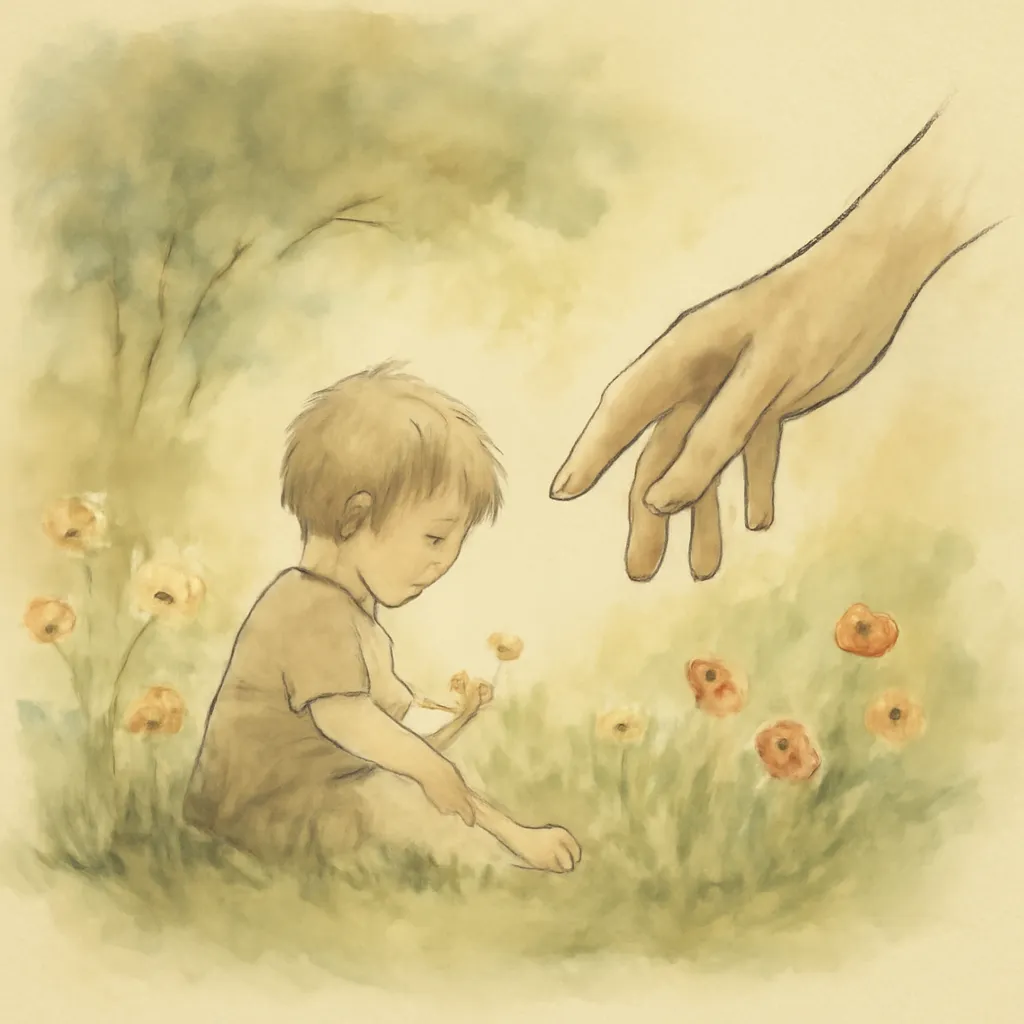
The arrival of Eppie dramatically alters Silas's life, serving as the catalyst for his emotional transformation. Initially, Marner is bewildered by the unexpected responsibility of caring for a child, but as he nurtures Eppie, he discovers a profound sense of purpose and joy. His love for her replaces his obsession with gold, illustrating a crucial theme: true wealth comes from love and relationships rather than material possessions. Eliot captures the nuances of Marner's evolving identity as a father, highlighting the challenges and triumphs he faces in this new role. The bond between Silas and Eppie becomes a testament to the healing power of love, showing how it can mend even the deepest wounds and fill the void left by loneliness.
4.The Symbolism of Gold
Gold serves as a powerful symbol throughout the novel, representing both Marner's initial obsession and his subsequent redemption. In the beginning, Silas's hoarding of gold reflects his emotional desolation; it is a tangible manifestation of his isolation and the emptiness of his life. However, as he grows to love Eppie, the gold loses its significance, becoming a mere relic of a past life. Eliot uses this transformation to convey a broader message about the nature of wealth and happiness. The juxtaposition of gold with the love that Marner develops for Eppie illustrates the idea that material wealth cannot bring fulfillment; instead, it is the connections we foster with others that enrich our lives. Through Silas's journey, the narrative critiques the societal emphasis on wealth and encourages readers to reflect on what truly matters.
5.The Complexity of Human Relationships
Eliot delves into the complexities of human relationships, exploring themes of love, betrayal, and redemption. The interactions between Silas, Godfrey Cass, and other villagers reveal the multifaceted nature of human connections. Godfrey, who struggles with his own moral failings, represents the challenges of responsibility and the consequences of past actions. His secret marriage and abandonment of Eppie create a moral dilemma that ultimately shapes the lives of all involved. Eliot portrays relationships as intricate webs of influence, where individual choices resonate through the community. By examining the motivations and desires of her characters, she invites readers to consider the moral implications of their actions and the impact they have on others.
6.The Influence of Gender Roles
The novel also addresses the influence of gender roles within the rural society of Raveloe. Female characters like Nancy Lammeter and Molly Farren are depicted with depth, illustrating the constraints placed upon women in this era. Nancy embodies the ideal of a dutiful wife, navigating societal expectations while also displaying agency in her relationships. In contrast, Molly's tragic fate highlights the consequences of societal neglect and the harsh realities faced by women who fall outside the boundaries of acceptable behavior. Through these characters, Eliot critiques the rigid gender roles of her time, emphasizing the need for compassion and understanding. The interplay between male and female characters enriches the narrative, revealing how gender shapes their experiences and choices.
7.The Redemption of Godfrey Cass
Godfrey Cass's character arc serves as a critical counterpoint to Silas Marner's transformation. Initially portrayed as a weak and irresponsible man, Godfrey grapples with the consequences of his past choices, particularly his secret marriage to Molly and the abandonment of Eppie. As the narrative unfolds, Godfrey's desire for redemption becomes evident, particularly in his interactions with Nancy and his longing to reclaim his daughter. Yet, the novel suggests that redemption is complex; it cannot be easily attained through mere acknowledgment of past mistakes. Godfrey's internal struggle illustrates the broader theme of moral responsibility, as he comes to terms with the impact of his actions on Silas and Eppie. Eliot's portrayal of Godfrey ultimately reflects the idea that true redemption requires not only acknowledgment but also the willingness to act selflessly for the sake of others.
8.The Power of Love and Community
At its core, 'Silas Marner' is a celebration of the transformative power of love and community. Marner's journey from isolation to connection underscores the importance of human relationships in fostering personal growth and healing. The villagers, initially distrustful, come to support Marner as he embraces fatherhood, demonstrating how community can uplift individuals. Eliot emphasizes that love, whether romantic or familial, has the power to mend broken hearts and bridge divides. The novel suggests that through love and compassion, individuals can find their way back to themselves, creating a richer, more fulfilling life. This theme resonates deeply, reminding readers of the indispensable role that love and community play in navigating life's challenges.
9.The Impact of Time and Change
Eliot deftly explores the impact of time and change on her characters and the community of Raveloe. The passage of time is not merely a backdrop; it shapes the characters' identities and relationships. Marner's transformation over the years illustrates the profound effects that love and connection can have on a person's life. Similarly, the evolution of the village itself reflects the broader societal changes occurring during the early 19th century. Eliot captures the tension between tradition and progress, highlighting how the characters adapt to shifting circumstances. This exploration of time serves as a reminder that change is an inherent part of life, and how individuals respond to it defines their journey. The novel encourages readers to embrace change while cherishing the relationships that ground them.
10.The Interplay of Fate and Free Will
The novel grapples with the interplay of fate and free will, particularly in the context of Silas Marner's life. Initially, Marner's misfortunes seem to stem from forces beyond his control, as his past betrayal and subsequent isolation suggest a predetermined path. However, as he embraces his role as a father and becomes more involved in the community, he exercises agency in shaping his destiny. Eliot suggests that while fate may influence circumstances, individuals possess the power to choose how they respond to life's challenges. This theme resonates with the idea that personal growth often arises from adversity, highlighting the importance of resilience and the human spirit in overcoming obstacles.