1.The Innocence of Youth
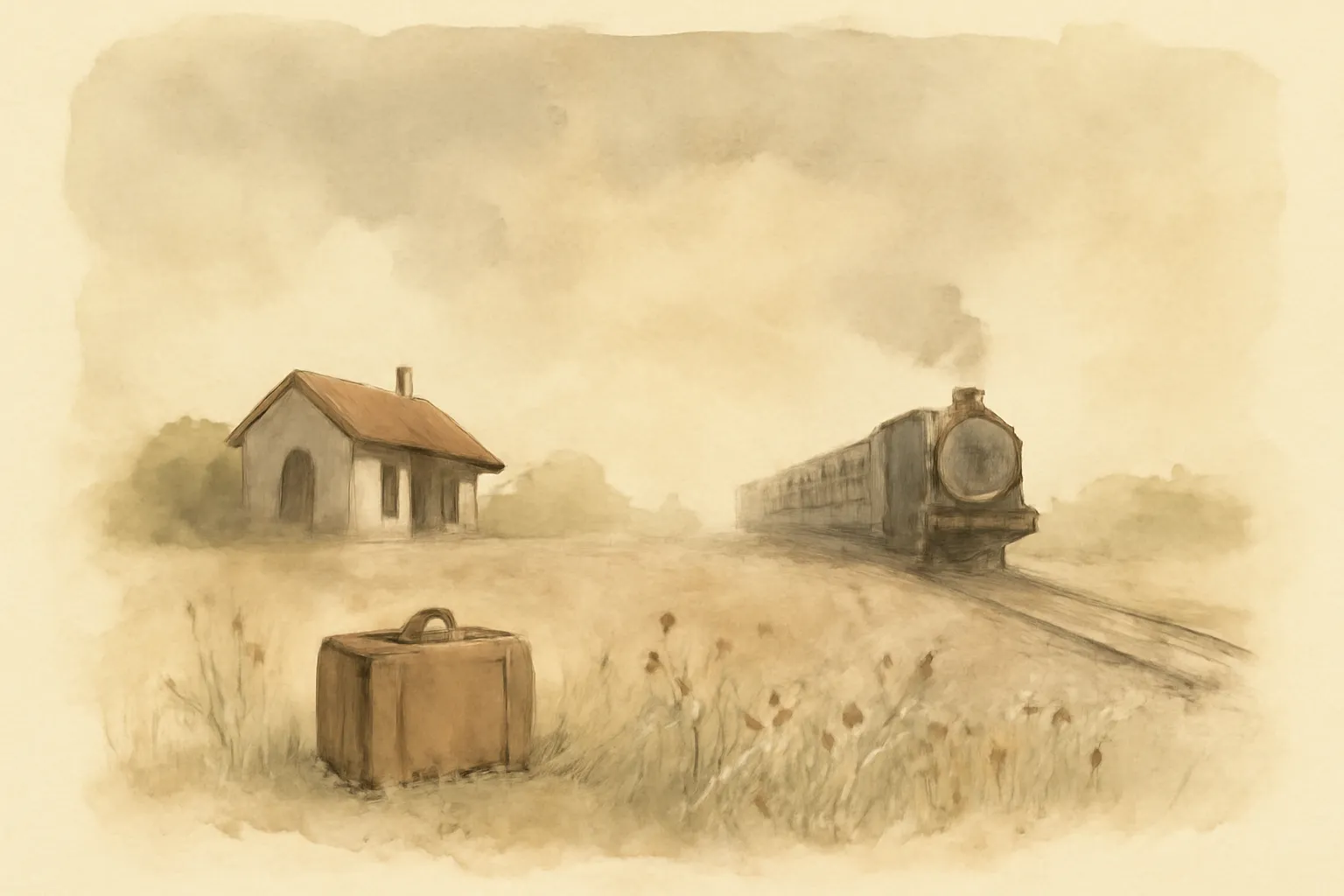
Carrie Meeber's journey begins with an innocent hopefulness as she departs her rural home for Chicago. At eighteen, she is filled with dreams and illusions about life in the big city, unaware of the challenges that await her. The contrast between her naive expectations and the harsh realities of urban life is stark. Carrie’s initial excitement about the city’s lights and sounds symbolizes her youthful optimism. However, this innocence is quickly threatened by the seductive allure of city life, which offers both opportunities and dangers. Her experience reflects the universal theme of youthful idealism versus the often cruel lessons of adulthood.
2.The Struggle for Employment
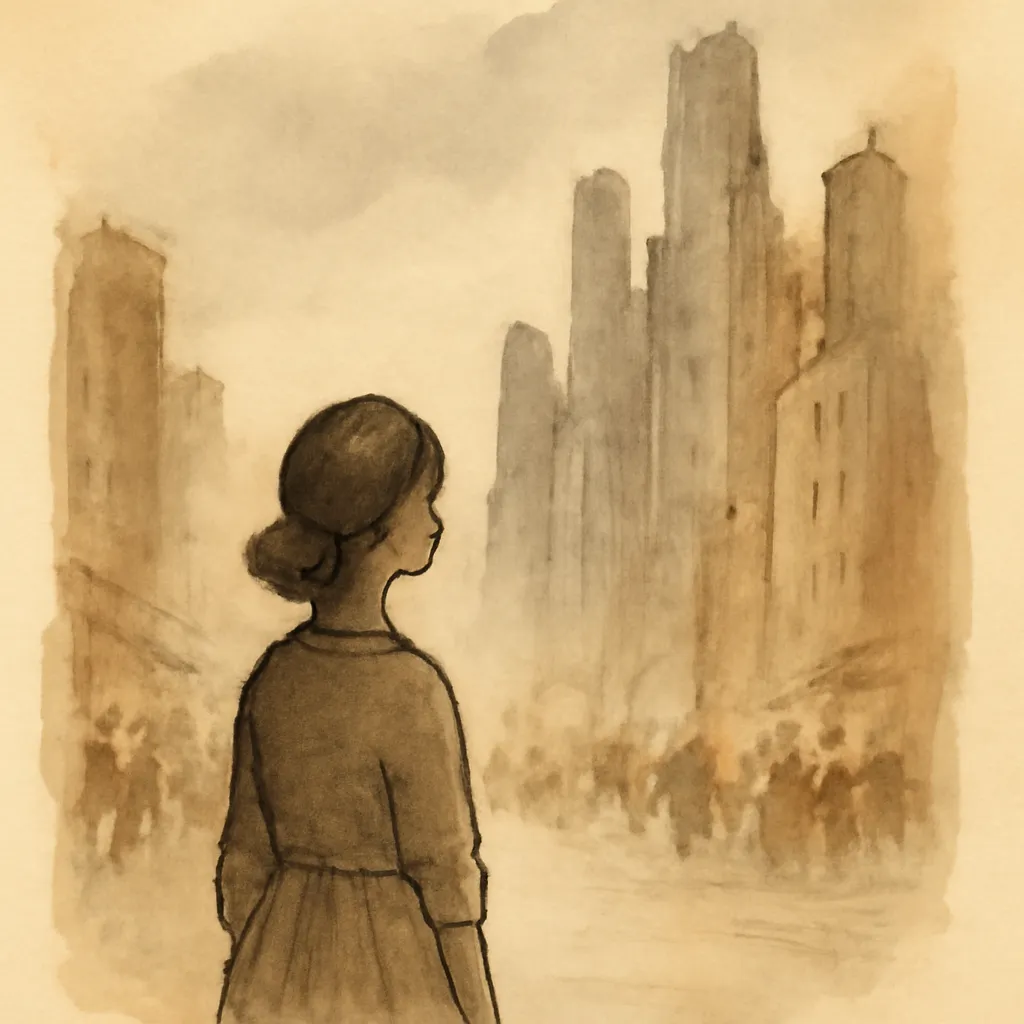
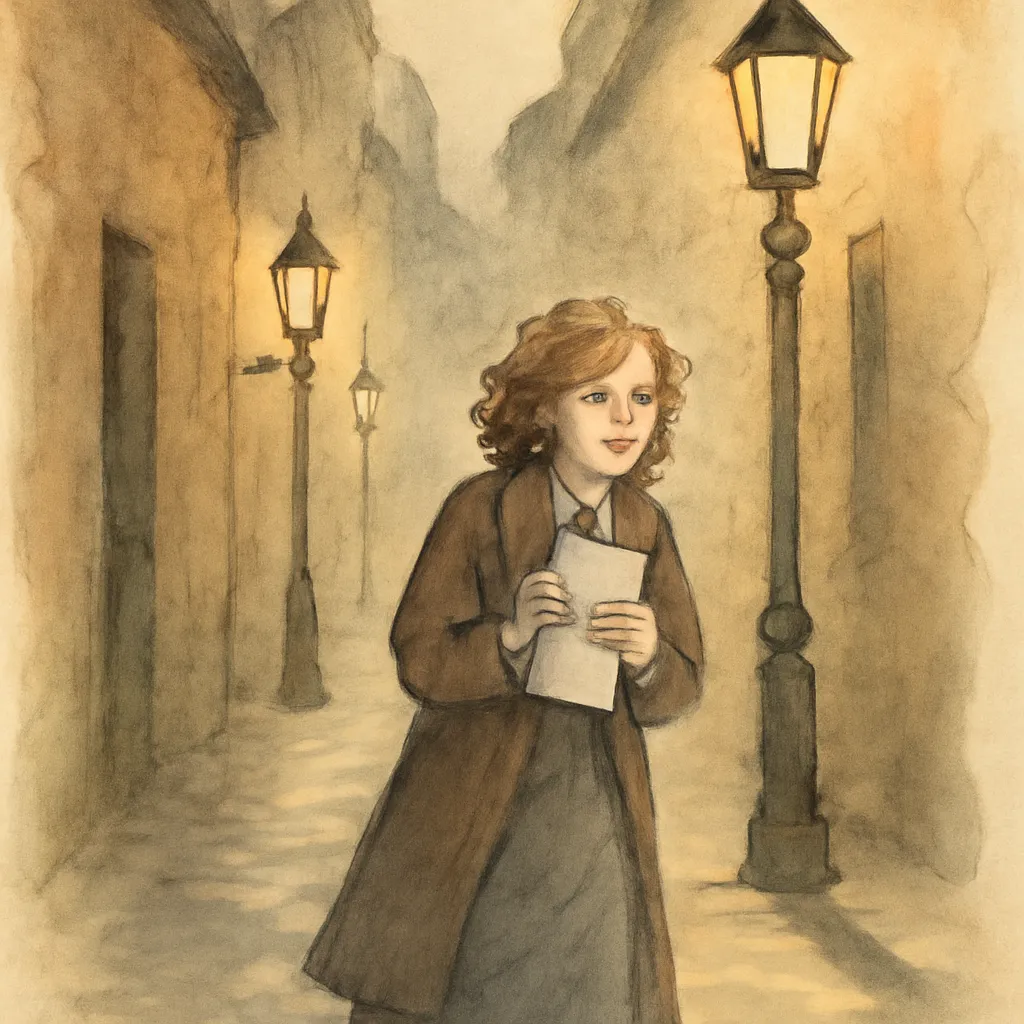
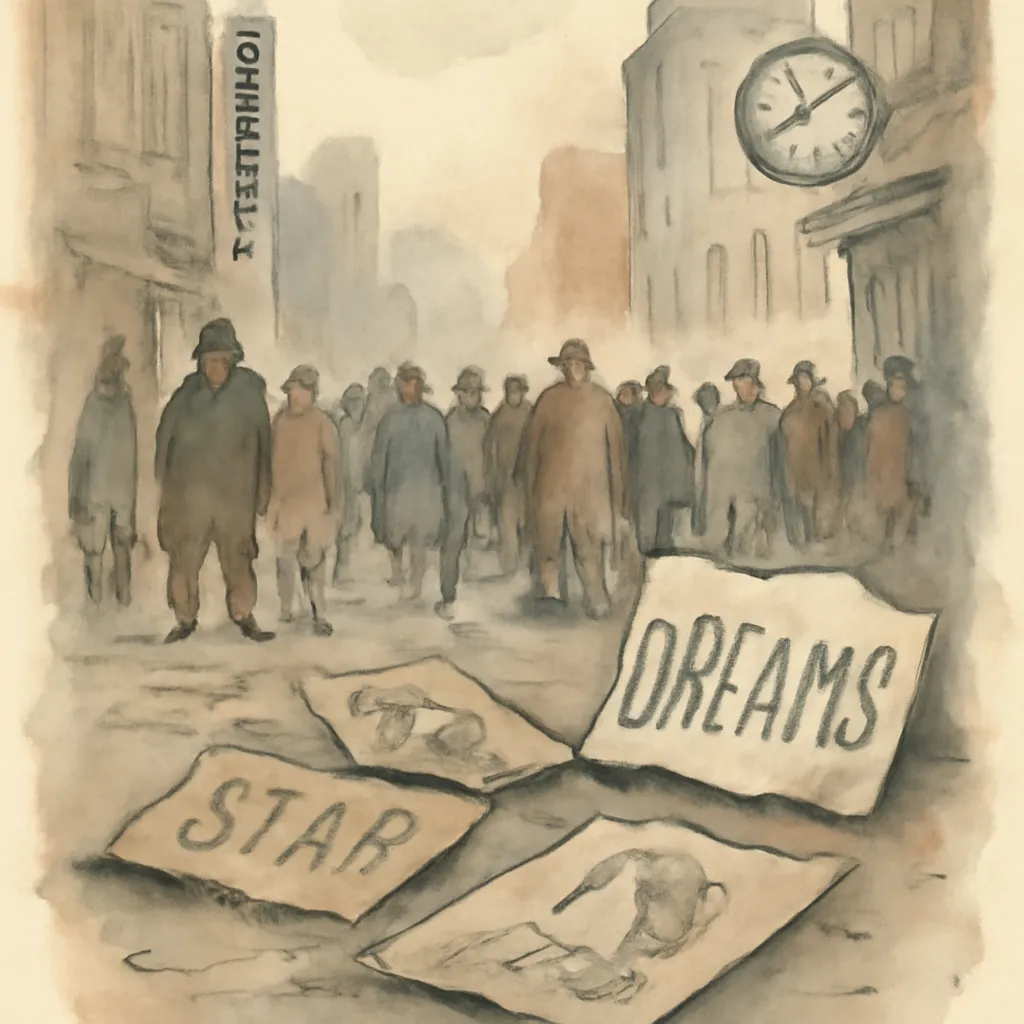
Once in Chicago, Carrie faces the daunting task of finding work to support herself. Her initial attempts are fraught with anxiety and self-doubt, as she grapples with her identity as a wage-seeker. The imagery of her wandering the streets, filled with both hope and fear, illustrates the struggle many women faced during this time. Dreiser captures the societal pressures that compel Carrie to seek employment, emphasizing that her worth is tied to her ability to earn a living. The harshness of her reality becomes evident when she realizes that the work available to her is often demeaning and poorly compensated. This struggle highlights the limited options for women in the late 19th century and the societal expectation that they must contribute economically.
3.The Allure of Materialism
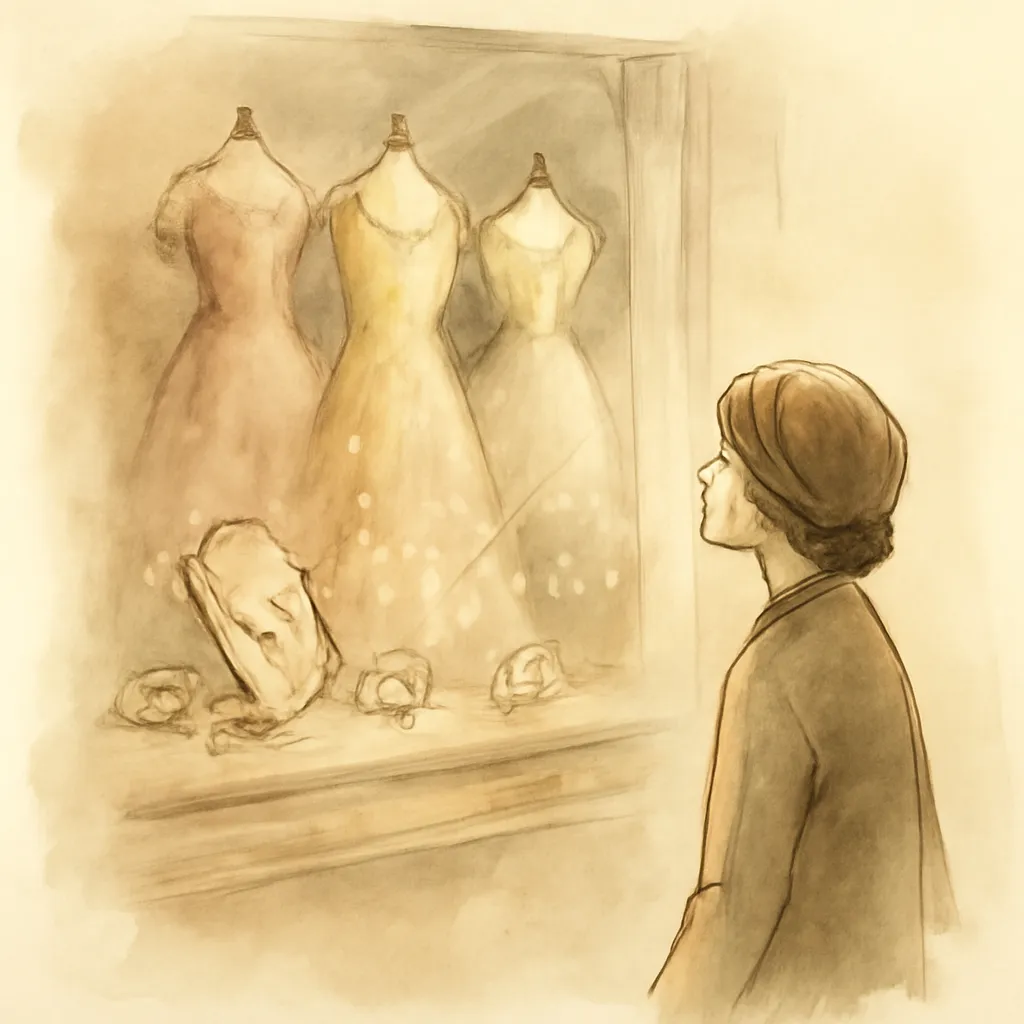
As Carrie begins to earn a wage, she indulges in fantasies about the luxuries that money can buy. With her modest salary, she envisions a life filled with beautiful clothes and social outings, reflecting her deep-seated desire for acceptance and admiration. This materialistic perspective is not just a personal failing but a commentary on the broader societal values that equate worth with wealth and appearance. Dreiser illustrates how the pursuit of material goods becomes intertwined with Carrie's sense of self, leading her to make questionable choices in pursuit of a glamorous lifestyle. The tension between her aspirations and her reality creates a compelling narrative that examines the moral implications of her desires.
4.The Complexity of Relationships
Carrie's relationships with men serve as pivotal points in her journey, each influencing her path in significant ways. Her initial encounter with Drouet, a salesman, introduces her to a world of romance and material comfort. Drouet's admiration for Carrie boosts her self-esteem, yet it also places her in a position of dependence. As she becomes more entangled in their relationship, the reader witnesses the shift from her initial excitement to a growing realization of the emotional costs involved. The dynamics of power and vulnerability in their relationship reflect the societal norms of the time, where women often relied on men for financial security. This complexity is further intensified by Carrie's subsequent relationship with Hurstwood, a married man, which complicates her moral standing and deepens her internal conflict.
5.The Burden of Societal Expectations
Dreiser explores the weight of societal expectations on women through Carrie's experiences. As she navigates her relationships and ambitions, she is constantly aware of the judgments placed upon her by society. The novel raises critical questions about virtue, morality, and the double standards that exist for men and women. Carrie's struggle for independence is often met with societal condemnation, particularly as she becomes involved with Hurstwood. The tension between her desires and societal norms illustrates the limited agency women had in determining their own fates. Dreiser poignantly critiques the moral hypocrisy of society, showcasing how women are often punished for seeking the same freedoms afforded to men.
6.The Fragmentation of Identity
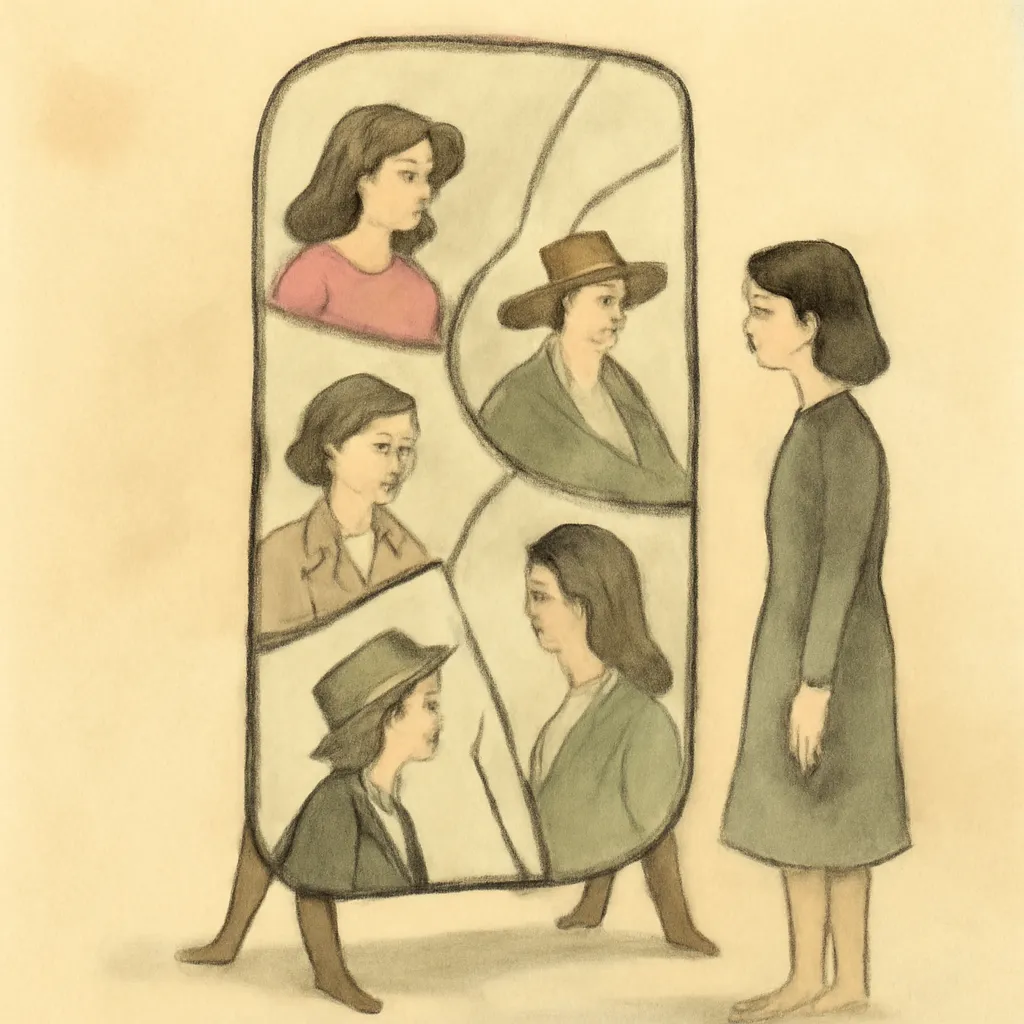
As Carrie becomes more embroiled in her pursuits, her sense of self begins to fragment. The pressures of her relationships, coupled with her aspirations for success, force her to navigate multiple identities. She oscillates between the roles of lover, worker, and aspiring actress, each demanding different facets of her personality. This fragmentation is emblematic of the broader struggles faced by individuals in a rapidly changing society, where traditional roles are being redefined. Dreiser captures this internal conflict through Carrie's evolving self-perception, revealing the toll that societal pressures and personal ambitions can take on one's identity. Her journey becomes a microcosm of the struggle for self-definition in an unforgiving world.
7.Ambition and its Consequences
Carrie's ambition drives her to seek a life beyond the confines of her initial circumstances, but it also leads to a series of moral compromises. Her desire to rise above her modest beginnings propels her into increasingly questionable situations, particularly in her relationships with Drouet and Hurstwood. Each choice she makes is tinged with the realization that ambition can come at a steep price. Dreiser illustrates how Carrie's quest for success is fraught with ethical dilemmas, challenging the notion of the American Dream. The consequences of her ambition manifest in both personal and societal repercussions, prompting readers to reflect on the true cost of success in a capitalist society.
8.The Illusion of Love
Carrie's romantic entanglements reveal the complexities of love and desire against the backdrop of societal expectations. Her relationship with Drouet begins as a source of admiration and affection, but it quickly devolves into a transactional dynamic where love is intertwined with material gain. Similarly, her connection with Hurstwood is marked by a blend of genuine affection and manipulative desires. Dreiser paints a nuanced picture of love as both a lofty ideal and a pragmatic necessity, complicating the reader's understanding of romantic relationships. The illusion of love is further emphasized by the characters’ motivations, which often stem from a need for validation and security rather than true emotional connection.
9.The Role of Fate in Human Endeavors
Throughout Sister Carrie, Dreiser weaves the theme of fate as an omnipresent force influencing the characters' lives. Carrie’s journey is marked by a series of chance encounters and decisions that propel her towards unexpected outcomes. This notion of fate raises questions about free will and the extent to which individuals can shape their destinies. The characters often find themselves at the mercy of larger societal forces, underscoring the idea that personal ambition can be thwarted by circumstances beyond one’s control. This interplay between fate and agency serves as a powerful reminder of the complexities of human existence, where aspirations can be derailed by unforeseen events.
10.The Harsh Realities of Urban Life
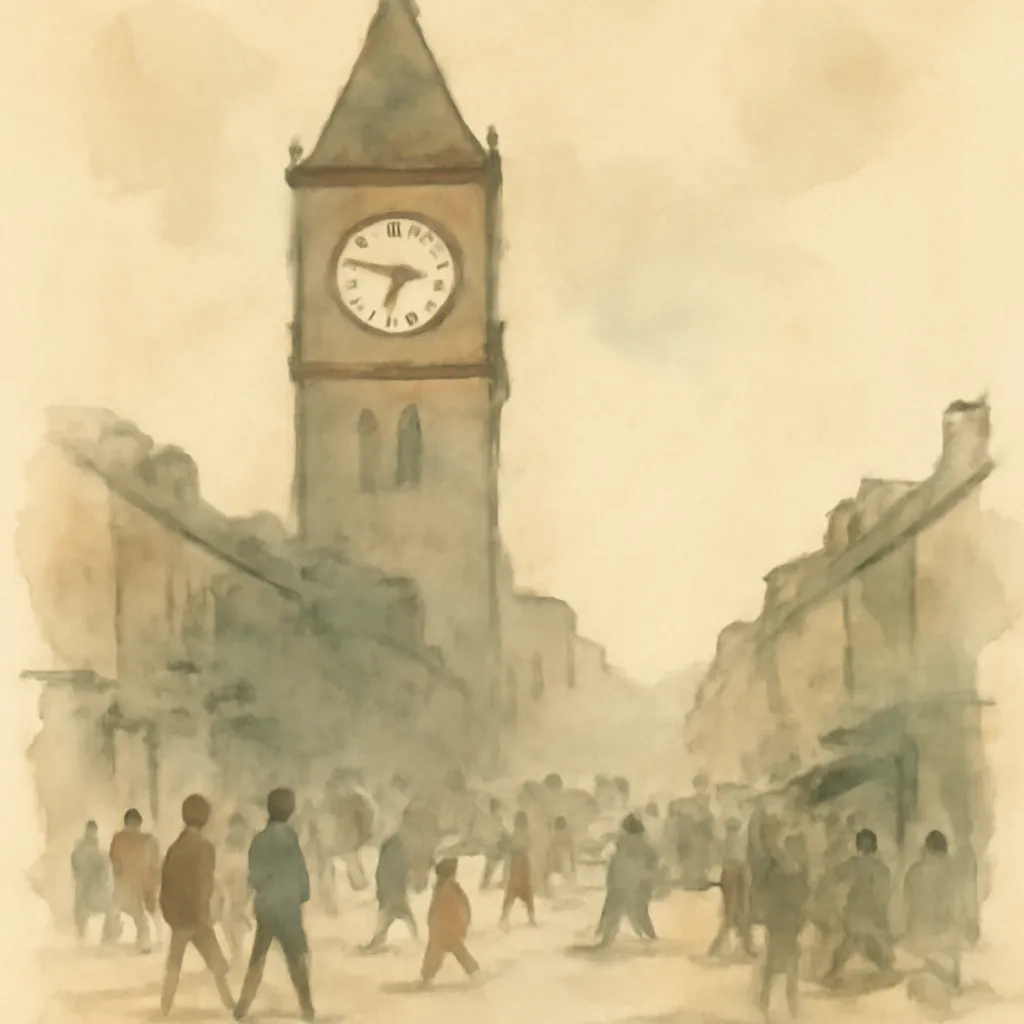
Dreiser vividly portrays the gritty realities of urban life in late 19th century America, highlighting the stark contrast between aspiration and reality. The bustling streets of Chicago serve as a backdrop for Carrie's struggles, illustrating both the opportunities and the pitfalls of city living. The novel captures the harshness of poverty, the loneliness of the city, and the relentless pursuit of success that characterizes urban existence. Through Carrie's experiences, readers gain insight into the struggles faced by many individuals seeking a better life amidst the unforgiving landscape of industrialization. This realistic portrayal of urban life serves as a critique of the American Dream, challenging the notion that hard work will inevitably lead to success.