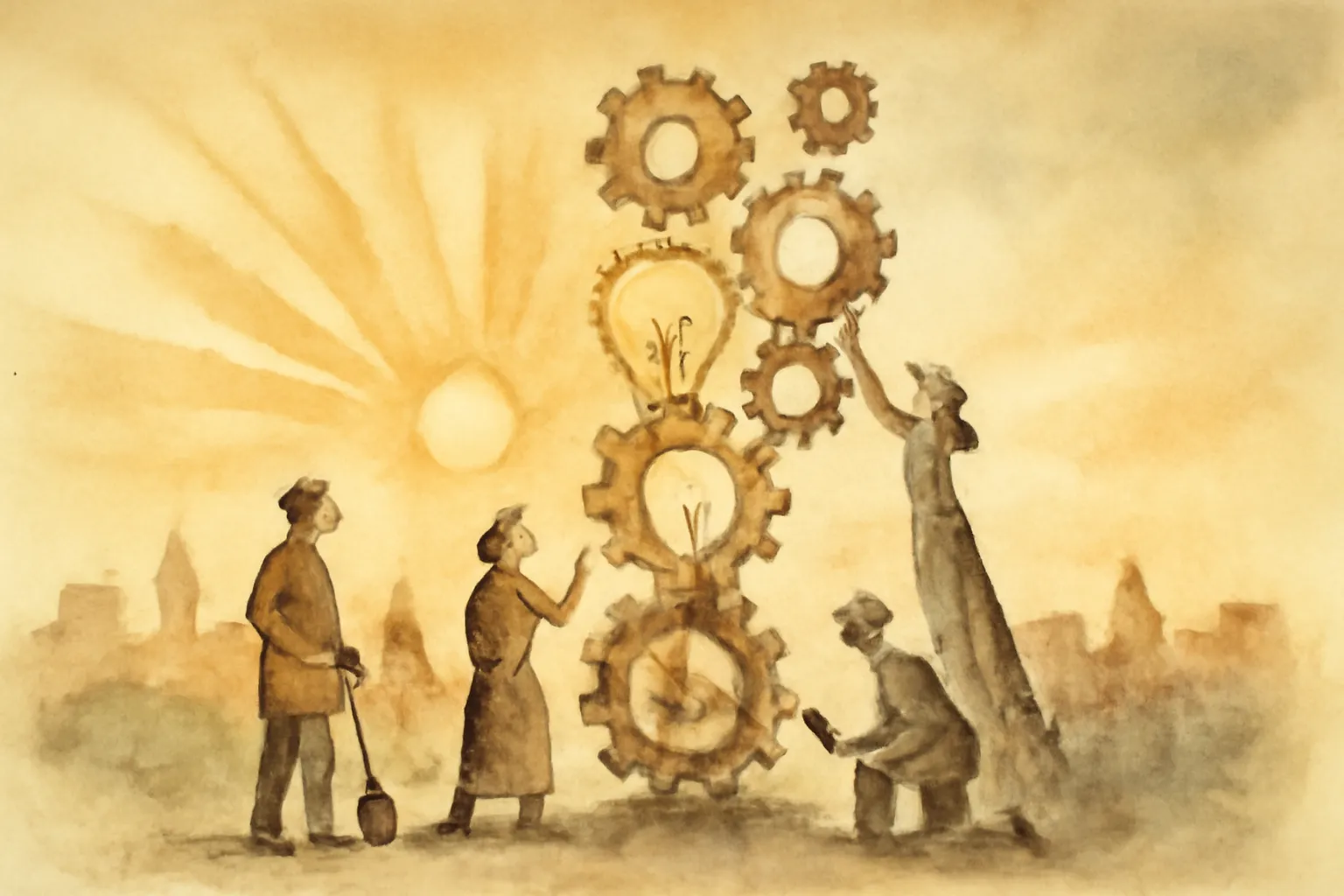
1.The Power of Motivation
Duhigg argues that motivation isn’t an innate trait but a skill that can be cultivated. He explains that people are more motivated when they feel in control and can connect tasks to a greater purpose. By making choices and linking daily actions to personal values or long-term goals, individuals and teams can boost their drive and engagement. This reframes motivation as something you can engineer, not just hope for.
2.Goal Setting: Stretch and SMART
The book highlights the importance of combining ambitious 'stretch' goals with practical SMART (Specific, Measurable, Achievable, Relevant, Time-bound) objectives. Stretch goals inspire and push boundaries, while SMART goals break them into actionable steps. This dual approach helps maintain vision without losing focus, making big dreams attainable through consistent progress.
3.Focus and Mental Models
Duhigg emphasizes that productivity depends on how we direct our attention. Building mental models—stories or frameworks about how events might unfold—helps us anticipate challenges and stay focused amid distractions. By actively envisioning outcomes, we train our minds to notice what matters and avoid autopilot, leading to better decisions and fewer errors.
4.Team Dynamics and Psychological Safety
Drawing on research from Google and others, Duhigg shows that the most effective teams aren’t just collections of smart people but groups where members feel safe to speak up and take risks. Psychological safety—where everyone’s voice is valued—enables teams to innovate, learn from mistakes, and collaborate more productively. Cultivating this environment is crucial for organizational success.
5.Managing Decision Making
Productive people and organizations excel at making decisions by balancing data with intuition. Duhigg explores how to avoid analysis paralysis by focusing on the most important variables and using probabilistic thinking—assessing risks and rewards rather than seeking certainty. This approach leads to faster, more confident choices, even in uncertain situations.
6.The Role of Innovation and Learning
Continuous learning and experimentation are central to sustained productivity. Duhigg illustrates how successful individuals and companies encourage curiosity, embrace failure as a learning tool, and adapt quickly to change. By fostering a culture of innovation, they stay ahead in rapidly evolving environments.