1.The Journey of Self-Discovery
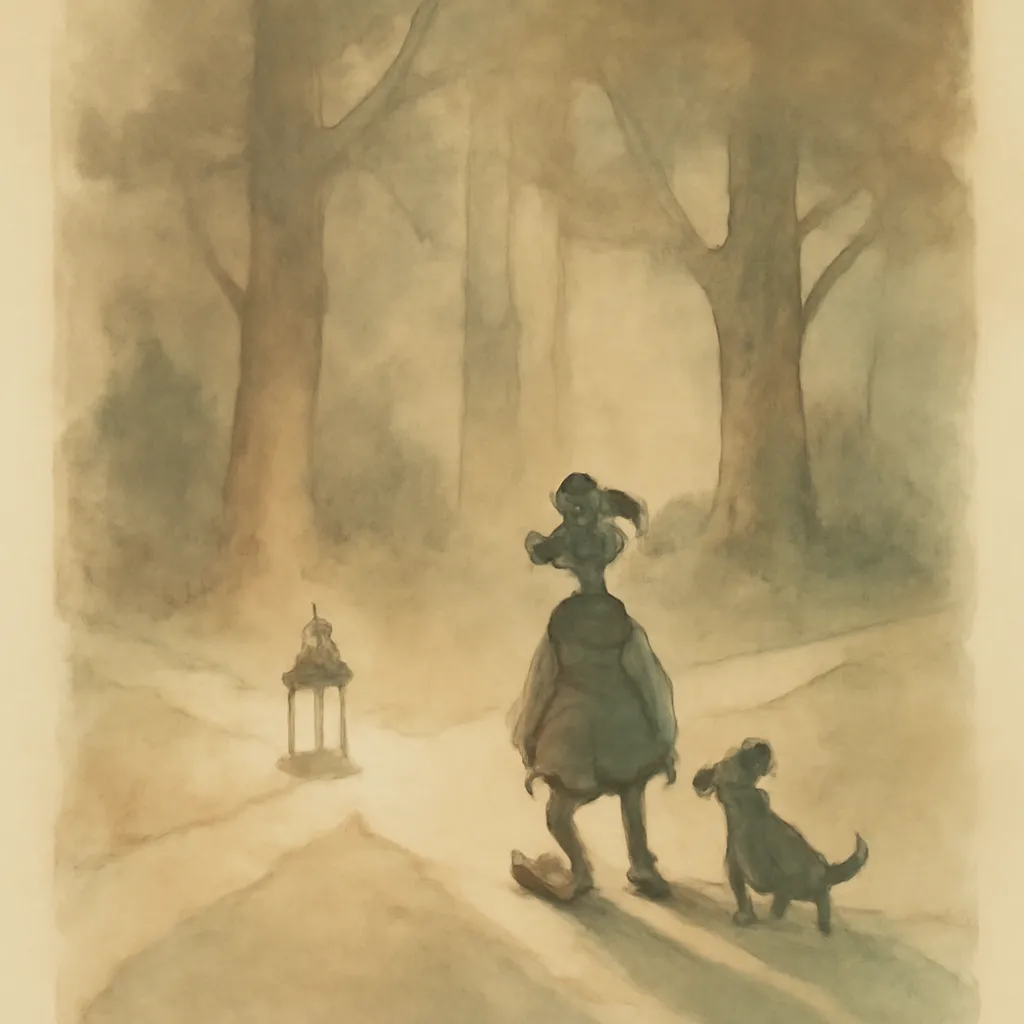
Donald MacDonald, a city doctor, embarks on a journey that leads him to the Cumberlands, where he confronts not just the wilderness but also his own identity. Initially, he feels lost both physically and emotionally, as evidenced by his admission to his dog, Mike: 'Mike, we're lost!' This moment symbolizes a turning point where Donald must navigate not only the physical terrain but also his feelings for Smiles, a child-woman who embodies both innocence and complexity. The wilderness serves as a metaphor for his internal struggle, pushing him to confront his preconceived notions about love and life outside the confines of the city. As he interacts with the mountain folk, particularly Big Jerry and Smiles, Donald learns that true understanding comes from genuine connection, challenging his urban sensibilities and prompting a deeper introspection of his values and desires. His journey becomes one of not just connection with nature, but a deeper engagement with his own vulnerabilities and truths.
2.The Contrast of Innocence and Experience

Smiles represents the innocence of childhood, juxtaposed against Donald's adult complexities. Her simple joys and unfiltered emotions are portrayed beautifully as she engages with Donald, who is initially struck by her charm and purity. Donald's interactions with her reveal his internal conflict; he is drawn to her yet feels the weight of societal expectations that dictate what their relationship should be. The narrative captures this contrast vividly, as Smiles' childlike wonder often leaves Donald reflecting on his own lost innocence. For instance, during their shared meals, her delight in his stories showcases a purity that challenges his adult cynicism. This dynamic emphasizes the theme that love can exist in various forms and that the essence of connection often transcends age and societal boundaries. Smiles’ playful spirit and unwavering affection lead Donald to question his own understanding of love, illustrating how innocence can be both enchanting and disarming.
3.The Role of Nature as a Character
The Cumberlands are not just a backdrop; they are a living, breathing character that influences the narrative and its characters. The forest's beauty and dangers mirror Donald's emotional landscape. His initial sense of pride in his woodcraft skills quickly turns to humility as he realizes he is lost, signifying his unpreparedness for the emotional wilderness of love. Robinson's detailed descriptions of the forest—its flora, fauna, and the changing seasons—serve to enrich the plot and reflect the characters' inner turmoil. Nature's unpredictable beauty serves as a catalyst for Donald's transformation, as he navigates the challenges of the wilderness while simultaneously grappling with his feelings for Smiles. The forest's duality, offering both solace and peril, parallels the complexities of love and life's unpredictable journey. For example, the serene beauty of the mountain landscape contrasts sharply with Donald's inner conflict, visually representing the struggle between his desires and the societal expectations he feels pressured to conform to.
4.Love as a Complex Force

The love story between Donald and Smiles is layered with complexity, revealing the multifaceted nature of affection. Donald's feelings for Smiles evolve from a paternal instinct to deeper romantic inclinations, complicating his understanding of love. His inner turmoil is evident when he acknowledges Smiles' charm while simultaneously recognizing her youth: 'I tell you she's only a child.' This tension between desire and responsibility underscores the broader theme of love's complexity. Robinson deftly explores how societal norms and personal desires can clash, particularly in the context of age differences and emotional maturity. Donald's struggle to reconcile his feelings for Smiles with the reality of her youth illustrates the broader societal challenges surrounding love and relationships. The narrative skillfully portrays how Donald’s affection for Smiles forces him to confront the limitations imposed by societal norms, ultimately leading to a deeper exploration of what it means to love someone truly and compassionately.
5.The Influence of Community
The mountain community plays a crucial role in shaping the characters' experiences and perspectives. Through characters like Big Jerry and Judd, Robinson highlights the communal values and the code of conduct that govern life in the Cumberlands. Big Jerry, with his immense strength and gentle nature, embodies the wisdom of the mountains and serves as a father figure not only to Smiles but also to Donald. His welcoming attitude toward Donald, despite initial suspicions, reflects the community's inherent kindness. Conversely, Judd's jealousy and hostility toward Donald illustrate the protective instincts that can arise within close-knit communities. This interplay of acceptance and rivalry showcases the complexities of human relationships and how community dynamics influence individual choices and actions. Judd’s antagonism toward Donald serves as a reminder of the societal pressures that can arise when someone from outside attempts to engage with the local culture, emphasizing the themes of belonging and acceptance in a tightly-knit society.
6.The Struggle for Identity
Donald’s journey in the Cumberlands is as much about discovering his identity as it is about his feelings for Smiles. Initially defined by his profession and urban upbringing, Donald grapples with the expectations placed upon him as a doctor and a man. His interactions with the mountain folk challenge his self-perception, forcing him to confront the limitations of his urban worldview. As he spends more time in the wilderness, he begins to shed the constraints of his identity, allowing him to embrace a more holistic understanding of himself. The pivotal moment occurs when he acknowledges his affection for Smiles, realizing that love transcends societal expectations. This struggle for identity resonates with readers, emphasizing the universal quest for self-understanding amidst external pressures. Donald’s evolution from a detached city dweller to a more integrated individual who appreciates the nuances of love and life highlights the transformational power of self-discovery.
7.The Power of Innocent Love
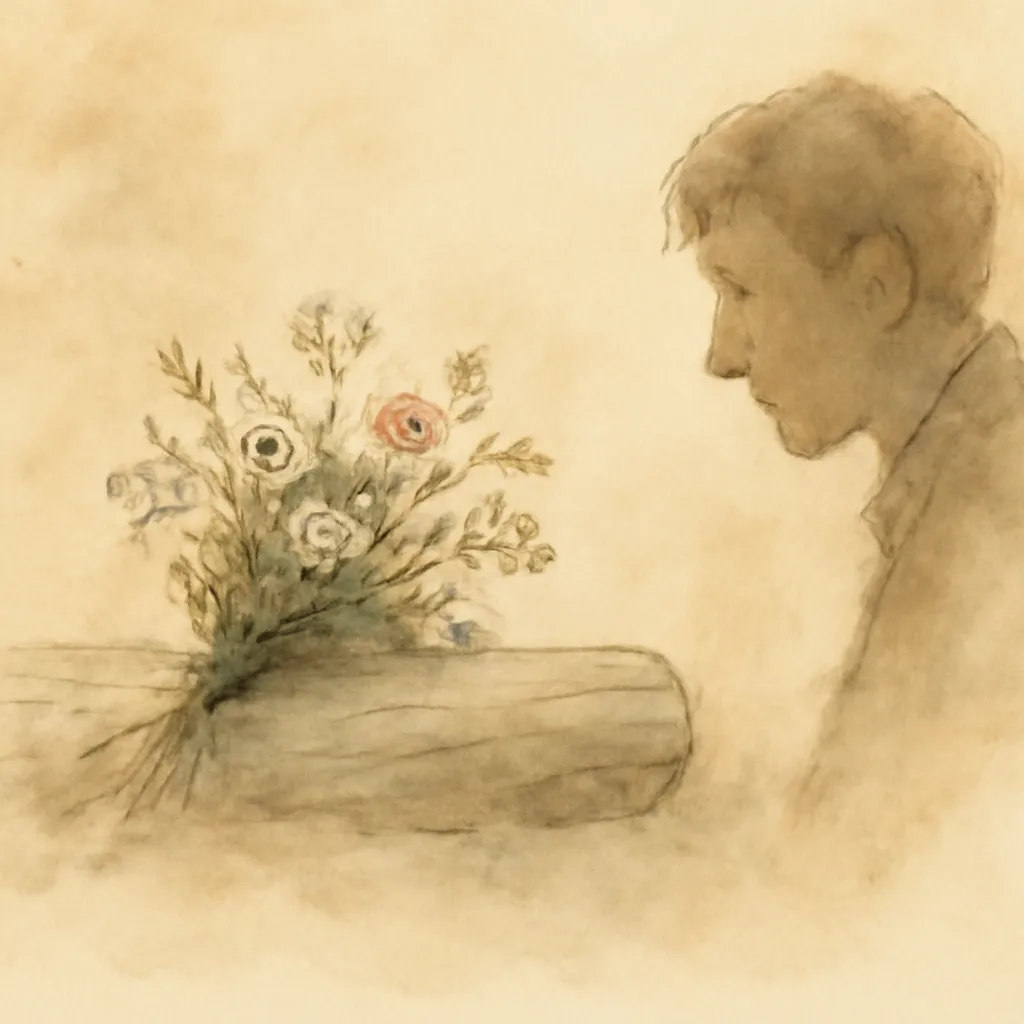
Smiles' affection for Donald is pure and untainted by the complexities of adult relationships. Her love is characterized by an innocent admiration that captivates Donald, leading him to reflect on the nature of love itself. This innocence is poignantly depicted in their interactions, where Smiles' childlike wonder and curiosity draw Donald into a realm of emotional vulnerability. Robinson illustrates this power of innocent love through Smiles' unwavering support and her ability to see beyond Donald's insecurities. Her simple yet profound expressions of affection challenge Donald to reconsider what love means and how it can exist in its purest form. This theme resonates throughout the narrative, illuminating the idea that love, in its most innocent state, can inspire growth and transformation. The authenticity of Smiles' feelings serves as a touchstone for Donald, pushing him to confront his own fears and societal expectations, ultimately leading him toward a more authentic understanding of love.
8.The Consequences of Choices
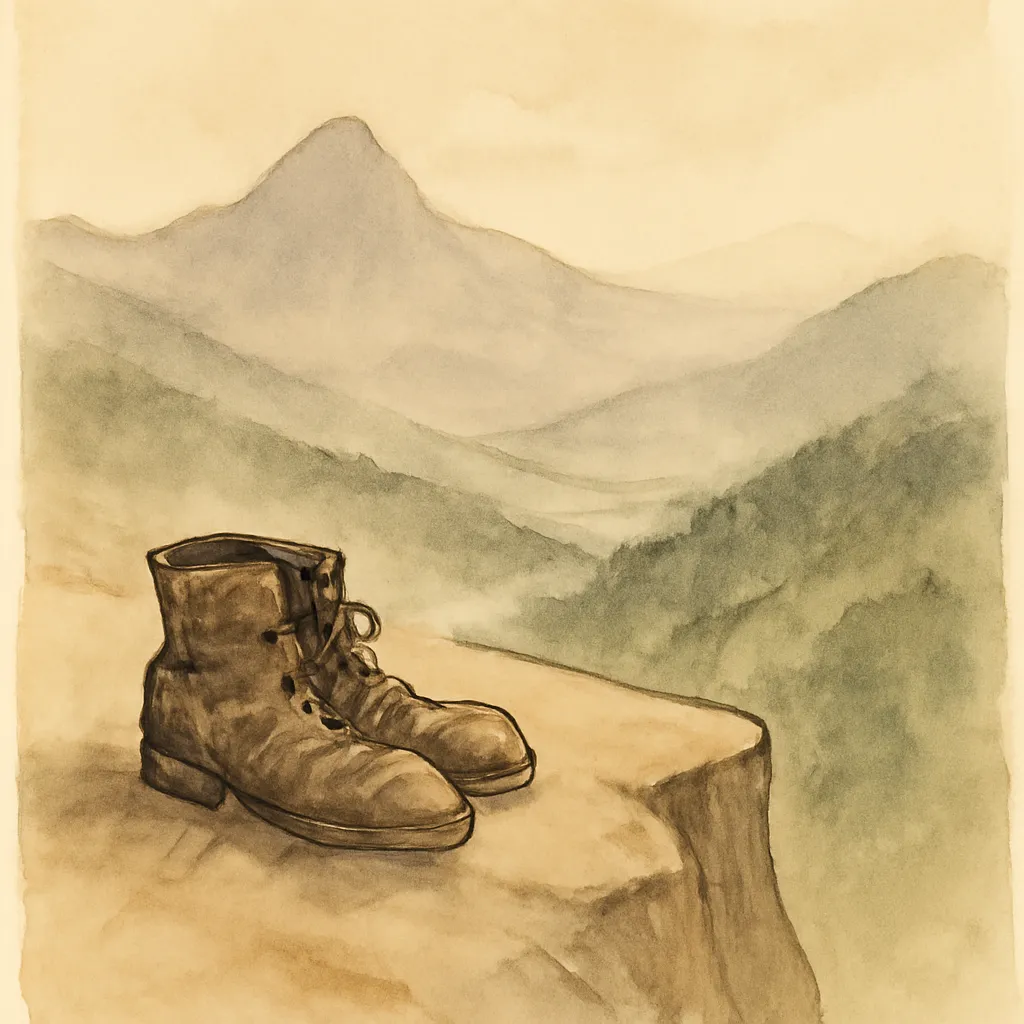
The narrative explores the consequences of the characters' choices, particularly in the context of love and conflict. Donald's decision to confront Judd leads to a physical altercation that escalates tensions within the community. This moment of violence serves as a turning point, highlighting how personal choices can ripple out to affect others. The aftermath of this confrontation forces Donald to reckon with the realities of his actions and their impact on those around him, particularly Smiles and Big Jerry. Robinson underscores the importance of accountability in relationships, illustrating how choices can lead to unforeseen consequences that shape the lives of individuals and the fabric of the community. This exploration of choice and consequence adds depth to the narrative, emphasizing the interconnectedness of personal decisions and their broader implications. The consequences of Donald's conflict with Judd not only affect his perception of himself but also reshape the relationships he has built within the mountain community, illustrating the far-reaching effects of individual actions.
9.Healing and Redemption
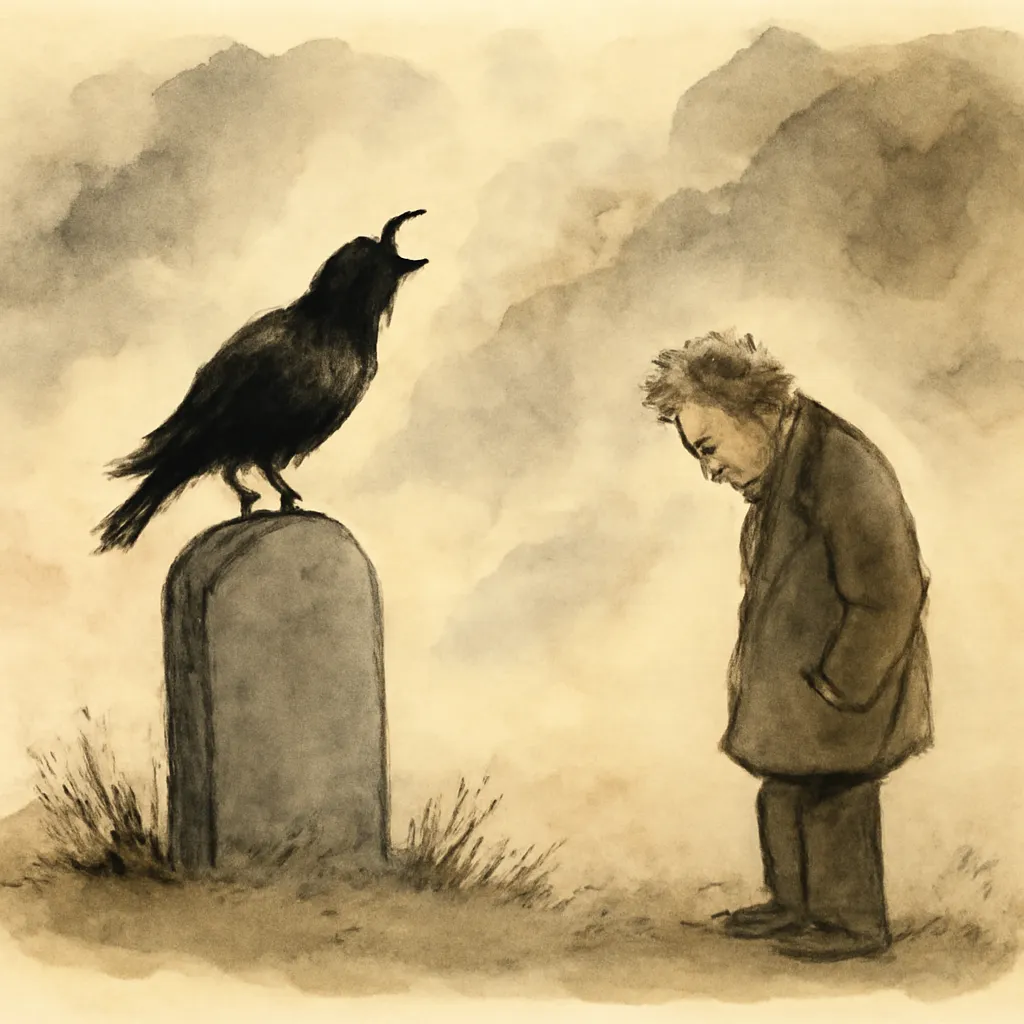
The themes of healing and redemption are woven throughout the narrative, particularly in the wake of tragedy. After the tragic death of Mike, Donald grapples with guilt and sorrow, reflecting on the fragility of life and the consequences of violence. This moment serves as a catalyst for Donald's emotional growth, prompting him to seek redemption through acts of kindness and compassion. The narrative illustrates how healing can emerge from tragedy, as characters come together to support one another in the face of loss. Robinson emphasizes the power of community in the healing process, showcasing how shared grief can forge deeper connections among individuals. This theme of redemption resonates with readers, highlighting the potential for personal growth in the aftermath of tragedy. Donald’s journey toward redemption is marked by his efforts to mend the bonds strained by conflict, illustrating the capacity for renewal and the importance of compassion in the healing process.
10.The Journey Toward Maturity
Ultimately, 'Smiles: A Rose of the Cumberlands' is a coming-of-age story that captures the journey toward maturity for both Donald and Smiles. As they navigate the complexities of love, identity, and community, they each undergo significant personal growth. Donald learns to embrace his emotions and confront societal expectations, while Smiles evolves from a child into a more self-aware young woman. This journey is marked by moments of joy, pain, and self-discovery, underscoring the theme that maturity is not a destination but an ongoing process. Robinson crafts a narrative that resonates with readers of all ages, reminding us that the journey toward maturity is filled with challenges and triumphs that ultimately shape who we become. The culmination of their experiences highlights that maturity often comes through the crucible of life’s experiences, emphasizing the importance of resilience and the continuous evolution of self.