1.The Metaverse: Virtual Reality as Society
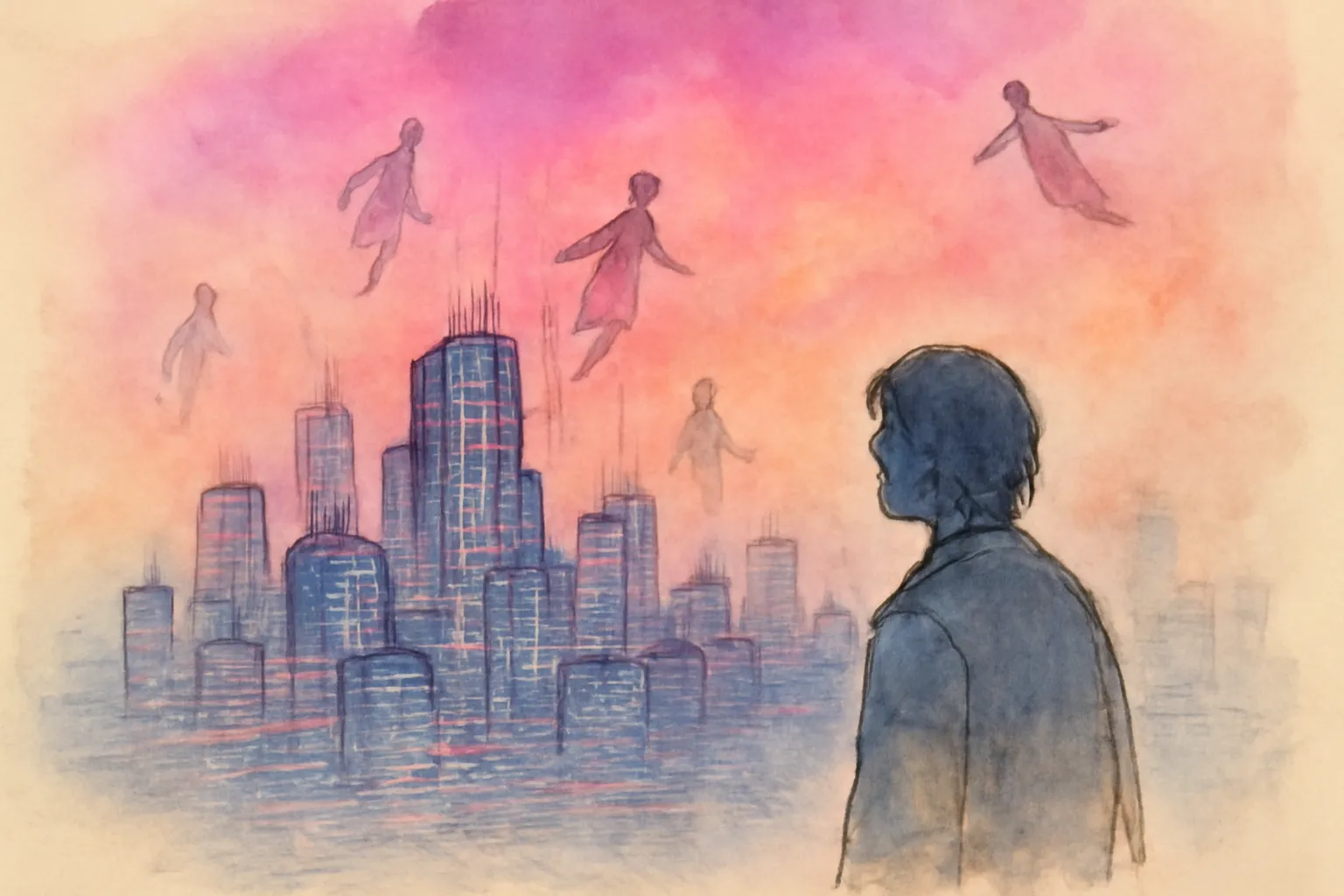
Snow Crash is renowned for its early and influential depiction of the Metaverse—a fully immersive, shared virtual reality. Stephenson envisions a world where digital spaces are as meaningful as physical ones, foreshadowing today’s conversations about online identity, social networks, and the future of the internet. The Metaverse isn’t just a backdrop; it’s a battleground for information, commerce, and even spiritual warfare, reflecting the increasing entanglement of technology with daily life.
2.Language as Virus and Power
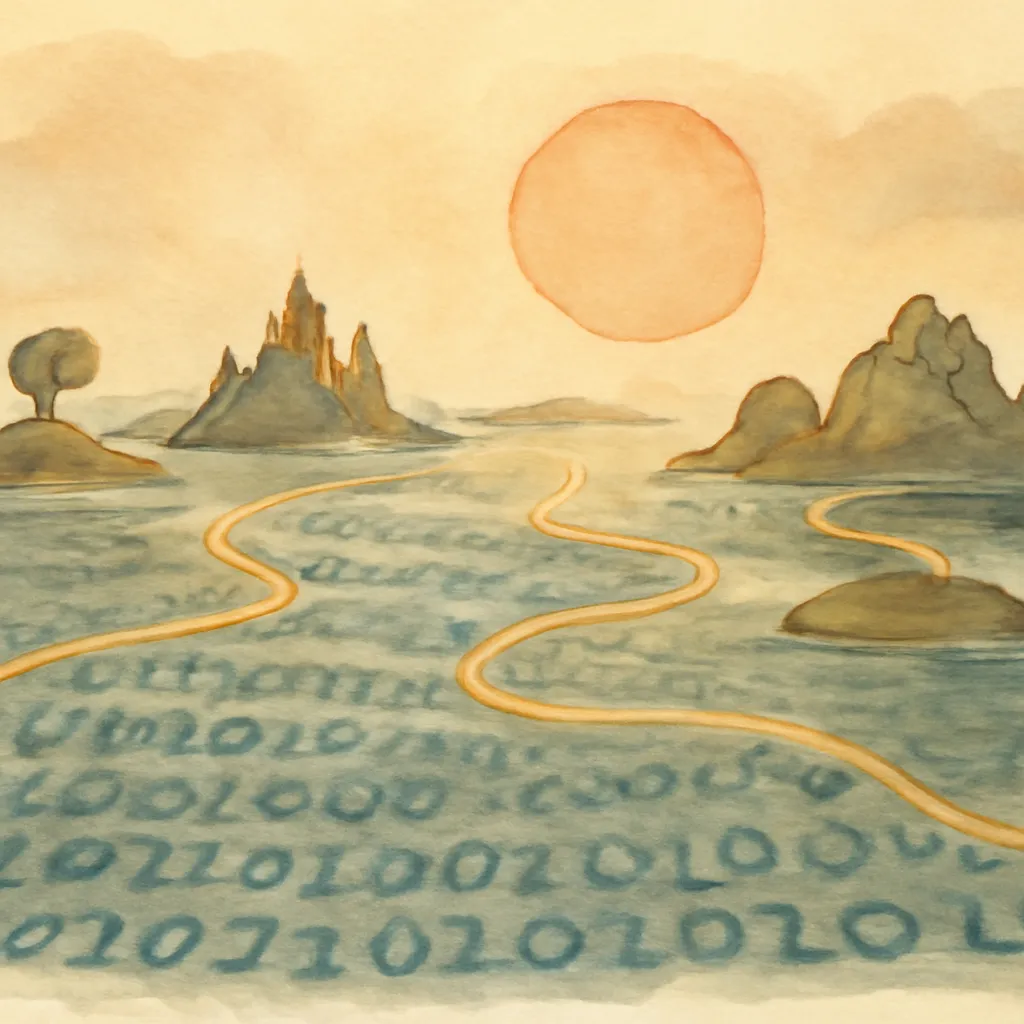
Central to the novel is the provocative idea that language can function like a virus, capable of infecting minds and altering reality. Stephenson draws on linguistics, Sumerian myth, and computer science to suggest that programming languages and spoken words alike can be tools of control—or liberation. This theme challenges readers to consider how information, memes, and even code can shape societies and individuals at the deepest levels.
3.Corporate Feudalism and Social Fragmentation
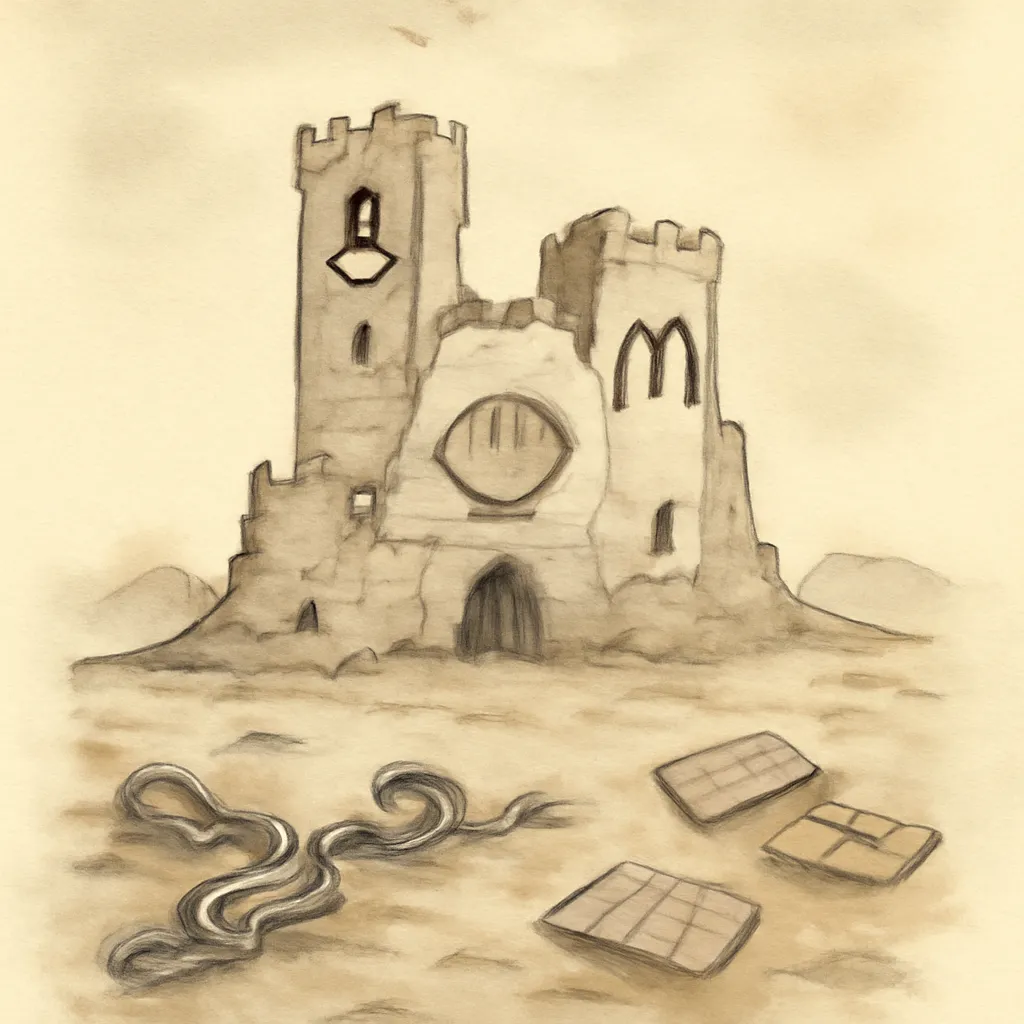
The world of Snow Crash is fractured into corporate city-states and franchised territories, with traditional governments largely irrelevant. Stephenson satirizes and extrapolates the rise of privatization, showing a future where loyalty is to brands, not nations, and where economic power replaces political authority. This vision is both darkly comic and eerily prescient, raising questions about the direction of modern capitalism and social cohesion.
4.Hacker Heroism and Individual Agency
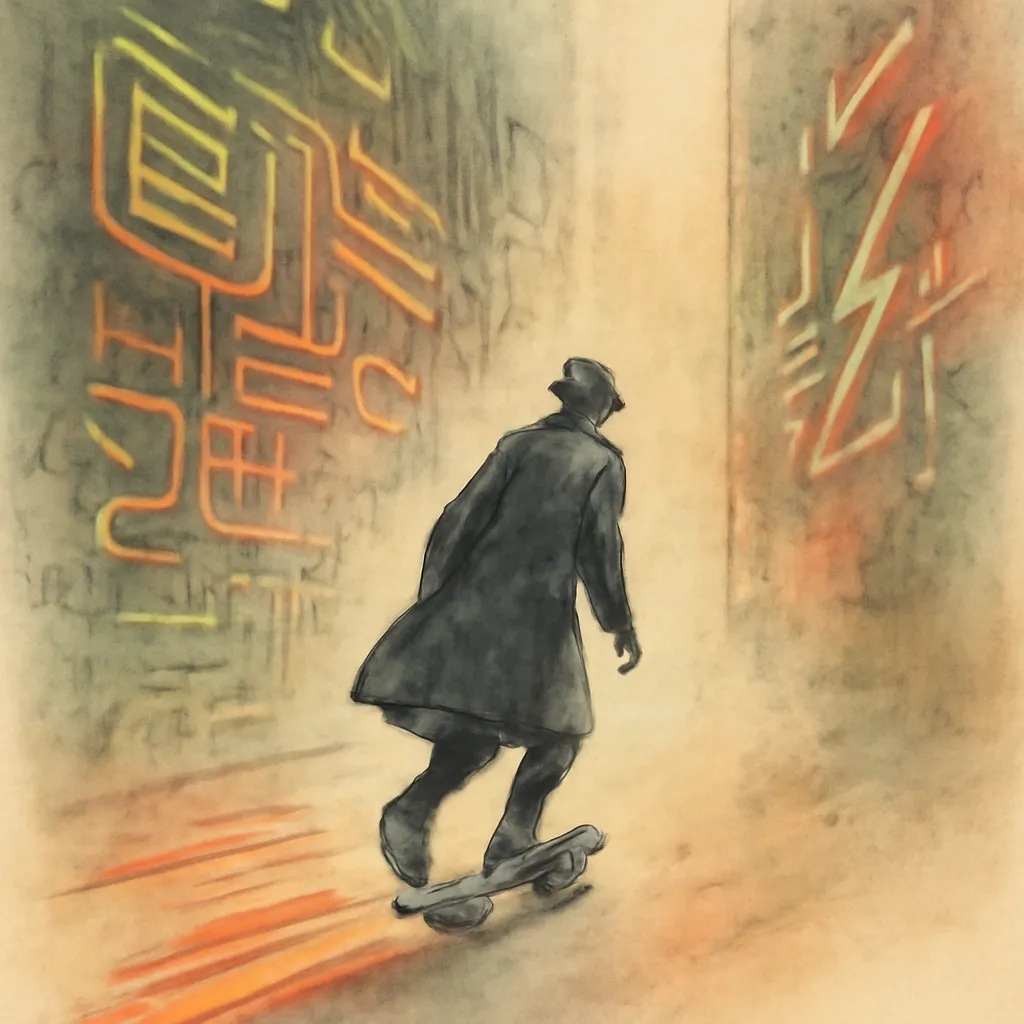
Protagonist Hiro Protagonist embodies the archetype of the hacker as hero—resourceful, skeptical, and fiercely independent. Through Hiro and his skateboarding ally YT, Stephenson explores the capacity of individuals to resist and reshape systems, even in a world dominated by powerful institutions. The novel celebrates ingenuity and subversion, suggesting that agency remains possible even in the most controlled environments.
5.Satire and Hyperreality
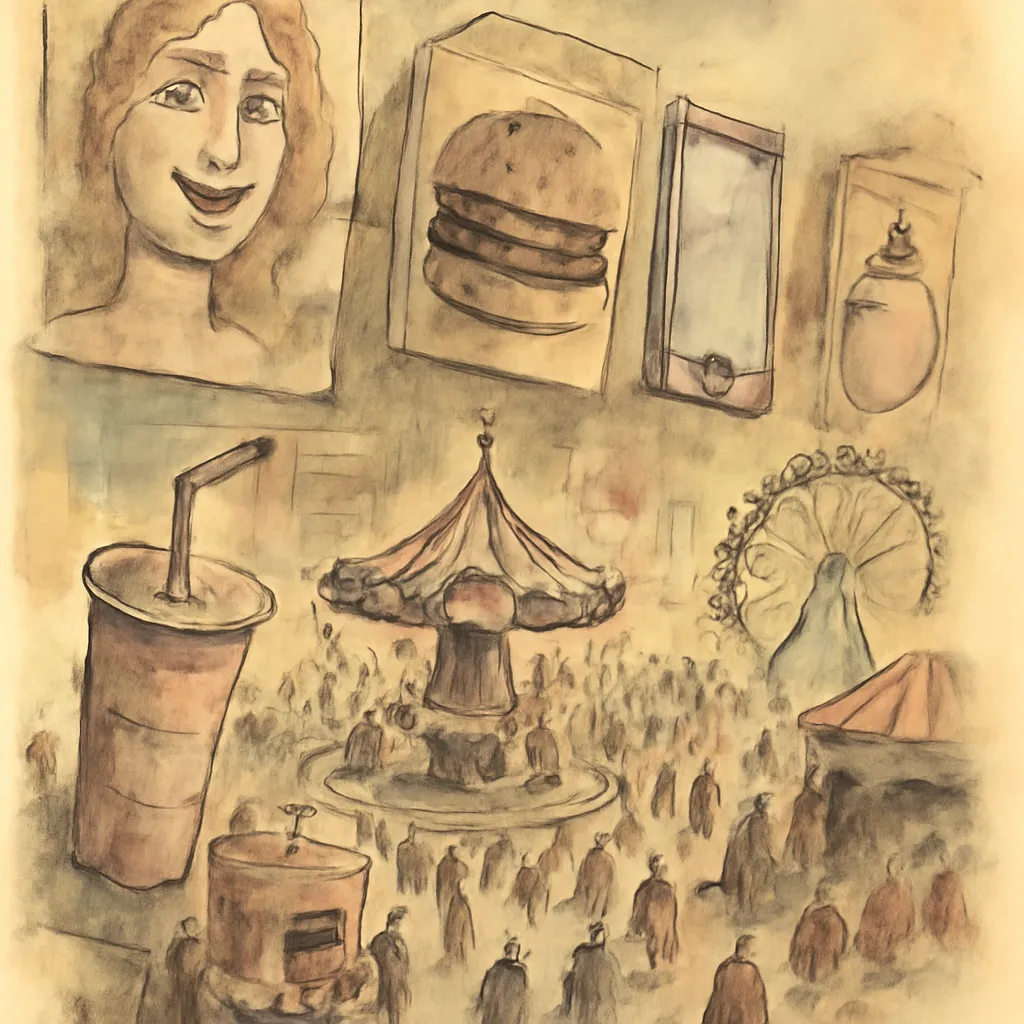
Snow Crash is as much a biting satire as it is a thriller. Stephenson exaggerates trends in technology, business, and culture to absurd extremes, creating a world that is both hilarious and unsettling. The novel’s hyperactive style and relentless pace mirror the sensory overload of modern media, inviting readers to question what’s real and what’s spectacle.
6.Myth, Religion, and Technology
By weaving ancient Sumerian myth and biblical references into a futuristic setting, Stephenson blurs the boundaries between old and new, sacred and profane. The plot’s central conspiracy connects ancient language to modern computer viruses, suggesting that the deepest human drives—belief, storytelling, the search for meaning—persist even as technology transforms the world.