1.The Nature of Social Life
Human beings are inherently social creatures, as evidenced by the fact that no society can exist without interpersonal relationships. Rowe emphasizes that even the hermit lifestyle is an anomaly; sociability is ingrained in human nature. Each individual possesses a unique personality, yet this identity is formed and influenced through interactions with others and the environment. The book illustrates that while personal interests drive individual behavior, these interests are often constrained by social relations. The individual learns through experience that they cannot function in isolation; their impulses, feelings, and ideas are shaped by the relationships they maintain with other people and their surroundings. This dynamic interplay between the individual and the collective is fundamental to understanding social organization and development.
2.Defining Sociology's Scope
Sociology is the study of social life, encompassing its origins, developments, and future trajectories. Rowe asserts that sociology should focus on the everyday experiences of individuals within various communities, especially civilized ones. The subject matter of sociology is derived from the normal life of men, women, and children at different stages of societal progress. Rowe believes that sociological study should aim to uncover the active principles that govern social life, revealing the essential meanings behind human interactions. By grounding sociological inquiry in concrete observations, Rowe argues that students can better understand the principles that guide social phenomena and avoid getting lost in vague abstractions. This focus on concrete examples enriches the discipline and fosters a deeper connection between theoretical constructs and real-world applications.
3.Temporary Groups and Their Impact
Rowe points out that social life is not solely comprised of permanent groups; temporary unorganized associations play a crucial role as well. These groups can range from casual gatherings to large mass meetings, and they often act on impulse rather than established norms. For instance, consider a working man on a holiday without plans. His instinct to seek companionship leads him to the streets, where he may encounter friends and form spontaneous social connections. This illustrates how social interactions can emerge from individual desires and external stimuli, demonstrating the fluidity of social life and the importance of context in shaping group dynamics. These temporary associations, though fleeting, are significant as they highlight the immediate social needs of individuals and demonstrate the flexibility of human relationships in adapting to changing environments.
4.The Family as a Fundamental Unit
The family is the simplest organized group and serves as a vital foundation for understanding social life. Rowe argues that family interactions encapsulate many aspects of social activity, making it a natural focus for sociological study. The family not only reflects individual relationships but also influences broader social institutions like property, law, and government. By examining the family, one can trace the historical roots of these institutions and understand their evolution. Rowe claims that out of the family have developed such institutions as property, law, and government, which play significant roles in maintaining societal order. The family’s role in society is pivotal; it nurtures individuals and prepares them for future participation in the larger community. This deep connection between familial dynamics and societal structures emphasizes the necessity of understanding both in tandem for a holistic view of human social behavior.
5.Economic Functions of the Family
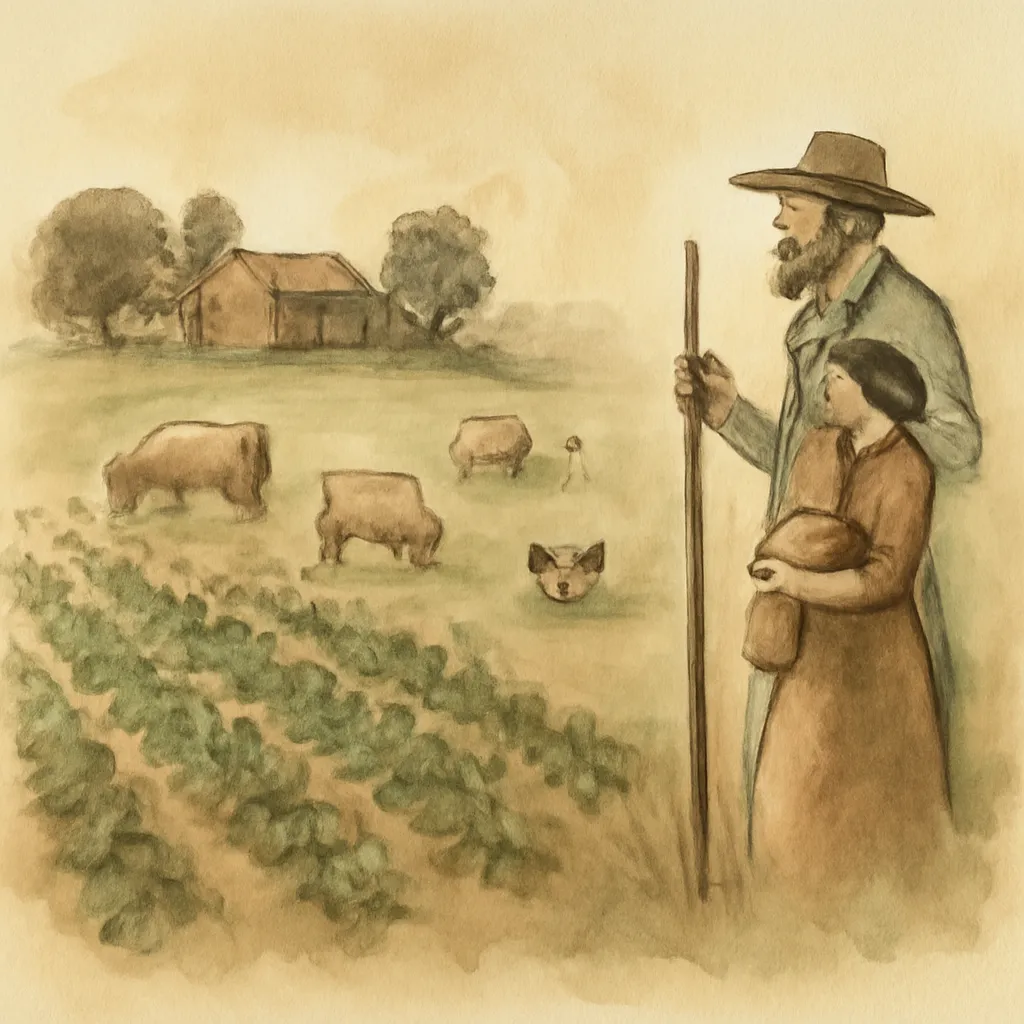
Rowe elaborates on the dual role of the family, emphasizing its economic function alongside its domestic responsibilities. The family unit is responsible for meeting basic economic needs such as food, clothing, and shelter. In earlier times, families were largely self-sufficient, producing their necessities through agriculture or foraging. The book highlights that the family on the farm serves as a microcosm of larger economic principles, illustrating essential concepts related to production, distribution, and consumption. As society evolved, so did the economic roles within families. Rowe points out that the shift from agrarian economies to industrial ones has led to changes in how families operate, often resulting in greater interdependence among family members. Understanding these economic dynamics is essential for recognizing how families adapt to changing societal conditions and how they contribute to the broader economic landscape, influencing labor markets and community structures.
6.Child Development and Responsibilities
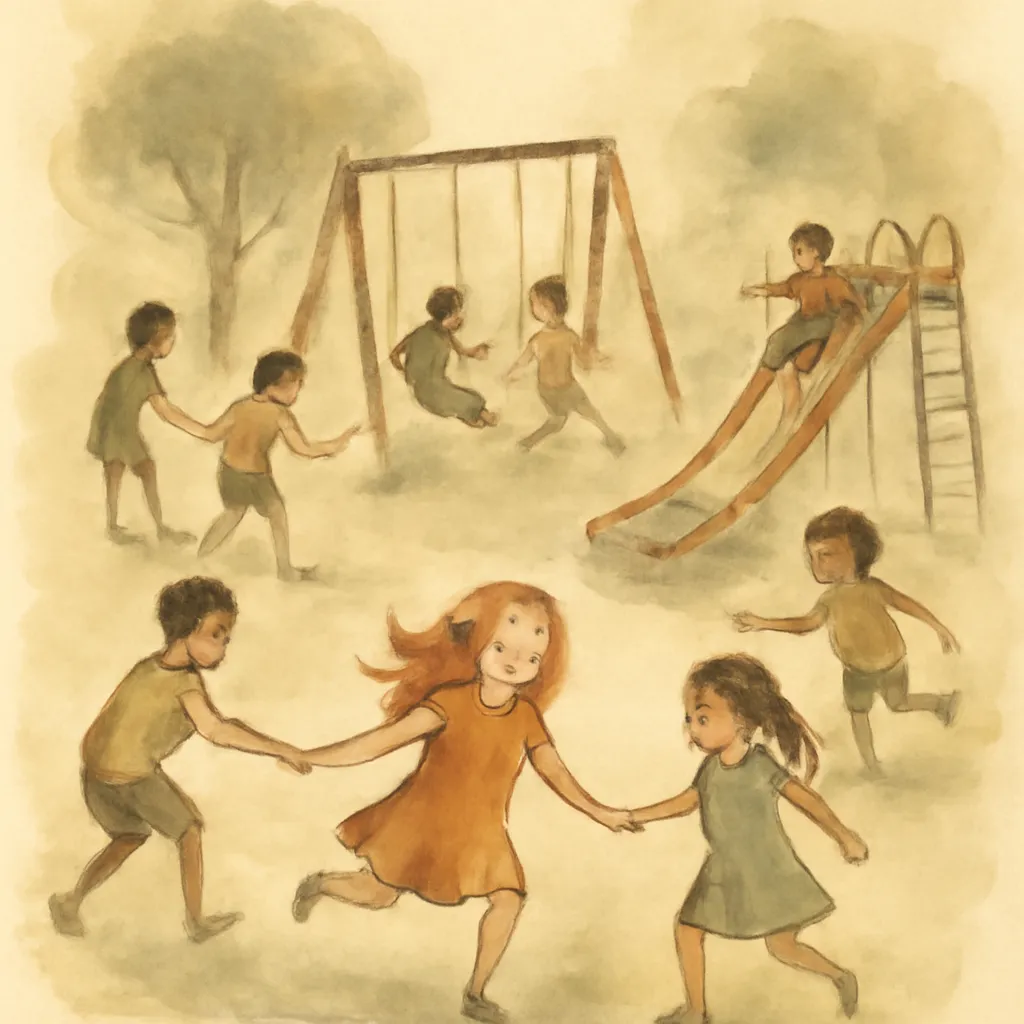
Children are central to the family unit, and Rowe highlights their importance in completing the family structure. The presence of children enriches the home and drives parents to strive for better living conditions. However, the rights of children must also be acknowledged, particularly the right to be well-born and to enjoy a nurturing environment. Rowe argues that child welfare is crucial for the future of society, as children represent the next generation of citizens. He emphasizes that the needs of children stimulate parents to unselfish endeavor, thereby reinforcing the family's role as a nurturing institution. As society progresses, the challenges faced by families, such as declining birth rates and the impact of child labor, reveal the need for reforms that prioritize children's welfare. This focus on children underscores the family's role in shaping future generations and societal health, advocating for a balanced approach that considers both parental responsibilities and children's rights.
7.Social Changes and Family Dynamics

Rowe notes that the family is currently undergoing significant changes due to industrialization and urbanization. The transition from rural to urban living has altered family structures and dynamics, leading to increased economic interdependence and diminished autonomy. These shifts create challenges for family cohesion, as members often seek opportunities outside the home. The rise of individualism and changing gender roles further complicate traditional family dynamics, leading to issues such as divorce and family fragmentation. Rowe cites statistical increases in divorce rates as indicative of the pressures modern families face. Understanding these changes is crucial for addressing the challenges facing modern families and developing effective social policies that promote stability and support. The evolving definition of family, including variations in structure, roles, and functions, illustrates the need for a comprehensive understanding of family dynamics in contemporary society.
8.The Role of Education in Socialization
Education serves as a critical institution for socialization, bridging the gap between home life and community engagement. Rowe emphasizes that schools are not merely places for academic learning; they are social institutions that prepare children for participation in society. Through education, children learn to navigate social relationships, understand community dynamics, and develop essential skills for adulthood. The school environment offers a platform for diverse interactions, allowing children to engage with peers from various backgrounds and experiences. Rowe argues that the effectiveness of education in achieving these goals depends on its ability to adapt to the needs of the community and the changing societal landscape. By fostering a sense of social responsibility and cultural awareness, schools can contribute to the development of engaged and informed citizens, ultimately enhancing community cohesion and resilience.
9.Community and Its Social Functions
Rowe explores the concept of community as a vital social structure that extends beyond the family. Communities serve multiple functions, including economic, recreational, and cultural roles. They provide a space for social interactions, fostering relationships among individuals and groups. The community acts as a support system, helping to address collective needs and challenges. A well-functioning community is vital for individual well-being and societal stability. However, as communities evolve, they must adapt to the changing demands of society, such as urbanization and technological advancements. Rowe highlights that communities are not static; they are dynamic and continuously influenced by external and internal factors. Understanding the dynamics of community life is essential for promoting social cohesion and addressing the issues that arise from modern living, such as isolation and disconnection among individuals.
10.The Importance of Recreation and Culture
Recreation plays a significant role in community life, providing opportunities for socialization and cultural enrichment. Rowe argues that communities must recognize the need for recreational spaces and activities to engage residents, particularly the youth. These opportunities foster social bonds and enhance the quality of life in the community. Recreation also serves to develop social skills and promote a sense of belonging among community members. Additionally, cultural institutions such as libraries, theaters, and community centers contribute to the social fabric by promoting shared experiences and values. A well-rounded community not only focuses on economic productivity but also prioritizes the cultural and recreational needs of its members, as these elements are crucial for holistic development and social well-being.