1.The Spectacle as Social Relation
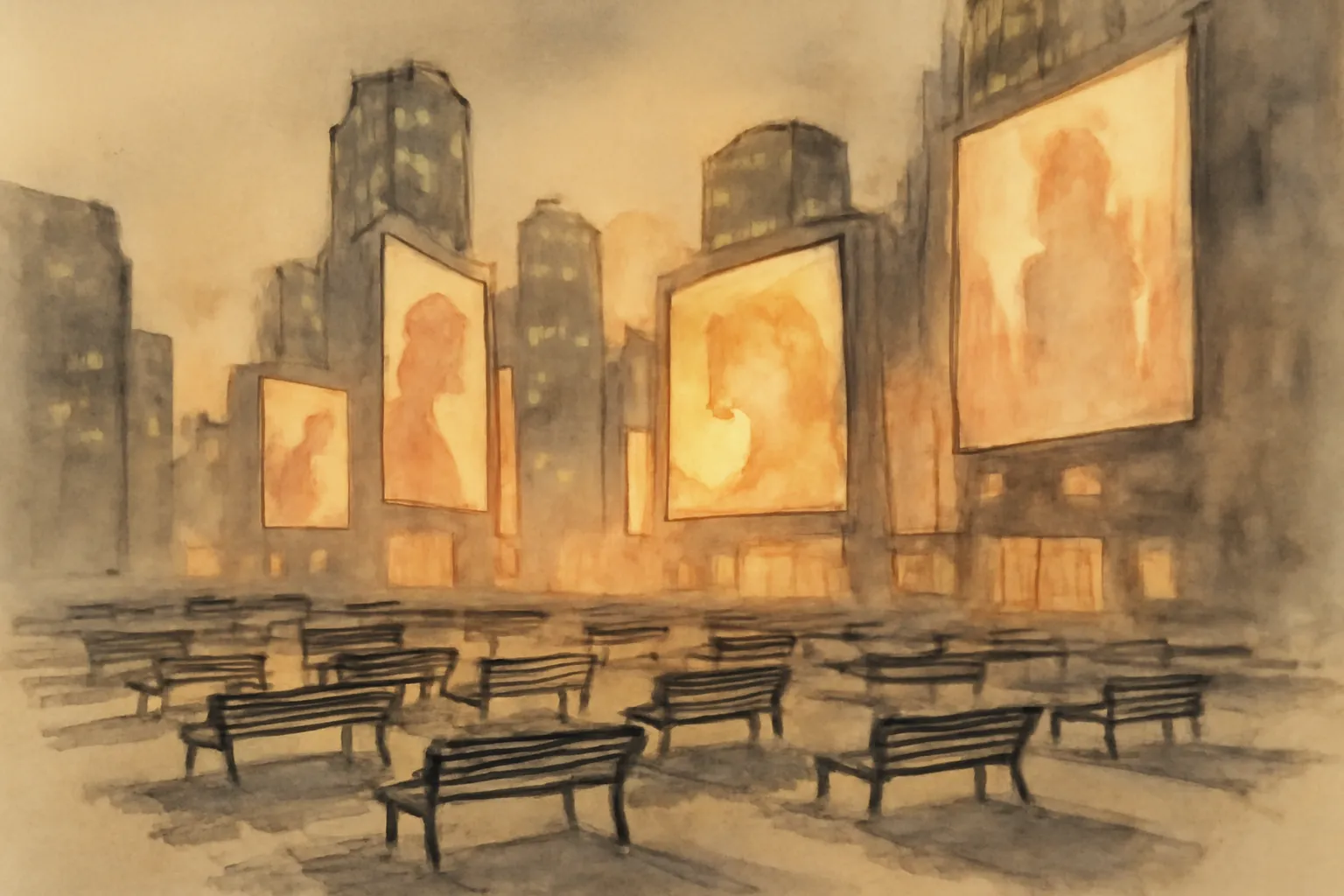
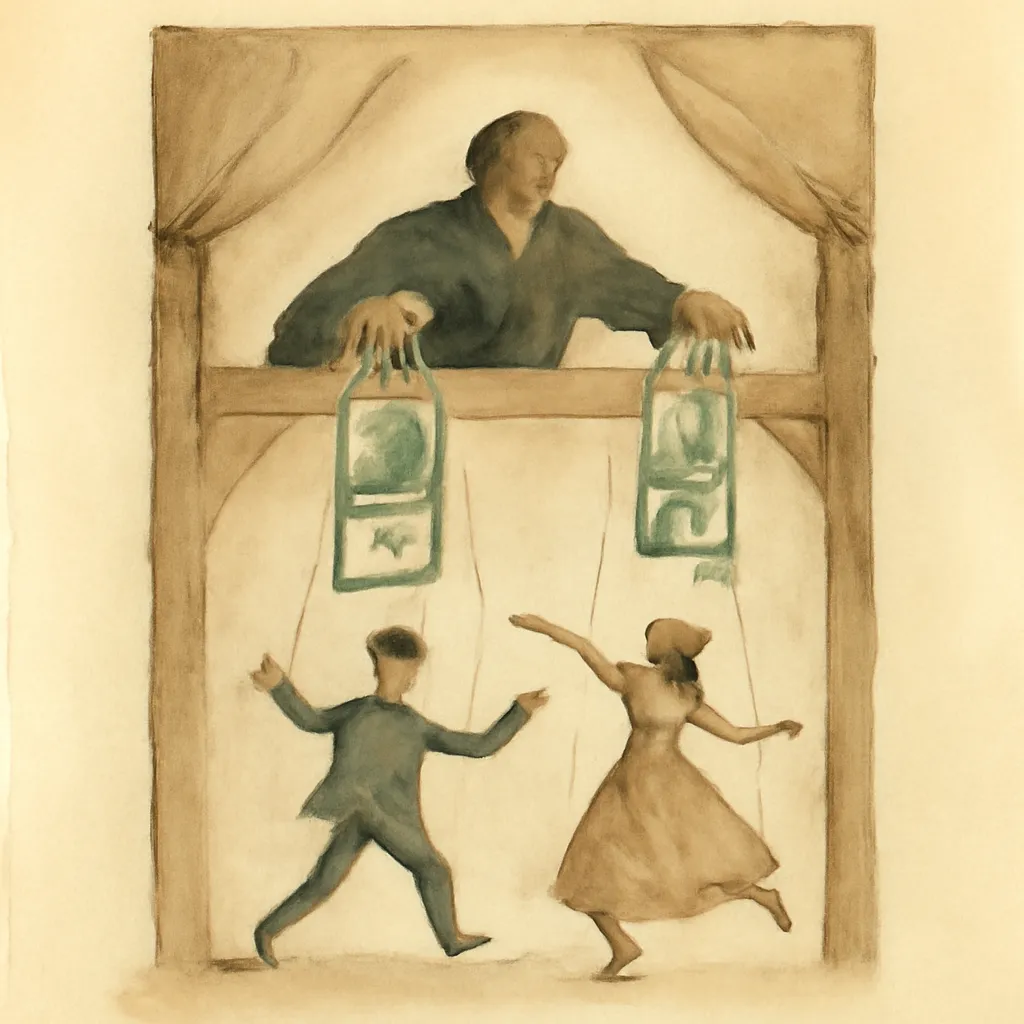
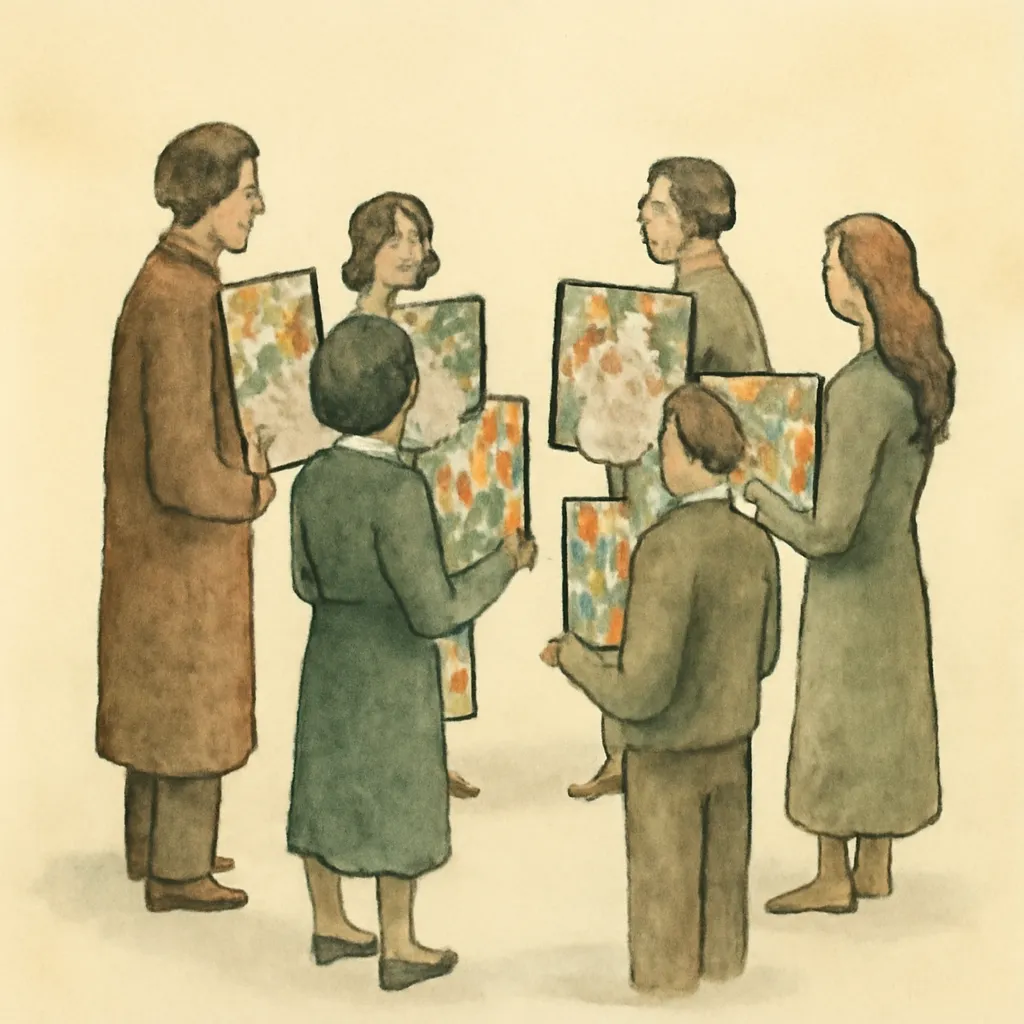
Debord defines the 'spectacle' as not just images or media, but as a social relationship mediated by images. In modern capitalist societies, direct human interactions are replaced by representations: we relate to each other, and to reality, through images, advertising, and media narratives. This process alienates individuals from authentic experience and from each other, as the spectacle becomes the dominant mode of social life.
2.Commodification of Experience
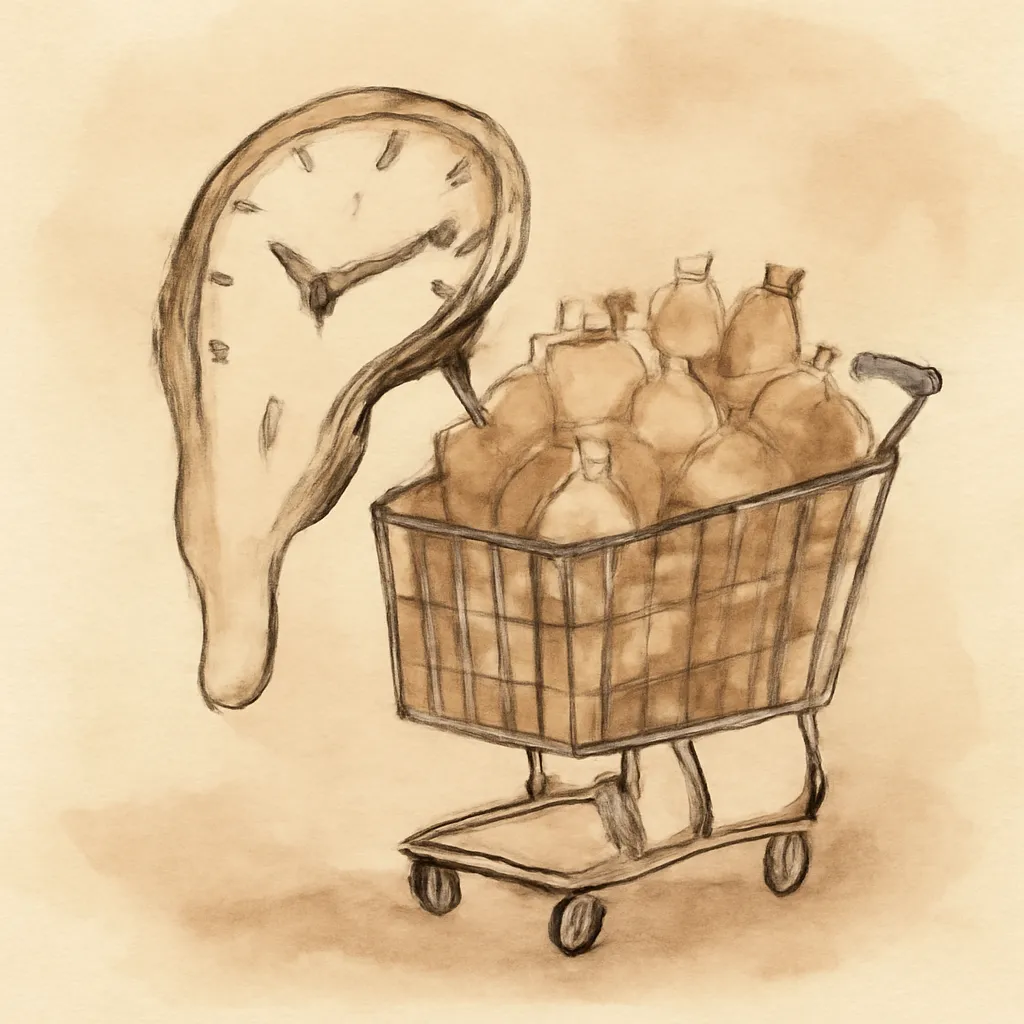
Society of the Spectacle argues that under capitalism, everything—including time, relationships, and even desires—is commodified. The spectacle is both a product and a tool of this commodification: it turns life itself into something to be bought, sold, and consumed, rather than lived directly. This leads to a sense of emptiness and dissatisfaction, as genuine experience is replaced by its packaged image.
3.Passive Consumption and Alienation
Debord claims that the spectacle encourages passivity. People become spectators rather than active participants in their own lives, consuming images and narratives crafted by others. This passivity deepens alienation—not just from work or production, but from one’s own desires and agency. The spectacle thus perpetuates its own dominance by keeping people disengaged.
4.Media as the Engine of the Spectacle
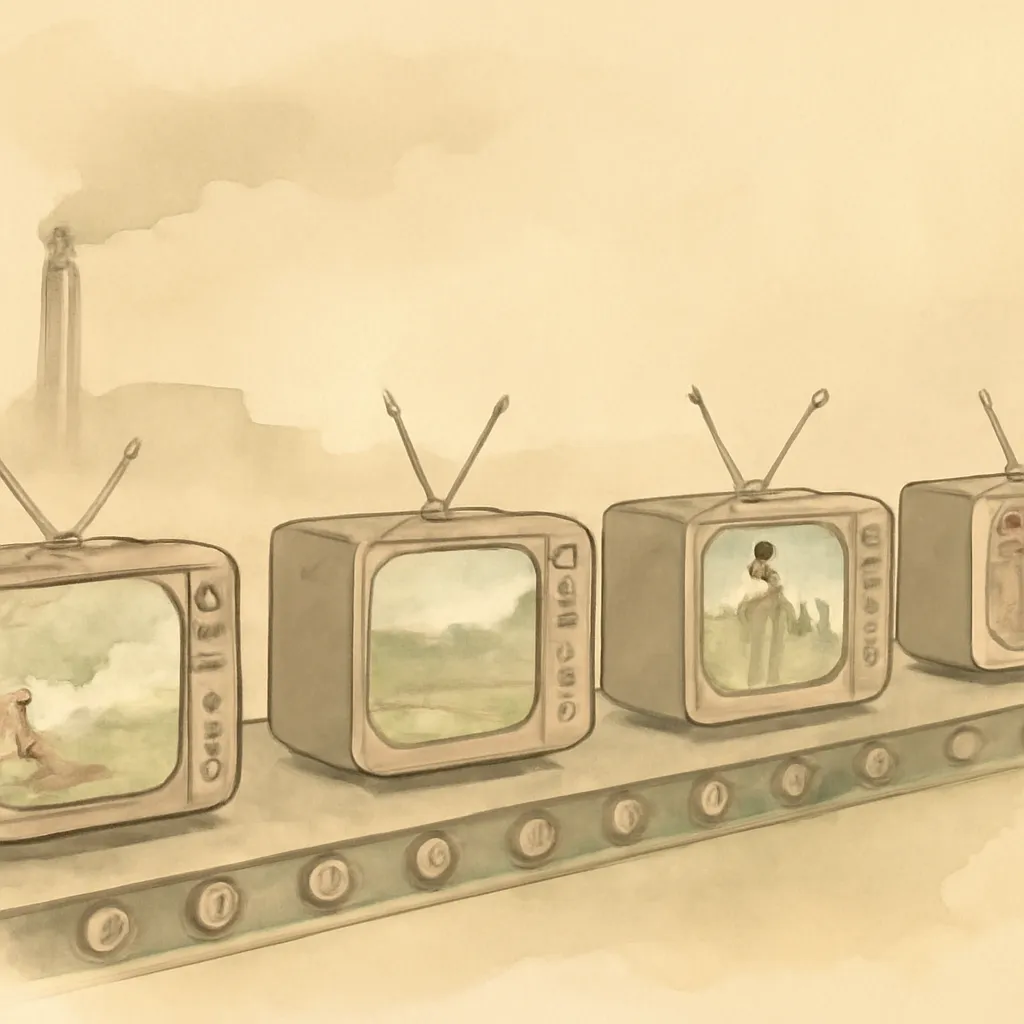
Mass media is central to the spectacle’s operation. Television, advertising, film, and now digital platforms serve as the machinery that produces and disseminates the spectacle, shaping perceptions and desires. Debord’s insight is that media doesn’t just report on reality; it constructs the reality we experience, blurring the line between truth and representation.
5.The Spectacle and Power
Debord connects the spectacle to political power, arguing that it serves the interests of those who control capital and media. The spectacle distracts, pacifies, and fragments society, making collective action and authentic democracy more difficult. The spectacle is thus not neutral; it is a tool for maintaining existing hierarchies.
6.Possibility of Resistance
Despite its pervasiveness, Debord suggests that the spectacle can be resisted. By recognizing how images mediate our lives, individuals and groups can seek to reclaim authentic experience and direct social relations. This requires critical awareness and collective action, aiming to disrupt the spectacle’s hold on perception and society.