

Social psychology · Proletariat · Social classes
Society of the Spectacle by Guy Debord — Summary, Key Ideas & Quotes
198896 pages✦ 3-min Big ideas★ 5.0 (1)
Rate it
Presents an update to "Society of the Spectacle" that offers insights into the phenomenon of the spectacle, which is the use of mass media, consumerism, capitalism, and political systems to create a world distorted from reality.
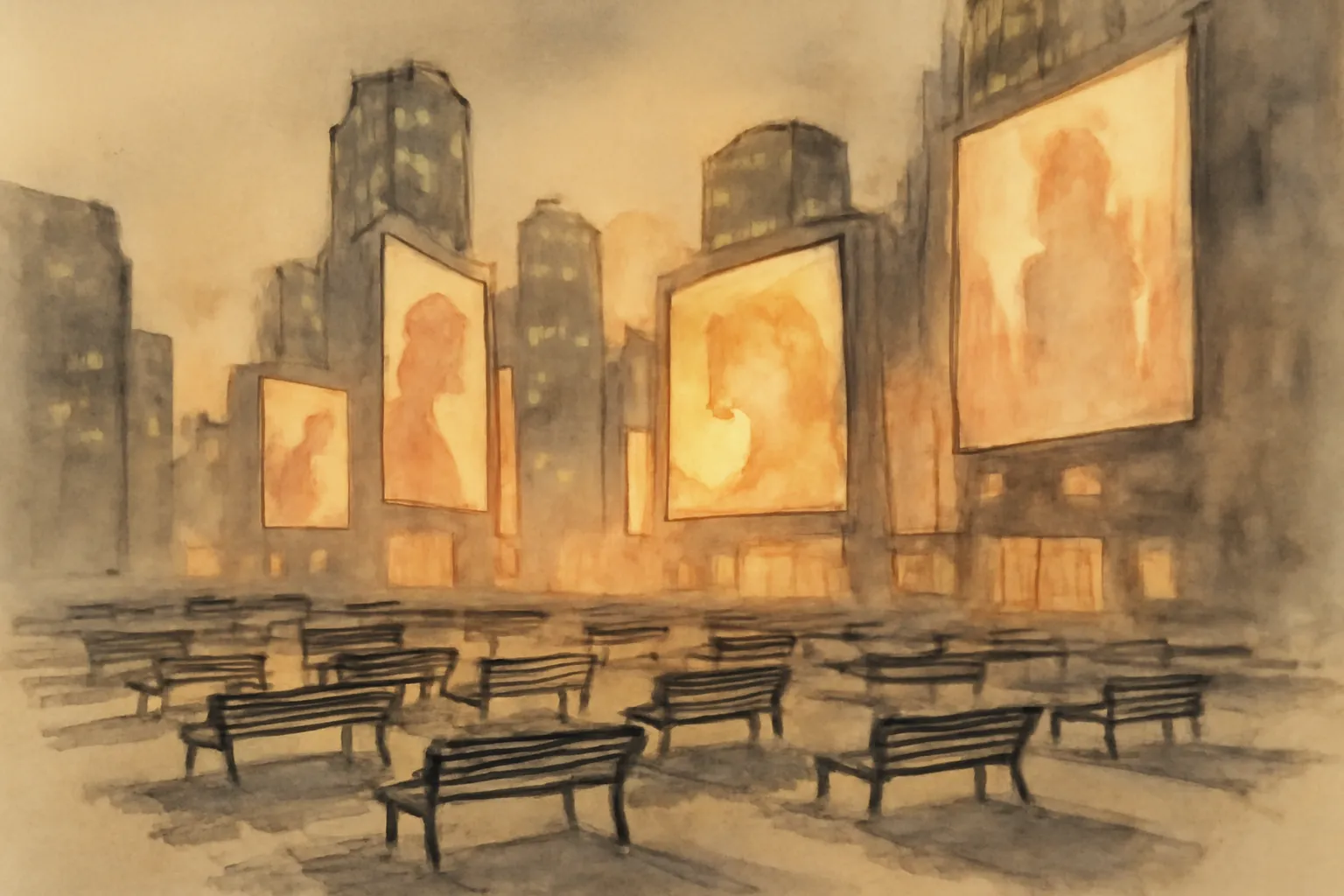
Debord defines the 'spectacle' as not just images or media, but as a social relationship mediated by images. In modern capitalist societies, direct human interactions are replaced by representations: we relate to each other, and to reality, through images, advertising, and media narratives. This process alienates individuals from authentic experience and from each other, as the spectacle becomes the dominant mode of social life.
Society of the Spectacle argues that under capitalism, everything—including time, relationships, and even desires—is commodified. The spectacle is both a product and a tool of this commodification: it turns life itself into something to be bought, sold, and consumed, rather than lived directly. This leads to a sense of emptiness and dissatisfaction, as genuine experience is replaced by its packaged image.
“In societies where modern conditions of production prevail, all of life presents itself as an immense accumulation of spectacles.”
“The spectacle is not a collection of images, but a social relation among people, mediated by images.”
“The spectacle is capital to such a degree of accumulation that it becomes an image.”