1.The Apostolic Period: Foundations of Early Belief
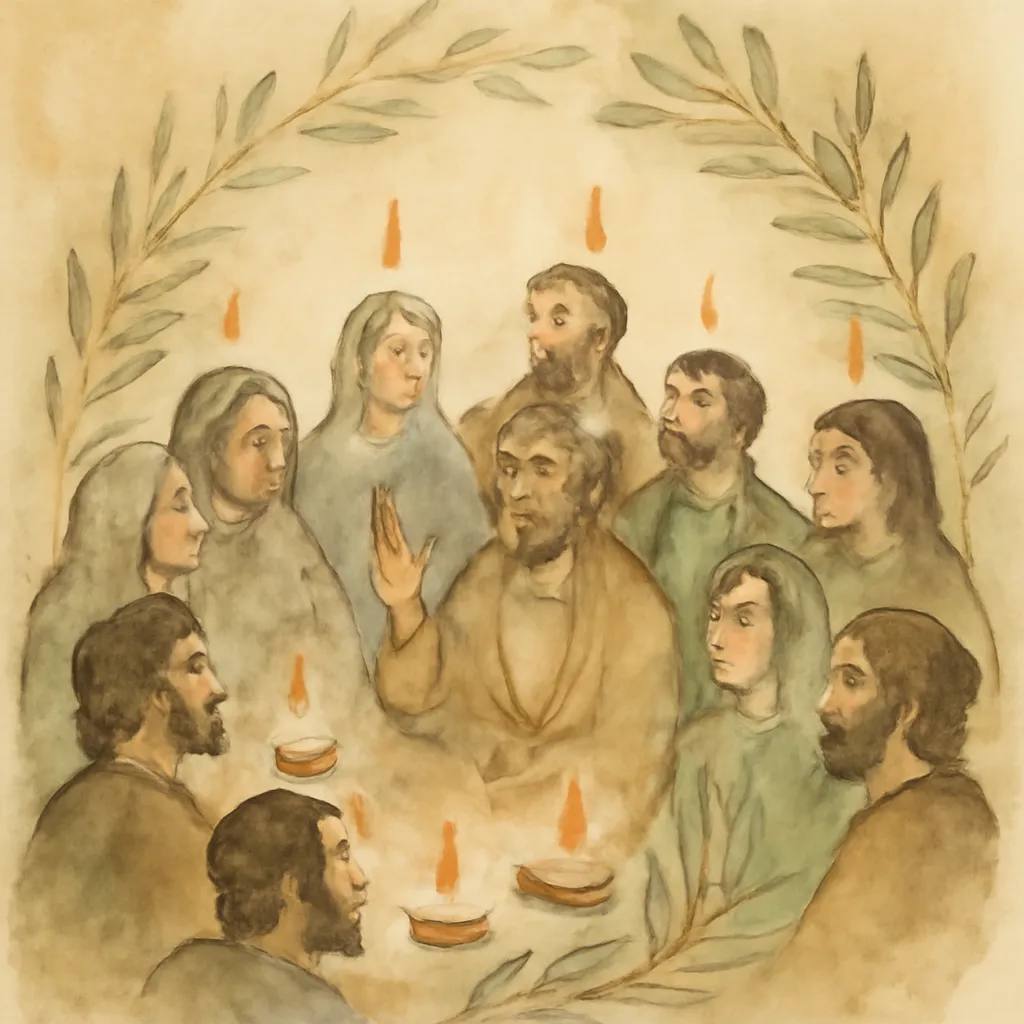
The Apostolic Period began with the Day of Pentecost, marking a vibrant outpouring of faith among the early disciples, predominantly Jews. Bernstein illustrates that this era was characterized by explosive growth in the number of Jewish believers, starting with approximately three thousand converts following St. Peter's sermon. This period also witnessed the conversion of priests, a significant indicator of the Gospel's impact on Jewish leadership. However, historical texts such as the Acts of the Apostles primarily highlight collective movements rather than individual narratives of conversion. Notably, the early church faced persecution, and the struggles of Jewish Christians during this time are largely undocumented. Bernstein expresses a longing for more personal accounts from this period, suggesting that knowing the sufferings and triumphs of these early converts would enrich our understanding of their faith journey. The emphasis on communal growth over individual experiences raises questions about the early church's motivations and the challenges Jewish converts faced in a predominantly hostile environment.
2.Sub-Apostolic Period: The Emergence of Church Fathers and Their Impact

As Christianity began to take root, the Sub-Apostolic or Patristic Period saw the rise of influential Jewish converts who would shape early Christian theology. Figures such as Epiphanius and Hegesippus emerged, providing crucial insights into both Christian doctrine and the heresies that challenged the church. Bernstein brings to light Joseph of Tiberias, a former Sanhedrin member who, after encountering Christianity, faced brutal persecution yet became a prominent figure in the spread of the faith. His story illustrates the complexities of conversion during this tumultuous time—navigating personal belief against societal backlash. The narrative of Hillel's secret baptism at his deathbed further underscores the internal struggles and hidden faith that characterized many Jewish converts. Bernstein emphasizes that these figures did not merely convert but engaged deeply with theological questions, contributing to the intellectual heritage of both Judaism and Christianity. This period illustrates that Jewish converts played a vital role in shaping early Christian thought while contending with their rich cultural backgrounds.
3.The Talmud's Influence: Dialogue and Division
The publication of the Talmud in the 5th century CE marked a definitive moment in Jewish history, impacting the relationship between Jewish Christians and rabbinic authorities. Bernstein describes how this period saw an initial camaraderie between Jewish Christians and rabbinical scholars gradually erode as the Talmud became a central text of Jewish law and identity. The tension between the two groups was exacerbated by accusations of Jewish Christians abandoning their heritage during tumultuous political periods, particularly post-Temple destruction. Interestingly, Bernstein highlights moments of dialogue that persisted, where Jewish Christians contributed to rabbinical discussions, leading to a mutual exchange of ideas despite the growing divide. The humorous tale of R. Joshua ben Levi, who refrained from cursing a heretic even in a moment of provocation, serves as a microcosm of the tensions and possible reconciliations between the two communities. Bernstein's analysis points to the importance of recognizing these interactions, as they reflect the complexities of faith and identity during the formative years of both traditions.
4.Jewish Converts in the Eastern Church: Resilience and Renewal

The Eastern Church provided a unique context for Jewish converts. Bernstein introduces key figures like Aleksyeyev, who underwent a transformative journey from a reluctant convert to a prominent missionary among Jewish Cantonists. His narrative is compelling; initially resistant to Christian teachings, Aleksyeyev experienced a profound change that led him to convert and convert others, illustrating the power of personal transformation. Bernstein emphasizes that Aleksyeyev's writings on Jewish life and customs were groundbreaking, offering invaluable perspectives on the cultural nuances of Jewish communities in Eastern Europe. The story of Gregory Bar-Hebræus, who embraced Christianity and became a respected theologian, further underscores the intellectual contributions of Jewish converts in this period. Bernstein argues that these individuals not only transformed their own lives but also enriched the Christian tradition with their cultural and theological insights. Their stories serve as powerful testaments to the resilience of faith and the capacity for renewal amidst societal pressures.
5.The Western Church: Conflicts and Contributions

The relationship between Jewish communities and the Western Church has historically been fraught with challenges. Bernstein explores the pre-Reformation period, during which the Roman Catholic Church actively sought to convert Jews, often employing coercive methods that alienated many. The frequent disputations between Jewish scholars and Christian missionaries sometimes devolved into contentious debates that left deep mistrust. Bernstein sheds light on the consequences of these tactics, which led to superficial conversions and eventual expulsions of Jewish communities, particularly during events like the Spanish Inquisition. However, with the onset of the Reformation, there was a notable shift towards more genuine engagement. Bernstein points out that post-Reformation, the approaches became more focused on personal conviction rather than coercion. The emergence of voluntary conversions during this period allowed for a more authentic expression of faith among Jewish converts. By examining these dynamics, Bernstein reveals the complex interplay of faith, culture, and identity in shaping Jewish Christian relations in the Western tradition.
6.The Reformation's Enabling Environment for Conversion

The Reformation marked a significant turning point for Jewish converts, providing an environment conducive to exploring and embracing Christianity. Bernstein argues that the theological underpinnings of the Reformation—such as the emphasis on personal faith and the accessibility of Scriptures—created pathways for Jewish individuals to engage with Christian ideas without the barriers previously imposed by Catholic doctrine. This period saw Jewish converts integrating their cultural heritage into their new faith, enriching the Christian community with fresh perspectives. Bernstein recounts the story of Rabbi Abraham's interaction with Count Zinzendorf, where personal relationships played a pivotal role in fostering understanding and conversion. The experiences of converts during this time highlight the importance of community and dialogue in the conversion process. This new openness allowed for a profound exchange of beliefs, leading to a more diverse Christian faith that incorporated elements of Jewish heritage.
7.Cultural Exchange: Jewish Converts as Bridges
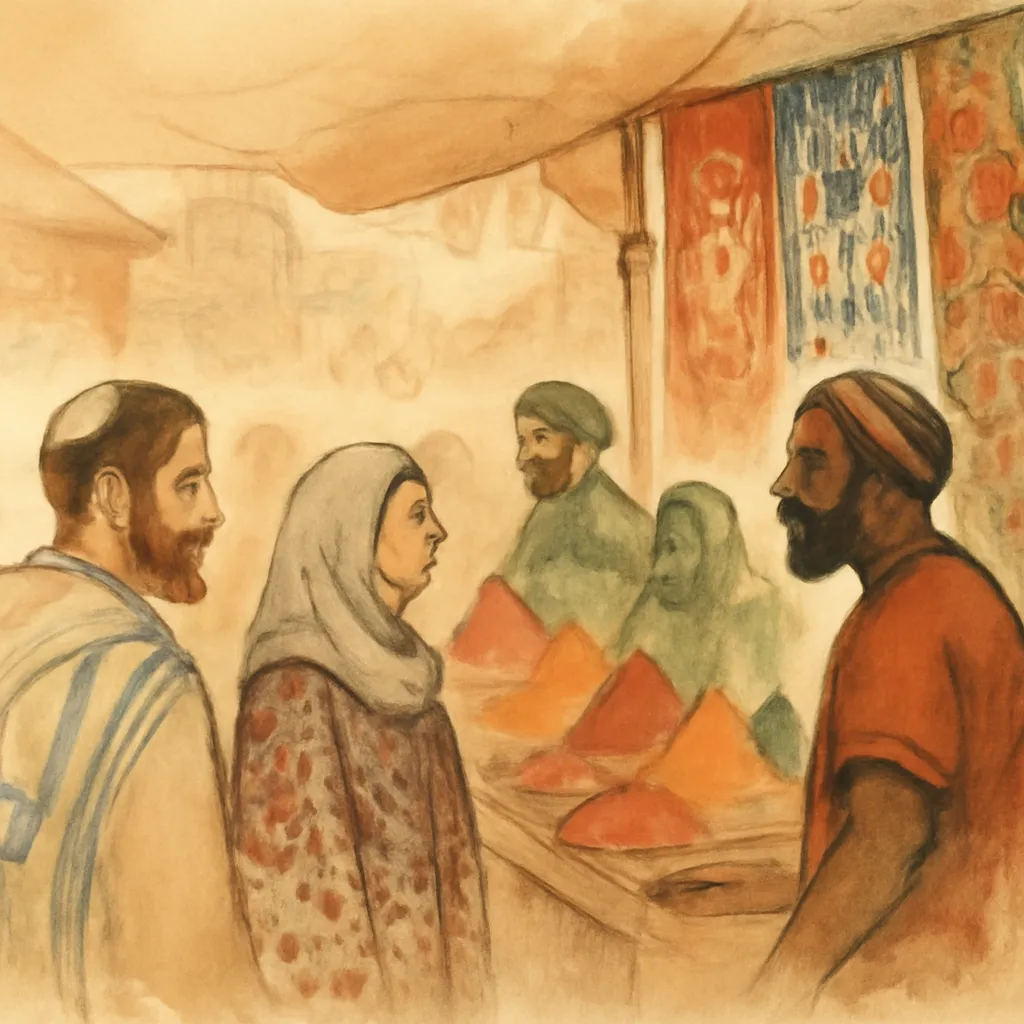
Jewish converts have historically served as bridges between two rich traditions, contributing significantly to cultural and theological dialogues. Bernstein emphasizes that many Jewish Christians did not abandon their heritage but instead enriched their new faith with their Jewish backgrounds. The intellectual contributions of converts, who often engaged with both Jewish and Christian texts, reflect a synthesis that challenges existing theological frameworks. For instance, converts like Aleksyeyev wrote extensively on Jewish customs and religious practices, helping to foster greater understanding between communities. Bernstein argues that recognizing these contributions is essential for appreciating the broader implications of faith and identity in a multicultural landscape. By examining the narratives of these converts, the book illustrates how their unique perspectives informed and enriched the Christian tradition while also preserving elements of their Jewish roots.
8.The Modern Jewish Christian Experience: Identity and Struggle

In contemporary times, Jewish Christians continue to navigate the complexities of their identities amidst societal challenges. Bernstein discusses the ongoing struggles faced by modern Jewish converts who often encounter skepticism from both Jewish and Christian communities. The internal conflicts can be profound, as these individuals grapple with familial connections and cultural heritage while embracing their faith. Bernstein highlights personal stories that illustrate the resilience of these individuals in maintaining their dual identities. Their experiences resonate with historical narratives, showcasing the persistent quest for acceptance and understanding. By exploring these modern accounts alongside historical contexts, Bernstein underscores the evolution of Jewish Christian identity and the enduring quest for belonging in an ever-changing world. This ongoing journey serves as a reminder of the complexities of faith, heritage, and community, emphasizing the need for dialogue and empathy in fostering understanding.
9.Theological Foundations: Arguments for Christ’s Messiahship

At the heart of many Jewish conversions are the theological arguments that affirm Jesus as the Messiah. Bernstein outlines the various interpretations of Messianic prophecies found in Hebrew Scriptures, which have been pivotal in the conversion process for many Jewish believers. By engaging deeply with texts like Isaiah and the Psalms, Jewish Christians have articulated their beliefs, drawing connections between the prophetic writings and the life and teachings of Jesus. Bernstein emphasizes that these theological discussions are not merely academic; they reflect deeply personal journeys of faith and transformation. By examining how these arguments played a role in individual conversions, the book invites readers to consider the broader implications of belief in the quest for truth that transcends cultural boundaries. The theological depth presented by these Jewish witnesses enriches the understanding of Christianity's roots and its relationship with Judaism, showcasing how faith can inspire profound personal and communal change.