1.The Allure and Danger of Wishes
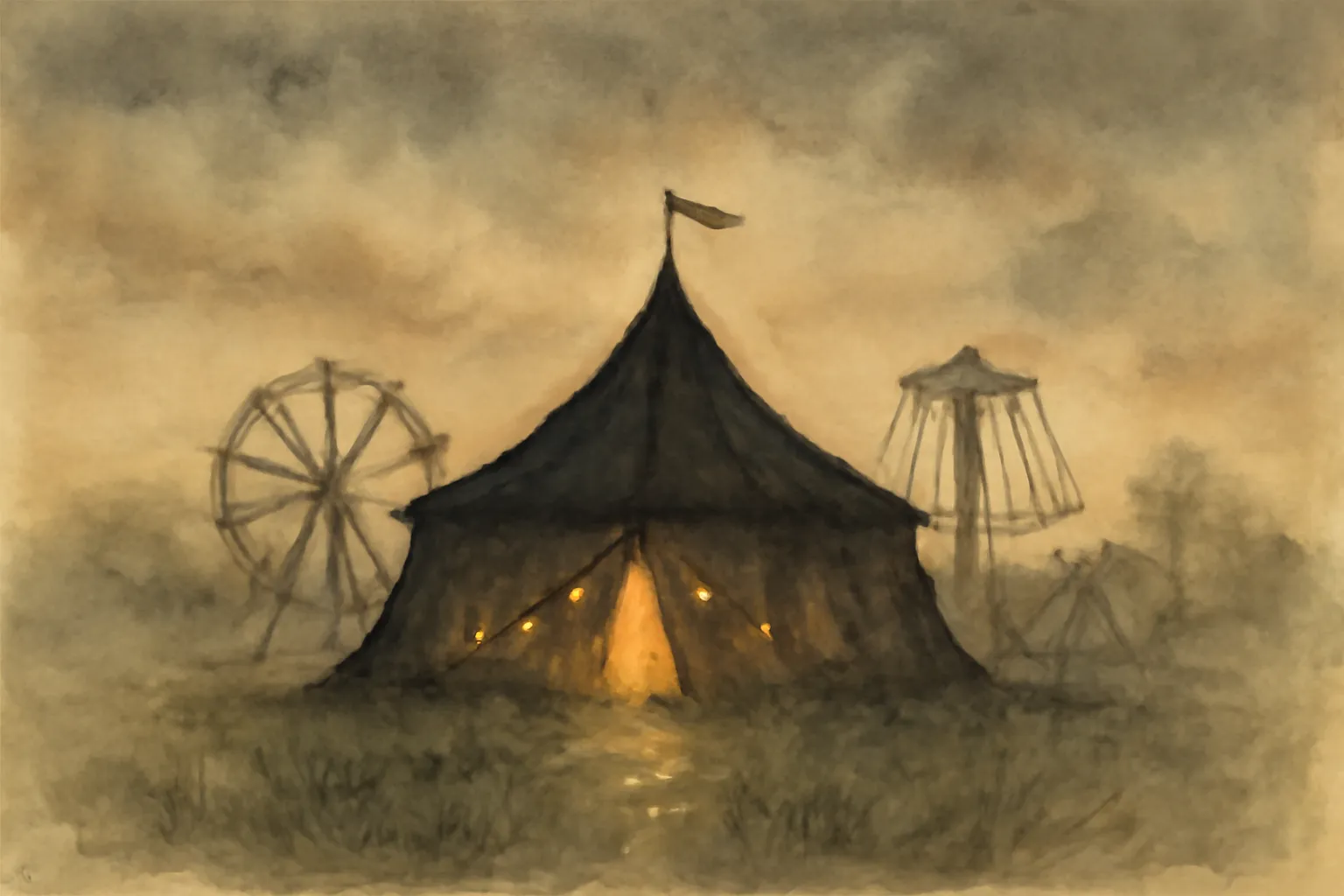
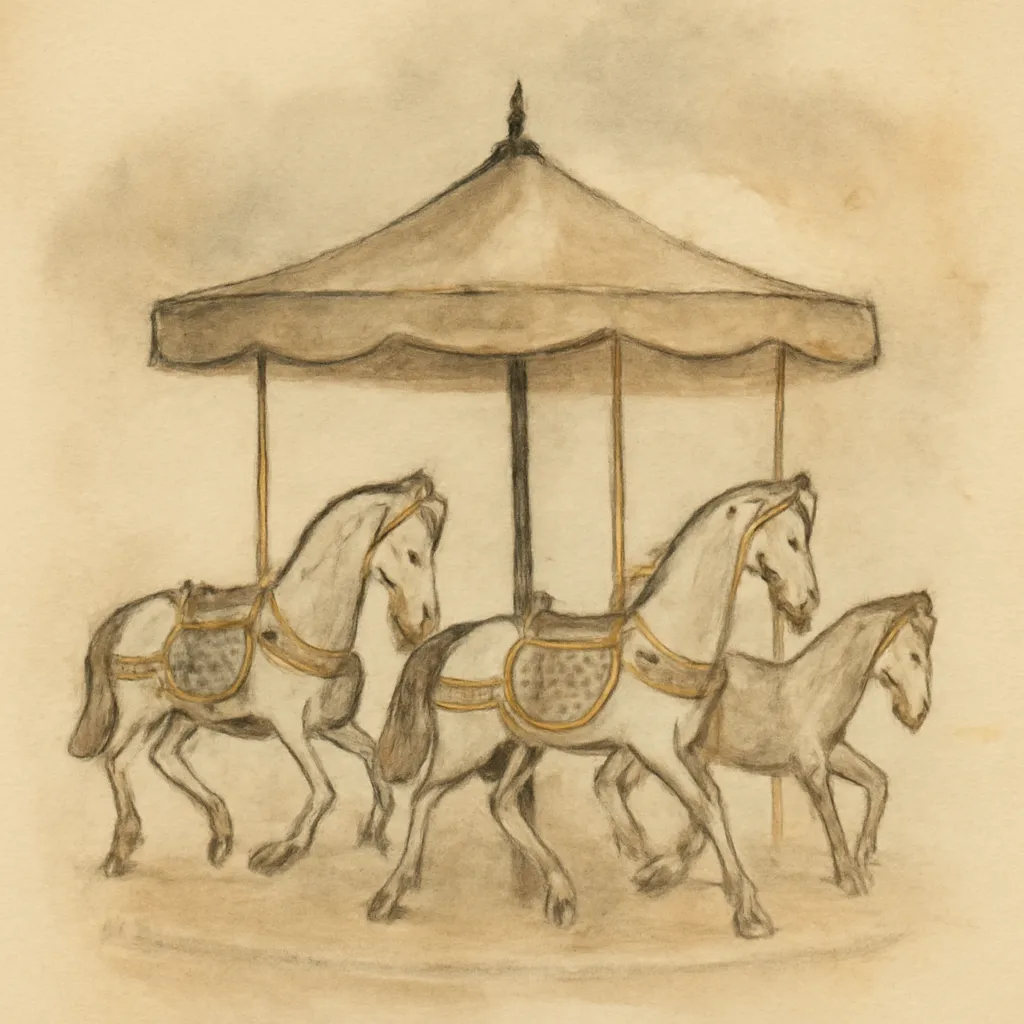
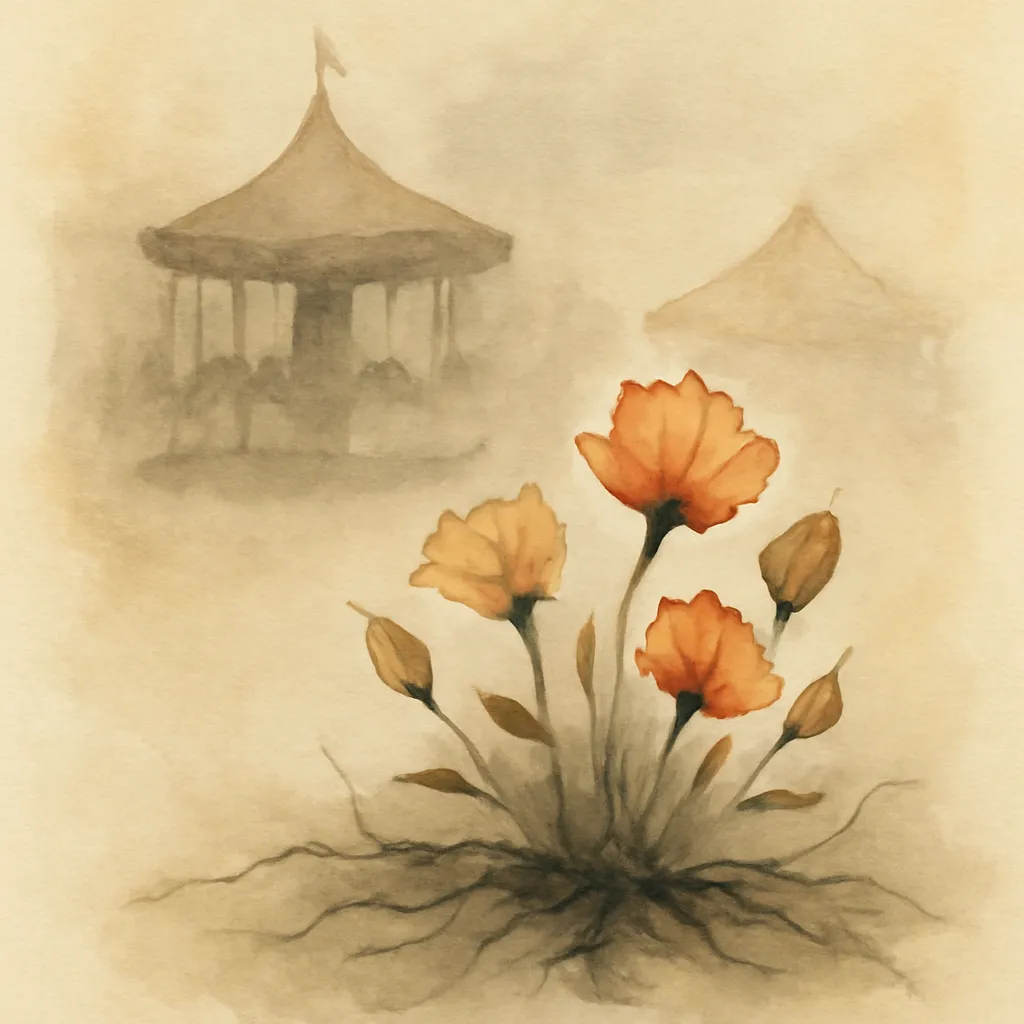
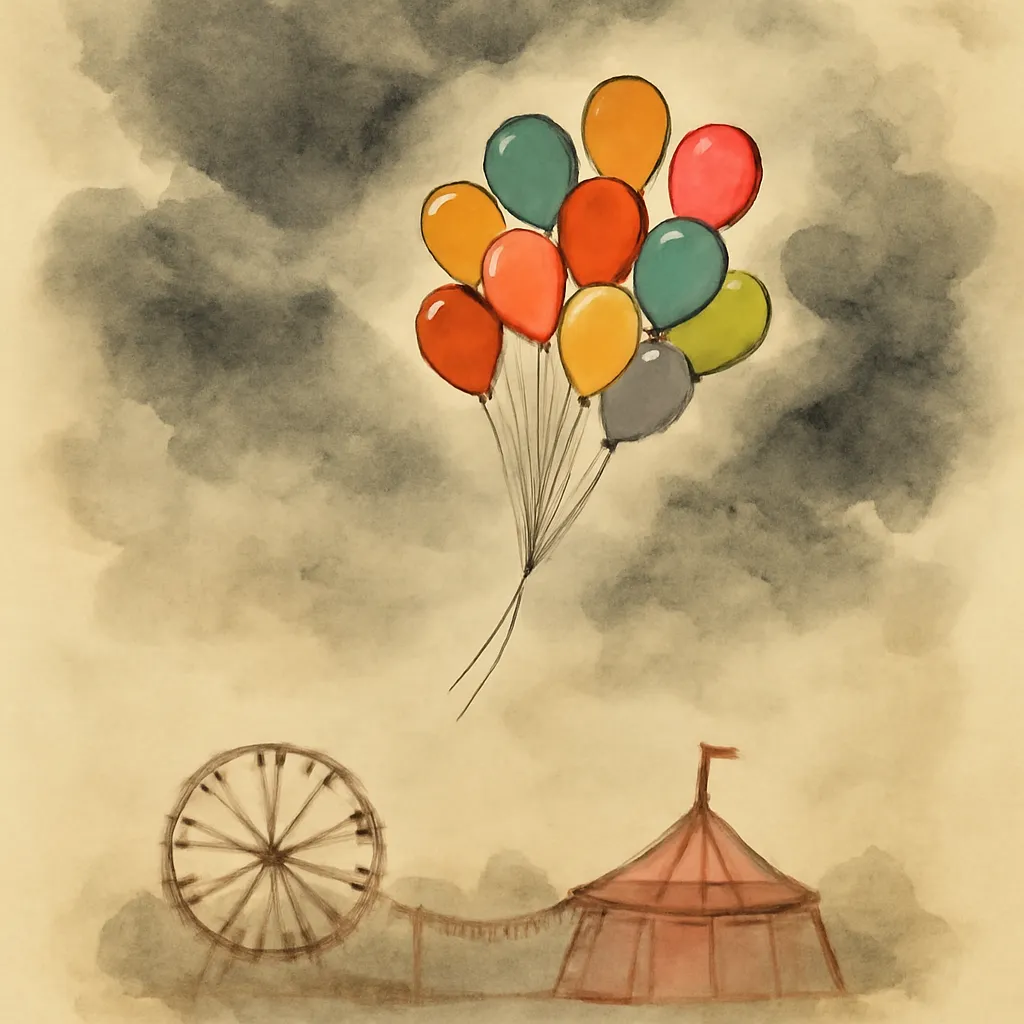
Bradbury’s carnival is a metaphor for the seductive pull of unfulfilled desires. Each attraction offers townspeople a chance to reclaim lost youth, beauty, or dreams—but always at a terrible cost. The novel warns that wishing for what we cannot or should not have can open the door to manipulation and self-destruction. The boys, Will and Jim, learn that confronting reality, rather than escaping it, is the only path to growth.
2.Good vs. Evil in Everyday Life
Rather than distant, abstract forces, good and evil in Bradbury’s world are intimately woven into daily existence. The carnival’s evil is not just supernatural but psychological, exploiting loneliness, regret, and fear. The book suggests that resisting evil requires courage, self-knowledge, and the willingness to accept life’s imperfections.
3.The Power and Pain of Growing Up
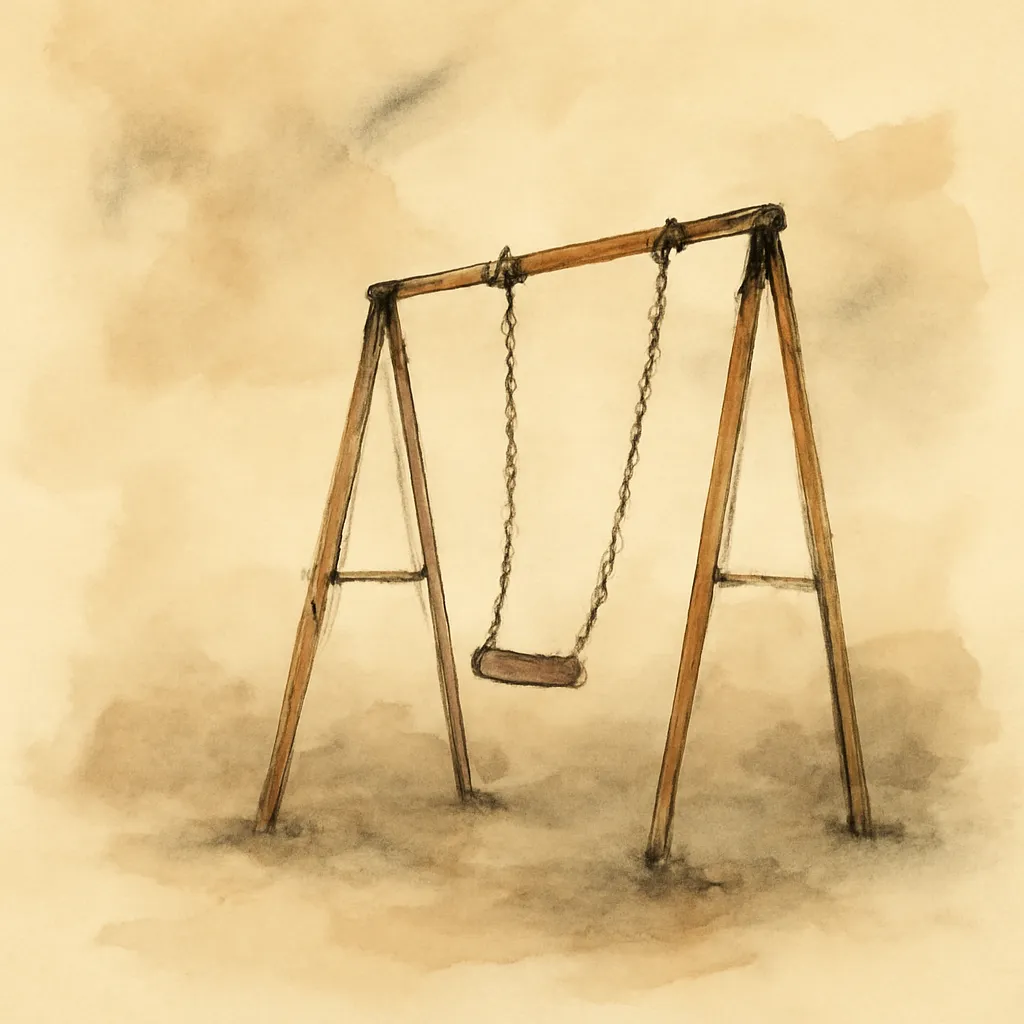
Will and Jim, on the cusp of adolescence, represent different responses to the challenges of growing up. Jim is drawn to risk and change, while Will clings to innocence. Their journey is both literal and symbolic, reflecting the universal struggle to accept aging, mortality, and the responsibilities of adulthood.
4.Friendship as Salvation
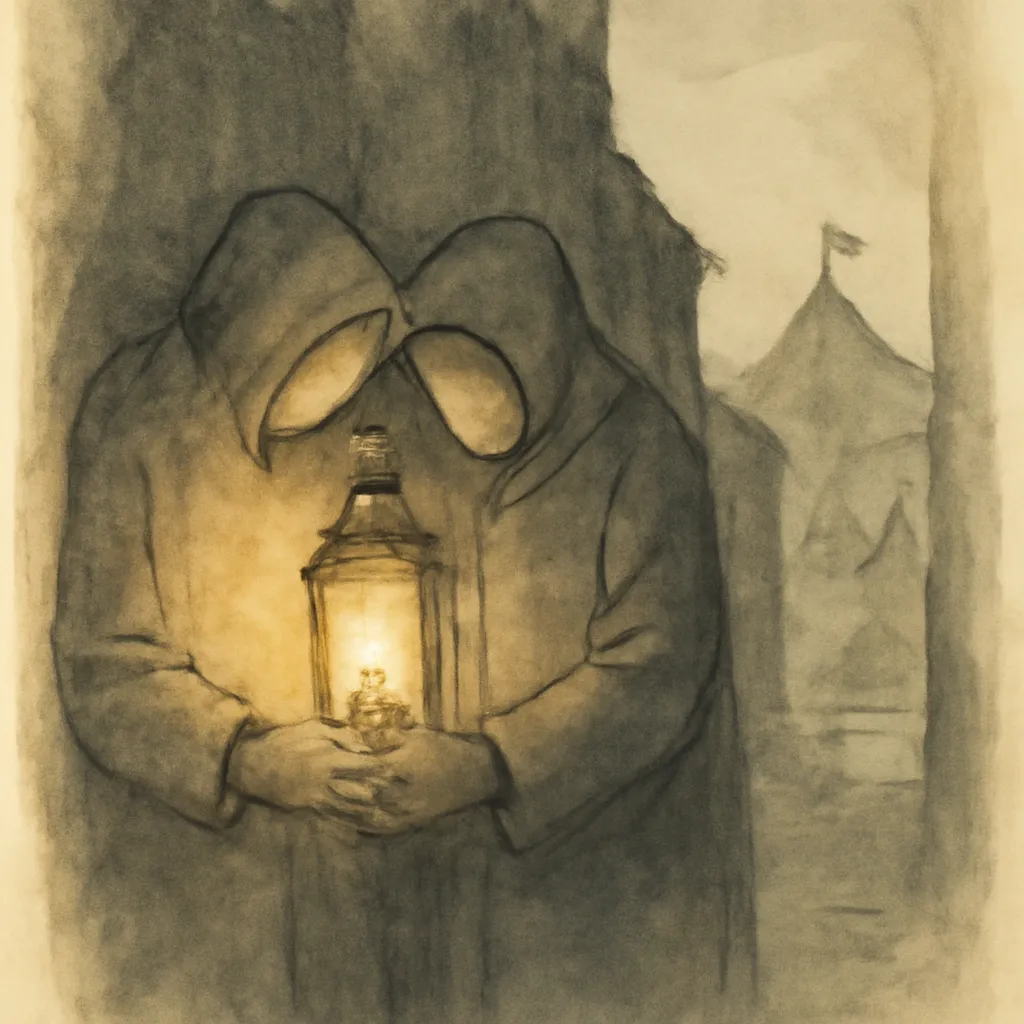
The deep bond between Will and Jim is at the heart of the story. Their friendship provides strength and balance, helping them resist the carnival’s temptations. Bradbury portrays friendship as a force that can counteract isolation and despair, offering hope even in the darkest circumstances.
5.The Role of Parents and Intergenerational Wisdom
Will’s father, Charles Halloway, is a rare adult ally in a genre often dominated by absent or ineffectual parents. His struggles with his own regrets and aging mirror those of the children, and his eventual courage and insight are crucial to defeating the carnival. The novel argues for the importance of understanding and empathy across generations.
6.The Transformative Power of Joy and Laughter
In a world shadowed by fear, Bradbury suggests that joy, laughter, and love are potent antidotes to evil. The carnival feeds on pain and longing, but it cannot withstand genuine happiness. This idea elevates the emotional stakes, making the boys’ triumph not just a victory over monsters, but a celebration of life itself.