1.The Impact of Environment on Identity
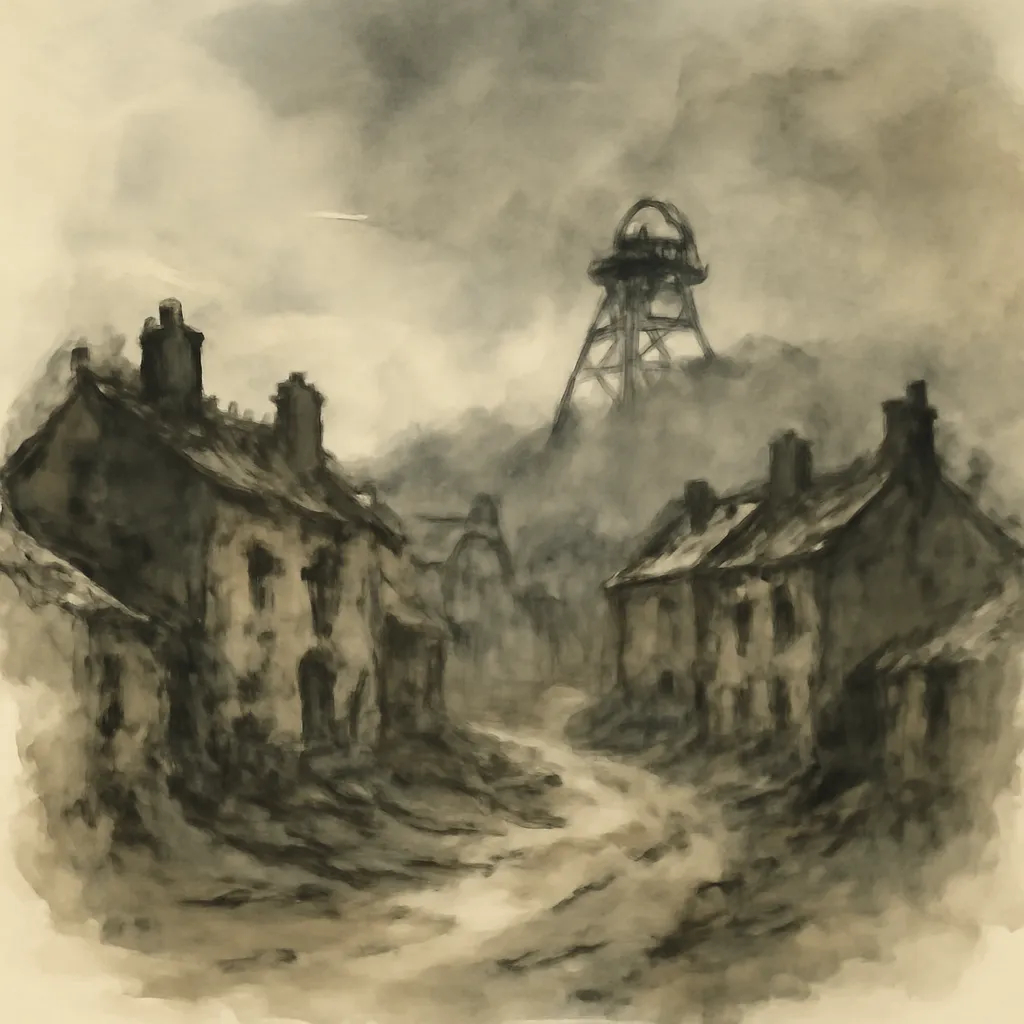
The setting of 'Sons and Lovers' plays a crucial role in shaping the characters' identities and experiences. The novel opens in a mining village, highlighting the stark realities of working-class life. The Morel family's home life is dominated by the struggles of poverty and the oppressive nature of their environment. As the story unfolds, it becomes clear that the confines of their socioeconomic status significantly influence the characters' aspirations and relationships. For Paul Morel, the protagonist, his artistic ambitions are constantly at odds with the expectations placed upon him by his family and society. This interplay between environment and identity is a recurring theme, illustrating how the characters are often trapped by their circumstances while yearning for a better life.
2.Maternal Influence and Oedipal Complex
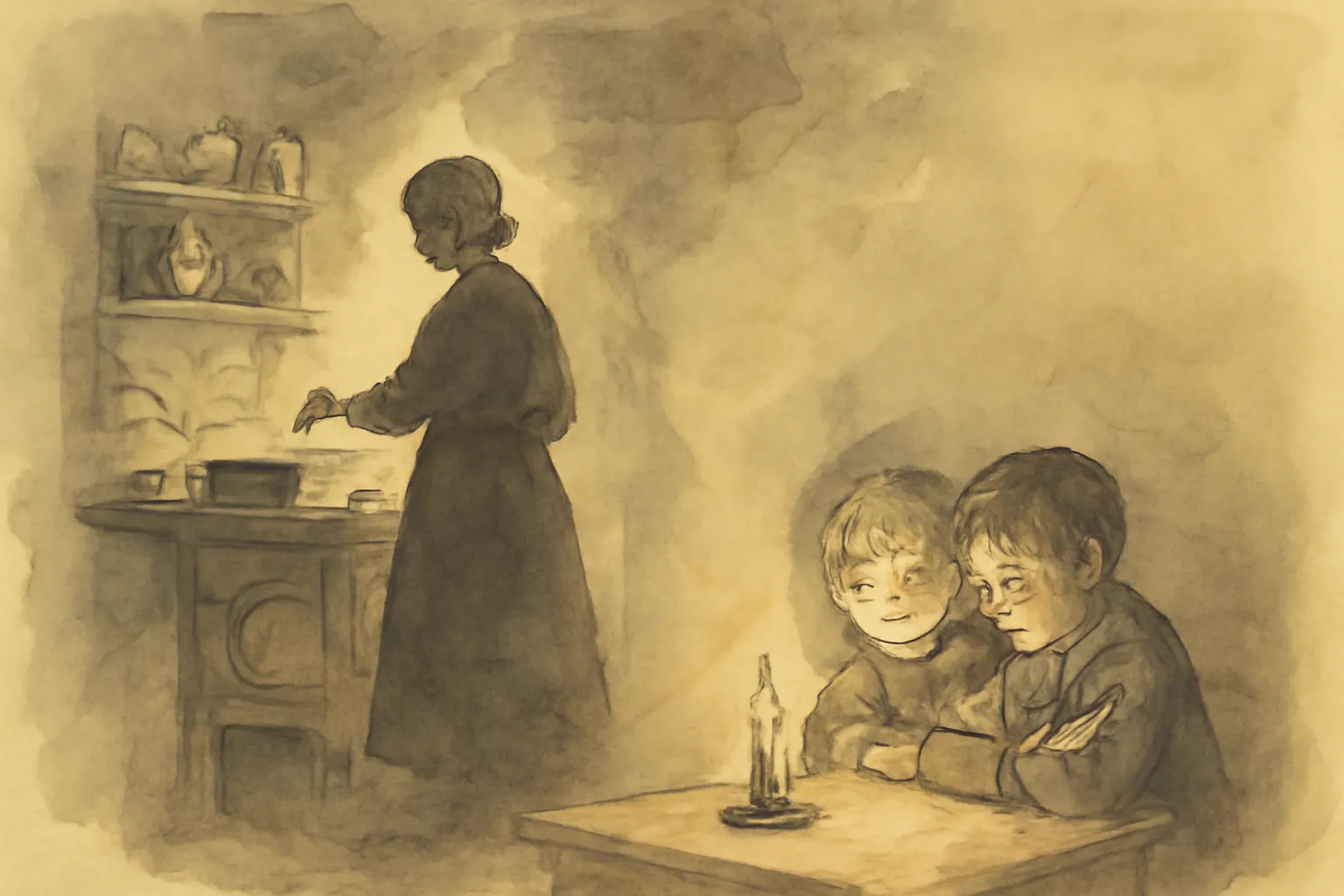
At the heart of 'Sons and Lovers' lies the intense relationship between Paul and his mother, Mrs. Morel. This bond is characterized by both deep love and suffocating dependence, creating an Oedipal dynamic that complicates Paul’s romantic relationships. Mrs. Morel is portrayed as a strong, dominant figure who instills in Paul a sense of ambition and artistic sensibility. However, her overwhelming influence leads Paul to struggle with his own desires and the expectations of masculinity. His inability to fully detach from his mother results in conflicts with his romantic partners, particularly Miriam and Clara. This theme of maternal influence raises questions about love, loyalty, and the psychological complexities of familial attachments, suggesting that our relationships with our parents profoundly shape our capacity for love and intimacy.
3.The Struggle for Personal Ambition
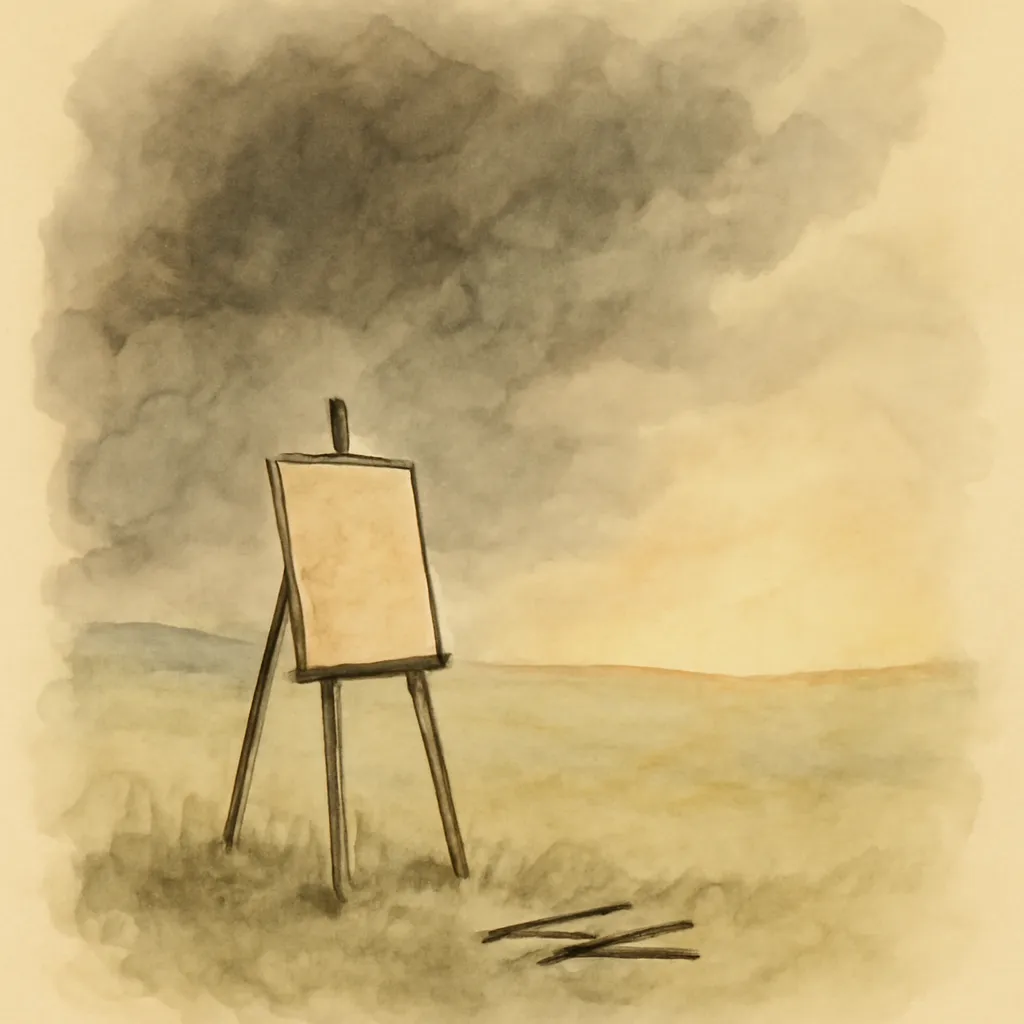
Paul Morel's journey is marked by his desire to pursue a career as an artist, a goal that is often at odds with his familial obligations. As he grows older, he grapples with the tension between his artistic aspirations and the responsibilities he feels towards his mother and brothers. This struggle is emblematic of the broader conflict faced by individuals in the working class, who often must sacrifice personal ambition for the sake of family survival. Paul's artistic talent is both a source of pride and a burden, as he seeks validation from his mother while simultaneously yearning for independence. This duality reflects the universal challenge of balancing personal dreams with familial loyalty, a theme that resonates deeply throughout the novel.
4.Romantic Relationships and Emotional Turmoil
The novel intricately explores the complexities of love and desire through Paul's relationships with two significant women: Miriam and Clara. Miriam represents an idealized and spiritual love, characterized by intellectual connection and emotional depth. However, their relationship is fraught with misunderstandings and a lack of physical intimacy, reflecting Paul's internal conflict between desire and his ingrained sense of duty towards his mother. Conversely, Clara embodies a more liberated and passionate relationship that challenges traditional norms. Yet, this connection also brings its own set of complications, as Paul struggles to reconcile his feelings for both women. The emotional turmoil stemming from these relationships underscores the theme of love as both a source of joy and pain, highlighting the often tumultuous nature of human connection.
5.The Role of Gender and Class
Lawrence deftly critiques the social constructs of gender and class throughout 'Sons and Lovers.' The characters are often defined by their roles within the family and society, with women expected to embody nurturing qualities while men are pressured to fulfill the role of providers. This dichotomy is evident in the lives of Mrs. Morel, who sacrifices her own desires for her family, and Paul, who feels the weight of societal expectations on his shoulders. The constraints of class further complicate these dynamics, as the Morels navigate the challenges of poverty and social mobility. Lawrence’s portrayal of gender and class reveals the limitations imposed by society, prompting readers to consider how these factors influence individual identity and interpersonal relationships.
6.The Cycle of Suffering and Redemption
The theme of suffering permeates 'Sons and Lovers,' as characters endure personal and familial hardships that shape their identities and relationships. Walter Morel's decline into alcoholism and illness serves as a catalyst for the family's struggles, forcing Mrs. Morel and her children to confront their own vulnerabilities. Paul, in particular, embodies the cycle of suffering, as he grapples with the weight of his mother's expectations and the emotional fallout from his romantic entanglements. Yet, within this cycle lies the potential for redemption, as characters seek solace in art, love, and personal growth. Paul's artistic journey becomes a means of transcending his pain, suggesting that through creativity and self-expression, individuals can find a path towards healing and fulfillment.
7.The Search for Identity and Belonging
Throughout the novel, characters grapple with their search for identity and belonging in a world that often feels alienating. Paul’s artistic aspirations place him at odds with his family, as he struggles to define himself outside of their expectations. His relationships with Miriam and Clara further complicate this search, as he seeks validation and connection while grappling with his own insecurities. The theme of belonging is also reflected in the broader community of Bestwood, where social dynamics and class distinctions shape individuals' lives. Lawrence’s exploration of identity and belonging resonates with readers, as it speaks to the universal human experience of seeking connection and understanding in a complex and often unforgiving world.
8.Death and Its Impact on Relationships
The theme of death looms large in 'Sons and Lovers,' profoundly affecting the characters' relationships and emotional landscapes. The deaths of key figures, including Paul’s mother, serve as pivotal moments that force characters to confront their own mortality and the fragility of human connection. Mrs. Morel's illness and eventual death mark a turning point for Paul, as he grapples with grief and the loss of his primary source of love and support. This loss catalyzes a transformation in Paul, pushing him to reevaluate his relationships with Miriam and Clara. The impact of death highlights the transient nature of life and love, prompting characters to seek meaning and connection in the face of inevitable loss.
9.The Role of Art as a Means of Expression
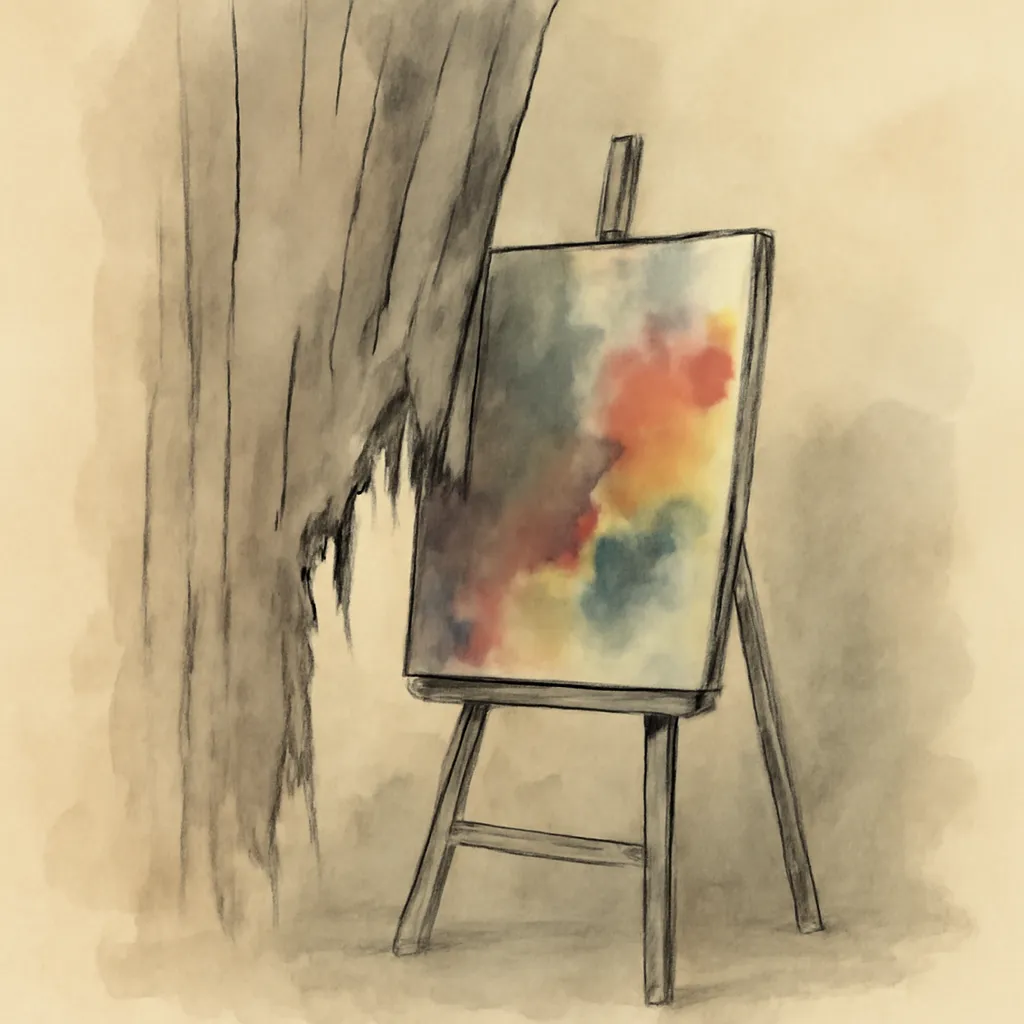
Art serves as a vital means of expression and escape for Paul Morel, allowing him to navigate the complexities of his emotions and relationships. His passion for painting reflects his inner struggles and aspirations, providing a channel for his creativity and a way to assert his identity. Lawrence portrays art as both a refuge and a burden, as Paul's desire for artistic recognition often clashes with his familial obligations. The act of creation becomes a form of self-discovery, enabling Paul to confront his fears and desires. Through his artistic journey, the novel underscores the transformative power of art, suggesting that creativity can serve as a lifeline in times of turmoil.
10.The Legacy of Family Dynamics
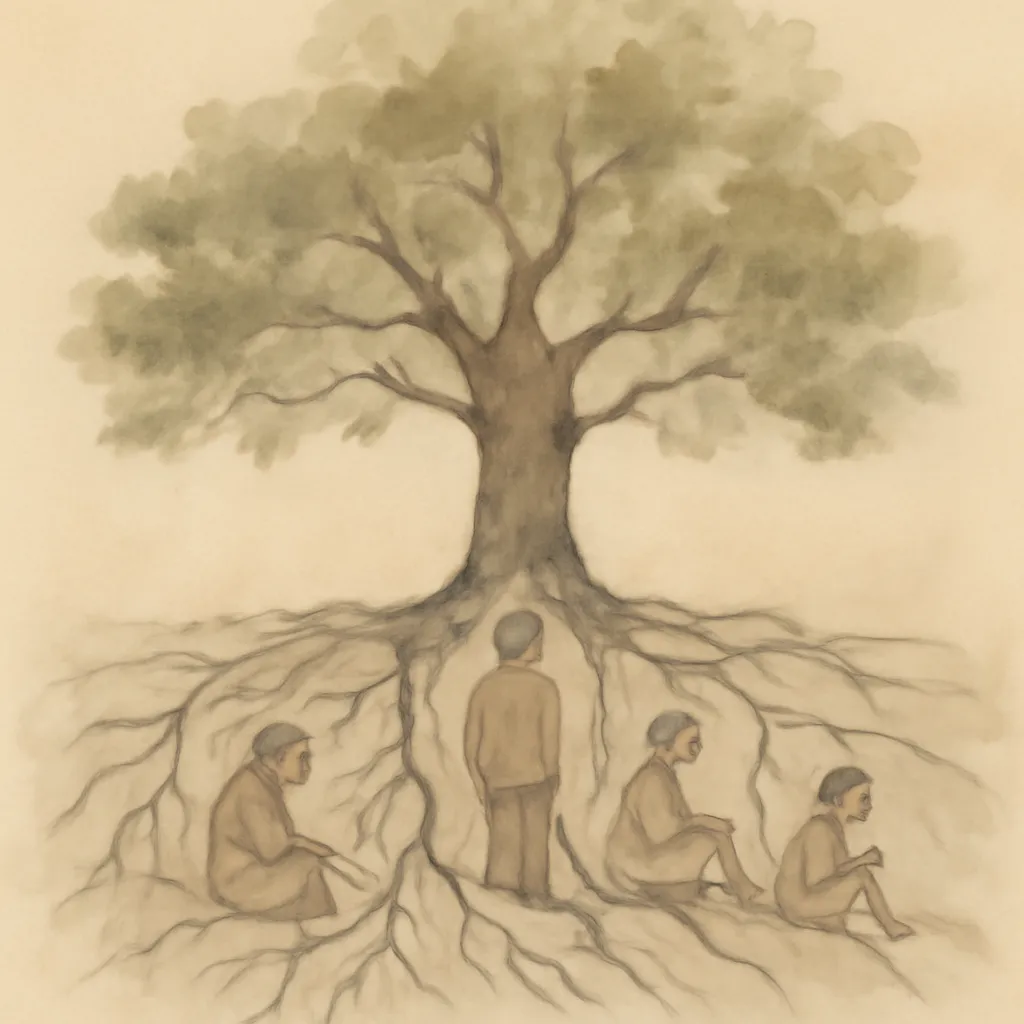
The intricate family dynamics depicted in 'Sons and Lovers' leave a lasting impact on the characters' lives and relationships. The novel illustrates how familial bonds shape individual identities, influencing choices and aspirations. Paul’s relationship with his mother, in particular, exemplifies the complexities of love and obligation, as he navigates the tension between his desire for independence and his loyalty to his family. The legacy of these dynamics extends beyond the immediate family, affecting Paul’s interactions with romantic partners and his ability to form lasting connections. Lawrence’s exploration of family as both a source of strength and conflict reveals the profound influence of our upbringing on our adult lives, prompting readers to reflect on their own familial legacies.