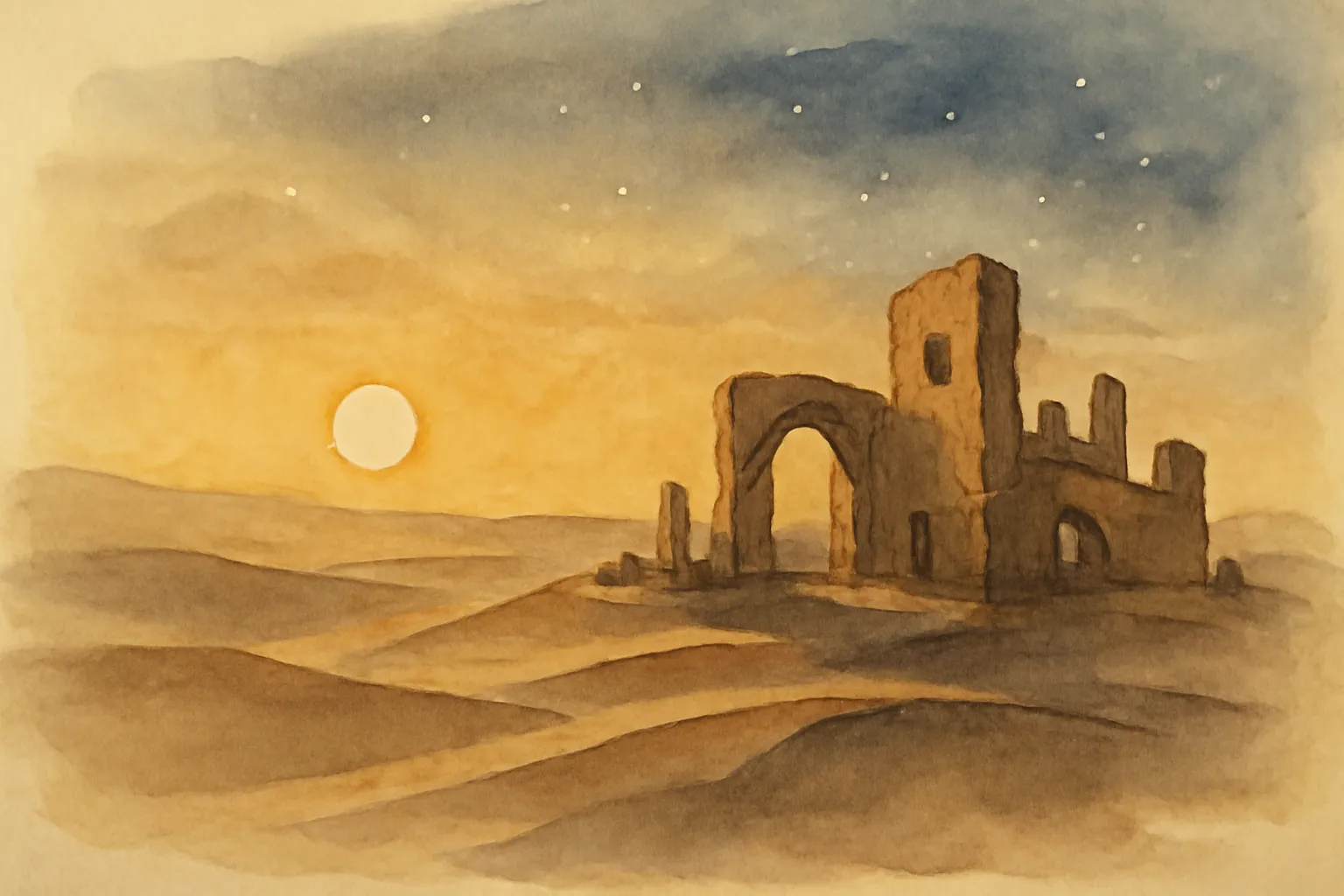
1.The Mysterious Mounds of Bahrein
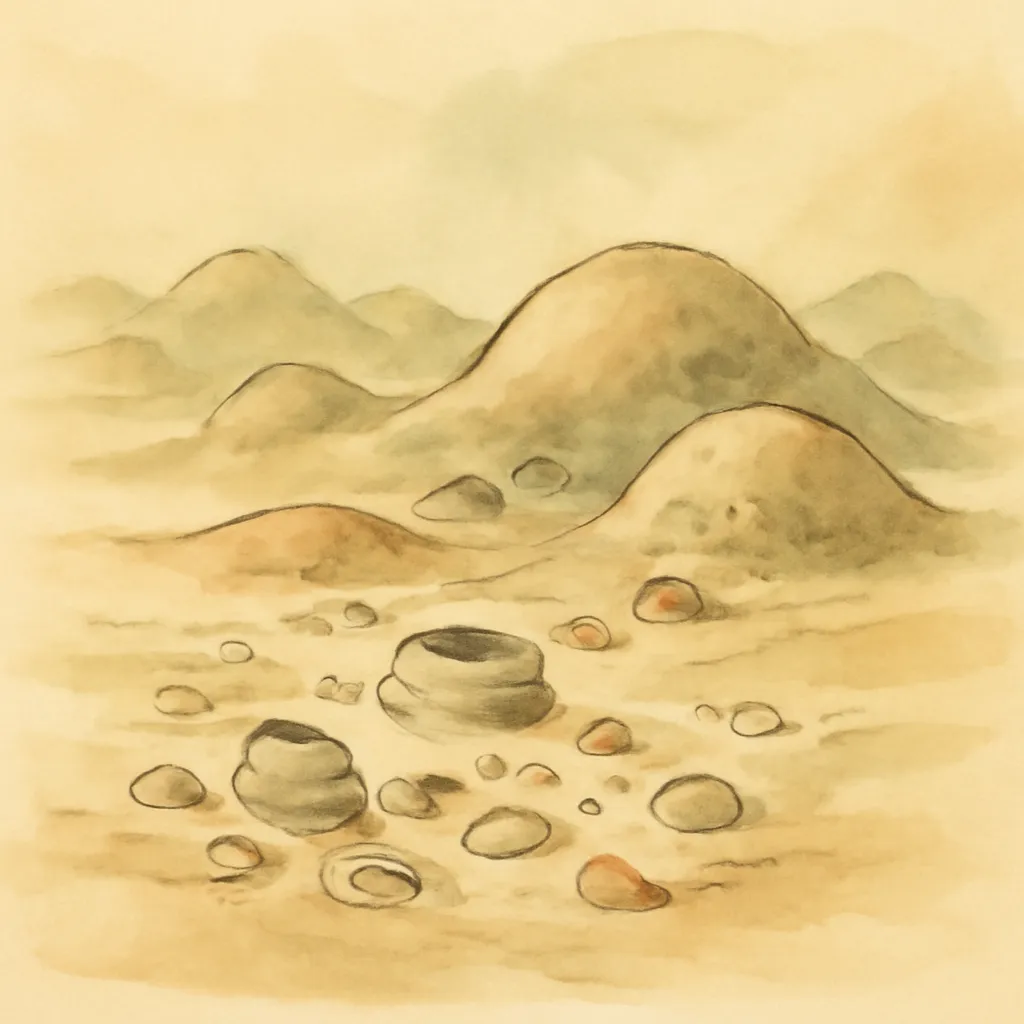
The journey begins in Bahrein, an archipelago rich with stories of ancient civilizations. Bent and his wife were drawn to the region by tales of mysterious mounds believed to contain Phoenician remains. Their excavation efforts reveal not only artifacts but also the vibrancy of the present-day culture surrounding these historical sites. Bent describes the ardor with which they approached their work—hoping to unearth treasures that would provide insight into the ancient Phoenicians, known for their advanced maritime trade and navigation skills. The contrast between the ancient and the modern is palpable, as the couple navigates the arid deserts and bustling palm groves, encountering local women engaged in traditional practices like harvesting dates. These experiences highlight the interconnectedness of history and contemporary life, emphasizing that exploration is not merely about uncovering the past but also about understanding the living cultures that thrive alongside it.
2.Desert Life and Camels
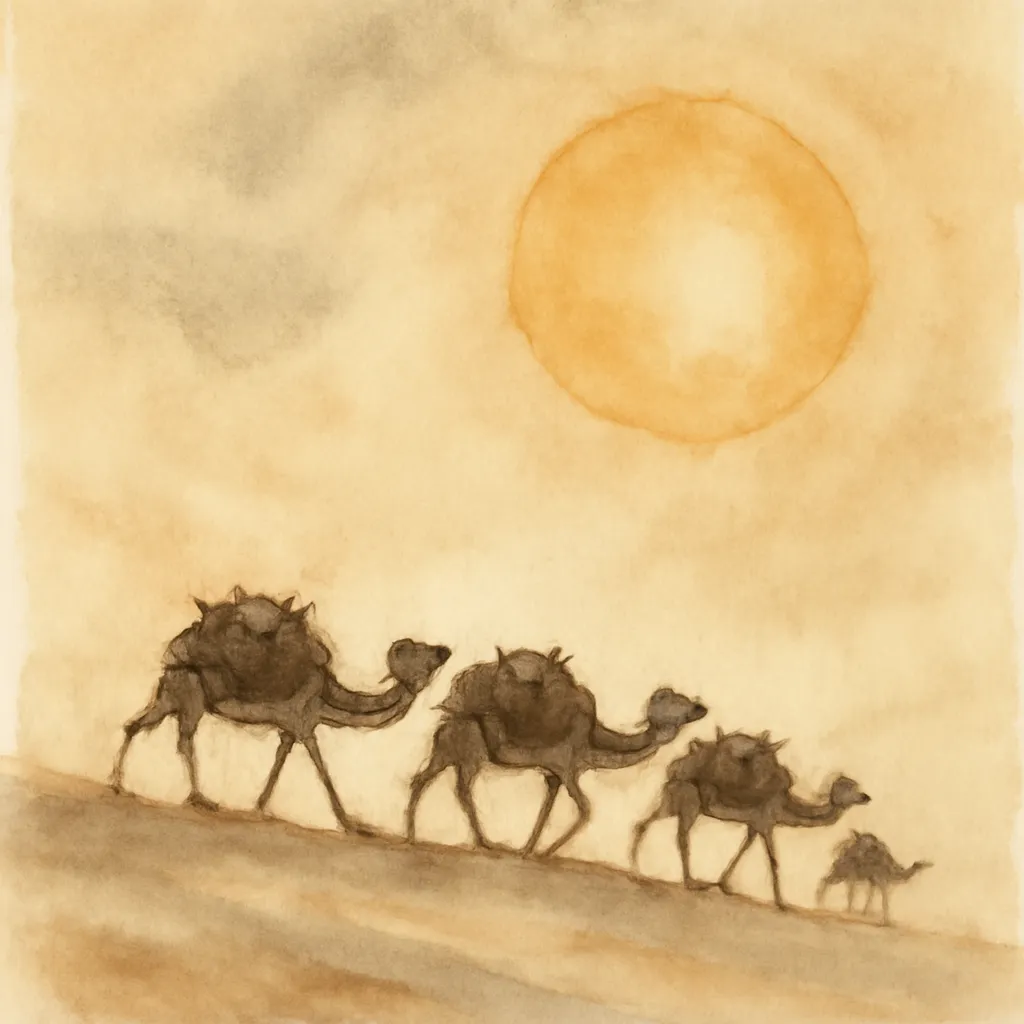
Traveling through the arid landscapes of Southern Arabia, Bent provides a detailed account of the logistical challenges faced by explorers in the region. The couple’s expedition relied heavily on camels, which served as both transportation and a source of sustenance. Bent illustrates the chaotic yet fascinating process of preparing for their journey, from loading their camels to negotiating with local guides. The descriptions of their camel train—complete with tents, water skins, and personal effects—paint a vivid picture of the hardships and camaraderie that characterize desert travel. Bent’s humorous portrayal of their personal servant, Hadji Abdullah, adds a layer of personality to the narrative, showcasing the intricate relationships that develop between travelers and their local companions. This focus on the practicalities of exploration underscores the resilience required to traverse such unforgiving terrain, revealing the deep bond between the explorers and their animals. The camels, enduring symbols of desert life, represent both the physical and emotional support systems necessary for survival in such an environment.
3.Cultural Encounters with Local Leaders
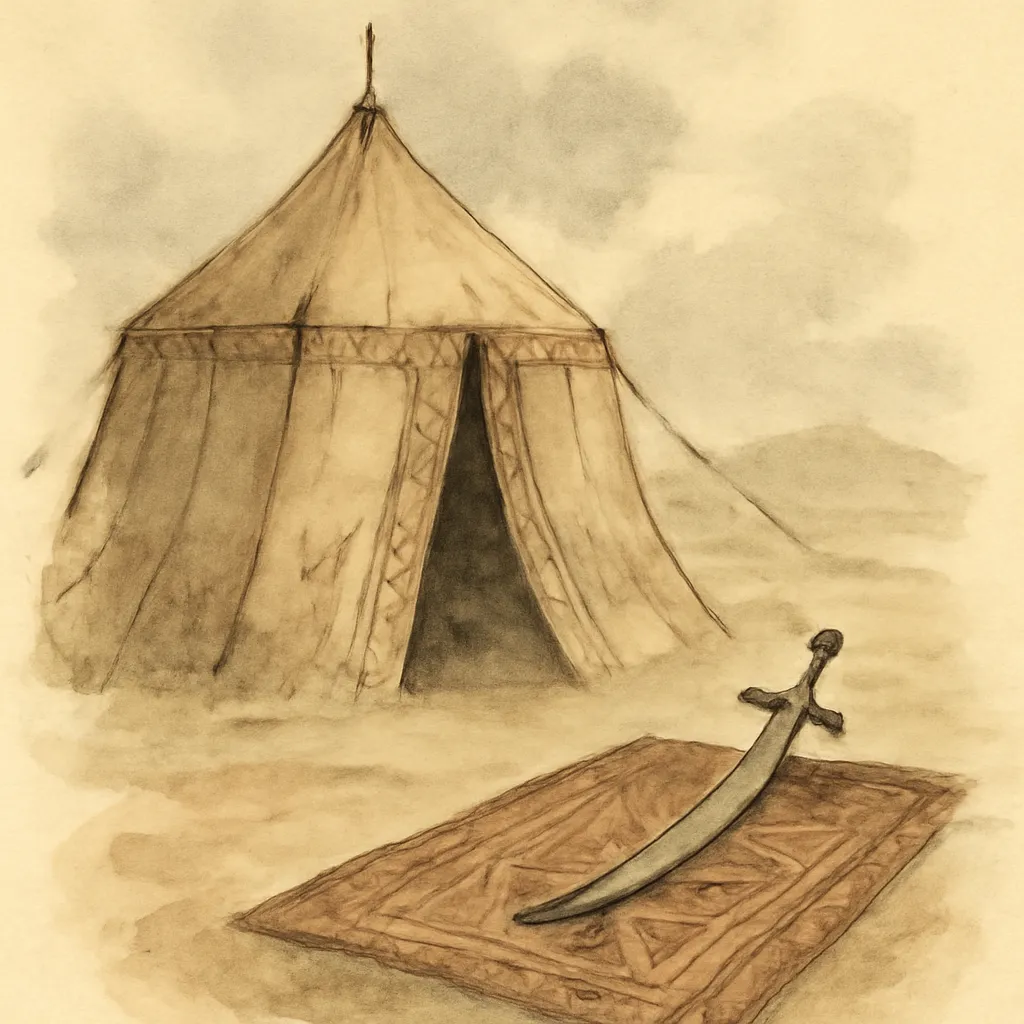
Throughout their travels, Bent and his wife encountered various local leaders who played significant roles in their journey. Notably, Sheikh Mohammed, a young and ambitious figure, embodies the complex political landscape of the region. His interactions with the explorers, from exchanging gifts to seeking knowledge of Western technology, reflect the intricate dynamics of power, tradition, and modernity at play. Bent’s encounters with local dignitaries reveal a world where ancient customs clash with burgeoning aspirations for progress. The young sheikh's eagerness to learn about the Western ways speaks to the broader shift occurring in Southern Arabia, as its people sought to balance tradition with the demands of modernity. Bent's observations reveal the nuanced relationships between outsiders and local authorities, emphasizing that exploration often involves navigating the delicate balance of respect and curiosity. The explorers’ engagement with local leaders enriches their experience and provides insights into the socio-political context of Southern Arabia during this period, highlighting the personal and collective ambitions that drive cultural exchange.
4.The Architectural Simplicity of Maskat
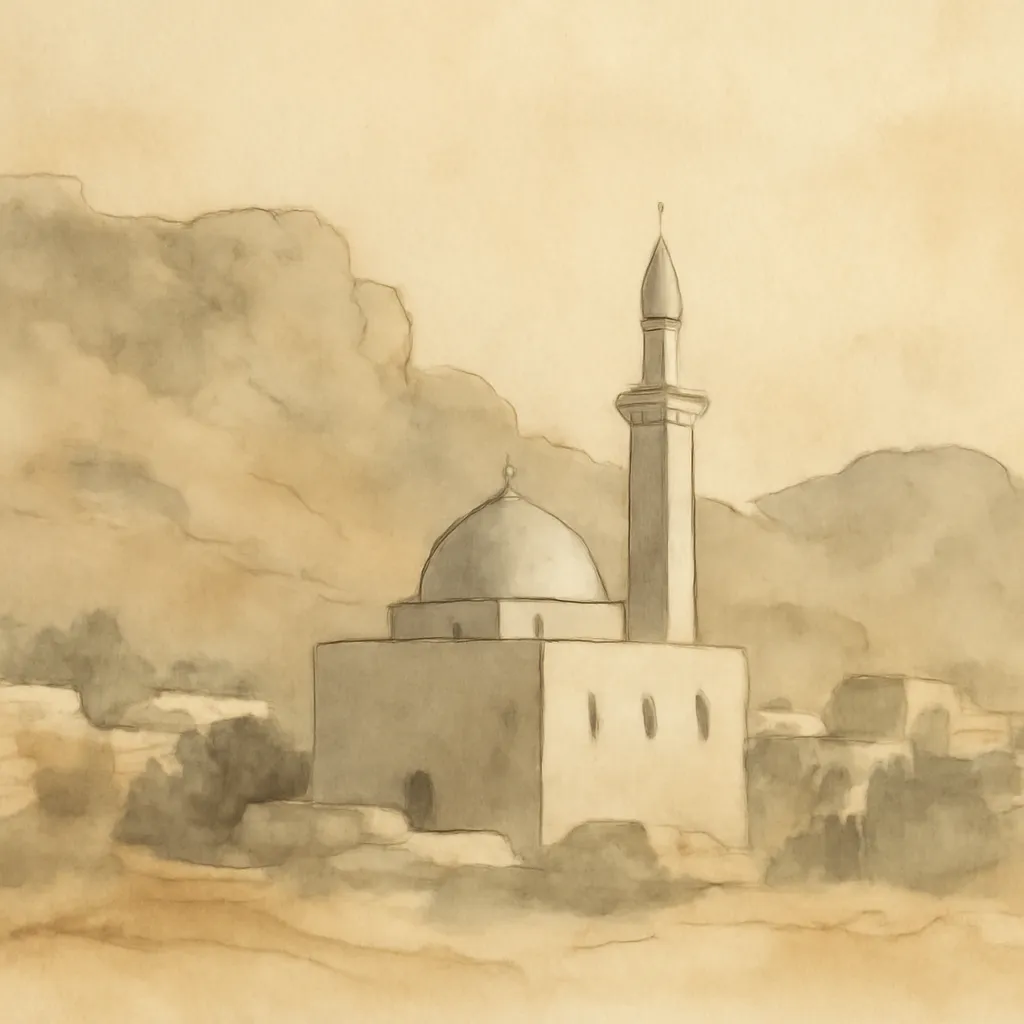
Maskat, the capital of Oman, presents a stark contrast to the grandeur of other cities in the region. Bent describes the town as void of architectural features, influenced by the austere Wahabi sect that dominates the area. The mosques lack the elaborate domes and minarets typical of Islamic architecture, reflecting the sect's strict adherence to simplicity in worship. This lack of embellishment carries deeper implications, as it signifies a cultural and religious identity that prioritizes textual fidelity over artistic expression. Bent’s description of Maskat and its gloomy bazaars—narrow and dirty, roofed over with palm matting—evokes a sense of the town's historical decline, suggesting that the weight of tradition can sometimes stifle artistic innovation. This focus on architectural simplicity invites readers to consider how buildings and public spaces reflect the cultural values of their inhabitants and the broader implications of faith in shaping identity. The explorers' observations in Maskat serve as a reminder that the physical environment is a living testament to the values, beliefs, and histories of those who inhabit it.
5.The Allure of Hadhramout's Frankincense Trade
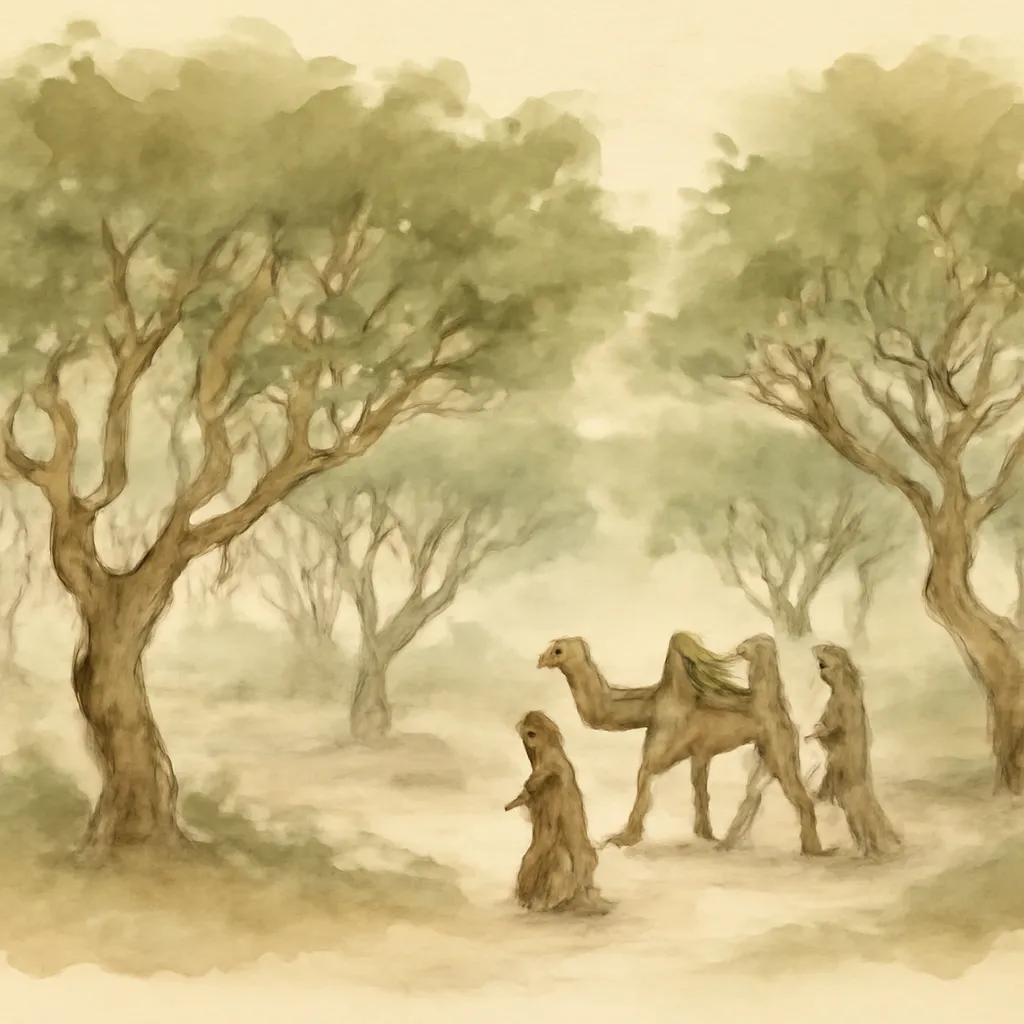
The Hadhramout region, once the center of the frankincense and myrrh trade, captivates the explorers with its historical significance and natural beauty. Bent recounts their attempts to navigate this largely uncharted territory, emphasizing the trepidation that accompanies such ventures into the unknown. His vivid descriptions of the landscape, with its valleys and ancient trade routes, evoke a sense of wonder and adventure. The historical context surrounding the trade of these precious commodities adds depth to their exploration, as Bent reflects on the ancient connections between Arabia and other civilizations. He notes how the remnants of ancient harvests can still be seen in the form of trees tapped for their aromatic sap. This exploration of Hadhramout not only uncovers the remnants of a once-thriving economy but also highlights the importance of these resources in shaping cultural exchanges and interactions throughout history. Bent's journey through Hadhramout serves as a poignant reminder of the transformative power of trade, not just in terms of goods exchanged but also in the ideas, cultures, and technologies that spread along these ancient routes.
6.Navigating Hostility and Hospitality
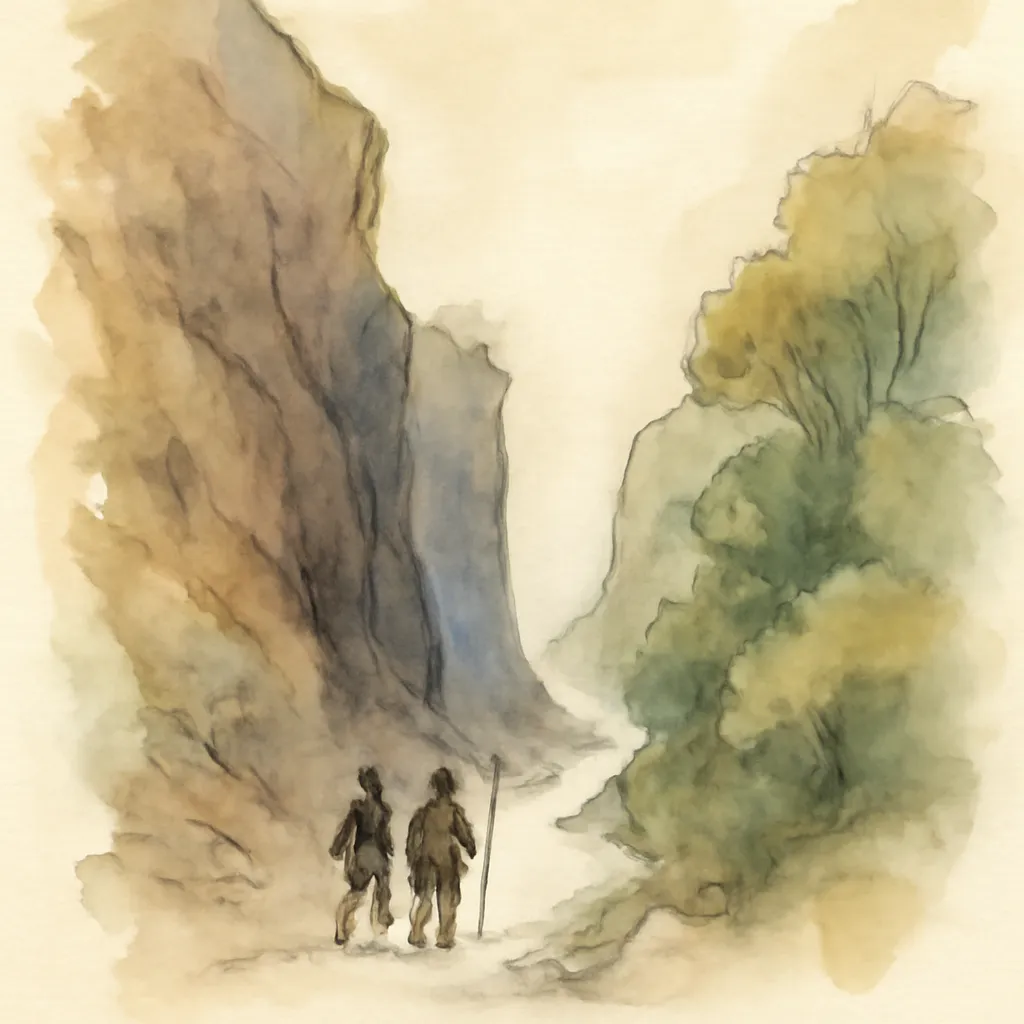
Bent’s journey is marked by a complex interplay of hostility and hospitality, particularly during their encounters with various tribes. The Hamoumi tribe, known for their aggressive reputation, presents challenges for the explorers as they traverse the Wadi Adim. Tensions arise, reflecting the precarious nature of travel in a region marked by tribal conflicts and territorial disputes. Yet, amidst these challenges, moments of warmth and generosity emerge, showcasing the duality of human nature. Bent’s interactions with local communities reveal a tapestry of relationships characterized by both fear and friendship, ultimately underscoring the idea that exploration is as much about understanding people as it is about discovering places. In one instance, the explorers find themselves in a hostile environment but manage to win over local tribesmen through acts of kindness and respect, demonstrating the power of interpersonal connections in overcoming cultural barriers. This duality serves to remind readers that exploration is fraught with danger but also rich with opportunities for personal growth and mutual understanding.
7.The Flora and Fauna of Dhofar
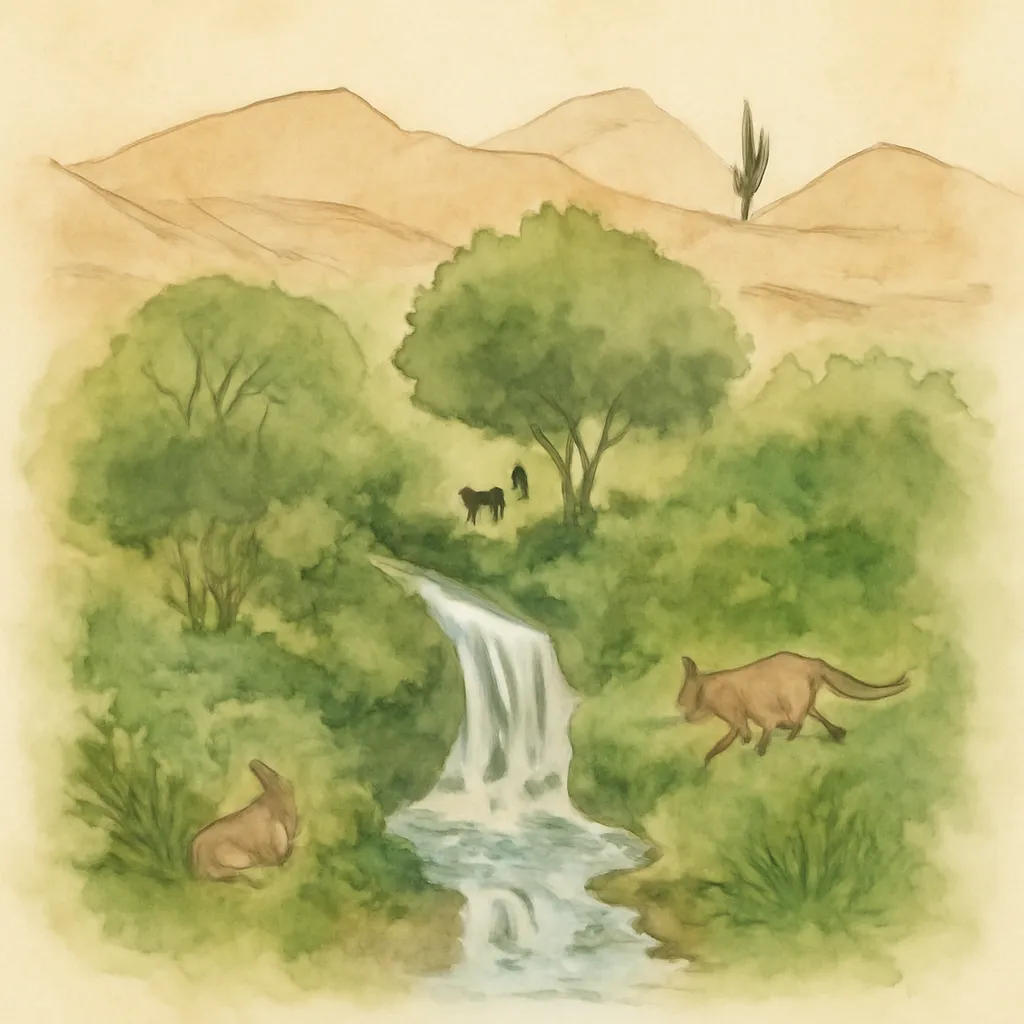
As the explorers venture into the Dhofar region, Bent highlights the lush vegetation and diverse wildlife that starkly contrasts with the surrounding arid landscapes. The lush valleys and lakes they encounter serve as a reminder of the region's ecological richness, which has been historically overlooked. Bent’s detailed observations of the flora, such as sycamores and acacia trees, and the presence of water-birds underscore the importance of biodiversity in shaping local ecosystems. His vivid descriptions invite readers to visualize the natural beauty that exists alongside the rugged simplicity of desert life. This exploration of Dhofar not only enriches their journey but also invites readers to appreciate the environmental significance of the region, illustrating how natural beauty can coexist with cultural and historical narratives. In doing so, Bent emphasizes the interconnectedness of human beings and their environments, suggesting that both must be understood to gain a holistic view of any region.
8.The Challenges of Colonial Perspectives
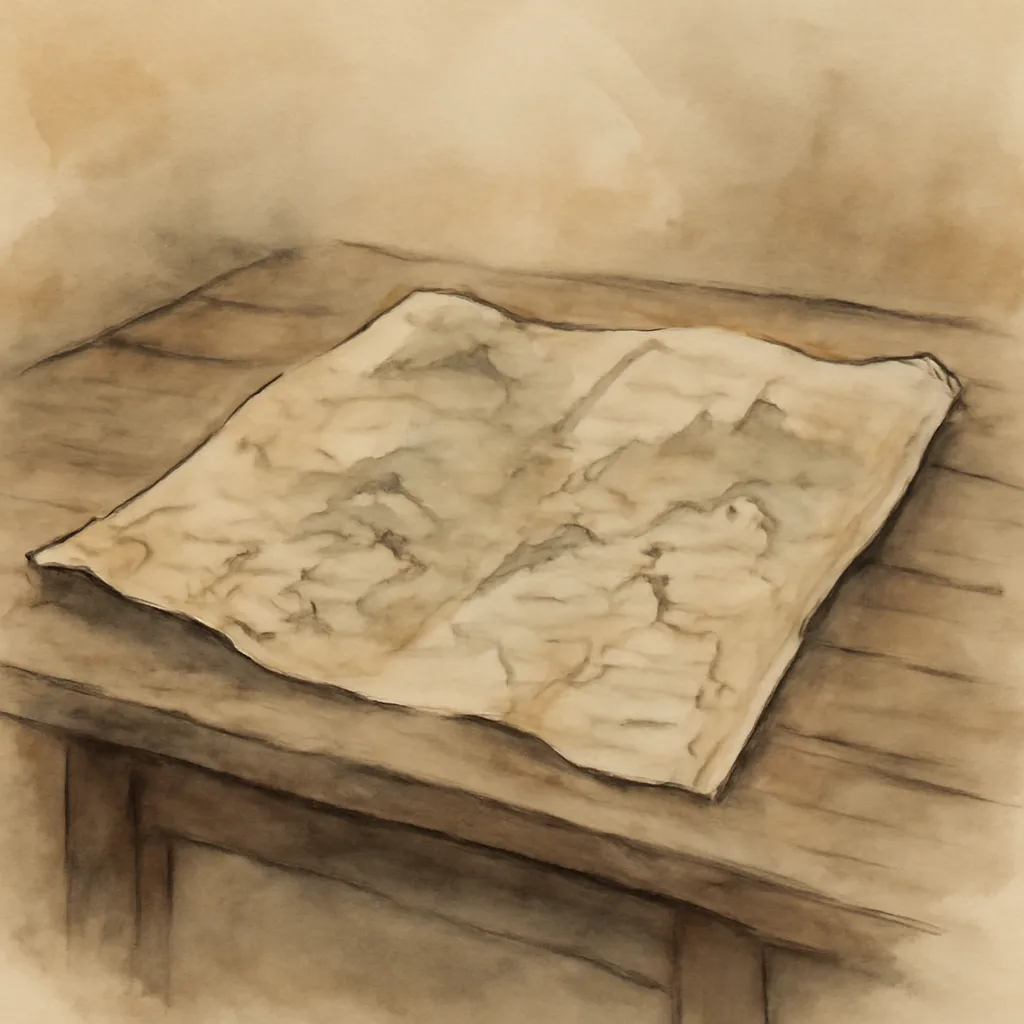
Bent's account is situated within the broader context of colonial exploration, raising important questions about the ethics of such endeavors. As they traverse Southern Arabia, the explorers grapple with their role as outsiders in a land rich with history and culture. Bent's reflections on the interactions between Western explorers and local populations reveal the complexities of colonialism, including the imposition of foreign values and the commodification of local cultures. His nuanced approach confronts the reader with the implications of exploration, prompting discussions about power dynamics and the responsibilities of those who venture into unfamiliar territories. The explorers strive to navigate these waters with sensitivity, recognizing that their presence can disrupt delicate cultural balances. By confronting these challenges, Bent's narrative becomes a platform for exploring the intersections of exploration, culture, and colonialism, urging readers to reflect on the long-lasting impacts of Western interventions in the lives of indigenous peoples.
9.The Importance of Documentation in Exploration

Throughout 'Southern Arabia,' Bent emphasizes the significance of thorough documentation in the process of exploration. His meticulous notes and sketches serve as vital records of the landscapes, cultures, and experiences encountered during their travels. These documents not only contribute to the historical understanding of Southern Arabia but also provide a foundation for future explorers and scholars. Bent's commitment to recording details, from the price of camels to the intricacies of local customs, highlights the importance of preserving knowledge for posterity. This dedication to documentation reflects the broader purpose of exploration: to illuminate the unknown and share insights that can foster understanding and appreciation across cultures. By capturing the essence of their journey through descriptive writing and careful observation, Bent and his wife create a rich tapestry that informs future generations about the beauty and complexity of Southern Arabia.
10.Reflections on the Journey Home
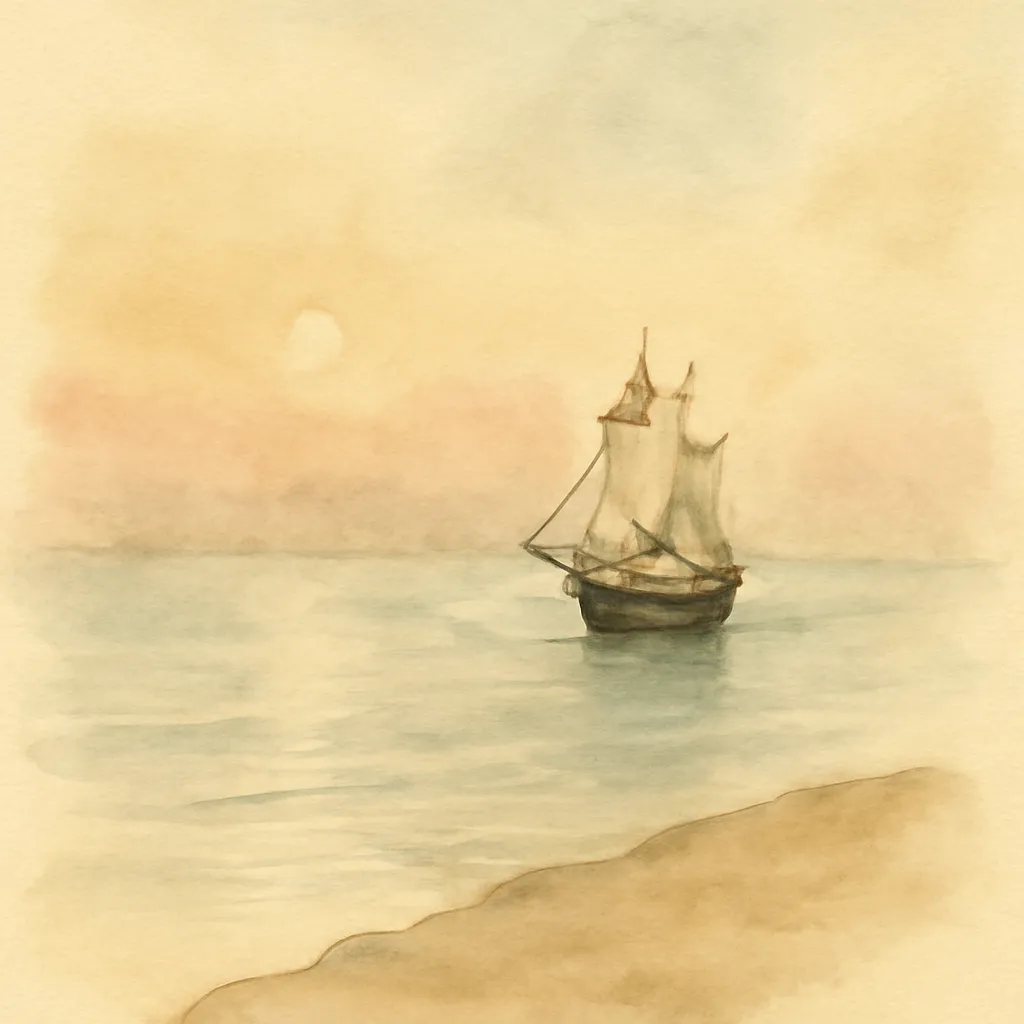
As the expedition draws to a close, Bent’s reflections on their journey home encapsulate the emotional and intellectual growth experienced throughout their travels. The challenges faced, the friendships forged, and the knowledge gained culminate in a profound appreciation for the complexities of Southern Arabia. Bent’s narrative conveys a sense of bittersweet nostalgia, as they leave behind landscapes and cultures that have left an indelible mark on their lives. The return journey is not simply a physical traversal back to their starting point; it is a journey that resonates with the growth of their perspectives and the memories they carry forward. This conclusion serves as a reminder that exploration is not merely a physical journey but also an internal one, fostering connections that transcend geographical boundaries. The explorers return enriched, carrying with them stories that will continue to resonate long after their departure, shaping their identities and the way they perceive the world.