1.The Quest for Holiness
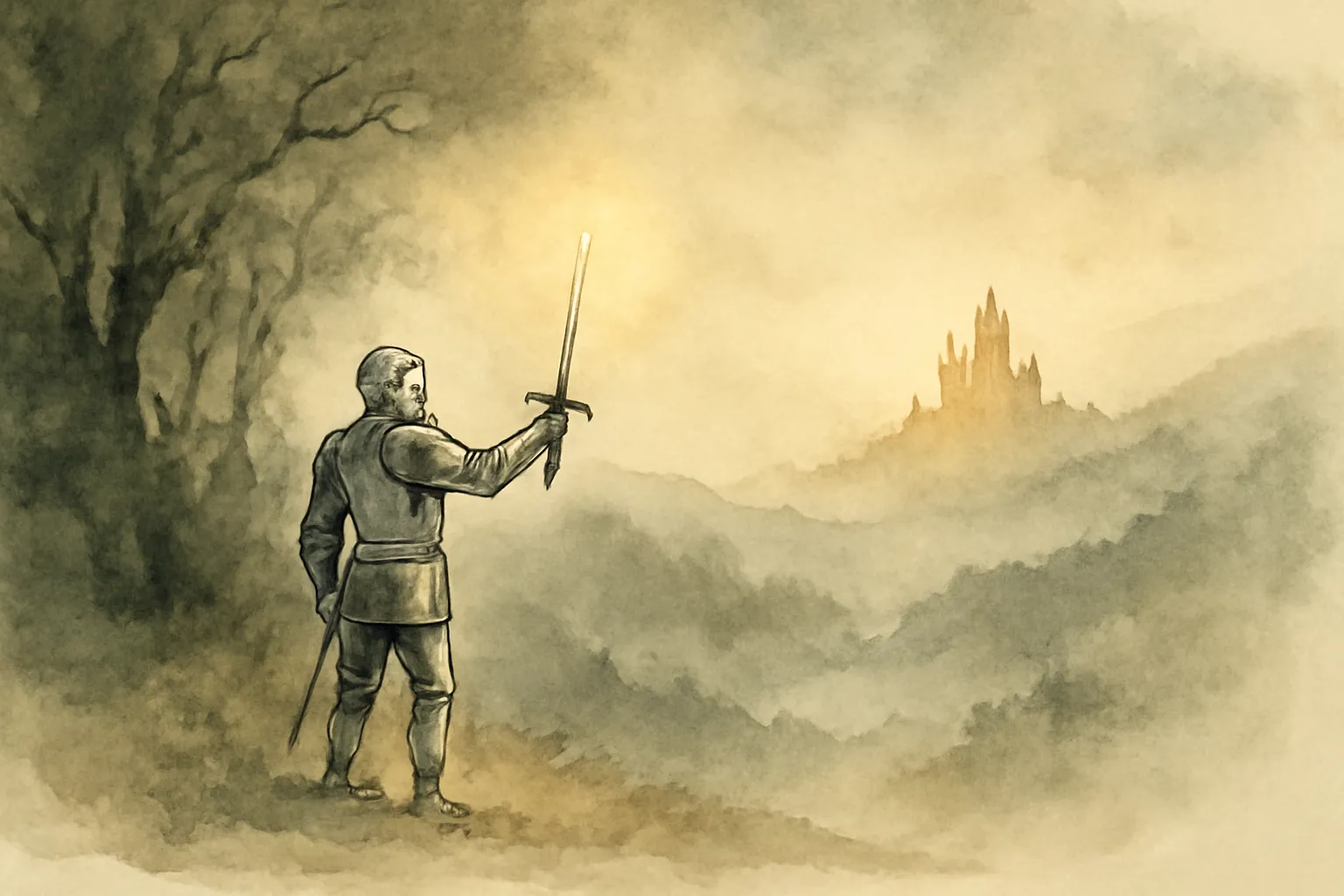
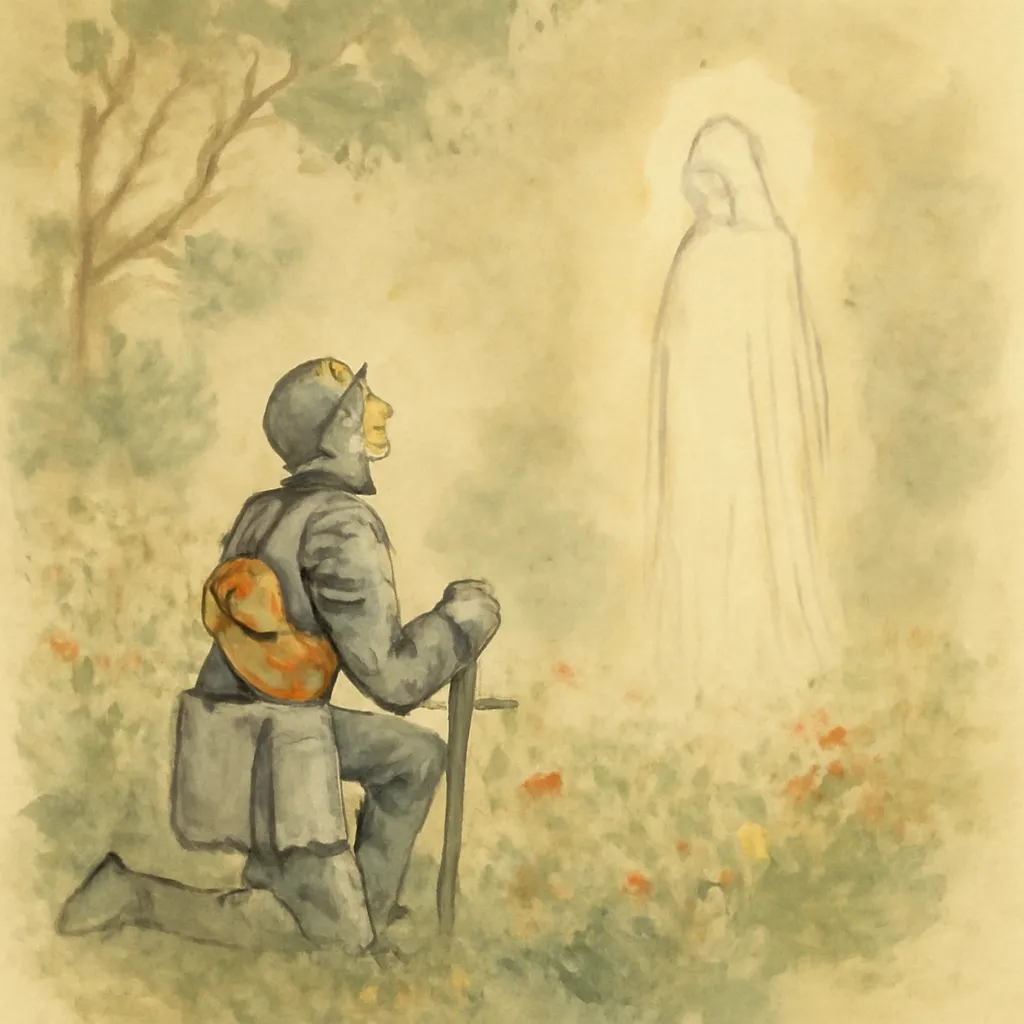
At the heart of 'The Faerie Queene, Book I' lies the quest for holiness, embodied by the Redcross Knight. He is tasked with rescuing Una's parents from the clutches of a dragon, symbolizing sin and moral corruption. This quest is not merely physical; it represents the spiritual journey every individual must undertake to attain virtue and righteousness. The Redcross Knight's initial portrayal as a 'gentle knight' clad in armor signifies his readiness to confront challenges, embodying the ideal of a true Christian warrior. His journey illustrates that the path to holiness is fraught with trials, temptations, and the constant need for faith and perseverance. Through his battles, Spenser emphasizes that holiness is not a static state but a dynamic process of continuous striving towards moral integrity.
2.The Role of Truth
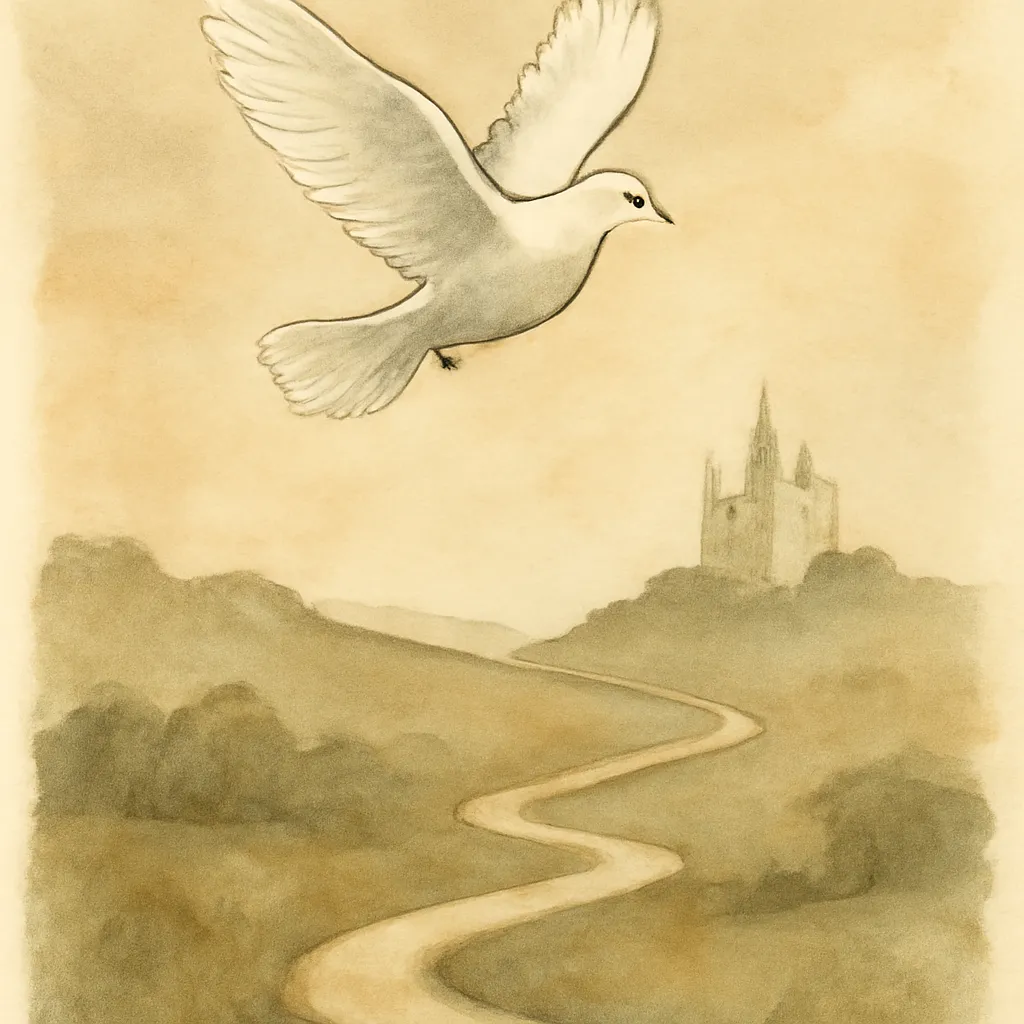
Truth plays a pivotal role in the narrative, personified by Una, who represents the pure and unblemished nature of faith. Her journey alongside the Redcross Knight highlights the importance of truth as a guiding principle in the pursuit of holiness. However, their relationship is tested by the treachery of Archimago, who embodies deception and hypocrisy. By leading the Knight to doubt Una's fidelity, Archimago's actions serve as a cautionary tale about the dangers of falsehood and the ease with which it can undermine faith. Spenser deftly illustrates that truth must be defended against external attacks and internal doubts. The interplay between Una and the Knight underscores that true faith is resilient, capable of withstanding trials and emerging stronger through adversity.
3.The Nature of Deception
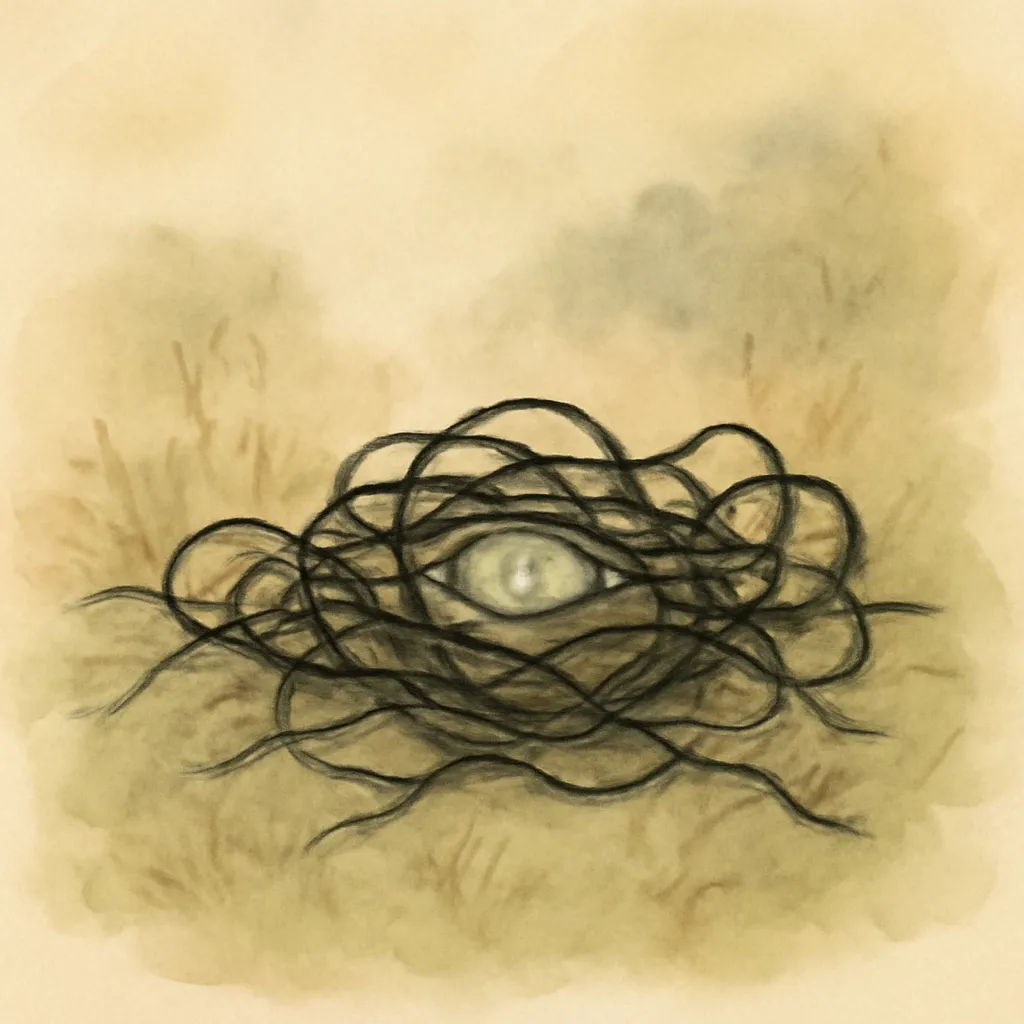
Spenser intricately weaves themes of deception throughout the narrative, primarily through characters like Archimago and Duessa. Archimago, the enchanter, represents the destructive power of lies, manipulating perceptions to create discord between the Knight and Una. His ability to conjure illusions reveals the seductive nature of falsehood, which can lead even the most virtuous astray. Duessa, disguised as Fidessa, further complicates the narrative by seducing the Redcross Knight with her charm, symbolizing the allure of false religion and moral corruption. Through these characters, Spenser critiques the societal and religious hypocrisy of his time, particularly the Catholic Church's manipulations and the dangers of straying from true faith. The consequences of deception are dire, leading to despair and moral downfall, emphasizing the need for discernment and vigilance in the face of temptation.
4.The Symbolism of the Dragon
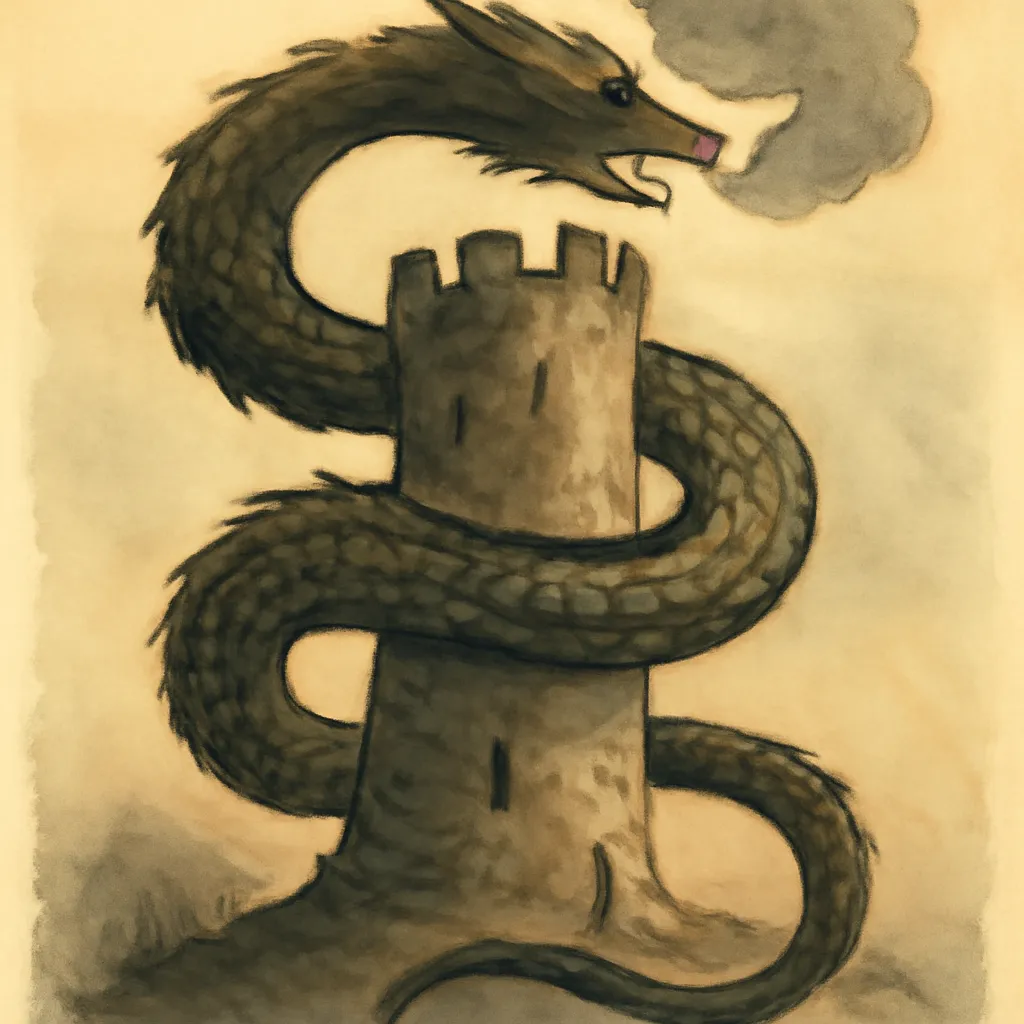
The dragon, serving as the primary antagonist, symbolizes the ultimate embodiment of evil and sin. In the context of the allegory, it represents the Catholic Church and the oppressive forces that seek to undermine the Reformed faith in England. The Redcross Knight's battle against the dragon is not just a physical confrontation but a metaphorical struggle against the vices that plague humanity. The dragon's defeat signifies the triumph of truth and holiness over falsehood and corruption. Spenser's depiction of the dragon's fearsome nature and the Knight's valiant struggle reflects the broader societal conflicts of the Elizabethan era, where the Protestant Reformation sought to reclaim spiritual purity from the clutches of a perceived evil. This confrontation serves as a rallying cry for moral fortitude and the importance of steadfast faith in overcoming life's greatest challenges.
5.Chivalry and Courtly Love
Chivalry and the ideals of courtly love are central to the narrative, influencing the characters' actions and motivations. The Redcross Knight embodies the chivalric virtues of bravery, honor, and loyalty, which are tested throughout his quest. His relationship with Una reflects the ideals of courtly love, where respect and admiration for the lady inspire noble deeds. However, this ideal is complicated by the presence of Duessa, who represents the darker side of love and temptation. Spenser contrasts the purity of Una's love with Duessa's deceitful allure, highlighting the moral choices faced by the Knight. This dynamic serves to illustrate that true love is rooted in virtue and integrity, while false love leads to betrayal and despair. The theme of chivalry thus becomes a vehicle for exploring deeper moral questions about the nature of love and the responsibilities that come with it.
6.The Importance of Guidance
Throughout 'The Faerie Queene, Book I', the theme of guidance is prominent, embodied by various characters who assist the Redcross Knight in his journey. Una serves as a moral compass, guiding the Knight towards truth and righteousness. The dwarf, representing common sense and prudence, also plays a crucial role in providing counsel. Spenser emphasizes that the path to holiness is not a solitary endeavor; individuals require the support and wisdom of others to navigate the complexities of life. The presence of mentors and guides underscores the interconnectedness of the community in the pursuit of virtue. This theme resonates with the Elizabethan context, where the guidance of wise leaders and spiritual mentors was essential for navigating the tumultuous political and religious landscape.
7.The House of Pride
The House of Pride represents a critical turning point for the Redcross Knight, serving as a metaphor for the temptations and distractions that lead one away from the path of virtue. Here, the Knight encounters the Queen of Pride, Lucifera, and her court, embodying the Seven Deadly Sins. This encounter highlights the seductive nature of pride and the moral decay that accompanies it. Spenser's vivid descriptions of the opulence and superficiality of the House of Pride serve as a stark warning against the allure of worldly power and status. The Knight's struggle against the temptations within this house reflects the broader societal challenges faced by individuals striving for holiness amidst a culture that often glorifies pride and vanity. Ultimately, the experience serves as a reminder that true nobility arises from humility and the rejection of prideful pursuits.
8.The Power of Redemption
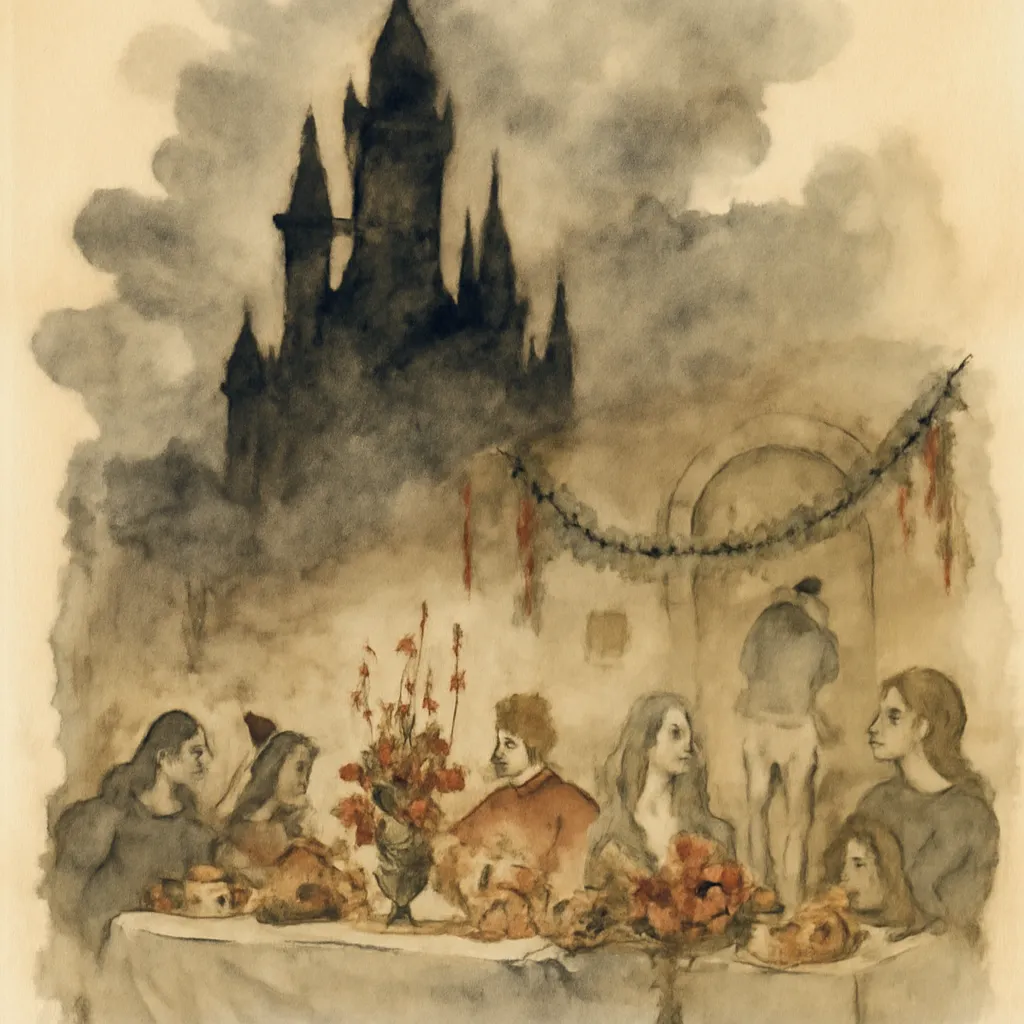
Redemption is a central theme in 'The Faerie Queene, Book I', particularly through the character of the Redcross Knight. His journey is marked by moments of failure and doubt, yet it is through these experiences that he ultimately seeks forgiveness and strives for redemption. The teachings he receives from Dame Coelia and her daughters, representing Faith, Hope, and Charity, reinforce the idea that redemption is attainable through sincere repentance and a commitment to virtuous living. Spenser illustrates that the path to redemption is often fraught with obstacles, but it is through perseverance and the support of others that one can overcome despair and find renewed purpose. This theme resonates with the broader human experience, emphasizing that regardless of past mistakes, the possibility of redemption and transformation is always within reach.
9.The Role of Women
Women in 'The Faerie Queene, Book I' play pivotal roles, often embodying ideals of virtue, truth, and moral guidance. Una, as the personification of truth, is a powerful figure who drives the narrative forward and supports the Redcross Knight in his quest. In contrast, Duessa represents the dangers of deceit and moral corruption, illustrating the duality of female representation in the poem. The interactions between these two characters highlight the complexities of womanhood and the societal expectations placed upon women during the Elizabethan era. Spenser's nuanced portrayal of female characters suggests that women possess significant influence over the moral direction of society, capable of inspiring both virtue and vice. Through their actions, the women in this narrative emphasize the importance of integrity, loyalty, and the pursuit of truth.
10.The Allegorical Landscape
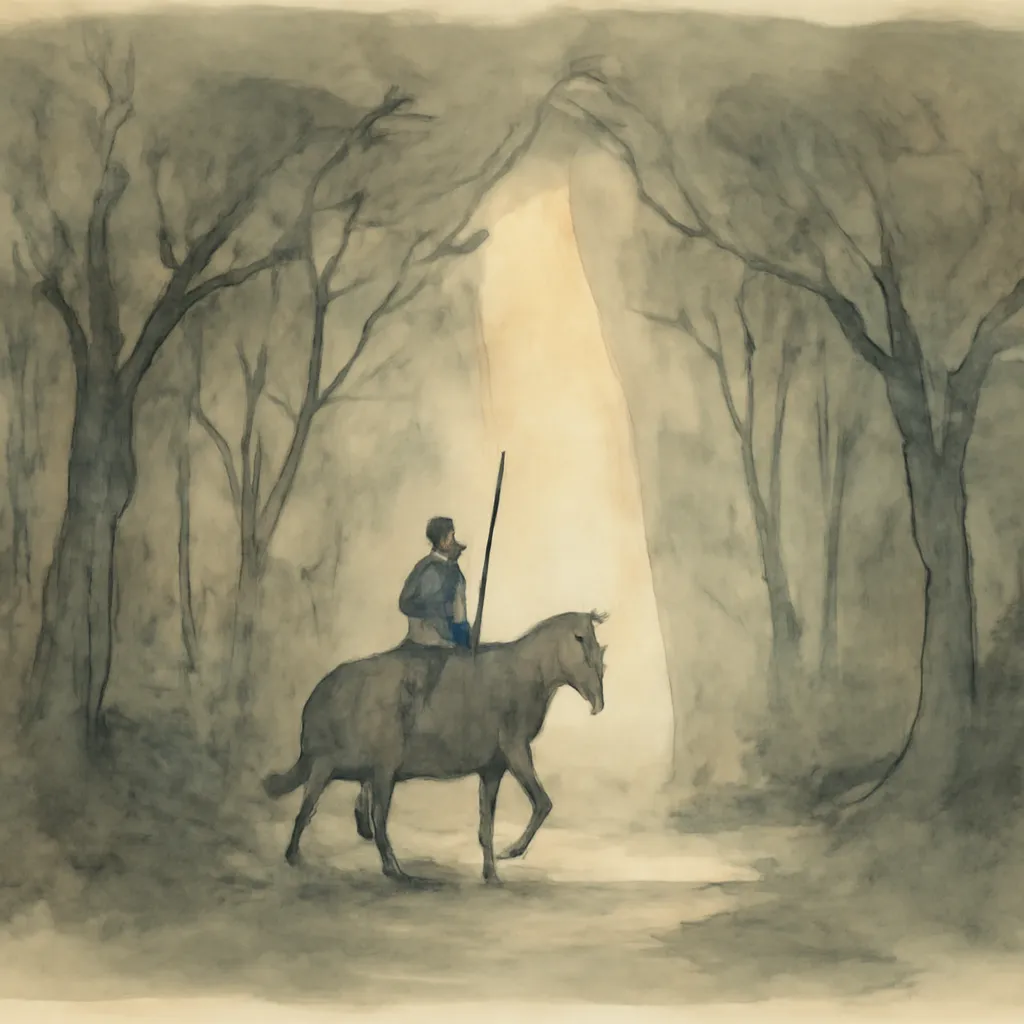
The landscape of 'The Faerie Queene, Book I' serves as a rich allegorical backdrop that reflects the inner struggles of the characters and the overarching themes of the narrative. From the dark woods representing confusion and temptation to the bright landscapes symbolizing truth and enlightenment, the settings are intricately tied to the moral journey of the Redcross Knight. Each location serves to enhance the allegorical meaning, reinforcing the idea that the external world mirrors the internal battles faced by individuals. Spenser's vivid descriptions of the environment not only create a captivating visual experience but also invite readers to consider the deeper implications of their surroundings on their moral choices. The allegorical landscape thus becomes a character in its own right, shaping the narrative and guiding the reader through the complexities of the human experience.