1.The Significance of Domestic Rituals

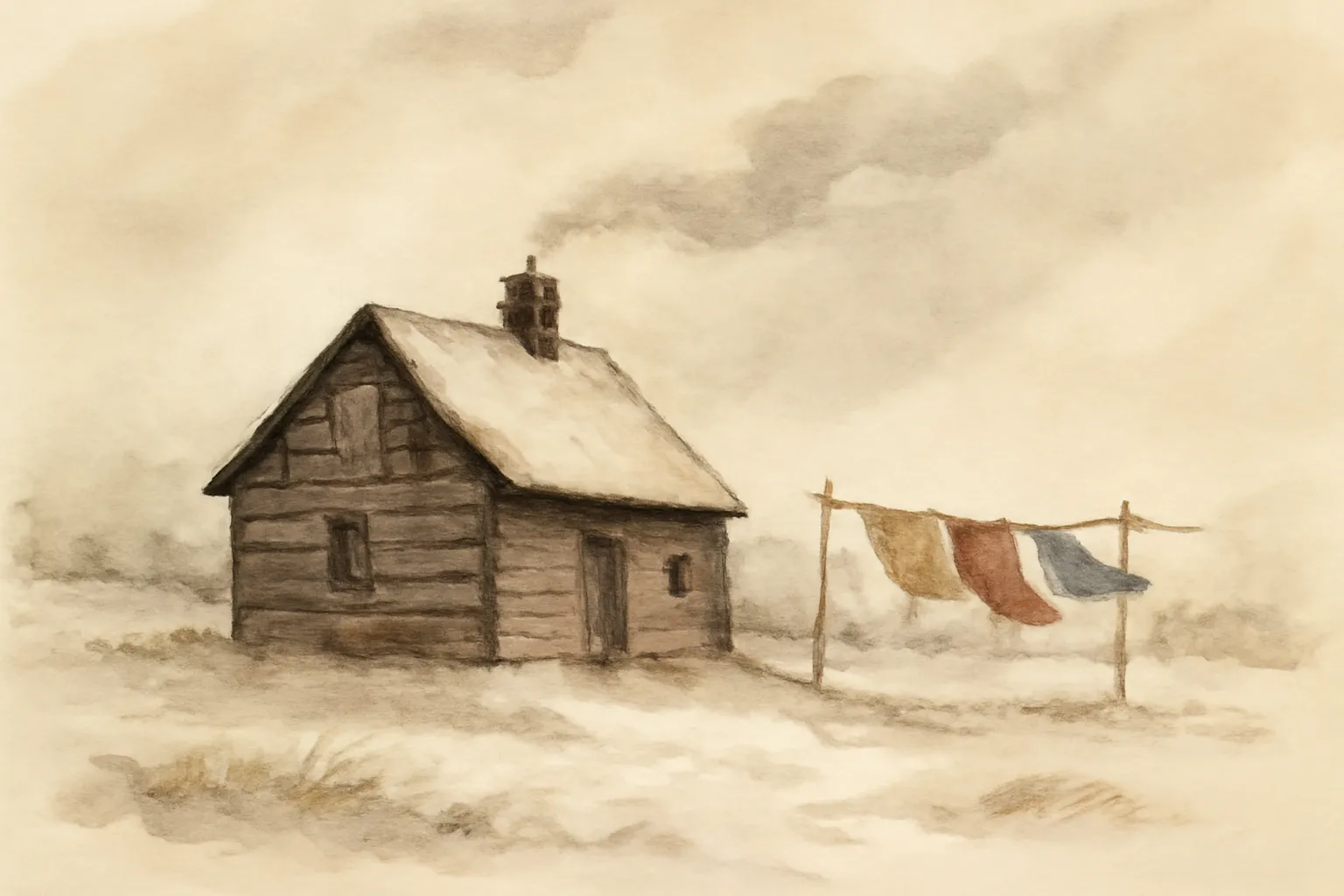
The narrative opens with an exploration of 'Washing Day,' a seemingly mundane yet profoundly significant ritual for the Pilgrim women. On a Monday morning, the importance of this day transcends the act of washing clothes; it symbolizes the establishment of domestic order and community cohesion in their new environment. The two-and-twenty women, immersed in their tasks, are unaware that their actions are setting the foundation for a new society, one grounded in tradition and mutual support. This scene illustrates how domestic rituals serve as a source of comfort and stability amidst the chaos of colonization. The contrasting attitudes of the men, who do not appreciate the significance of these domestic labors, highlight the gender dynamics at play. While the women embody the spirit of resilience and community-building through their daily tasks, the men’s focus on exploration and survival reflects the societal roles assigned to them. This nuance serves to enrich the narrative, emphasizing that the fabric of society is woven from both public and private endeavors.
2.Youth, Friendship, and Aspirations

The interactions between Mary Chilton and Priscilla Molines reveal the vibrant aspirations and youthful exuberance that persist even in the direst circumstances. Their playful banter as they anticipate the launch of the pinnace showcases their youthful spirit and longing for connection amidst the trials of their new life. This dialogue enriches the narrative by illustrating that, despite the hardships they face, the characters still cherish their youth, dreams, and friendships. The depth of their relationship serves as a sanctuary from the harsh realities surrounding them, highlighting the importance of companionship and emotional support. The contrast between their playful exchanges and the gravity of their situation emphasizes that even in times of adversity, the human spirit seeks joy and connection. This theme of youthful aspirations is crucial, reminding readers that the Pilgrims were not merely victims of circumstance, but individuals with hopes and dreams that shaped their experiences and their legacy.
3.Standish's Leadership and Ethical Dilemmas

Myles Standish emerges as a central figure in the narrative, embodying the complexities of leadership during a time of uncertainty. His discussions with Captain Jones reveal his commitment to justice and moral integrity, as he advocates for establishing peaceful relations with the Indigenous peoples. Standish's resistance to the prevailing attitudes of his peers, who view the Indigenous peoples primarily as obstacles or threats, highlights the ethical dilemmas faced by leaders in colonial contexts. His insistence on treating the Indigenous peoples with respect and fairness underscores the importance of moral leadership, especially in moments of crisis. This aspect of Standish's character not only deepens the reader's understanding of him as a leader but also raises critical questions about the responsibilities of power and the consequences of decisions made in the name of survival. The narrative challenges readers to consider the legacy of colonialism and the moral implications of the Pilgrims' interactions with Indigenous communities, emphasizing that leadership is as much about ethical choices as it is about strategy and dominance.
4.Community and Collective Responsibility
The weight of community responsibility becomes more pronounced as the settlers contend with illness and hardship. The rapid spread of disease among the colonists forces those who remain healthy to grapple with the heavy burden of care and support. Characters like Standish and Elder Brewster emerge as pillars of strength, demonstrating that true leadership is marked by service to others. Their dedication to nursing the sick and ensuring the survival of their community reinforces the notion that individual well-being is tied to collective effort. This theme resonates throughout the narrative, illustrating that resilience is not merely an individual trait, but a communal endeavor. The shared struggles faced by the Pilgrims foster deep connections among them, leading to acts of bravery and selflessness that define their early experiences in the New World. Through this lens, the story highlights the importance of collaboration and empathy, reminding readers that survival in challenging times often relies on the strength of community bonds.
5.First Encounters: Fear and Cultural Complexity

The tension surrounding the first encounters with Indigenous peoples is a critical aspect of the narrative, revealing the complexities of cultural exchanges marked by fear, misunderstanding, and the potential for cooperation. The initial skirmishes and subsequent interactions with characters like Samoset and Squanto illustrate a spectrum of emotions, from apprehension to curiosity. Standish's cautious yet bold approach to these encounters reflects a broader theme of navigating the unknown—both in terms of geography and human relationships. The Pilgrims’ uncertainty about the Indigenous peoples is palpable, characterized by a mix of fear and fascination. This nuanced portrayal challenges readers to consider the historical context of these encounters, encouraging reflection on the implications of colonization and the narratives that have shaped perceptions of these interactions. By examining the complexities of human connections across cultural divides, the narrative underscores the importance of empathy and understanding in building bridges between diverse communities.
6.The Indispensable Role of Women
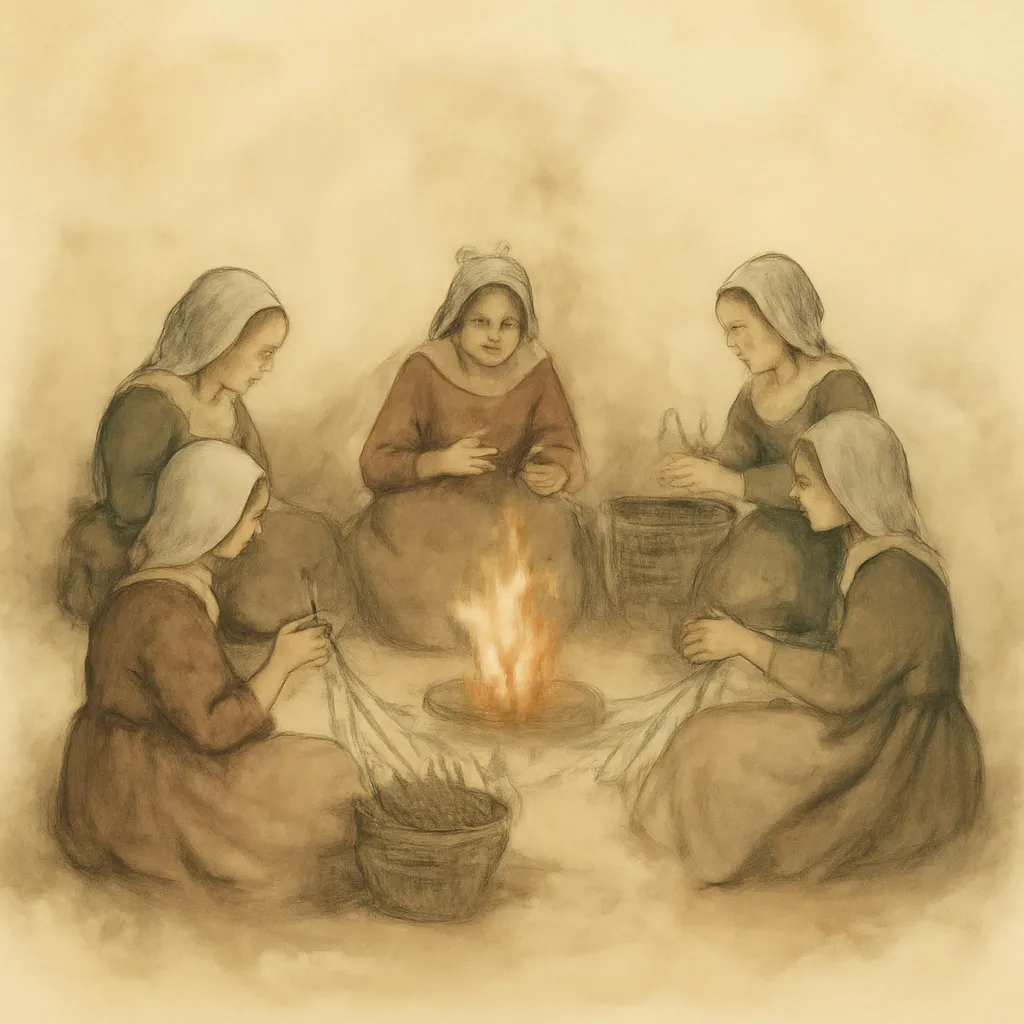
Austin intricately weaves the experiences of the Pilgrim women into the larger narrative, highlighting their indispensable roles in the survival and establishment of the Plymouth Colony. The Pilgrim Mothers are depicted not as passive figures but as active participants in creating a sustainable society. Their strength, resilience, and resourcefulness are showcased through scenes of caregiving, community organization, and the maintenance of domestic life. This focus on women’s experiences serves to challenge traditional historical narratives that often overlook their contributions. The book brings to light the emotional and practical labor that these women undertook, emphasizing that the foundation of society is built not only on the actions of its leaders but also on the everyday sacrifices of those who nurture and sustain the community. By centering the voices and experiences of women, Austin enriches the historical account, allowing readers to appreciate the multifaceted nature of the Pilgrim experience and the vital role women played in shaping the early colonies.
7.Crisis as a Catalyst for Unity

The epidemic that sweeps through the colony becomes a catalyst for unity among the settlers, illustrating how shared suffering can forge deeper connections. As illness ravages the community, the remaining healthy individuals band together to care for the sick, demonstrating the power of solidarity in times of crisis. The narrative showcases how characters like Standish and Brewster not only provide physical care but also emotional support, fostering hope amidst despair. This theme of unity underscores the notion that adversity can strengthen communal bonds, transforming individuals into a cohesive force working toward a common goal. The shared commitment to nurturing one another during these trying times becomes a testament to the resilience of the human spirit, emphasizing that survival is often a collaborative effort. Through this lens, the story highlights the importance of empathy and compassion, suggesting that collective action in the face of adversity is as vital as individual courage.
8.The Transformation of Leadership: Carver to Standish

The transition of leadership from John Carver to Myles Standish marks a significant turning point in the narrative, reflecting the evolving needs of the colony. Carver’s death exposes the vulnerabilities of the community during a time of crisis, while Standish’s ascension as a military leader signifies a shift toward a more pragmatic approach to governance. The juxtaposition of their leadership styles highlights the complexities of authority in a fledgling society. Standish’s military background and no-nonsense demeanor contrast with Carver’s more diplomatic style, illustrating that the challenges of survival demand adaptability and resilience in leadership. This evolution speaks to the broader theme of how communities must evolve to meet the demands of their circumstances. The narrative captures the essence of this transformation, emphasizing that effective leadership in turbulent times often requires a balance of compassion and decisiveness to ensure the survival and prosperity of the community.
9.Cultural Exchange and the Legacy of Misunderstanding

As the Pilgrims encounter Indigenous peoples, the narrative delves into the complexities of cultural exchange and the misunderstandings that arise. Characters like Squanto and Samoset serve as intermediaries, illustrating the potential for cooperation despite deep-seated fears. The Pilgrims’ initial misconceptions about the Indigenous peoples are gradually challenged as they learn to navigate these new relationships. This theme of cultural exchange underscores the importance of empathy, communication, and the willingness to learn from one another in fostering peaceful coexistence. The narrative invites readers to reflect on the ongoing implications of these early encounters, emphasizing that the legacies of colonialism continue to shape contemporary societies. By examining the dynamics of cross-cultural interactions, the story highlights the importance of understanding history in a nuanced manner, recognizing the diverse perspectives that contribute to our collective narrative.