1.The Concept of Stigma
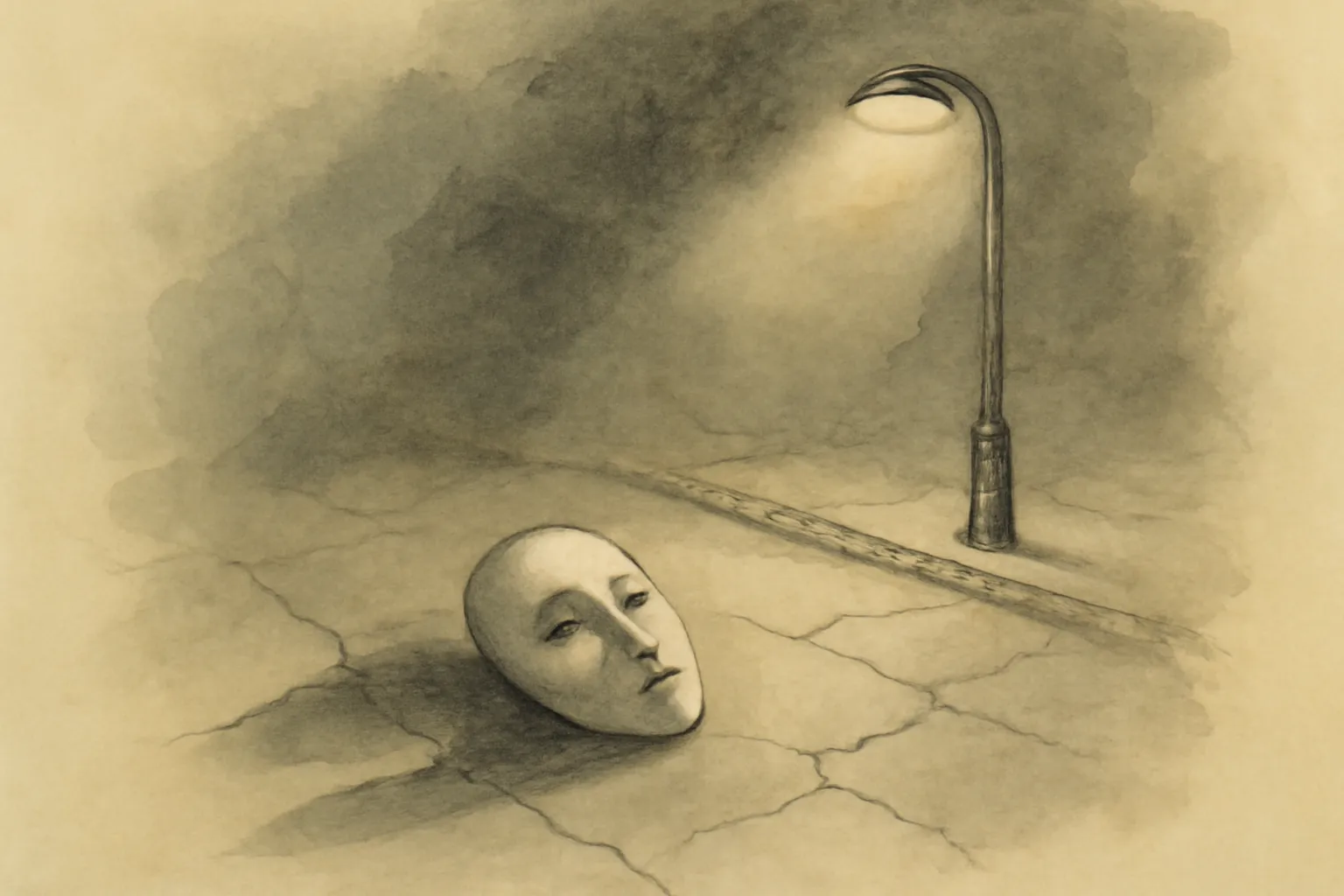
Goffman defines stigma as an attribute that deeply discredits an individual, reducing them from a whole and usual person to a tainted, discounted one. Stigma is not inherent in the attribute itself but arises from the social context and the reactions of others. The book distinguishes between visible and invisible stigmas, and how each affects social interactions and self-perception.
2.Social Identity and 'Spoiled' Identity
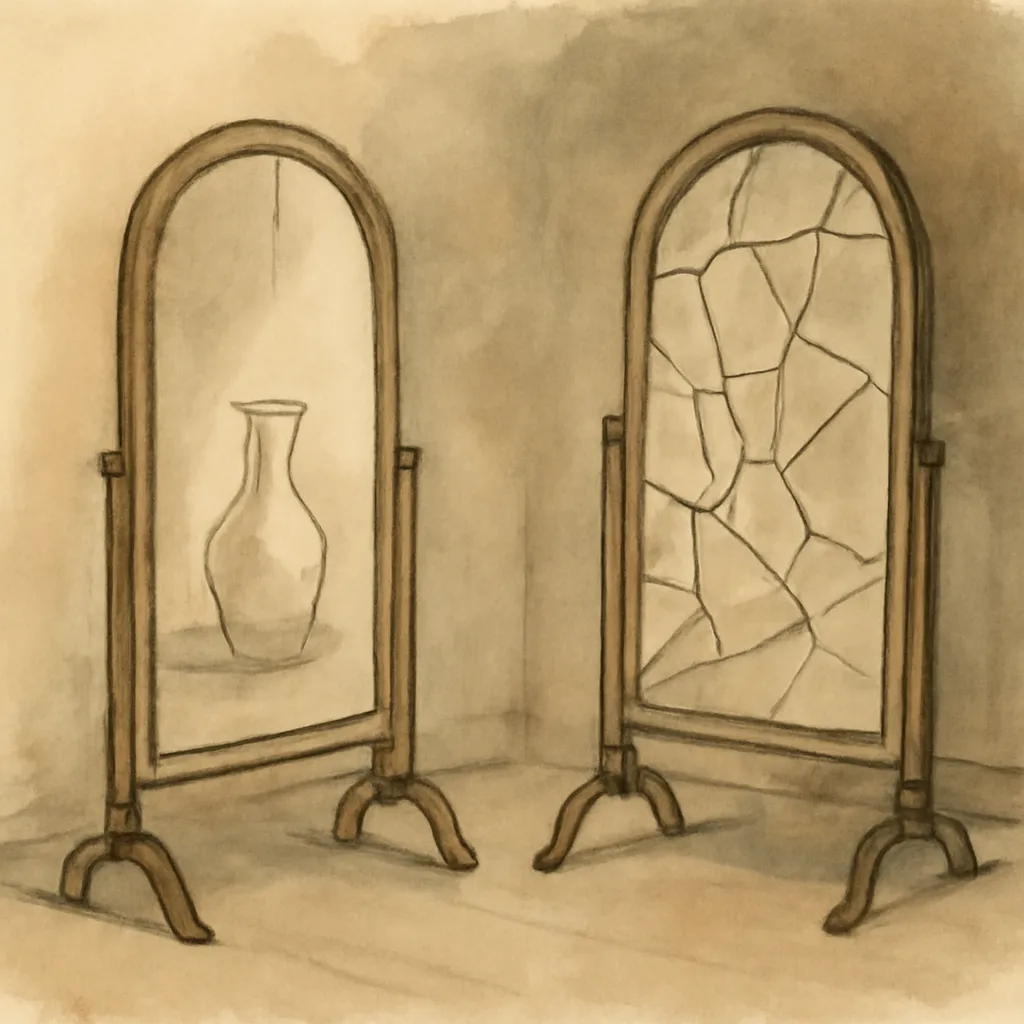
The book explores the tension between a person's actual social identity (who they are) and their virtual social identity (who others assume them to be). When these do not align—due to stigma—the individual’s identity is 'spoiled.' Goffman analyzes how this gap leads to anxiety, self-consciousness, and the need for constant impression management.
3.Passing and Covering
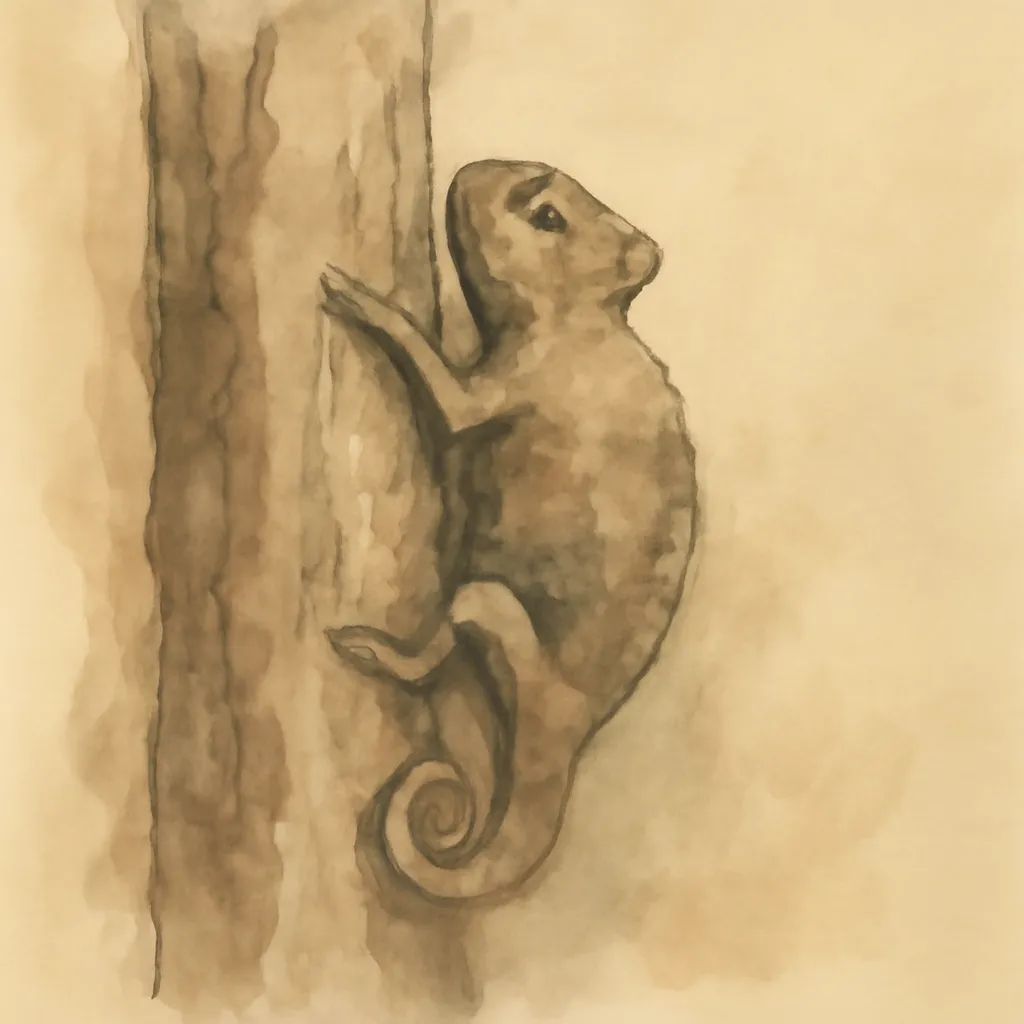
Stigmatized individuals often try to 'pass' as normal or 'cover' their differences to avoid discrimination. Goffman details the psychological toll and practical strategies involved in hiding or minimizing stigmatized traits, whether through concealment, avoidance, or selective disclosure. These strategies are fraught with risk and can lead to isolation or fear of exposure.
4.The Role of 'Normals' and Social Structures
Goffman emphasizes that stigma is a social process, maintained and enforced by 'normals'—those who fit society’s standards. Institutions, language, and daily interactions all reinforce who is accepted and who is marginalized. The book shows how these structures shape not only the experience of the stigmatized but also the attitudes and behaviors of the wider community.
5.Stigma Management and Group Solidarity
Those with similar stigmas often form subcultures or support networks, creating spaces where their identities are affirmed rather than devalued. Goffman explores how these groups provide emotional support, shared language, and collective strategies for coping, but also how they can reinforce separation from the mainstream.
6.The Moral Career of the Stigmatized
Goffman introduces the idea of a 'moral career'—the stages a person goes through upon acquiring a stigma, from initial realization to adaptation. This process involves learning the rules of managing a spoiled identity, negotiating disclosure, and sometimes embracing or resisting the stigmatized status.