

Identity (Psychology) · Prejudices · Social adjustment
Stigma: Notes on the Management of Spoiled Identity by Erving Goffman — Summary, Key Ideas & Quotes
1963171 pages✦ 3-min Big ideas★ 4.0 (4)
Rate it
In this groundbreaking work, acclaimed sociologist Erving Goffman examines how society treats those who it considers abnormal. Forced to adjust their social identities from situation to situation, Goffman analyses the variety of strategies that stigmatised individuals deploy to deal with the rejection of others, as well as the complex image of themselves they subsequently project. Relying extensively on biography and the lived experience of those who have found themselves on the edges of society, Goffman lays out the ways in which stigma dramatically alters the way the person affected feels about themselves, and the ways in which it can often violently shatter their relationships with 'normal' people.
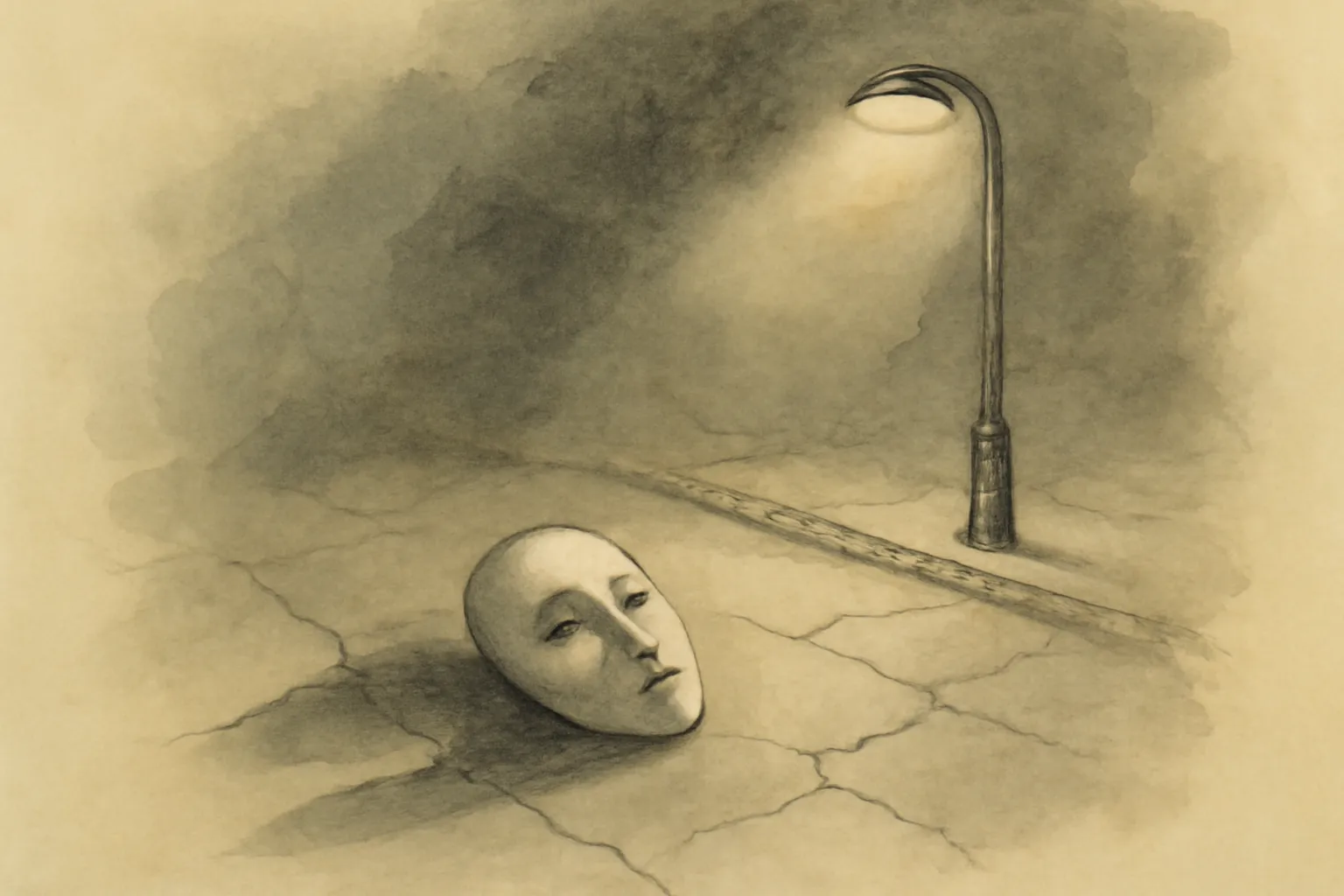
Goffman defines stigma as an attribute that deeply discredits an individual, reducing them from a whole and usual person to a tainted, discounted one. Stigma is not inherent in the attribute itself but arises from the social context and the reactions of others. The book distinguishes between visible and invisible stigmas, and how each affects social interactions and self-perception.
The book explores the tension between a person's actual social identity (who they are) and their virtual social identity (who others assume them to be). When these do not align—due to stigma—the individual’s identity is 'spoiled.' Goffman analyzes how this gap leads to anxiety, self-consciousness, and the need for constant impression management.
“The stigmatized individual is asked to act so as to imply neither that his burden is heavy nor that bearing it has made him different from us.”
“By definition, of course, we believe the person with a stigma is not quite human.”
