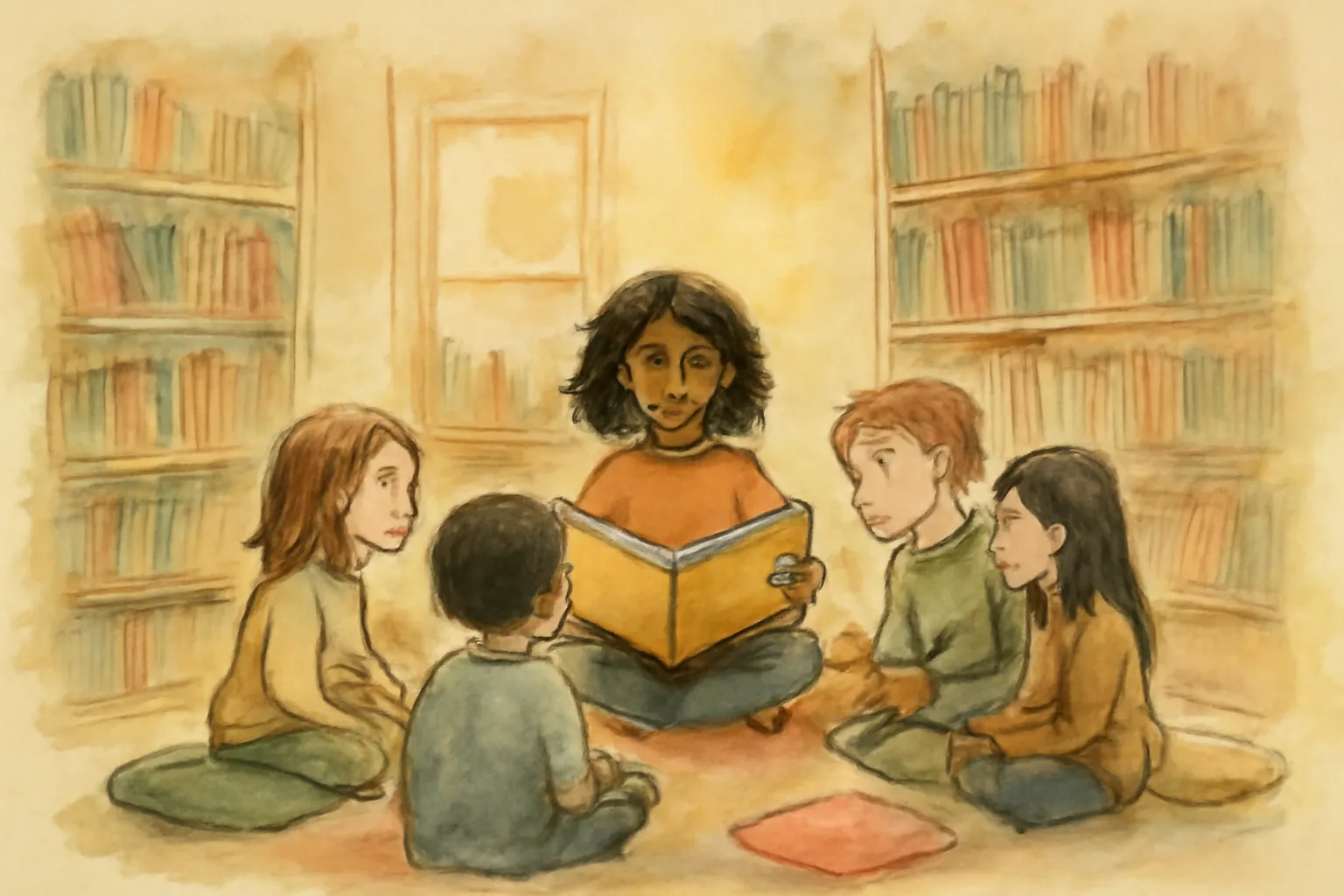
1.The Importance of Selection in Building Reading Habits
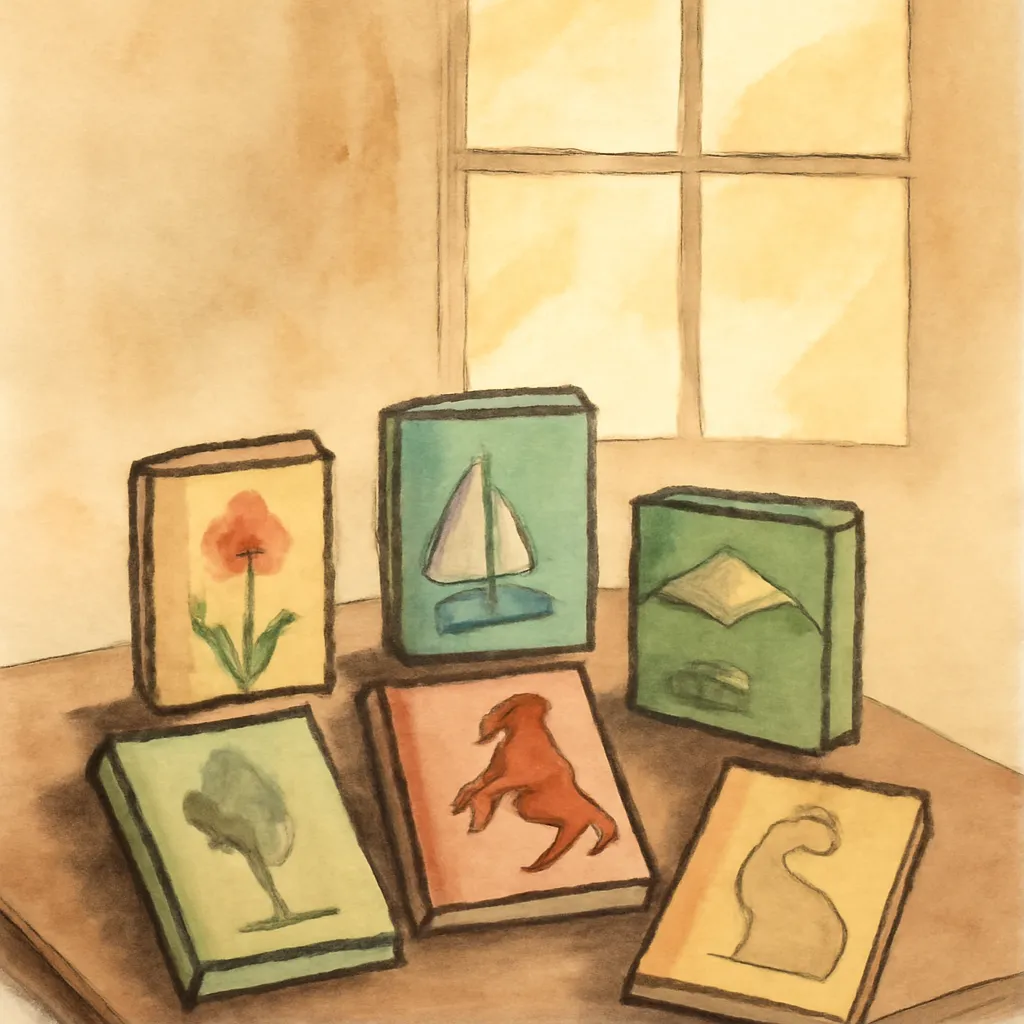
Choosing the right reading material is crucial in developing a lifelong love for literature among students. The selections in this volume are curated not just for their historical significance but for their ability to engage seventh graders emotionally and intellectually. By introducing students to 'virile and enjoyable literature,' the book aims to spark curiosity and encourage further reading. Selections like the evocative 'Cratchits' Christmas' by Charles Dickens exemplify this approach, as they combine rich storytelling with moral lessons that resonate with young readers. The careful selection process is essential for instilling a taste for quality literature, which can influence students' future reading choices and their overall attitude toward books. The stories included serve not only to educate but also to entertain, ensuring that students associate reading with positive experiences and emotional engagement. This foundation is vital for fostering an enduring interest in literature beyond the classroom setting. Additionally, by presenting diverse voices and experiences, the reader can broaden students' perspectives on the world around them and inspire them to seek out a wider variety of texts in their future reading endeavors.
2.Thematic Grouping for Enhanced Understanding

The organization of the text into thematic sections such as 'Adventure,' 'From Great Books,' and 'Our Country' serves a dual purpose: it provides continuity and allows for comparative analysis. By presenting related readings together, students can draw connections between different authors' treatments of similar themes. This approach fosters critical thinking and encourages students to think beyond the text. For example, juxtaposing stories about historical figures like Washington and Lincoln within the same section can lead to discussions about leadership qualities, the impact of their decisions, and their legacies. Furthermore, teachers are encouraged to move between sections as student interests evolve, ensuring that lessons remain dynamic and responsive to learners' needs. This flexibility in teaching allows for an adaptable learning environment where students can pursue their interests, thereby making reading a more personal and engaging endeavor. Such thematic groupings not only help reinforce the material but also encourage students to engage in deeper discussions about the texts. Additionally, by creating a sense of cohesion through these themes, educators can help students see literature as a tapestry of interconnected ideas and narratives, rather than isolated stories.
3.Engaging with Poetry: Rhythm and Emotion

Poetry is a significant component of the reading selections, providing students with opportunities to engage with language in a unique way. The rhythmic quality of poems like 'Harvest Song' by James Montgomery invites students to explore sound and meaning simultaneously. Through reading aloud and analyzing the emotional undertones of these works, students can develop a deeper appreciation for the craft of poetry. The poem's themes of gratitude and celebration of nature resonate with the experiences of young readers, making it relatable and impactful. Encouraging students to respond to poetry through creative activities like dramatization or personal reflection can further enhance their connection to the text. Poetry discussions can also promote emotional literacy, as students learn to articulate their feelings and thoughts in response to the verses they encounter. This engagement with poetry helps students refine their analytical skills while also fostering a sense of community as they share their interpretations and personal reflections. Additionally, poetry can serve as a powerful tool for self-expression, allowing students to explore their identities and emotions in a supportive environment.
4.The Role of Historical Context in Literature

Understanding the historical context of literary selections is essential for seventh graders, as it enriches their reading experience. The autobiography of Abraham Lincoln provides insights into the life of one of America's most revered figures. By examining his humble beginnings, students can relate to themes of perseverance and the value of education, regardless of background. This connection can foster a sense of hope and ambition among students, encouraging them to pursue their dreams despite obstacles. Similarly, 'Washington's Greatest Battle' by Frederick Trevor Hill introduces students to pivotal moments in American history, fostering a sense of national identity and pride. Engaging students in discussions about how historical events shape literature can lead to a greater appreciation for both the texts and the times in which they were written. This contextual understanding also encourages students to consider how literature reflects the human experience across different eras and cultures. By examining the social, political, and cultural conditions that give rise to literary works, students gain a richer understanding of the narrative and its implications.
5.Interactive Learning Through Socialized Work

The book promotes socialized work by encouraging collaborative activities such as dramatization and committee projects. These interactive elements not only make learning more engaging but also help students develop essential skills like teamwork, communication, and critical thinking. For instance, appointing a committee to report on Dickens's life and writings allows students to take ownership of their learning while fostering a sense of community in the classroom. Such activities can lead to lively discussions and debates, enhancing students' ability to articulate their thoughts and opinions. By integrating social learning opportunities, educators can create a more dynamic and supportive classroom environment where students feel valued and empowered to express their ideas. This form of collaborative learning can also help students develop empathy by understanding diverse perspectives as they work together to analyze texts and share their insights. Furthermore, through socialized work, students can build relationships with their peers, which enhances their overall educational experience and contributes to a positive classroom culture.
6.Literature as a Reflection of Life's Adventures
Literature often mirrors the adventures and experiences of life, providing students with a lens through which to explore their own journeys. Stories of adventure, such as 'A Grandstand Seat in the Sky' by Howard Mingos, offer thrilling accounts that can inspire students to seek their own experiences outside the classroom. By discussing the motivations and challenges faced by characters in these stories, students can draw parallels to their lives, thereby enhancing their understanding of personal growth and resilience. This connection between literature and life can motivate students to embrace their own adventures, whether in reading or in real-world experiences. By recognizing that stories often reflect universal truths, students can find meaning in their own experiences, fostering a deeper connection to the texts they read. Additionally, adventure stories encourage students to think critically about courage, decision-making, and the consequences of choices, fostering their development as thoughtful individuals.
7.The Power of Storytelling in Building Empathy

Narrative storytelling has the power to foster empathy and understanding among students. By immersing themselves in the lives of characters from diverse backgrounds, students can develop a deeper appreciation for different perspectives. Works like 'The Holiday Spirit' by Emile Souvestre illuminate the struggles and triumphs of individuals, prompting students to reflect on their values and beliefs. This empathetic engagement with literature can lead to important discussions about social issues, cultural differences, and shared human experiences. By encouraging students to consider the feelings and motivations of characters, educators can help cultivate a more compassionate and understanding classroom environment. Storytelling as a tool for empathy also prepares students for future interactions in an increasingly diverse world, equipping them with the skills needed to navigate complex social dynamics. Furthermore, through literature, students learn to appreciate the richness of human emotions and the importance of kindness and compassion in their own lives.
8.Fostering Critical Thinking Through Analysis

The selections in 'Story Hour Readings: Seventh Year' are designed to stimulate critical thinking skills among students. By engaging with texts that provoke questions and discussions, students learn to analyze and interpret literature on a deeper level. For example, examining the themes of sacrifice in 'O Captain! My Captain!' allows students to explore complex emotions associated with loss and leadership. Encouraging students to ask questions such as 'What does this poem reveal about the human condition?' fosters analytical thinking and deepens their understanding. This focus on critical analysis prepares students for more advanced literary studies in the future. Furthermore, by discussing and debating interpretations, students develop their argumentation skills, learning to back up their viewpoints with evidence from the texts. These critical thinking exercises not only enhance comprehension but also encourage students to think independently and develop their own analytical voice.
9.Encouraging Lifelong Reading Habits
Ultimately, the goal of 'Story Hour Readings: Seventh Year' is to instill a love for reading that extends beyond the classroom. By providing students with access to quality literature, educators can inspire curiosity and a desire to explore new genres and authors. The book emphasizes the importance of creating a positive reading environment, where students feel comfortable expressing their thoughts and ideas. Encouraging independent reading and offering book recommendations can further enhance students' engagement with literature. As students discover the joys of reading, they are more likely to become lifelong learners and avid readers, equipped with the skills needed to navigate an ever-changing world. Building a reading culture in the classroom can significantly impact students' academic success and personal growth. By fostering an environment where reading is celebrated and valued, educators lay the groundwork for students' future achievements and their ability to engage meaningfully with the world around them.