1.The Outsider’s Perspective
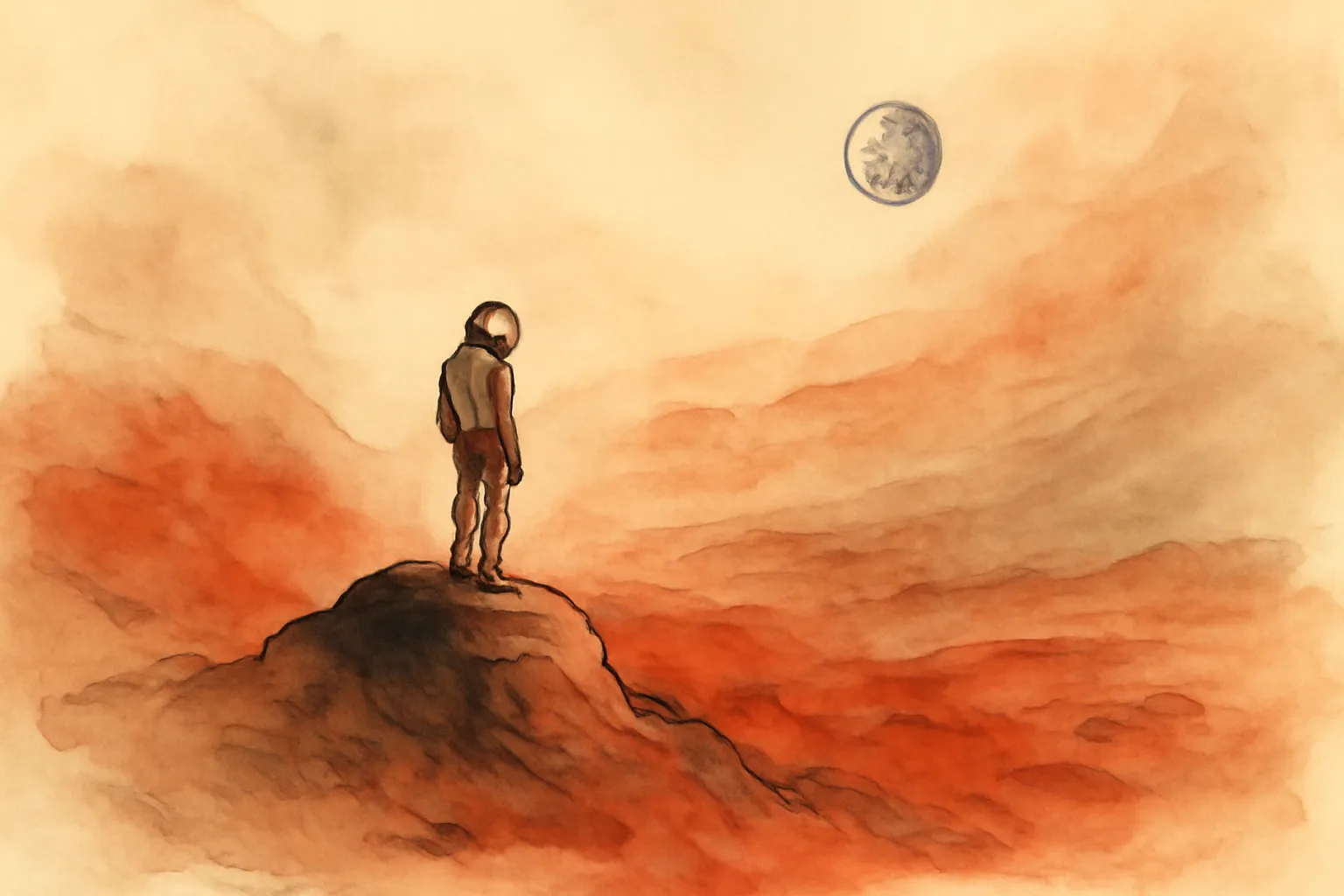
Valentine Michael Smith, a human raised by Martians, returns to Earth and views humanity with complete innocence and detachment. His inability to intuitively grasp human customs, language, and taboos allows Heinlein to expose the arbitrariness of social norms. Through Smith’s eyes, readers are prompted to question what is considered 'natural' or 'right' in their own culture, highlighting the power of perspective in shaping reality.
2.Religion and Spirituality Reimagined
A major thread in the novel is Smith’s creation of a new religion based on Martian philosophy, which challenges conventional beliefs about God, morality, and the afterlife. Heinlein uses this narrative to critique organized religion, suggesting that spiritual truth may be more personal and fluid than dogma allows. The book’s depiction of ritual, community, and transcendence invites readers to reconsider the role of faith in human life.
3.The Nature of Love and Sexuality
Stranger in a Strange Land was groundbreaking in its frank treatment of sexuality and free love, especially for its time. Smith’s Martian-influenced ideas about love, jealousy, and physical intimacy contrast sharply with Earth's possessive and repressive attitudes. Heinlein uses these differences to question the basis and purpose of sexual norms, advocating for a more open and communal approach to relationships.
4.Individual Freedom vs. Social Control
The novel explores the tension between personal liberty and societal expectations. Smith’s very existence is seen as a threat by governments and institutions, who seek to control or exploit him. Heinlein’s narrative champions the individual’s right to self-determination, warning against the dangers of conformity and authoritarianism. This theme resonates with ongoing debates about freedom, privacy, and the limits of state power.
5.Language as a Tool of Thought
Central to Smith’s transformation—and that of his followers—is the Martian language, which shapes perception and enables psychic abilities. Heinlein suggests that language is not just a means of communication, but a framework that defines what we can think and experience. This idea, influenced by linguistic relativity, underscores the novel’s fascination with how expanding our vocabulary can expand our consciousness.
6.Satire of Modern Society
Heinlein uses sharp satire to lampoon politics, media, religion, and social hypocrisy. The Earth society Smith encounters is depicted as both absurd and dangerous, with self-serving leaders and shallow public discourse. By exaggerating these flaws, Heinlein invites readers to reflect on the shortcomings of their own world and the potential for radical change.