1.The Nature of the Unknown
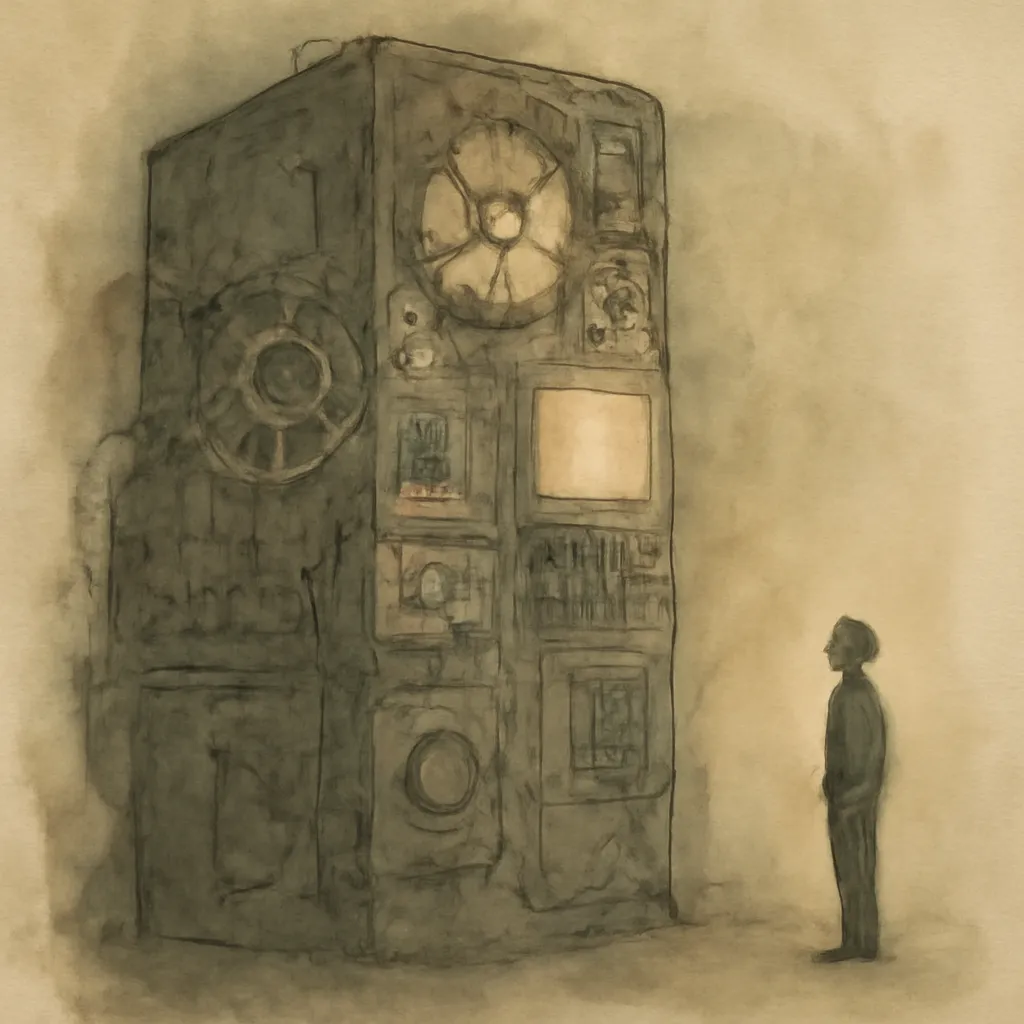
The narrative opens with a palpable sense of confusion surrounding the FBI's investigation into phenomena that defy explanation. Director Andrew J. Burris expresses his frustration and helplessness when confronted with inexplicable occurrences, stating, "We don’t know what the hell it is." This encapsulates a central theme of the book: the struggle to make sense of the unknown. The characters grapple with their inability to comprehend the events unfolding around them. This ongoing quest to decipher the unknown reflects a broader societal anxiety regarding change and the fear of the unfamiliar. The characters' investigations serve as metaphors for humanity's broader struggles to confront and understand the mysteries that lie beyond conventional knowledge.
2.Telepathy: A Double-Edged Sword
As Malone delves deeper into the investigation, he uncovers the existence of telepaths and the potential implications of their abilities. Telepathy is portrayed not merely as a gift but as a potential threat, complicating the relationship between individuals and society. The idea that telepaths could manipulate or influence others raises ethical questions about free will and consent. Malone’s realization of the profound implications of telepathy illustrates that no power comes without responsibility. The ethical dilemmas posed by telepathy extend to the broader implications of individual power within society and challenge the characters, and by extension the readers, to consider how extraordinary abilities can both illuminate and obscure the truth.
3.The Efficiency of Organizations
Garrett contrasts the inefficiencies of government with the seemingly flawless operations of organizations like the Psychical Research Society (PRS). Malone's realization that the PRS operates with a level of efficiency that is rare in bureaucratic structures raises questions about the nature of knowledge and expertise. When Malone notes how the PRS responds quickly and effectively to unusual phenomena, it highlights the potential for private organizations to outpace public institutions in specific domains. This theme prompts readers to consider how knowledge is organized and the implications of hidden agendas within powerful institutions. The portrayal of the PRS as both a source of knowledge and a potential manipulator of information invites readers to reflect critically on who controls knowledge and how it can be used or misused.
4.The Quest for Knowledge
Malone's journey is not merely one of external investigation but also one of intellectual discovery as he seeks answers about psionics and telepathy. His reliance on Dr. Thomas O’Connor, a psionics expert, illustrates the importance of expertise in navigating uncharted territories of the mind. However, O’Connor's dismissal of certain 'crackpot' literature raises the tension between established science and unconventional ideas. This dichotomy encourages readers to question the boundaries of accepted knowledge and consider the value of exploring ideas that may initially seem absurd or unorthodox. Malone's gradual acceptance of the existence of telepathy and other psionic phenomena challenges the rigid confines of scientific thinking, suggesting that the pursuit of knowledge is often fraught with uncertainty and the need for openness to new possibilities.
5.The Role of Personal Relationships
Personal relationships play a crucial role in shaping the characters’ experiences and decisions throughout the narrative. Malone’s interactions with characters like Luba Garbitsch and Sir Lewis Carter reveal the complexities of trust and loyalty in a world filled with deception. These dynamics underscore that personal connections can be both a source of strength and vulnerability. Luba's dual identity and her relationship with Malone complicate his understanding of loyalty and truth, highlighting how interpersonal relationships can influence decision-making in high-stakes situations. The emotional stakes are heightened as Malone navigates these relationships, illustrating how human connections often dictate the flow of the plot and the characters' fates. This exploration of relationships encourages readers to consider how their own connections shape their perceptions and actions.
6.The Impact of Technology on Humanity
The story also addresses the relationship between technology and human capabilities, particularly through the lens of computers and artificial intelligence. Malone’s investigation into the discrepancies between machine outputs suggests that technology, while powerful, is not infallible. The malfunctioning machines serve as a metaphor for the limitations of human understanding and the potential for error even in advanced systems. This juxtaposition of human abilities against technological advancements raises questions about the reliance on machines in society and the need for human oversight in an increasingly automated world. The narrative urges readers to reflect on how technology shapes human experience and the importance of retaining a human touch in processes that heavily depend on artificial intelligence.
7.The Nature of Reality and Perception
Throughout 'Supermind', the distinction between reality and perception is a recurring theme. Characters grapple with the idea that what they perceive may not accurately reflect the truth. Malone’s struggles to make sense of the bizarre events around him highlight the subjective nature of experience and the challenges of discerning reality in a world filled with deception. The narrative suggests that reality is often a construct shaped by individual perception, and this theme invites readers to reflect on their own perceptions and how those perceptions inform their understanding of the world. As characters confront their beliefs about what is real, the reader is encouraged to question their own frameworks of understanding and consider the complexities of human cognition.
8.The Significance of Historical Context
Garrett weaves a historical context into the narrative that enriches the reader’s understanding of the characters’ motivations and the societal backdrop against which the story unfolds. References to past events, such as the fall of Rome and the tumultuous political climate of the 1970s, serve as reminders that history shapes present realities. This historical lens prompts readers to consider the cyclical nature of societal challenges and the ways in which past lessons can inform current decisions. By situating the story within a historical framework, Garrett invites readers to draw parallels between historical events and contemporary issues, emphasizing the relevance of history in shaping human behavior and societal trends.
9.The Exploration of Identity
Malone's journey is also an exploration of identity, particularly as he confronts the implications of being part of a system that seeks to understand and control extraordinary abilities. His struggle to reconcile his role within the FBI with his growing awareness of telepathy and psionics forces him to question what it means to be human. As he navigates the complexities of his identity, Malone’s character arc reflects the broader theme of self-discovery in the face of external pressures. This theme resonates with readers as they consider their own identities in relation to societal expectations and the complexities of navigating a world filled with hidden powers. The narrative encourages a deep reflection on how personal identity is influenced by relationships, experiences, and the search for truth.
10.The Duality of Power
The narrative ultimately centers on the duality of power—how it can be both a means of control and a source of liberation. Characters like Burris and Malone embody different aspects of power, with Burris representing institutional authority and Malone representing individual agency. Through their interactions, Garrett explores how power dynamics shape the characters’ choices and ultimately their fates. The way characters navigate their own power and the power of others invites readers to reflect on their own relationship with authority and control. This exploration of power dynamics underscores the idea that understanding and wielding power effectively requires both awareness and responsibility, highlighting the complexities of human interactions in high-stakes scenarios.
11.The Importance of Collaboration
Throughout 'Supermind', the theme of collaboration is vital to resolving complex problems. Malone's interactions with various entities, from the FBI to the PRS, emphasize that no single individual can solve the intricate puzzles presented by the narrative. The necessity of collaboration reinforces the idea that diverse perspectives are crucial when confronting multifaceted issues. This theme resonates with readers as they reflect on their own experiences with teamwork, illustrating that collaboration can lead to innovative solutions where individual efforts may fail. Garrett posits that understanding differences and leveraging collective strengths can enhance problem-solving capabilities and foster a sense of unity in the face of adversity.