1.The Foundations of Activism: Early Life and Influences
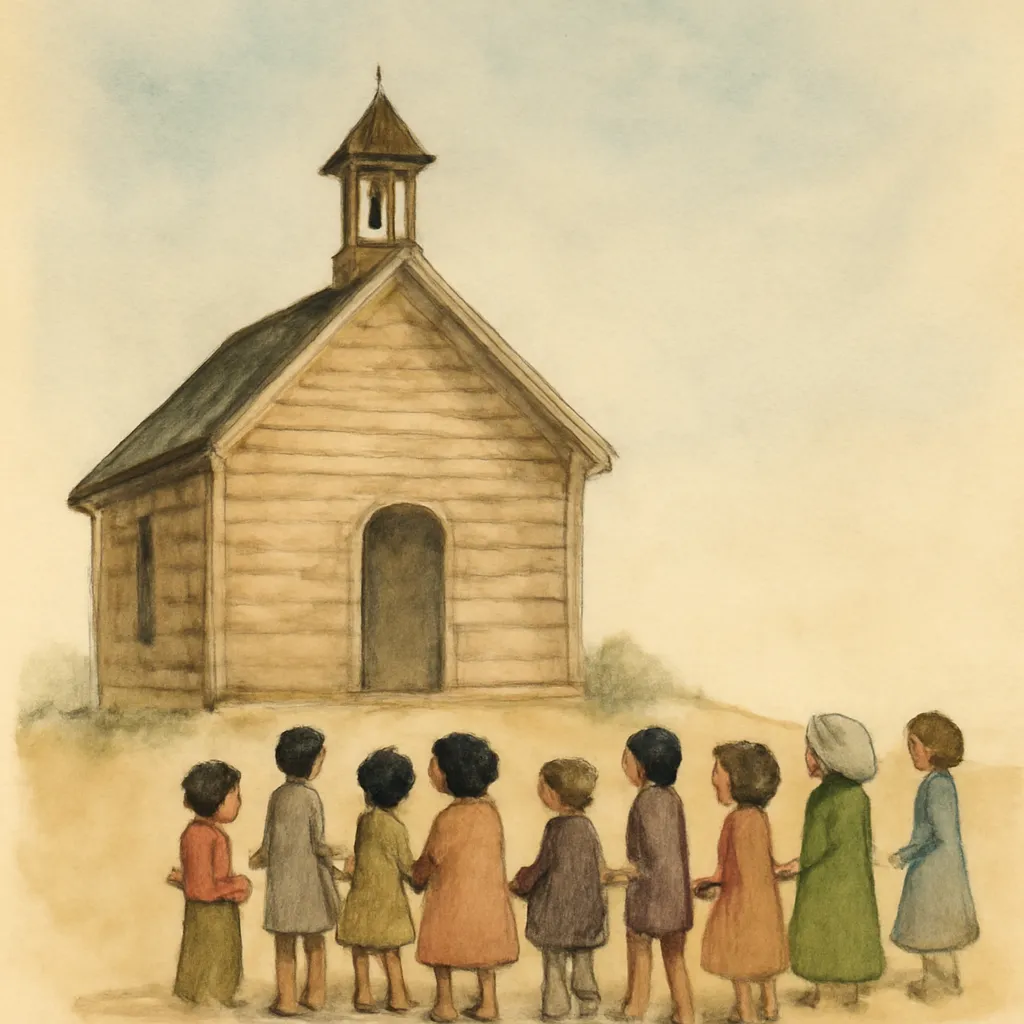
Susan B. Anthony was born on February 15, 1820, into a Quaker family in Adams, Massachusetts. The Quaker emphasis on equality and social justice heavily influenced her values. Her father, Daniel Anthony, was a cotton manufacturer who prioritized education for all his children, particularly his daughters, which was unusual for the time. This early commitment to education allowed Susan to gain knowledge and skills that would later empower her as an activist. In her youth, she learned about the injustices surrounding her, including slavery and women's rights, and her family's involvement in the abolitionist movement introduced her to the broader fight for social justice. The relocation of her family to Battenville, New York, exposed her to enslaved individuals working to earn their freedom, further shaping her understanding of oppression. Her father’s actions, including establishing a school for his children and the local community, reinforced her belief in education as a means of empowerment. These formative experiences laid the groundwork for her lifelong dedication to activism and reform.
2.Abolition and Women's Rights: Intersecting Struggles

As Anthony matured, she became increasingly involved in the abolitionist movement. The intersection of the struggles for abolition and women's rights became central to her activism. While many abolitionists believed that the fight against slavery should take precedence over women’s suffrage, Anthony argued fiercely that the two issues were inseparably linked. She recognized that granting rights to one marginalized group without addressing the needs of another was insufficient for genuine equality. Her advocacy for women’s rights was fueled by her understanding of the systemic inequalities that enslaved people and women both faced. Anthony participated in events such as the national women’s rights convention in Worcester, Massachusetts, in 1850, where she first collaborated with fellow suffragist Elizabeth Cady Stanton. Their partnership ignited a movement that sought to elevate women’s status in society and secure their political rights. Anthony believed that without the right to vote, women could not fully participate in shaping the laws and policies that governed their lives, making their struggles for freedom and equality even more critical.
3.The Fight for Suffrage: Establishing the National Woman Suffrage Association

In 1869, Susan B. Anthony and Elizabeth Cady Stanton co-founded the National Woman Suffrage Association (NWSA), which was dedicated to securing the right to vote for women. This organization marked a significant turning point in the suffrage movement, as it focused not only on voting rights but also on broader social reforms. Under Anthony's leadership, the NWSA organized conventions, lobbied for legislative change, and published materials to educate the public about women's suffrage. The association sought to gather support from a variety of social reform movements, including labor rights and temperance. Anthony emphasized the need for women to claim their rights and become active participants in the political sphere. Her famous assertion, 'The right to vote is the foundation of all other rights,' encapsulated her belief that without political power, women could not achieve true equality. The NWSA emerged as a formidable force, bringing together diverse voices in the pursuit of suffrage and paving the way for future generations of activists.
4.Confronting Legal Barriers: The Arrest that Changed Everything

Susan B. Anthony's decision to vote in the 1872 presidential election was a bold act of defiance against the legal restrictions placed on women. She and several other women registered to vote in Rochester, New York, claiming their rights under the Fourteenth Amendment. This act of civil disobedience resulted in her arrest, and during her trial, Anthony famously argued that she had the constitutional right to vote. She contended that the law that denied her the vote was unjust and a violation of her rights as a citizen. Her trial was a public spectacle, drawing national attention to the suffrage movement and the legal inequalities women faced. Anthony’s courtroom defense highlighted the absurdity of a law that granted rights to men while denying them to women solely based on their gender. Although she was convicted, her willingness to confront the legal system directly underscored her commitment to women's rights and served as a catalyst for public discourse on the issue.
5.Building Alliances: Collaborating with Diverse Movements
Throughout her activism, Anthony recognized the importance of building alliances across various social movements. She sought to connect the women's suffrage cause with abolition, temperance, and labor reform, emphasizing the interconnectedness of these struggles. Anthony believed that the fight for women's rights could not be separated from other social justice movements, as they all shared a common goal of equality. By collaborating with abolitionists like Frederick Douglass and temperance advocates, she broadened the suffrage movement's appeal and garnered support from diverse constituencies. This approach proved effective, particularly as the nation grappled with issues of race and gender during the Reconstruction era. Anthony’s strategy of coalition-building allowed her to reach a wider audience and reinforce the idea that women's rights were a universal concern, thus fostering a more inclusive movement for change.
6.Facing Resistance: The Backlash Against Women's Activism

Despite her significant contributions, Anthony faced widespread societal backlash for her views and activism. Many contemporaries viewed her as radical and unfeminine, critiquing her for stepping outside the traditional roles assigned to women. This resistance manifested in various forms, including ridicule in the press and hostility from individuals who opposed her calls for suffrage. Anthony used this backlash to her advantage, mobilizing support and galvanizing other women to join the movement in response to the negative attention. Her newspaper, The Revolution, became a platform for advocating women's rights and critiquing the systemic oppression women faced. The publication allowed her to reach a broader audience, sharing stories of women’s struggles and advocating for change. Anthony’s resilience in the face of criticism showcased her determination to stand firm in her beliefs and encouraged others to do the same, highlighting the importance of perseverance in social movements.
7.A Lasting Legacy: The Long-Term Impact of Anthony's Work
Susan B. Anthony’s relentless activism laid the groundwork for future generations to continue the fight for women's rights. Her efforts were not in vain, as they culminated in the eventual passage of the Nineteenth Amendment in 1920, which granted women the right to vote. However, Anthony's vision extended well beyond suffrage; she envisioned a society where women enjoyed full legal and social equality. Her influence can be seen in the subsequent waves of feminism that have emerged over the decades, as activists have built upon her foundational work to address ongoing inequalities. Anthony's belief in the importance of education, activism, and advocacy continues to inspire modern movements for gender equality and social justice. Her legacy serves as a powerful reminder that the fight for rights is ongoing, requiring commitment and courage from those who seek to challenge the status quo.
8.Personal Sacrifices: The Cost of Leadership
Anthony’s dedication to activism came at a personal cost, as she devoted her life to the cause of women's rights. Her relentless pursuit of justice often resulted in neglecting personal relationships and financial stability. Throughout her life, she faced challenges such as loneliness and isolation, particularly as her activism distanced her from traditional societal roles. However, she found solace in the camaraderie of fellow activists who shared her vision and purpose. Anthony's relationships with women in the movement provided emotional support, illustrating the significance of solidarity among activists. Despite the personal sacrifices she made, Anthony found fulfillment in her work and the impact she had on the lives of others. Her life story underscores the complexities of leadership in social movements, where the commitment to a cause often demands resilience, sacrifice, and an unwavering belief in the possibility of change.