1.The Importance of Parental Guidance
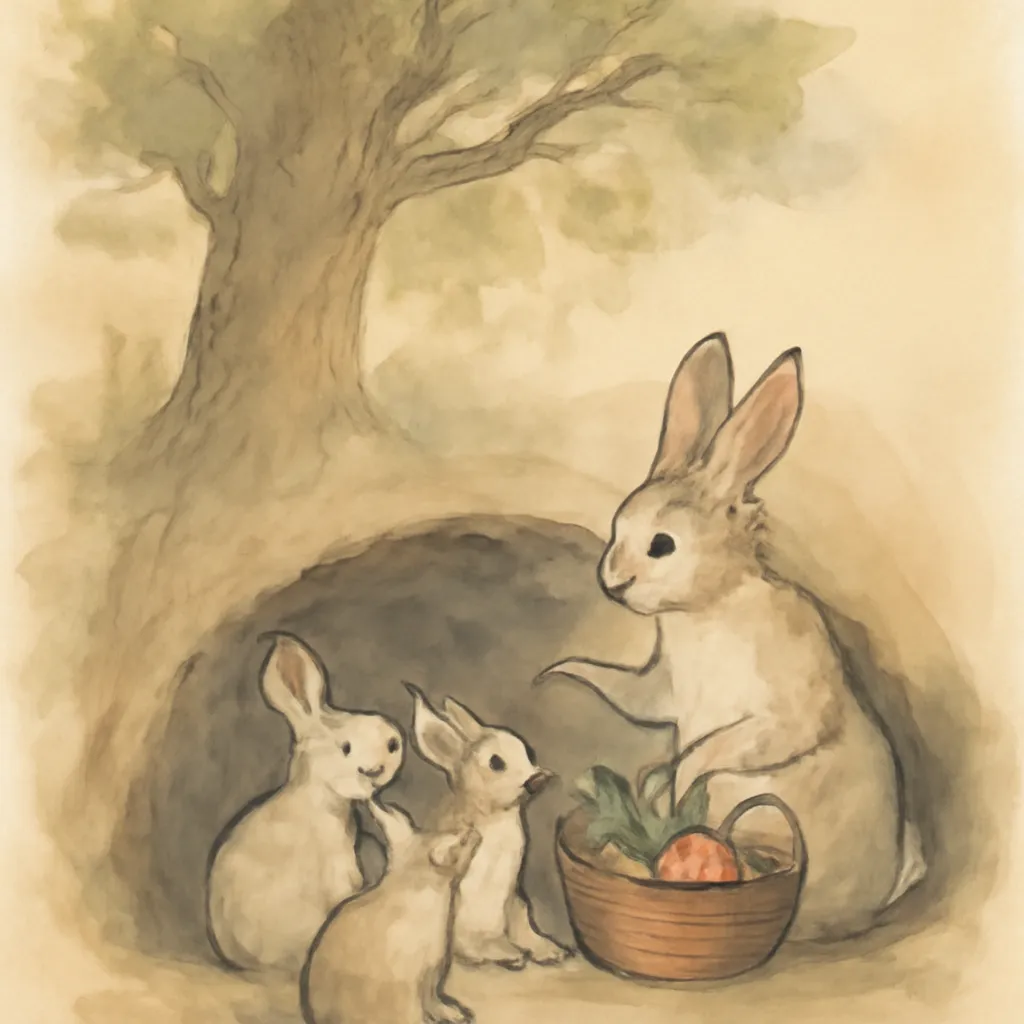
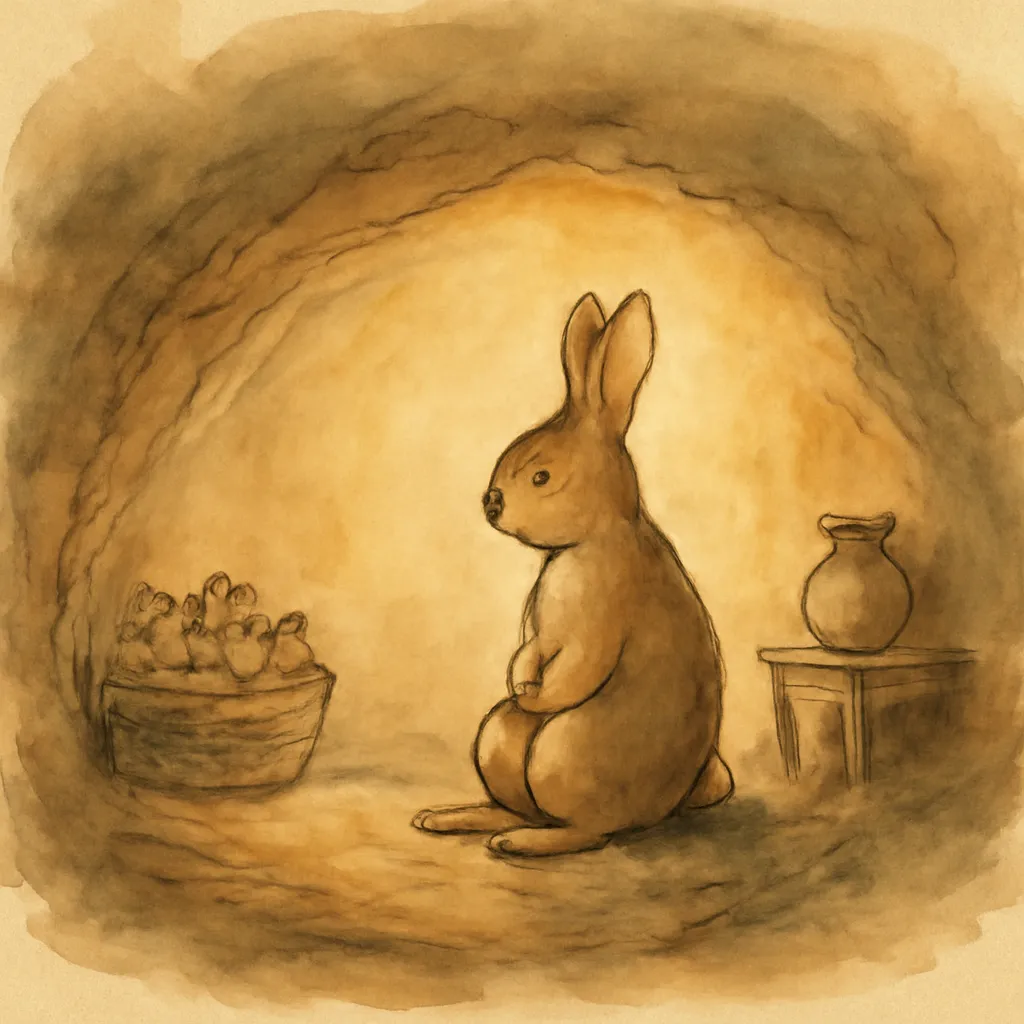
At the heart of Peter Rabbit's story is the wise advice given by his mother. She warns her children about the dangers of Mr. McGregor's garden, sharing a cautionary tale of their father’s unfortunate fate. This advice serves as a pivotal moment in the narrative, highlighting the importance of listening to parental guidance. Peter's decision to ignore his mother's warnings leads him straight into a world of trouble, emphasizing the idea that parents often provide wisdom based on their own experiences. The contrast between Peter's adventurous spirit and the safety of home reflects a common childhood dilemma—balancing curiosity with caution. This theme resonates with both children and adults, reminding readers of the significance of heeding parental advice.
2.Curiosity vs. Obedience
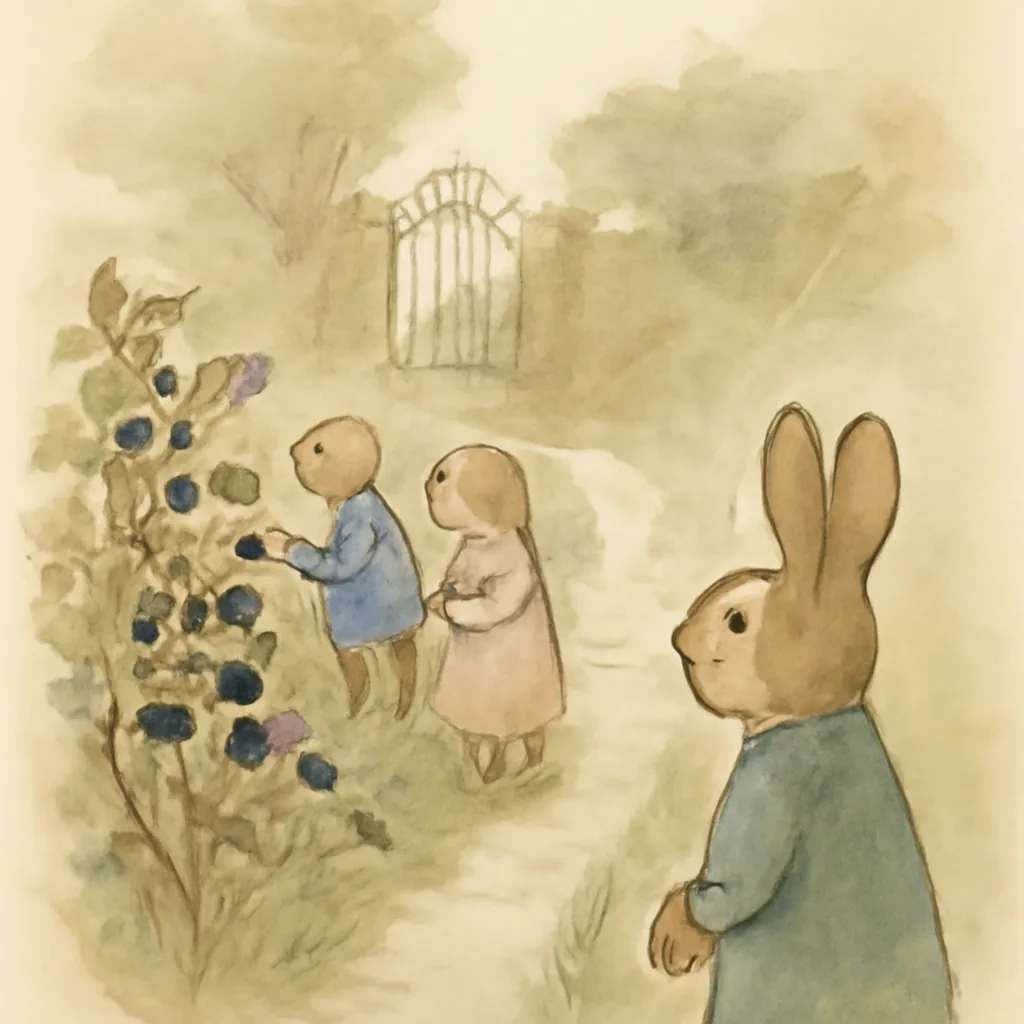
Peter Rabbit embodies the tension between curiosity and obedience. His desire to explore the forbidden garden showcases a natural instinct in children to push boundaries and seek adventure. While his siblings, Flopsy, Mopsy, and Cottontail, choose to gather blackberries peacefully, Peter's rebellious spirit drives him into Mr. McGregor's domain. This decision serves as a crucial turning point in the story, illustrating how curiosity can lead to both exciting discoveries and dangerous consequences. Through Peter's journey, readers are invited to reflect on their own experiences with curiosity and the importance of understanding limits. The narrative explores how the thrill of adventure can sometimes overshadow the wisdom of restraint.
3.The Thrill of Adventure
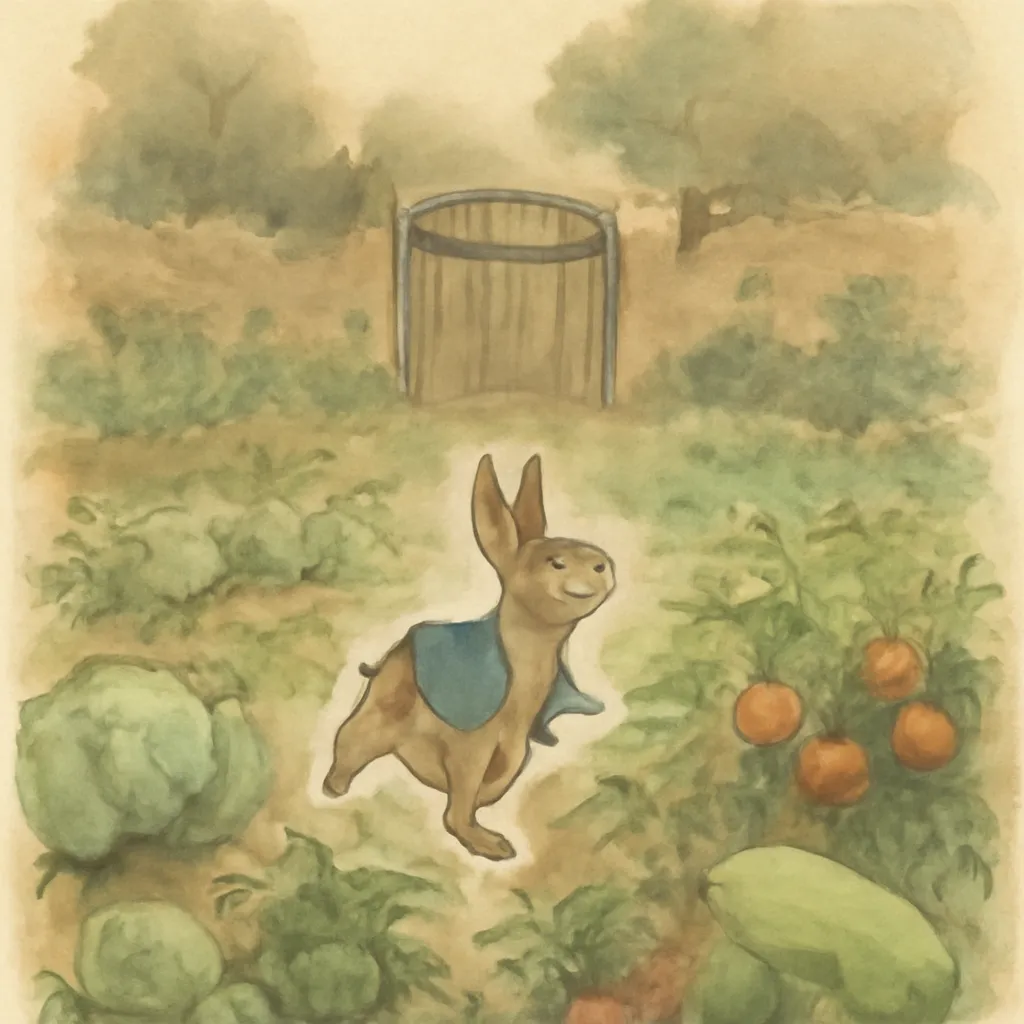
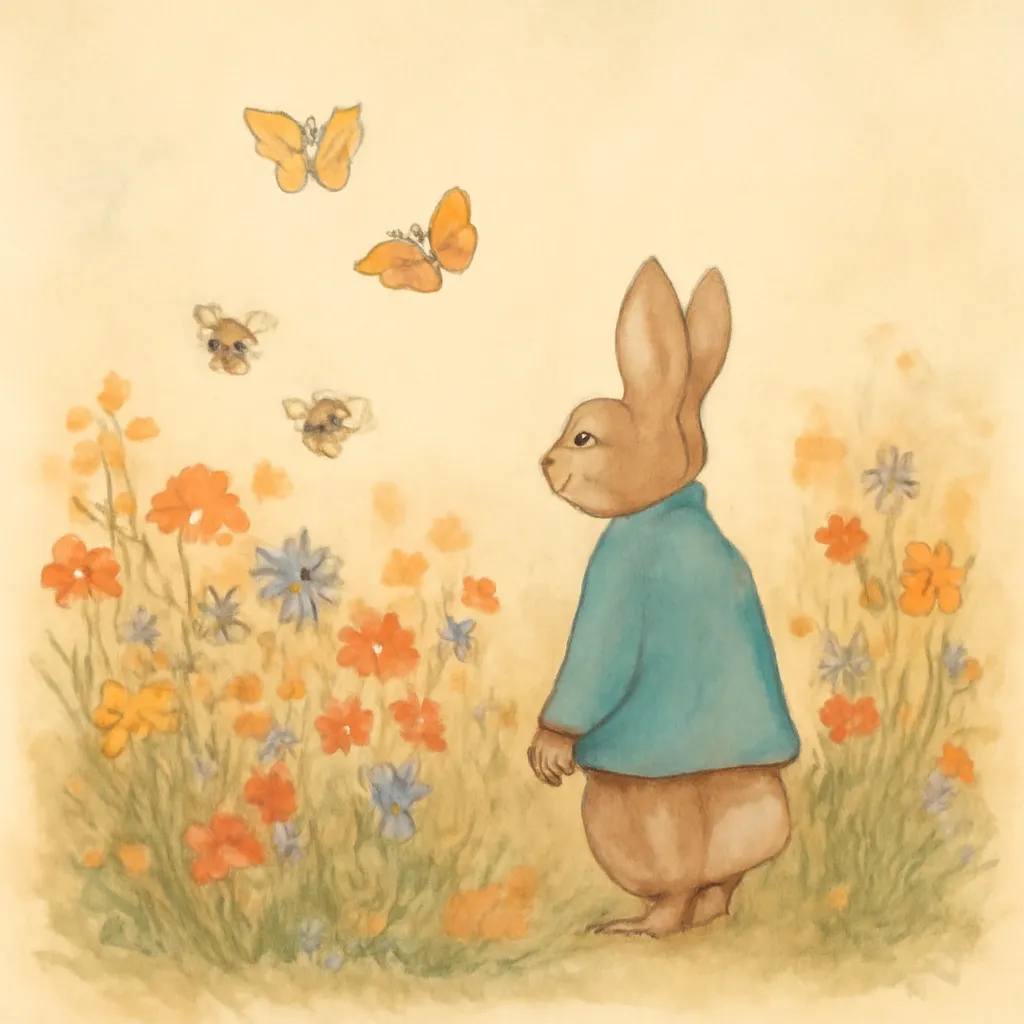
The story captures the exhilarating essence of adventure as Peter Rabbit ventures into Mr. McGregor's garden. The lush descriptions of the garden filled with lettuces, radishes, and beans create a vivid picture that entices readers. Peter's exploration is not just about the physical act of eating vegetables; it symbolizes the excitement of stepping into the unknown. The garden represents a world of possibilities, where danger and delight coexist. This theme of adventure resonates with young readers, who often yearn for experiences that take them beyond the confines of their everyday lives. However, as Peter soon learns, adventure carries risks that must be navigated with care and cleverness.
4.The Consequences of Disobedience
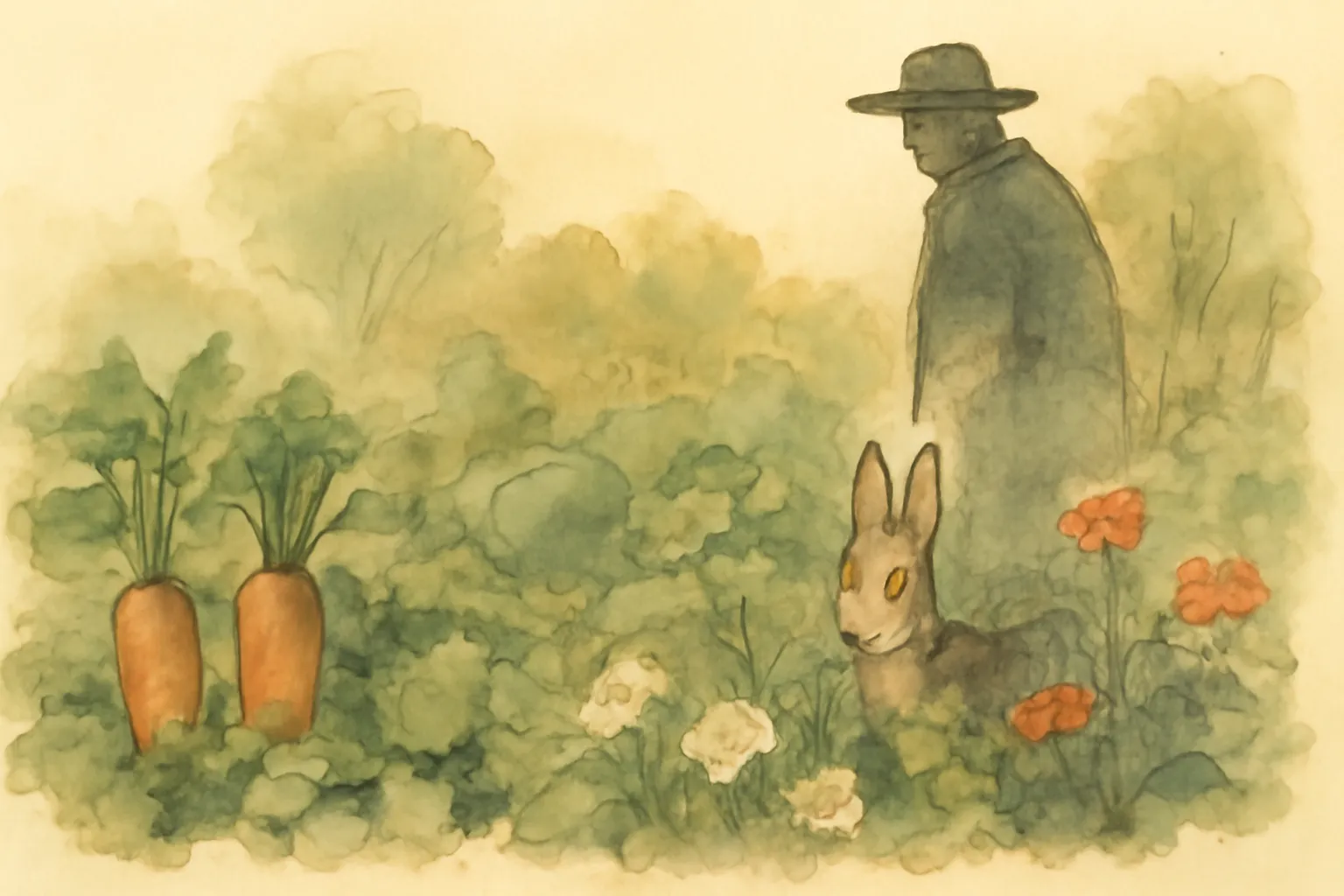
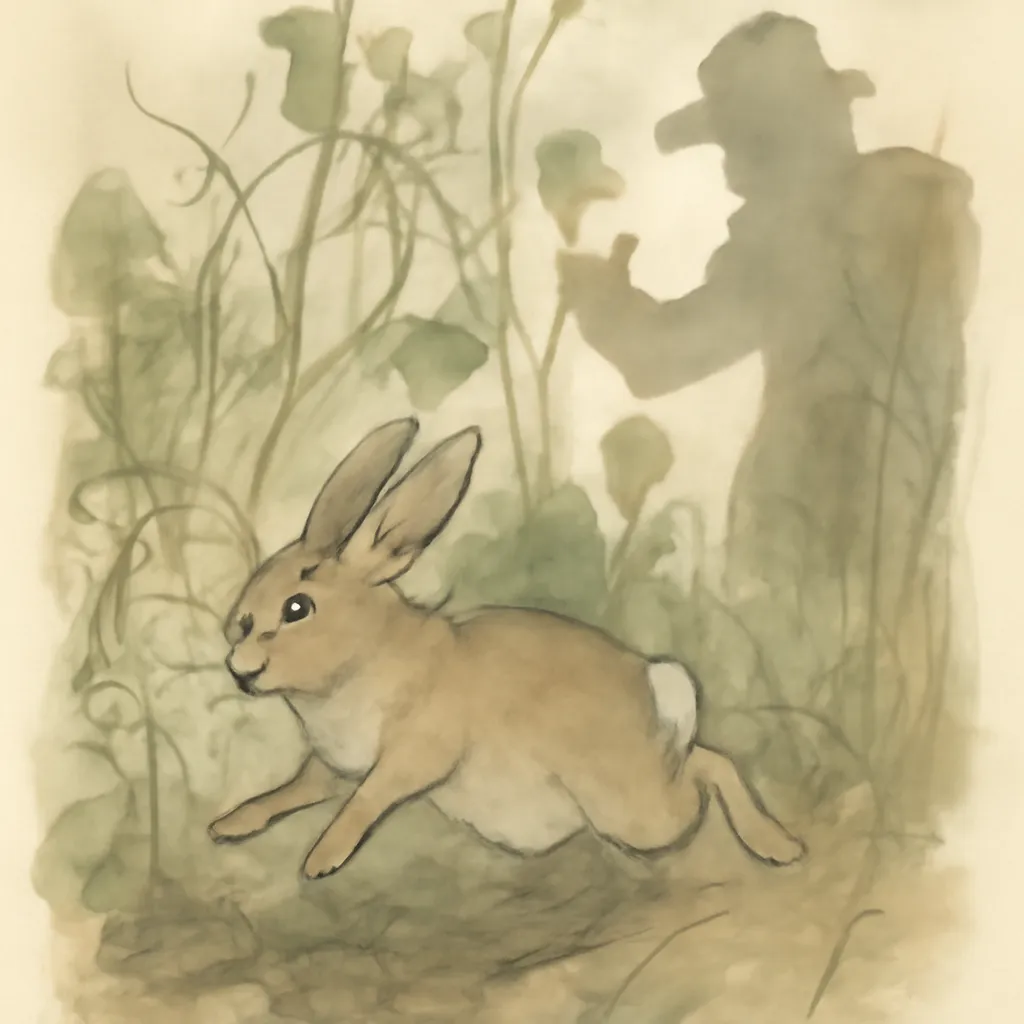
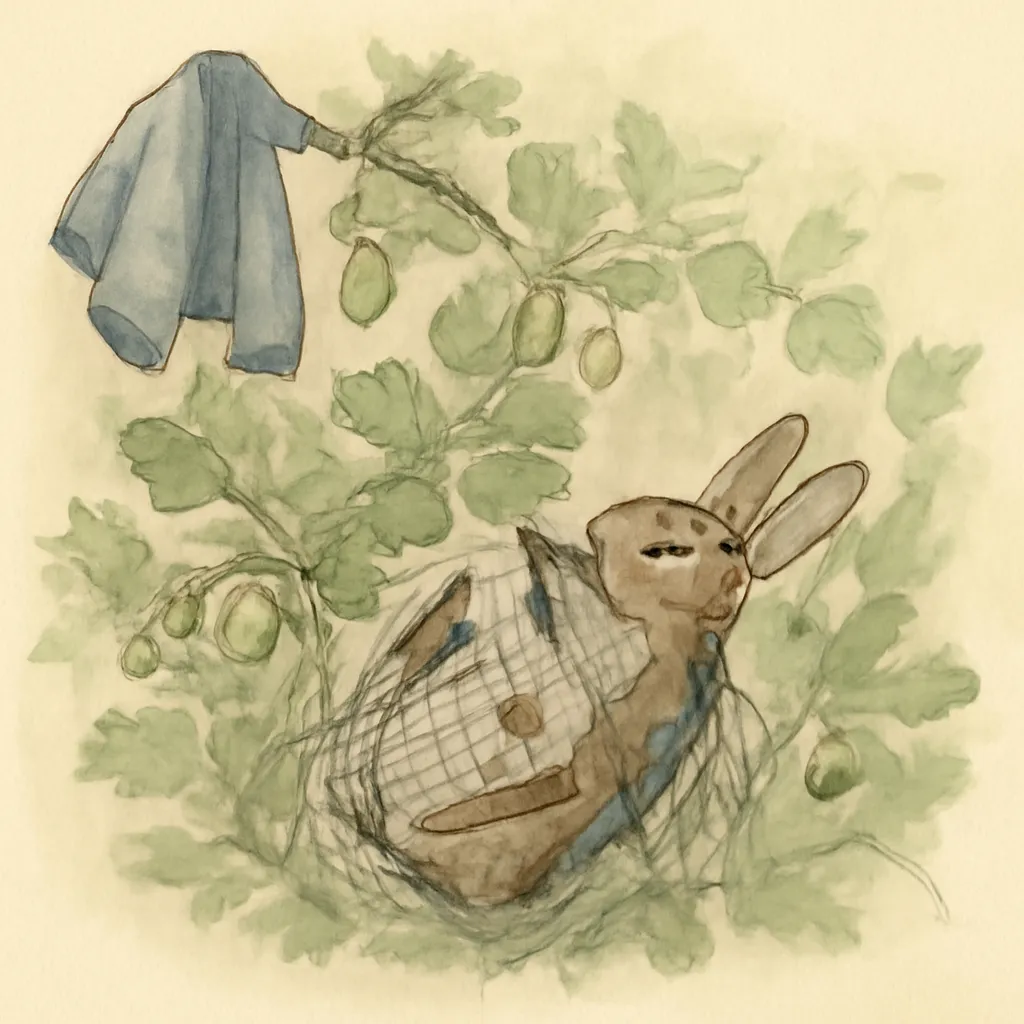
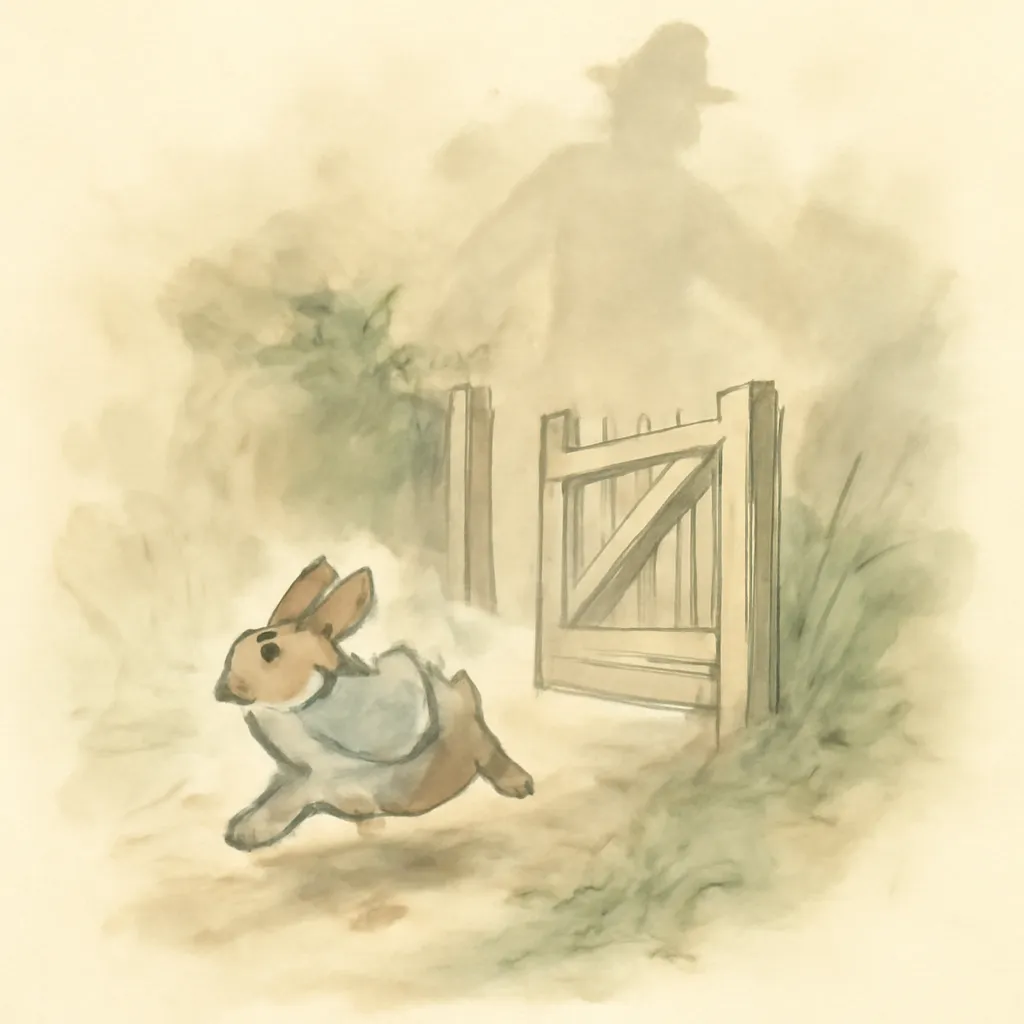
Peter's disobedience leads to a series of unfortunate events that highlight the consequences of ignoring warnings. His initial thrill of raiding the garden quickly turns into a frantic chase as Mr. McGregor discovers him. The narrative vividly depicts Peter's panic and fear, showcasing the stark contrast between his initial joy and the reality of his predicament. As he loses his shoes and gets entangled in a gooseberry net, the repercussions of his actions become increasingly clear. This transformation from carefree exploration to desperate escape serves as a cautionary tale about the importance of understanding the potential fallout of one's choices. The story emphasizes that adventure can come at a cost, especially when one disregards the lessons taught by those who care.
5.Resourcefulness in the Face of Danger
As Peter finds himself cornered by Mr. McGregor, his resourcefulness emerges as a key theme. Despite his initial terror, Peter demonstrates quick thinking and adaptability. When caught in the gooseberry net, he wriggles free, leaving his jacket behind—a clever escape that showcases his determination to survive. His decision to hide in the tool-shed, though fraught with peril, illustrates his ability to think on his feet. The narrative celebrates this cleverness, portraying Peter as a relatable character who uses his wits to navigate danger. This theme of resourcefulness resonates with readers, encouraging them to embrace their own ingenuity when faced with challenges. Peter’s journey highlights the idea that quick thinking can be just as important as following rules.
6.Friendship and Support
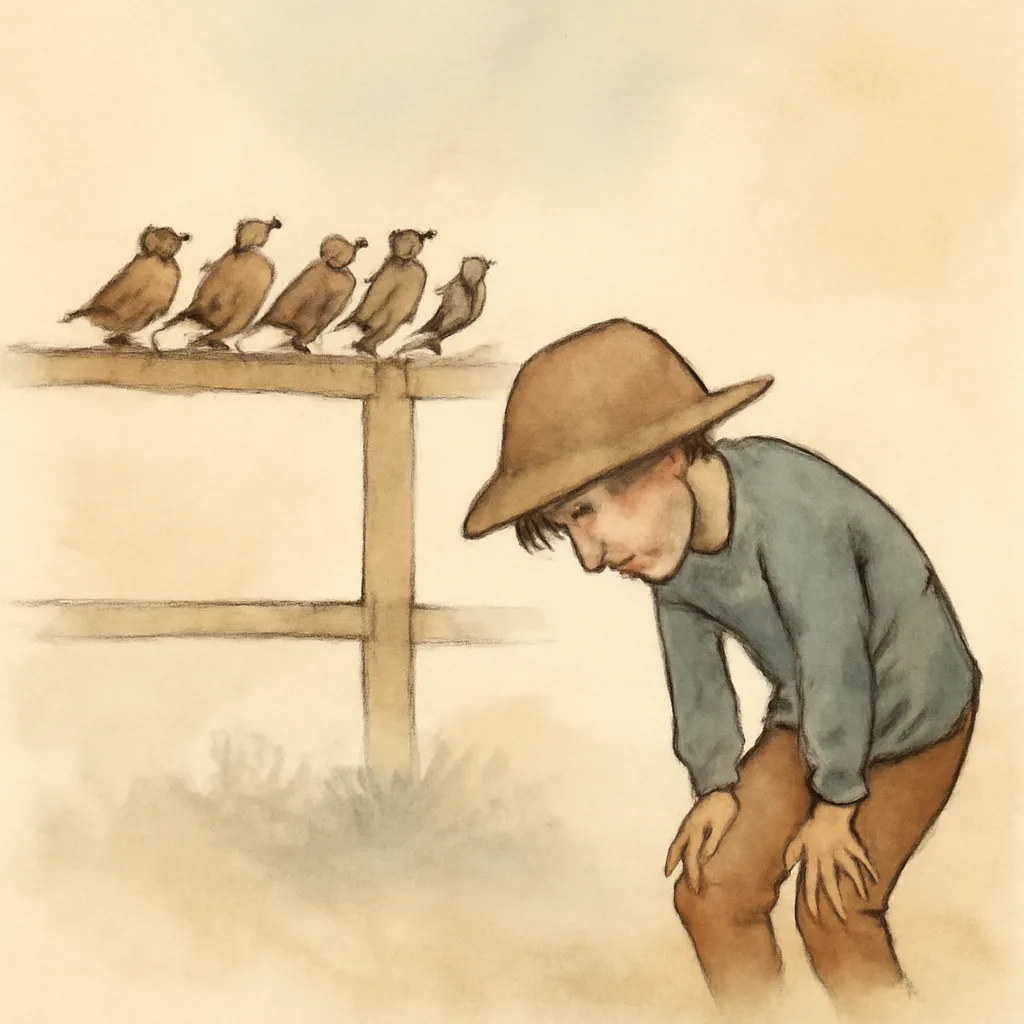
Throughout his ordeal, Peter receives unexpected assistance from friendly sparrows, who encourage him to persevere. Their presence serves as a reminder of the importance of friendship and support during difficult times. The sparrows symbolize the idea that even in the most challenging situations, we can find allies who believe in us and offer encouragement. This theme of camaraderie reinforces the notion that we do not have to face our fears alone. The support Peter receives from the sparrows also highlights the interconnectedness of nature, emphasizing that animals, much like humans, can form bonds and help one another in times of need. The presence of these supportive characters enriches the narrative and adds depth to Peter's journey.
7.The Role of Nature
Beatrix Potter's vivid descriptions of the natural world play a significant role in the story, enhancing the reader's experience. The garden, with its vibrant colors and enticing smells, becomes a character in its own right, inviting readers into Peter's adventure. Nature is depicted as both beautiful and treacherous, illustrating the duality of the environment. While it offers the allure of fresh vegetables, it also harbors dangers, such as Mr. McGregor. This portrayal encourages readers to appreciate the complexities of nature, recognizing that it can be both a source of joy and a place of peril. The detailed imagery of the garden and its various elements immerses readers in Peter's world, making the narrative all the more engaging and relatable.
8.Identity and Self-Discovery
Peter Rabbit's journey is also one of self-discovery, as he navigates the consequences of his actions and learns about his own identity. Initially portrayed as a mischievous and rebellious character, Peter's experience in Mr. McGregor's garden forces him to confront his choices. By the end of the tale, he emerges wiser and more aware of the risks associated with his adventurous spirit. This growth reflects a common theme in children's literature—the journey toward understanding oneself. Peter's transformation from a careless rabbit to one who recognizes the value of caution and cleverness serves as an inspiring narrative for young readers. It encourages them to reflect on their own actions and consider how experiences shape their identities.
9.The Theme of Home and Safety
The concept of home and safety is a recurring theme throughout Peter Rabbit's adventure. The story begins in the secure environment of the sand-bank where Peter and his siblings live with their mother. This warmth and safety starkly contrast with the chaos of Mr. McGregor's garden, highlighting the idea that home is a place of comfort and love. As Peter faces the dangers of the outside world, the longing for the safety of home becomes palpable. His eventual return home signifies not just a physical journey but an emotional one as well, representing the importance of family and the solace found in familiar surroundings. This theme resonates with readers of all ages, reminding them of the significance of having a safe haven to return to after adventures.
10.The Legacy of Storytelling
Beatrix Potter's 'The Tale of Peter Rabbit' is a testament to the enduring power of storytelling. Through rich illustrations and engaging prose, Potter creates a world that continues to captivate readers, generations after its publication. The story's themes of curiosity, adventure, and the consequences of choices resonate deeply, making it a timeless classic in children's literature. The narrative not only entertains but also imparts valuable lessons, ensuring its relevance across ages. The legacy of Peter Rabbit lives on, inviting new readers to explore the joys and challenges of childhood through the lens of a mischievous little rabbit. This enduring appeal speaks to the universal nature of storytelling, where tales of adventure and wisdom continue to inspire and educate.