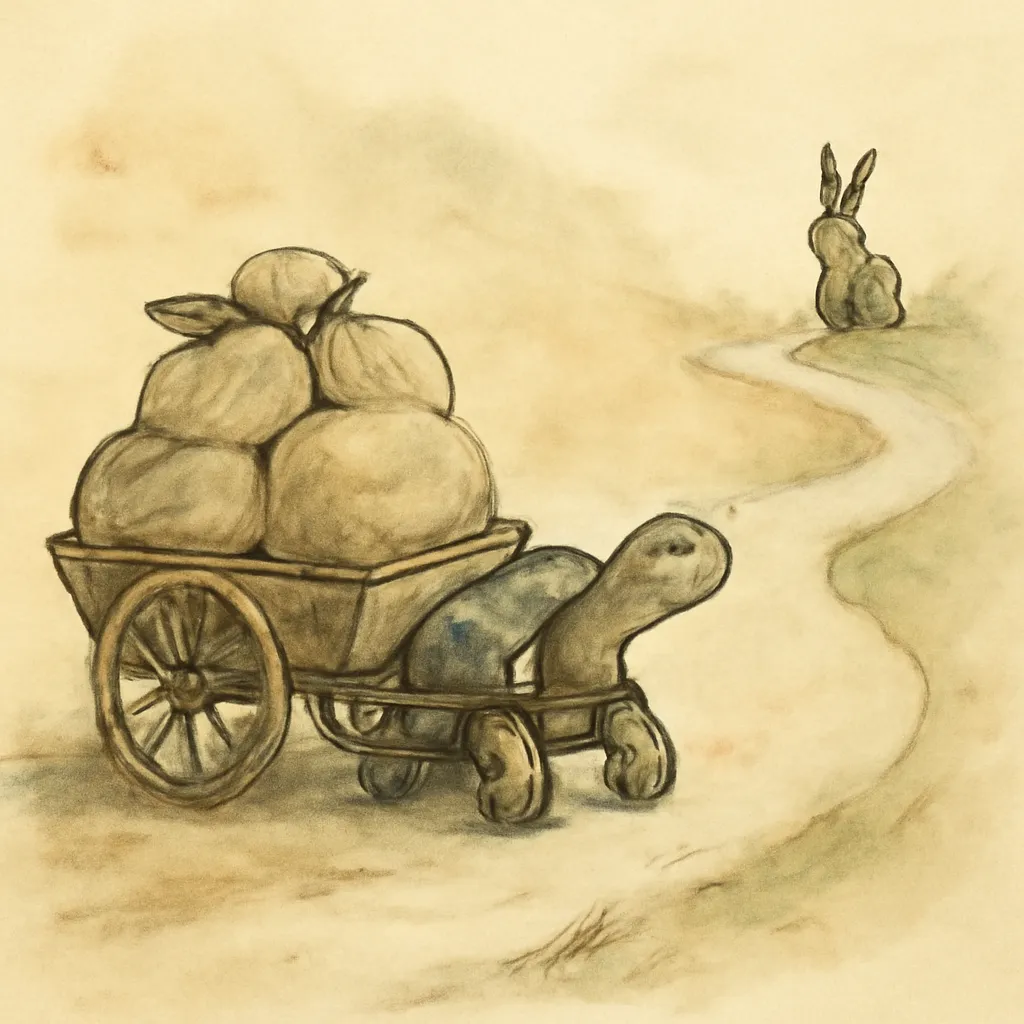
1.The Power of Fables
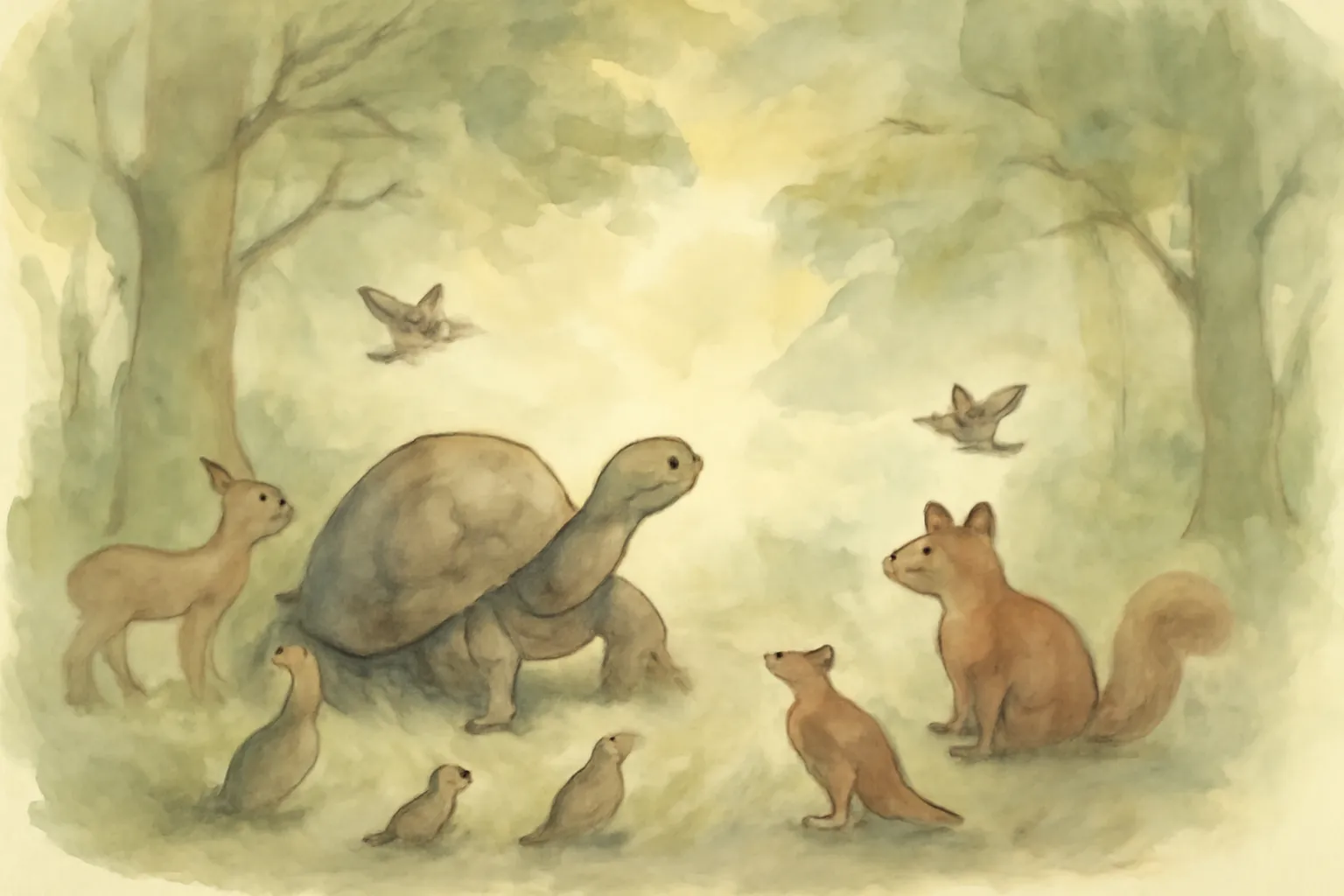
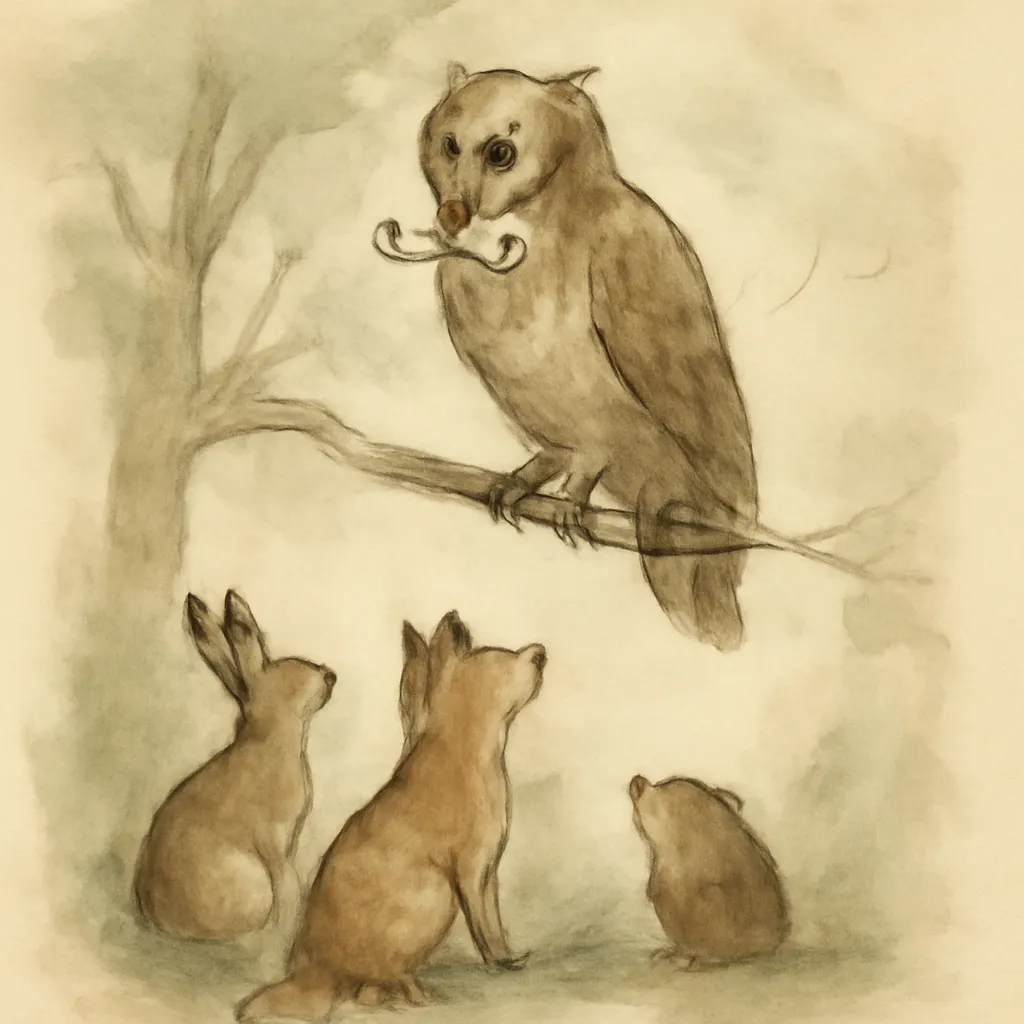
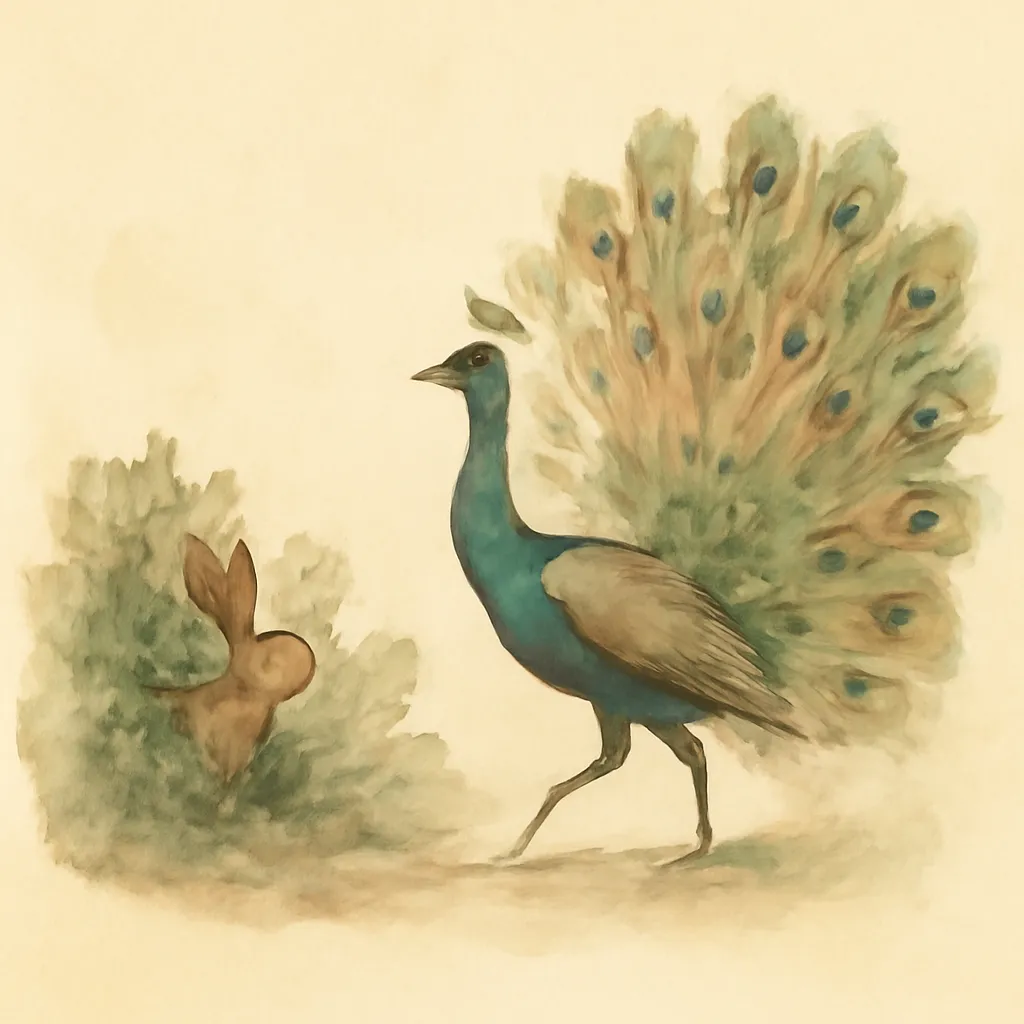
La Fontaine’s fables serve as moral lessons wrapped in entertaining narratives, showcasing the power of storytelling to convey ethical truths. By using animals as characters, he allows readers to reflect on their own behaviors without the weight of direct moral judgment. For instance, the tale of the fox and the crow highlights themes of vanity and deception, illustrating how flattery can lead to downfall. These fables are not merely children's stories; they contain layers of meaning that invite readers of all ages to ponder their own actions and the consequences that follow. The anthropomorphism of animals allows La Fontaine to critique human nature in a way that is both accessible and relatable, making his lessons endure through generations. The simplicity of the plots belies the depth of their messages, encouraging readers to engage with the narratives on multiple levels.
2.Love and Deception
Many of La Fontaine's tales explore the intricate dance of love and deceit, revealing how easily relationships can be manipulated by desire and greed. The story of the avaricious wife and her gallant illustrates how financial motives can corrupt even the most intimate of bonds. The wife’s unfaithfulness, driven by a desire for monetary gain, showcases how love can be overshadowed by self-interest. La Fontaine captures the essence of romantic entanglements that are often fraught with betrayal and selfishness, showcasing characters who fall victim to their desires. The interplay between fidelity and infidelity is a recurring theme, emphasizing that love can often serve as a disguise for ulterior motives. Through these narratives, La Fontaine critiques societal norms regarding love and marriage, prompting readers to question the authenticity of their own relationships and the moral implications of their choices.
3.The Folly of Human Nature
La Fontaine masterfully highlights the folly inherent in human nature, often depicting characters who are blinded by their desires or prejudices. His tales illustrate how individuals often act against their own interests due to ignorance or naivety. The story of the peasant who chooses to endure punishment rather than face a financial loss exemplifies the absurdity of human rationality. This character's inability to see the larger picture reflects a common human flaw: the tendency to prioritize immediate concerns over long-term consequences. La Fontaine uses humor to expose the irrationality of his characters, encouraging readers to recognize similar traits within themselves. This examination of human folly serves as a reminder of the importance of self-awareness and critical thinking in navigating life's challenges. By embodying these traits, La Fontaine’s characters become both comical and cautionary, prompting readers to reflect on their own decisions.
4.Social Commentary and Class Dynamics
La Fontaine's works are rich with social commentary, reflecting the class dynamics and societal structures of his time. Through his narratives, he critiques the aristocracy while highlighting the struggles of the common people, often revealing the hypocrisy of the elite. The interactions between characters of different social standings provide insight into the power dynamics at play, illustrating how wealth and status can corrupt moral values. For instance, tales featuring nobles who are easily duped by the cleverness of lower-class characters reveal the limitations of power and privilege. Such narratives prompt readers to consider the societal structures surrounding them and the impact of class on human behavior and relationships. La Fontaine employs wit to expose the absurdity of social pretensions, encouraging a dialogue about justice and equity in his society. By doing so, he invites readers to reflect on their own views of class and privilege.
5.The Role of Women
Women in La Fontaine's tales often occupy complex roles, showcasing both strength and vulnerability. He portrays female characters who are capable of cunning and manipulation, challenging traditional gender norms of his time. For example, the story of the woman who orchestrates a plot to deceive her husband and his rival illustrates the agency that women can wield, even in a patriarchal society. However, these characters also face societal limitations and expectations, reflecting the duality of their experiences. La Fontaine's nuanced portrayal of women invites readers to consider the broader implications of gender roles and the societal constraints that shape individual lives. By depicting women as both victims and perpetrators, he highlights the multifaceted nature of femininity, revealing that women are not merely passive participants in their fates but active agents in their stories.
6.The Nature of Friendship
Friendship is another theme that La Fontaine explores, often highlighting the fragility and complexity of these bonds. His tales depict friendships that can be tested by jealousy, betrayal, and competition, revealing how easily trust can be eroded. The interactions among friends in his stories serve as cautionary tales, illustrating the importance of loyalty and honesty. For instance, the tale of two friends who fall for the same woman emphasizes how rivalry can disrupt even the closest of relationships. La Fontaine’s exploration of friendship prompts readers to reflect on their own relationships and the values that underpin true companionship. By showing how personal desires can interfere with friendships, he encourages a broader understanding of the sometimes precarious nature of human connections.
7.The Intersection of Wit and Wisdom
La Fontaine's unique blend of wit and wisdom permeates his narratives, making his lessons both entertaining and profound. His clever use of language and humor engages readers while simultaneously delivering insightful commentary on human behavior. For example, his playful banter and sharp observations create a light-hearted atmosphere even when addressing serious themes. This interplay of humor and wisdom invites readers to engage with the text on multiple levels, appreciating the artistry of La Fontaine's storytelling while also contemplating the deeper meanings behind his tales. The humor often acts as a vehicle for more serious critiques of human behavior, making difficult subjects more approachable. La Fontaine’s narratives illustrate that laughter can coexist with serious reflection, enhancing the reader's experience.
8.The Consequences of Greed
Greed is a recurring motif in La Fontaine's tales, serving as a driving force behind many characters' actions and ultimately leading to their downfall. His stories illustrate how the insatiable desire for wealth can cloud judgment and lead to moral decay. The tale of the man who is willing to sacrifice his integrity for financial gain serves as a stark reminder of the dangers of avarice. La Fontaine’s exploration of greed highlights the emptiness that can accompany material pursuits, encouraging readers to reflect on the true sources of happiness and fulfillment in their lives. This theme remains particularly relevant in contemporary society, where the pursuit of wealth often overshadows ethical considerations. By illustrating the destructive power of greed, La Fontaine calls for a reevaluation of personal values and priorities.
9.The Use of Irony
Irony is a powerful tool that La Fontaine employs throughout his tales, adding layers of meaning and enhancing the reader's engagement with the text. His use of ironic twists often subverts expectations, prompting readers to reconsider their assumptions about characters and situations. For instance, a character who appears wise may ultimately reveal their folly, while those deemed foolish may possess unexpected insight. This ironic play encourages readers to approach the narratives with a critical eye, recognizing that appearances can be deceiving. La Fontaine's mastery of irony enriches his storytelling, making his tales not only entertaining but also intellectually stimulating. By employing irony, he engages readers in a dialogue about the nature of truth and deception, inviting them to look beyond surface appearances.
10.Timeless Relevance
The themes and lessons in La Fontaine's tales transcend time and culture, making them universally relevant. His exploration of human nature, morality, and social dynamics resonates with readers across generations. The simplicity of his narratives belies the depth of their messages, allowing readers from various backgrounds to connect with the underlying truths. As societal norms and values evolve, the core themes of love, greed, folly, and deception remain constant, reflecting the enduring nature of human experience. La Fontaine's ability to capture these timeless truths ensures that his work continues to be celebrated and studied, inviting new audiences to engage with his rich storytelling legacy. The enduring popularity of his tales highlights the universality of his insights into the complexities of life and relationships.