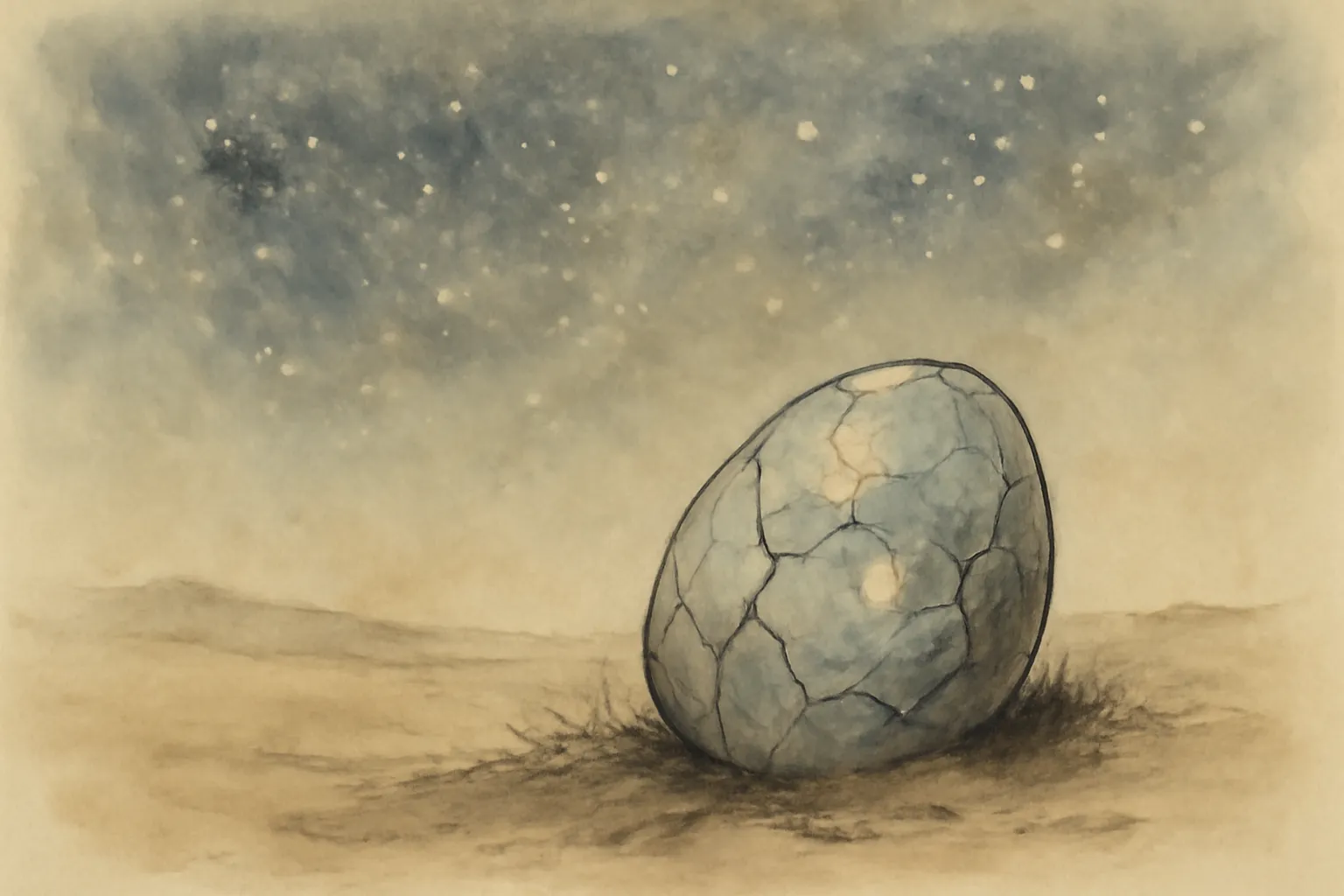
1.The Crystal Egg: A Window to Other Worlds
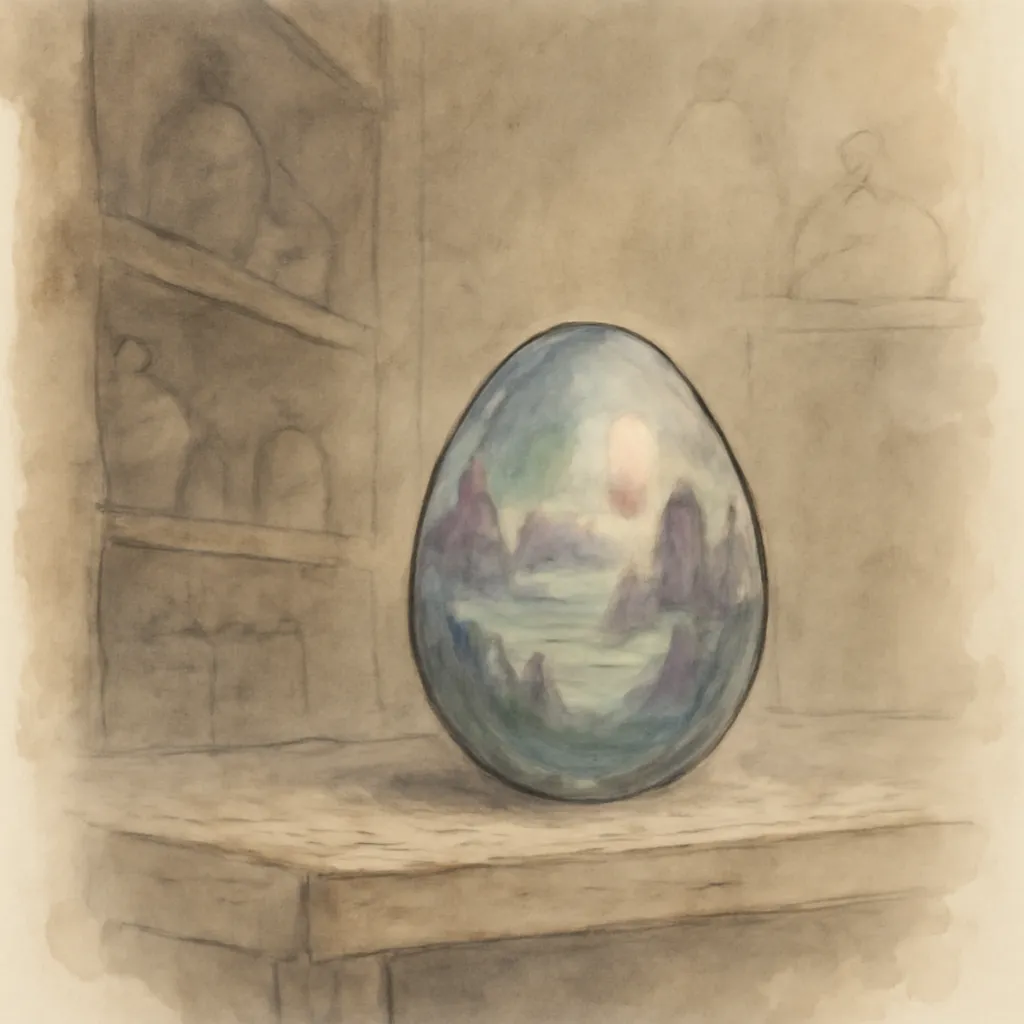
In 'The Crystal Egg', Mr. Cave, a modest antiquities dealer, discovers a mysterious crystal egg that serves as a portal to a distant, alien world. This story emphasizes the theme of curiosity and the yearning for knowledge that defines humanity. As Mr. Cave gazes through the egg, he sees a vibrant landscape filled with strange creatures and magnificent structures, which brings to light the contrast between the mundane reality of his life and the extraordinary possibilities of the universe. The egg becomes a metaphor for the human desire to transcend our limitations, echoing the idea that knowledge can expand our horizons and alter our perceptions of reality. Yet, the story also cautions against the dangers of obsession, as Mr. Cave's fixation on the egg leads to unsettling consequences, ultimately questioning whether some knowledge is better left undiscovered. The narrative compels readers to reflect on the implications of seeking knowledge at any cost, illustrating how the pursuit of understanding can lead to both enlightenment and destruction.
2.The Star: A Cosmic Catastrophe
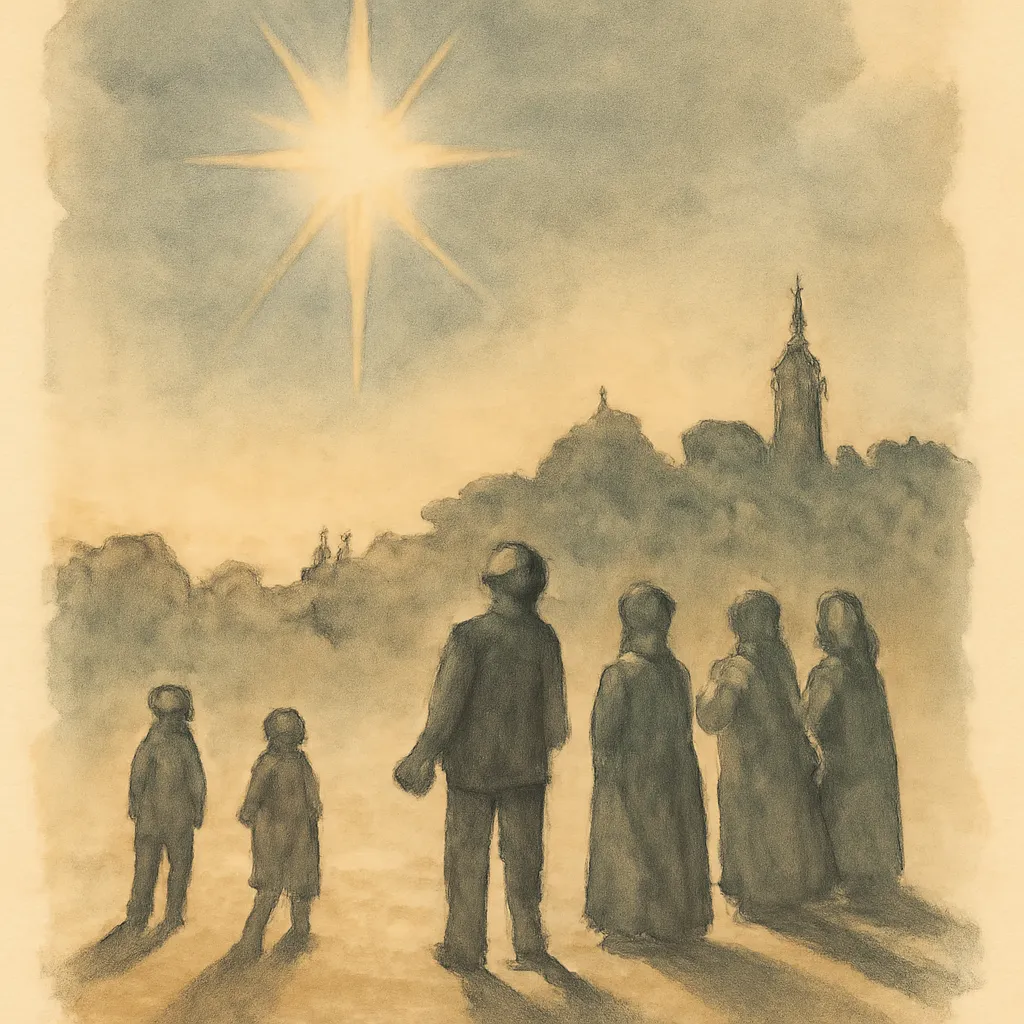
In 'The Star', Wells illustrates how a sudden astronomical phenomenon—a new star appearing in the sky—impacts humanity on a global scale. This narrative examines how people respond to the unknown, revealing both their awe and trepidation. As the star approaches Earth, it triggers a series of natural disasters, showcasing the fragility of human civilization in the face of cosmic forces. The story serves as a reminder of our vulnerability and the insignificance of our existence in the grand scheme of the universe. Wells uses this cosmic event to explore themes of fear, hope, and the instinct for survival, as characters grapple with their mortality and the fate of the world. The emotional spectrum of characters—from disbelief to acceptance—captures the human experience when confronted with existential threats. Ultimately, 'The Star' challenges readers to confront the unpredictable nature of existence and the limits of human understanding in the face of the vast cosmos, urging a reconsideration of what truly matters when survival is at stake.
3.A Story of the Stone Age: Humanity's Primitive Roots
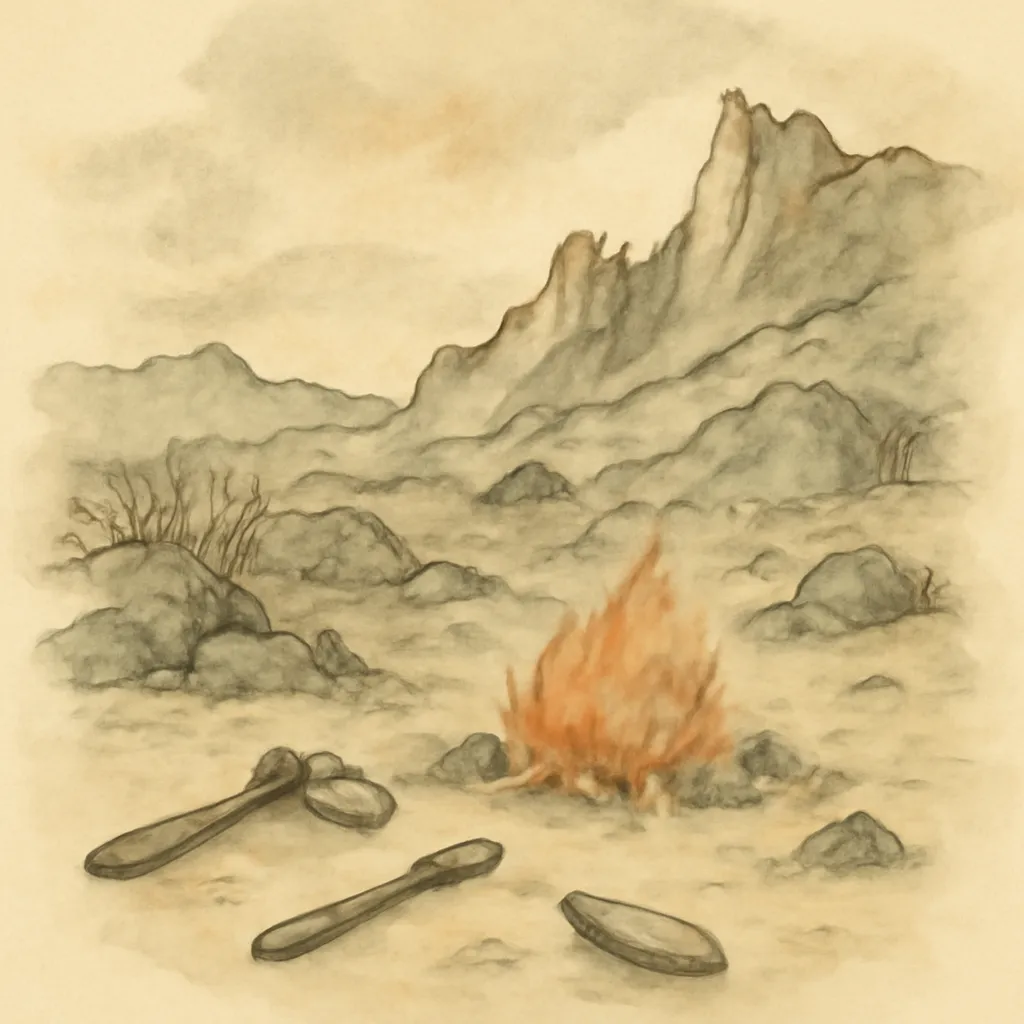
'A Story of the Stone Age' transports readers back to a time when humanity was still in its infancy, highlighting the struggles and instincts that define our species. Through the characters Ugh-lomi and Eudena, Wells explores the primal instincts of survival, love, and fear. The narrative examines the dynamics of early human society, including the relationships between men and women, and the brutal realities of life in a harsh environment. Ugh-lomi's encounters with rival tribes and dangerous predators reveal the emergence of social structures and the beginnings of human civilization. As the characters navigate their challenges, Wells contrasts their simplicity with the complexities of modern existence, prompting readers to reflect on the progress humanity has made and the instincts that still drive us today. The story suggests that while technology and society have evolved, fundamental human emotions and instincts remain unchanged. This tale serves as a bridge between our past and present, urging an appreciation for the journey of human evolution and the enduring nature of our primal motivations.
4.A Story of the Days to Come: A Dystopian Vision
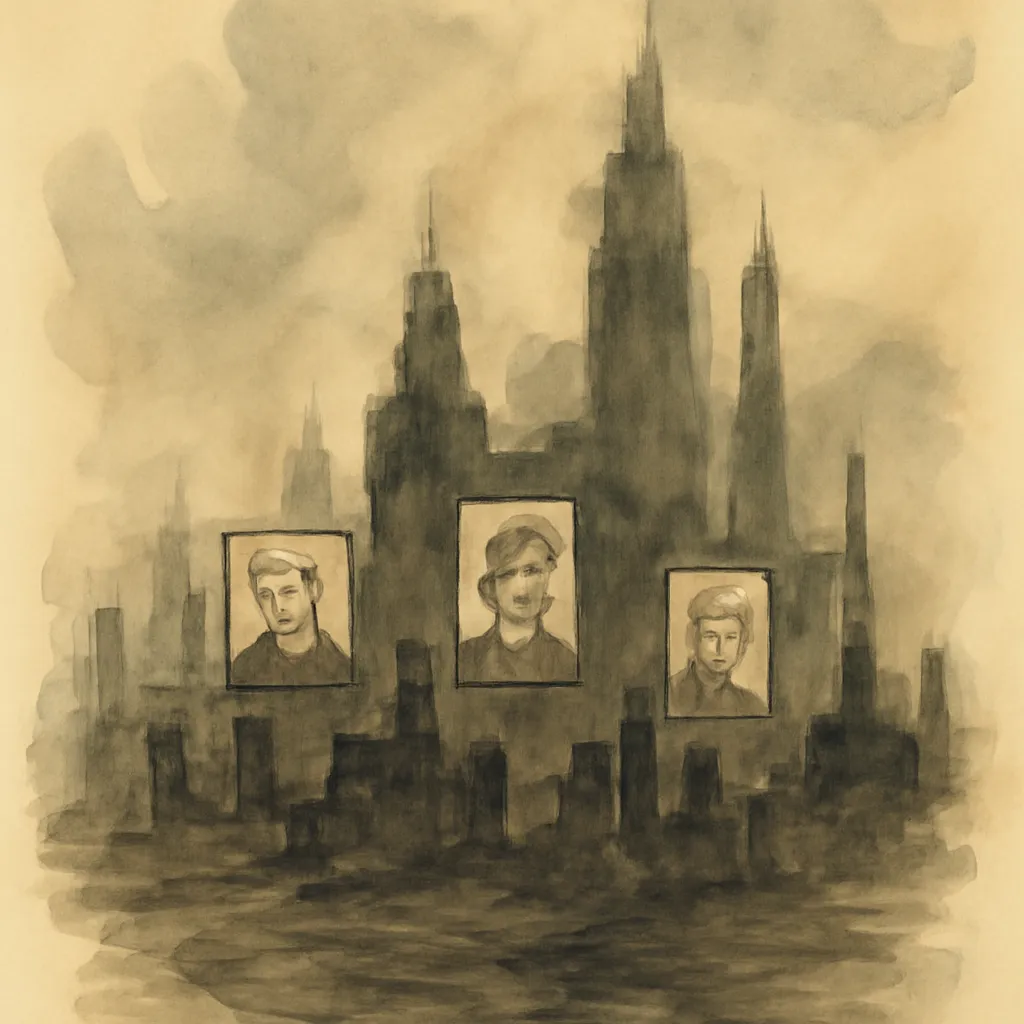
In 'A Story of the Days to Come', Wells offers a prophetic glimpse into a future shaped by technological advancement and societal change. Set in a world where the rich and powerful dominate, the narrative explores the consequences of unchecked progress and the widening gap between classes. The story follows Denton and Elizabeth, who navigate a society marked by mechanization and dehumanization. Through their experiences, Wells critiques the moral and ethical dilemmas posed by a world driven by efficiency and profit. The characters' interactions highlight the alienation that can occur in a society that prioritizes technology over human connection. Wells paints a bleak yet cautionary picture of a future governed by machines, where individualism is lost and humanity is diminished. This tale serves as a warning about the potential loss of individuality and humanity in the face of relentless technological advancement. Through vivid imagery and thought-provoking scenarios, Wells challenges readers to consider the implications of their choices and the direction in which society is headed, ultimately promoting a vision of a more equitable future.
5.The Man Who Could Work Miracles: The Power of Belief
In 'The Man Who Could Work Miracles', Wells introduces Mr. Fotheringay, an ordinary man who discovers he has the ability to perform miracles. This story explores the relationship between belief, power, and responsibility, as Fotheringay grapples with the consequences of his newfound abilities. Initially, he revels in his power, but as he inadvertently causes chaos and destruction, he learns that wielding such power requires wisdom and restraint. The narrative raises questions about the human tendency to desire control over one's fate and the ethical implications of such power. Fotheringay's journey illustrates that with great power comes great responsibility, echoing the age-old adage that absolute power corrupts absolutely. The absurdity surrounding his miracle-working highlights the unpredictability of human desires and the potential for unintended consequences. This tale serves as both a cautionary fable and an exploration of the limits of human capability, reminding readers of the complexities that accompany the desire for control and mastery over one's environment.
6.Time Travel and Its Implications: A Philosophical Inquiry
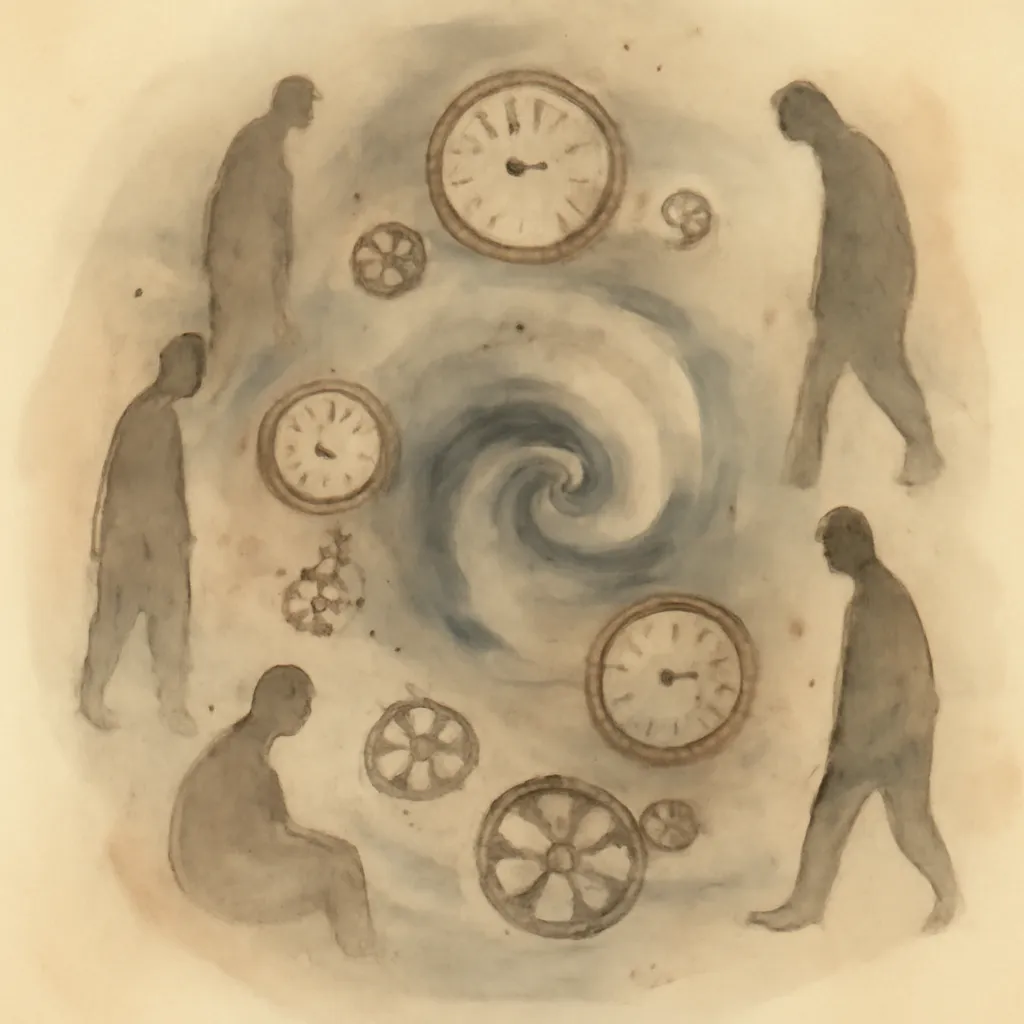
Throughout 'Tales of Space and Time', Wells engages with the concept of time travel, a recurring theme that invites philosophical exploration of causality and destiny. In various narratives, characters experience time as fluid and malleable, challenging the linear perception of past, present, and future. This exploration raises profound questions about free will, the nature of reality, and the potential for altering one's destiny. Wells suggests that while time travel may offer tantalizing possibilities, it also presents ethical dilemmas and unforeseen consequences. Characters who traverse time are often confronted with the ripple effects of their actions, illuminating the interconnectedness of all moments in time. The notion of time as a non-linear construct prompts readers to consider how their choices shape their lives and the world around them. By delving into the complexities of time, Wells encourages readers to reflect on the nature of existence, the weight of their decisions, and the impact they have on both their own lives and the broader tapestry of human history.
7.The Nature of Reality: Blurring Boundaries
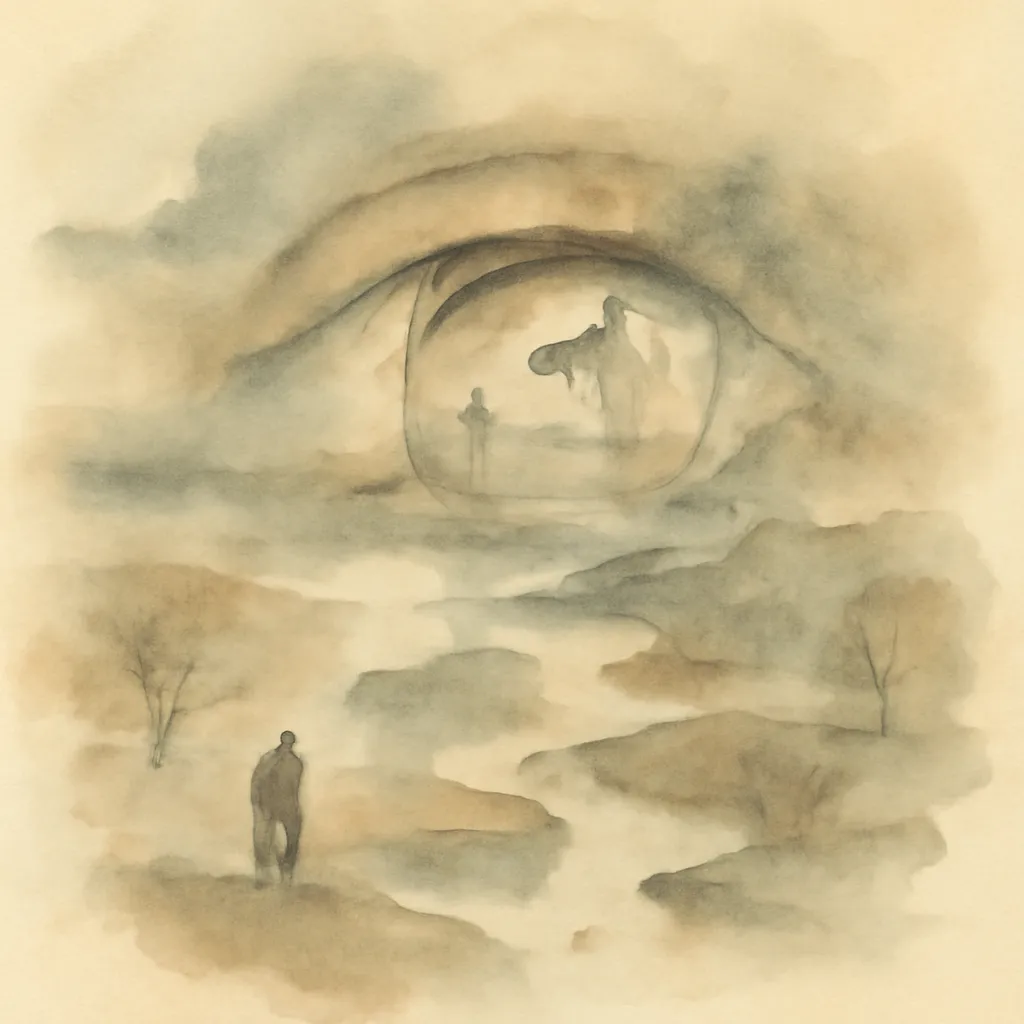
Wells' stories often blur the lines between reality and imagination, prompting readers to question the nature of existence itself. In 'The Crystal Egg', the vivid visions experienced by Mr. Cave serve as a reminder that perception shapes reality, and what we deem real may only be a reflection of our desires and fears. The interplay between the tangible and the fantastical enriches the narratives, highlighting the importance of curiosity and creativity in the human experience. Wells uses this blurring of reality to challenge assumptions, suggesting that the limits of human understanding may be far more expansive than we realize. Characters often find themselves straddling the line between two worlds, forced to confront the consequences of their beliefs and perceptions. This theme resonates with readers, encouraging them to reflect on their own interpretations of reality and the ways in which imagination and experience shape their understanding of the world. Ultimately, Wells advocates for a perspective that embraces both the rational and the imaginative, fostering a deeper appreciation for the mysteries that lie beyond our comprehension.
8.Humanity's Place in the Cosmos: A Humbling Perspective
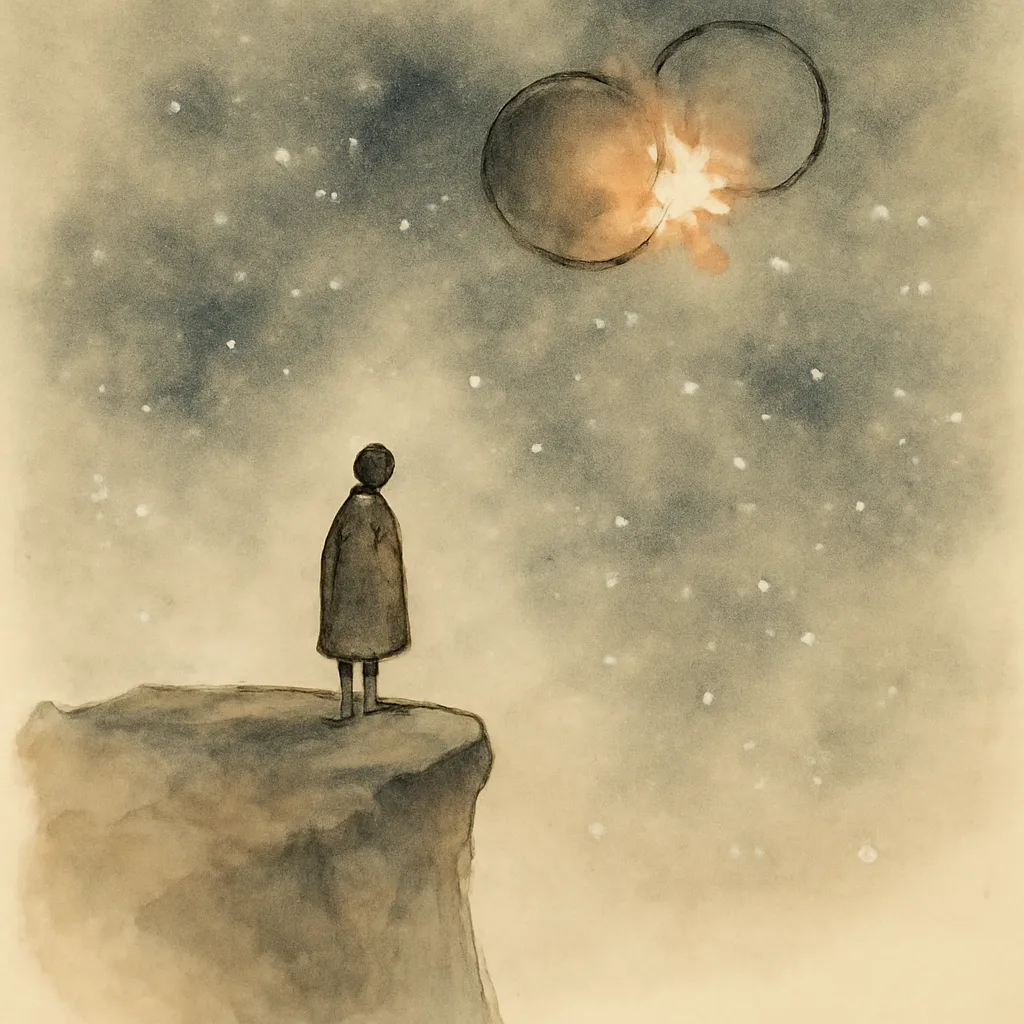
In 'Tales of Space and Time', Wells emphasizes humanity's smallness within the vast cosmos, urging readers to adopt a humble perspective. The stories often explore the insignificance of human concerns in the face of cosmic phenomena, such as the impending collision of planets in 'The Star'. This theme serves to remind us of the larger forces at play in the universe, prompting reflection on our place within it. Wells challenges the notion of human superiority, suggesting that our existence is but a fleeting moment in the grand tapestry of time and space. By confronting the enormity of the universe, readers are encouraged to cultivate a sense of wonder and respect for the mysteries of existence. This humbling perspective fosters a deeper appreciation for life and the interconnectedness of all beings in the cosmos. Through his narratives, Wells illustrates that while humanity strives for greatness, we are ultimately part of a much larger and more complex universe, urging us to remain vigilant and respectful stewards of our world.
9.The Evolution of Society: Progress and Consequences
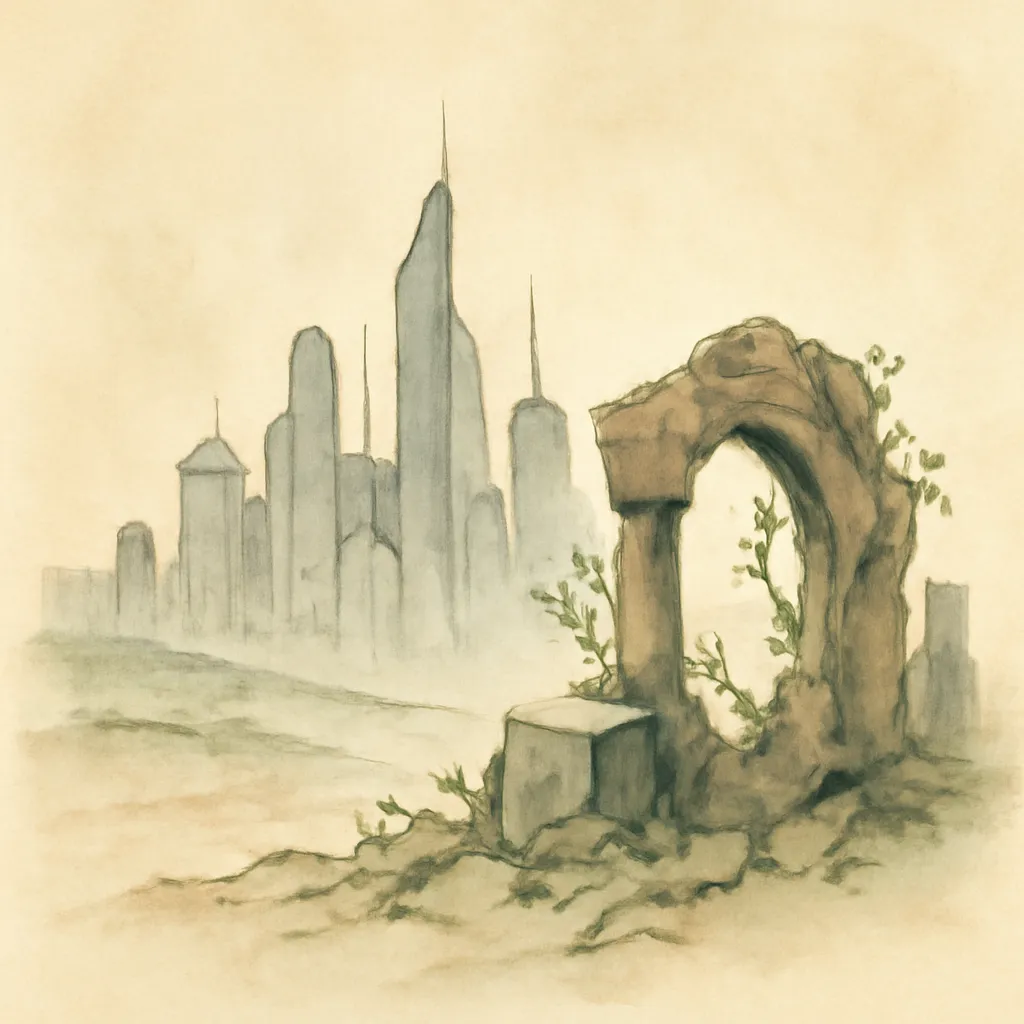
Wells' narratives illustrate the evolution of human society, highlighting the tensions between progress and its consequences. In 'A Story of the Days to Come', Wells depicts a dystopian future where technological advancements have led to societal fragmentation and moral decay. This reflection on the cost of progress serves as a cautionary tale, urging readers to consider the balance between innovation and ethical responsibility. As characters navigate their changing worlds, they confront the complexities of social structures and the impact of their choices on future generations. Wells advocates for a more conscious approach to progress, emphasizing the need for compassion and humanity in the face of relentless change. The stories prompt readers to reflect on the moral implications of technological advancement, urging a dialogue about the responsibilities that accompany innovation. By examining the trajectory of society, Wells encourages readers to engage with the challenges of their own time and strive for a better future, fostering an awareness of the interconnectedness of progress and human values.