1.The Origins of Tarzan
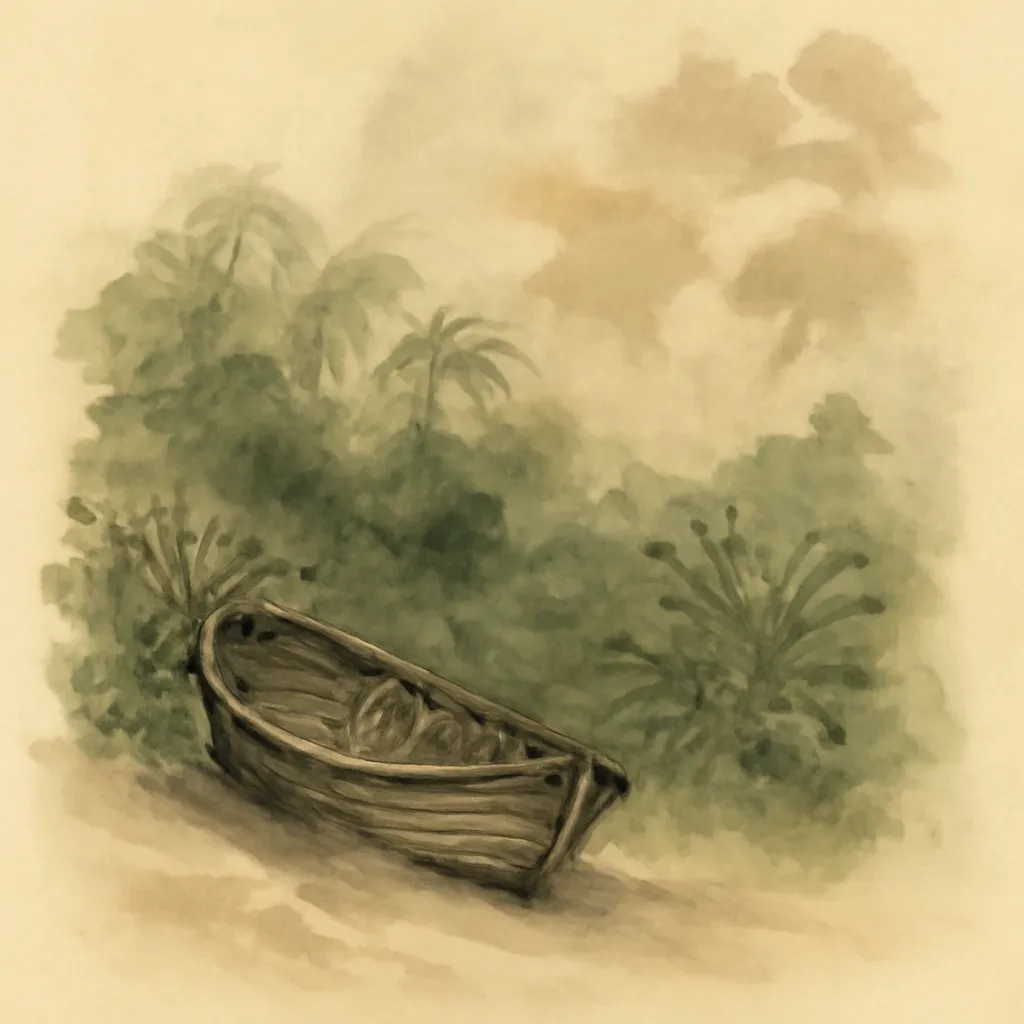
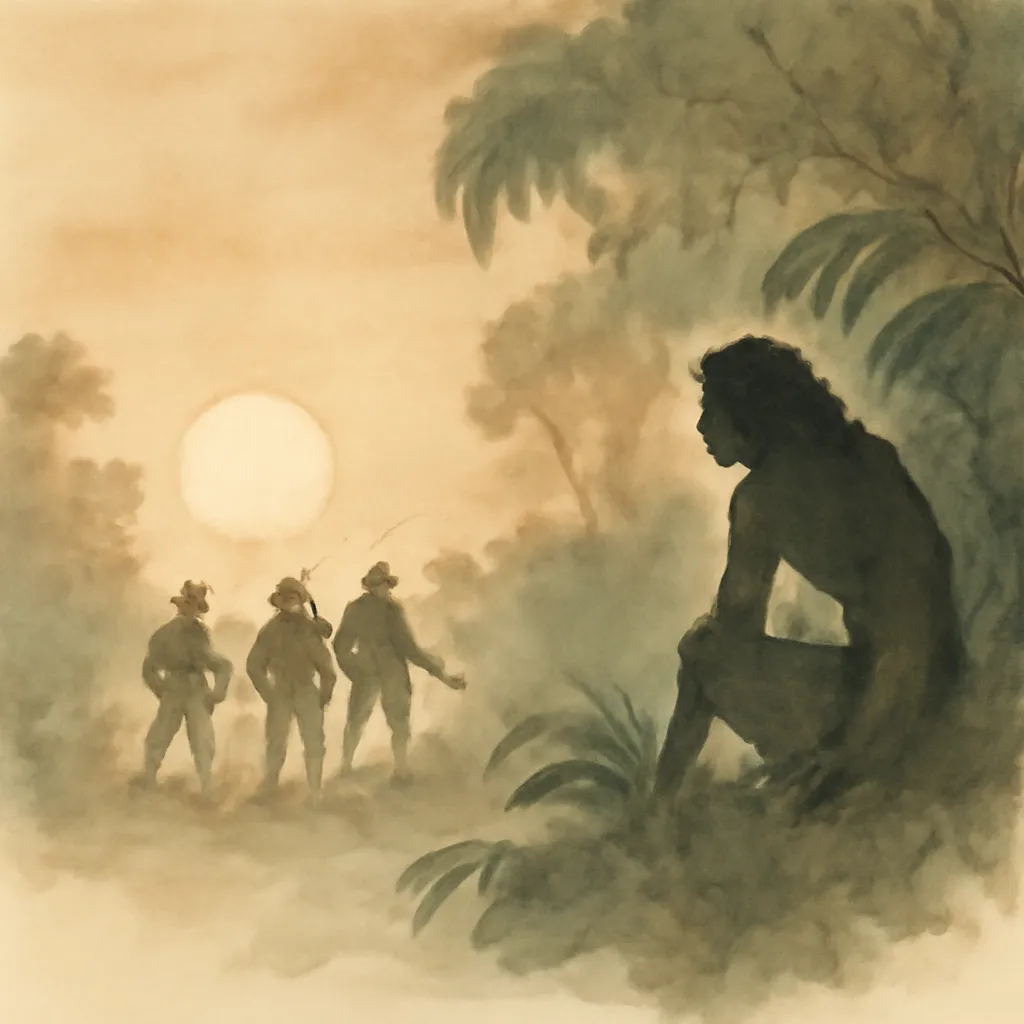
The story begins with John Clayton, Lord Greystoke, who is sent to Africa for a delicate investigation into colonial exploitation. After a mutiny aboard the ship, he and his wife are stranded in the jungle, where they tragically die, leaving their infant son, Tarzan, alone. The child is discovered and adopted by Kala, a female ape who has lost her own baby. This pivotal moment sets the stage for Tarzan's unique upbringing, blending human heritage with the instincts and behaviors of the jungle. The narrative emphasizes the randomness of fate and how environments shape identities, suggesting that Tarzan's development will contrast sharply with both his noble lineage and the animalistic life he leads.
2.Life in the Jungle
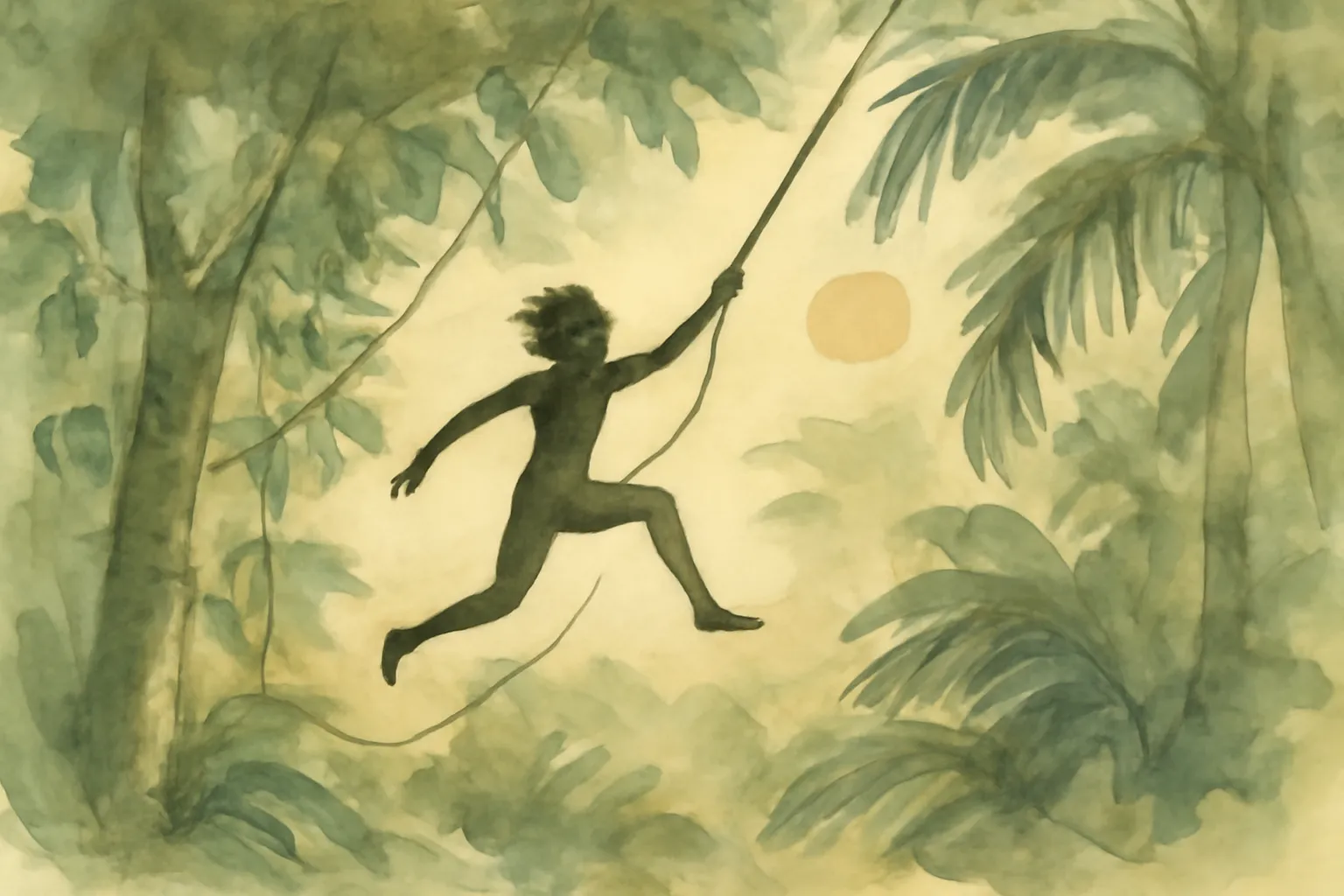
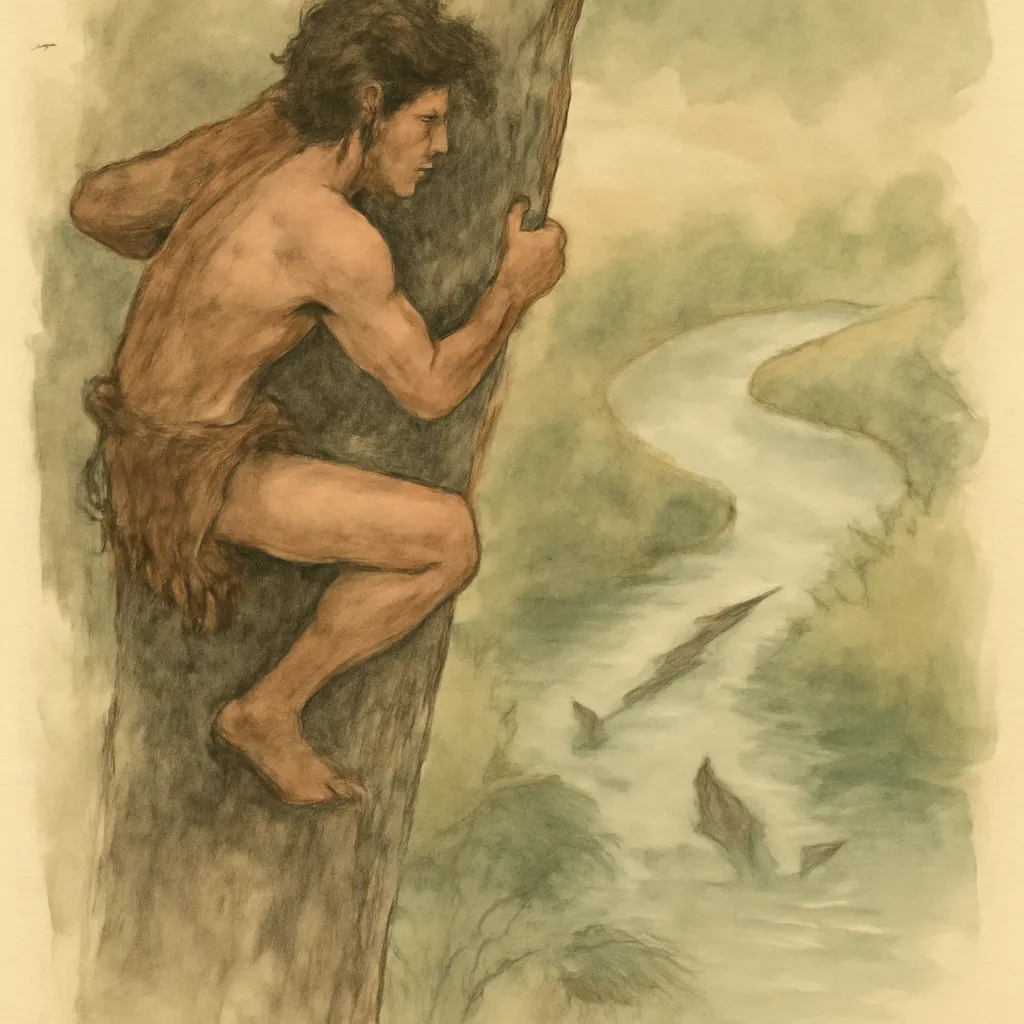
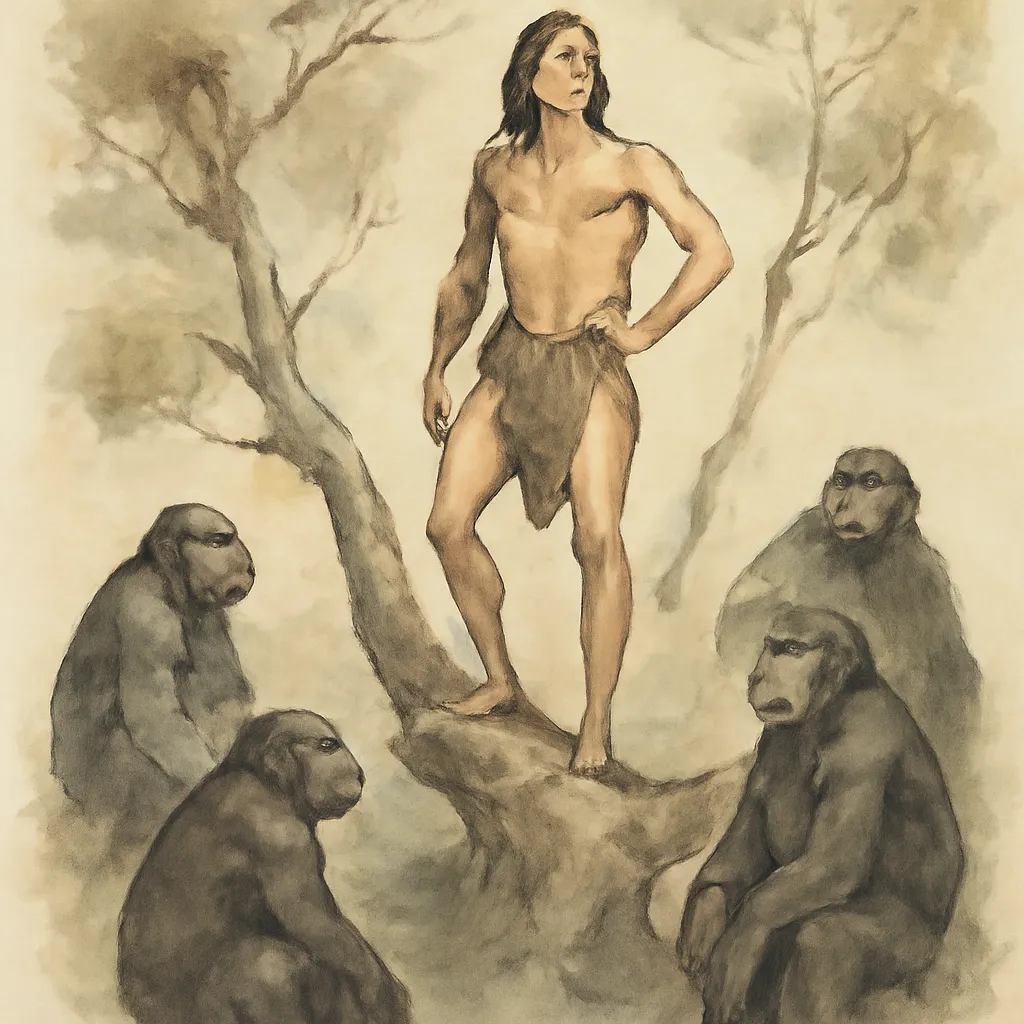
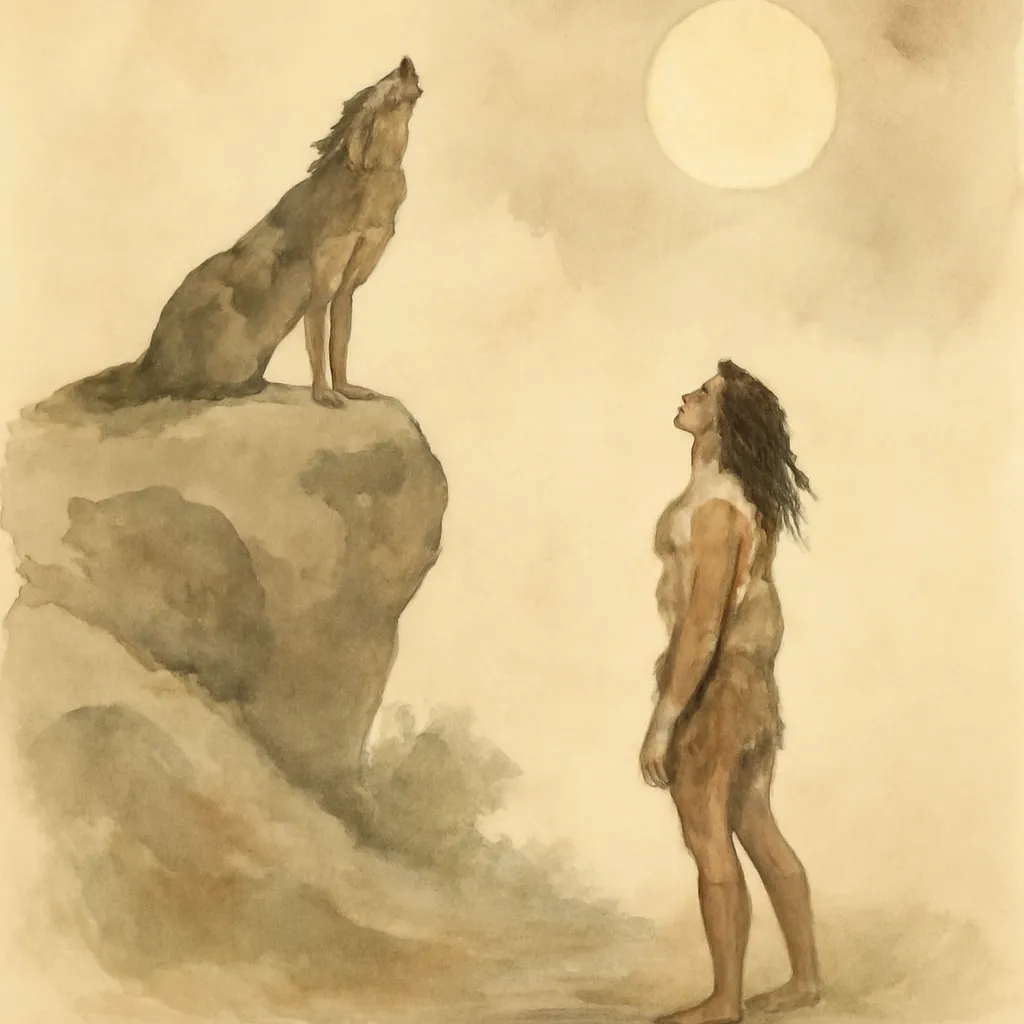
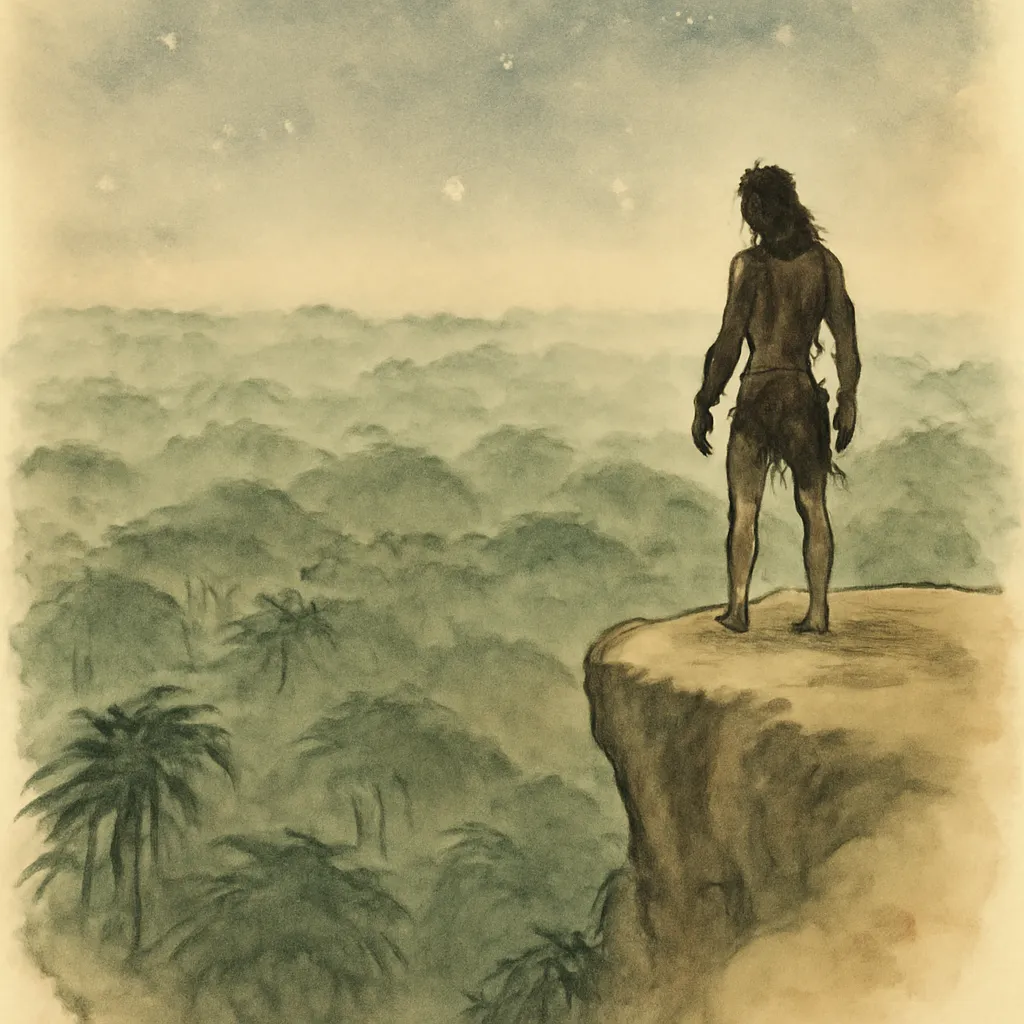
Raised by a tribe of apes, Tarzan learns to survive in the wild, developing extraordinary physical abilities and instincts. He becomes adept at climbing, hunting, and navigating the complexities of jungle life. His experiences are marked by both wonder and danger, as he faces predators like Sabor, the lioness, and learns to assert himself within the ape tribe. Burroughs vividly describes Tarzan's adventures, illustrating his dual existence as both an animal and a human. This juxtaposition highlights the tension between his upbringing and his innate curiosity about the human world, showcasing the instinctual versus the learned behaviors that define his character.
3.The Discovery of the Cabin
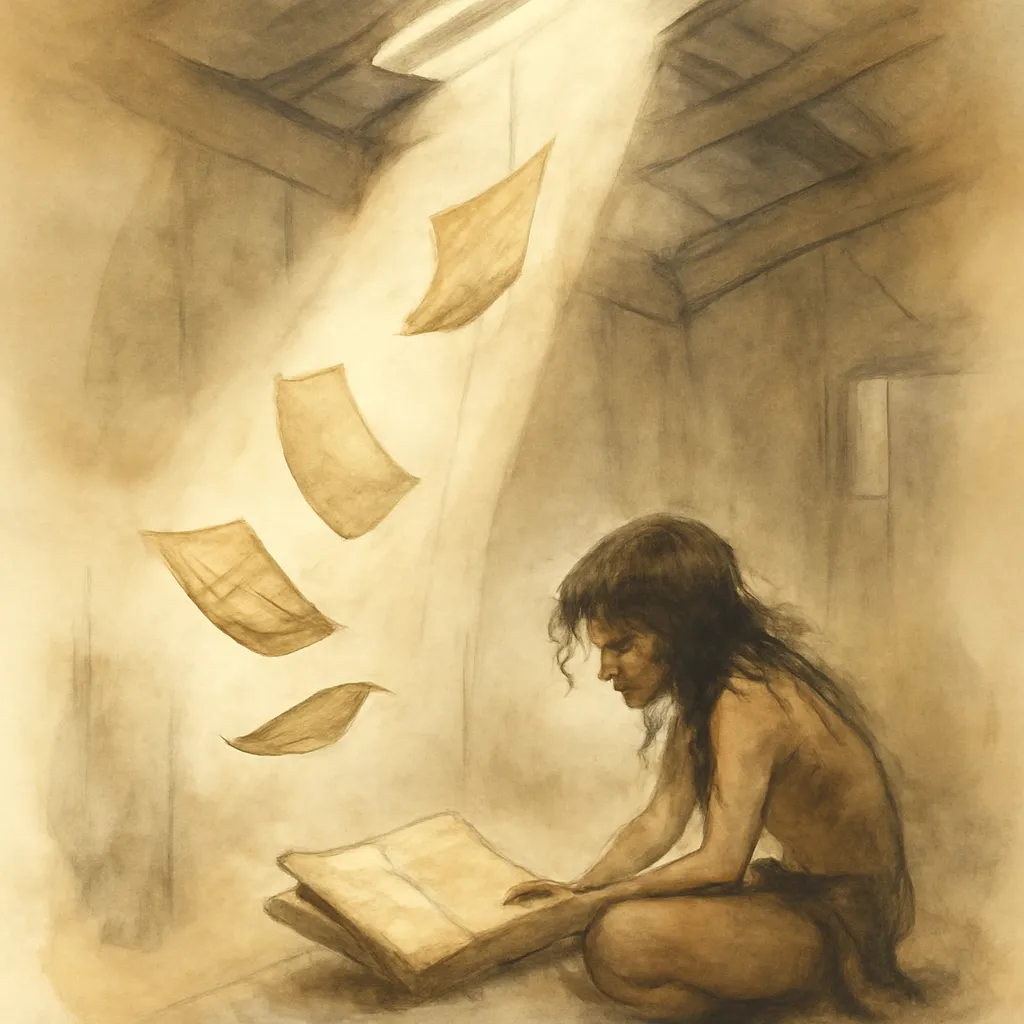
As Tarzan grows, he becomes increasingly fascinated by the abandoned cabin of his parents, which serves as a symbol of his human heritage. His relentless curiosity leads him to explore the cabin, where he discovers books, tools, and remnants of a past life. This discovery is transformative; it introduces him to language, culture, and the concept of civilization. The books captivate him, igniting a desire to understand the world beyond the jungle. This moment signifies a crucial turning point in Tarzan's identity, as he begins to reconcile his primal upbringing with the knowledge of his aristocratic lineage, laying the groundwork for his future encounters with humanity.
4.The Influence of Knowledge
Tarzan's exposure to literature in the cabin profoundly impacts his development, as he learns to read and write, albeit without formal instruction. The knowledge he gains allows him to articulate his thoughts and emotions, bridging the gap between his two worlds. He becomes increasingly aware of his differences from the ape tribe, feeling both an affinity for them and a longing to connect with his own kind. This internal conflict is central to his character, as he grapples with the implications of his identity as a human raised by apes. The story illustrates the power of knowledge, suggesting that education and culture are vital in shaping one's identity, even in the face of primal instincts.
5.The Encounter with Humans
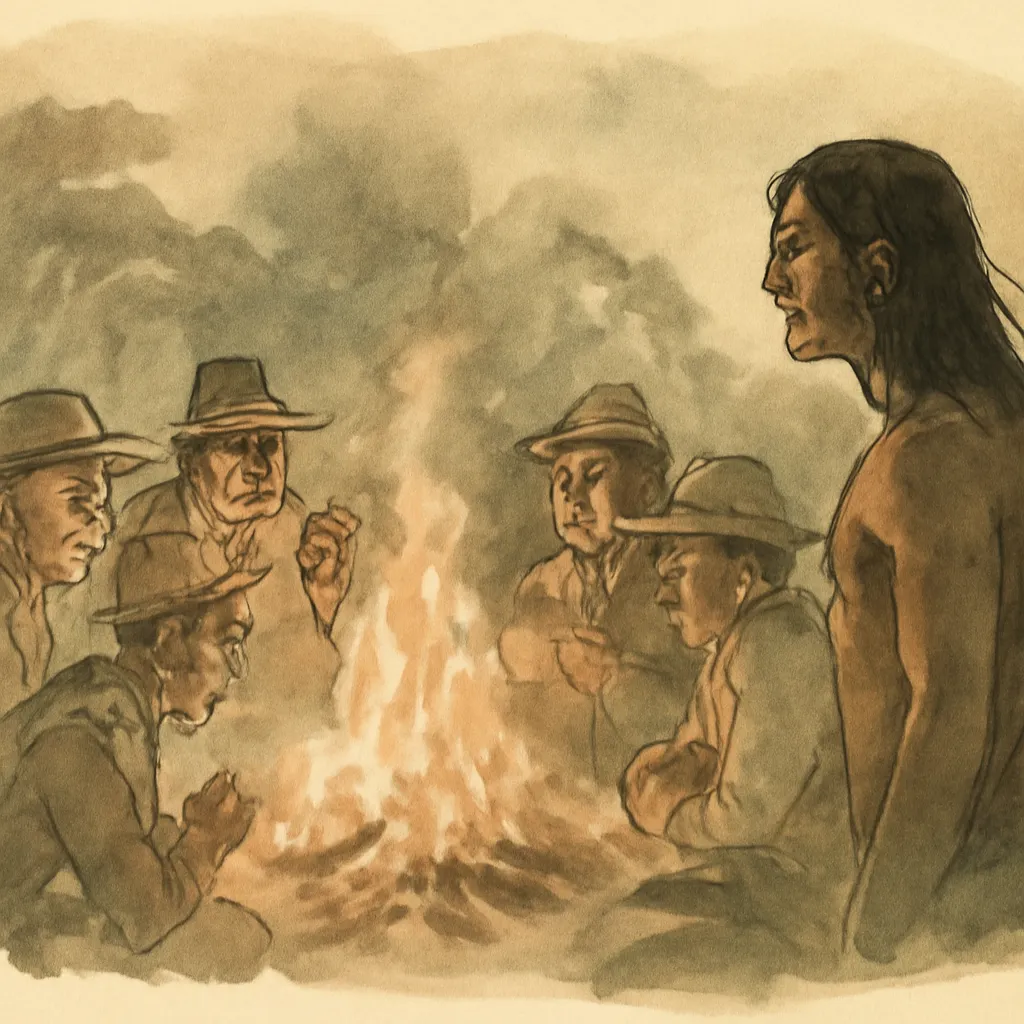
Tarzan's first encounter with humans is both thrilling and terrifying. When he meets a group of explorers, including Jane Porter, he is struck by their appearance and behavior, which are foreign to him. This meeting catalyzes a series of events that challenge Tarzan's understanding of himself and his place in the world. His fascination with Jane symbolizes his yearning for connection and belonging. However, he also confronts the darker aspects of humanity, including violence and betrayal, as he navigates the complexities of human relationships. This duality of admiration and caution reflects Burroughs' exploration of the nature of civilization, questioning what it means to be civilized in contrast to primal instincts.
6.Tarzan's Leadership and Evolution
As Tarzan becomes more integrated into human society, he begins to exhibit leadership qualities that reflect both his upbringing and his noble heritage. His natural abilities and intelligence allow him to command respect among both the apes and humans. This evolution signifies a merging of his two identities, as he learns to harness his primal instincts for the benefit of others. The narrative emphasizes themes of responsibility and stewardship, portraying Tarzan as a protector of the jungle and its inhabitants. His journey illustrates the potential for growth and transformation, suggesting that one's environment and experiences can shape leadership qualities, regardless of origin.
7.The Struggle for Identity
A central theme in 'Tarzan of the Apes' is the struggle for identity, as Tarzan grapples with his dual heritage. He is torn between the wild instincts of the jungle and the civilized expectations of human society. This conflict is poignantly illustrated in his relationships with characters like Jane and Clayton, who represent different facets of his identity. Tarzan’s journey is marked by moments of self-discovery, as he learns to embrace his unique position as a bridge between two worlds. This exploration of identity resonates with readers, inviting them to reflect on their own experiences of belonging and the complexities of cultural heritage.
8.The Nature of Civilization
Burroughs critiques the nature of civilization through Tarzan's interactions with the human world. While Tarzan embodies the virtues of strength, loyalty, and honor, he also witnesses the vices of greed, cruelty, and betrayal among humans. This juxtaposition raises questions about the morality of civilization and its impact on the individual. Tarzan's perspective as an outsider allows him to critique societal norms and behaviors, highlighting the contradictions inherent in human civilization. The narrative suggests that true civilization requires a balance of strength and compassion, advocating for a more harmonious existence between man and nature.
9.The Call of the Wild
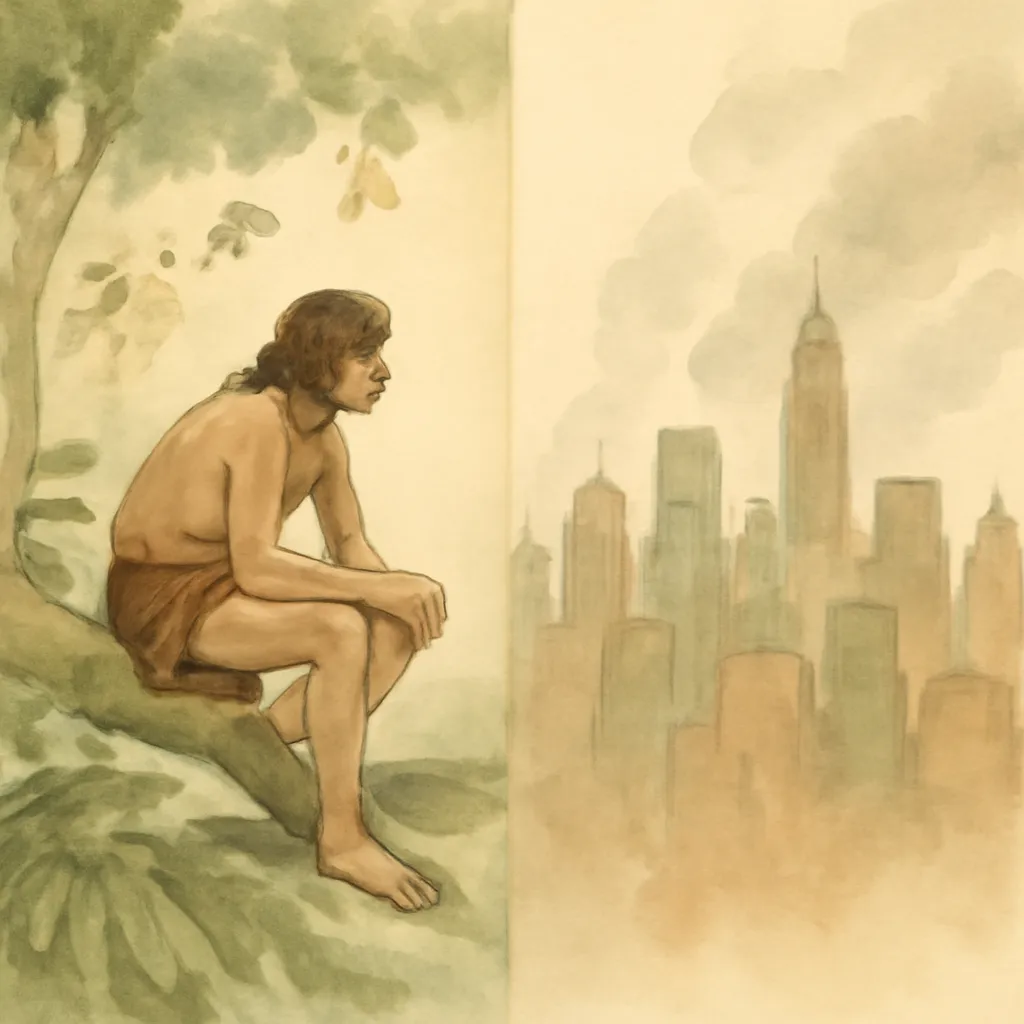
Despite his growing ties to humanity, Tarzan feels an undeniable pull to the jungle, where he has spent most of his life. This 'call of the wild' represents the primal instincts that remain ingrained in him, despite his exposure to civilization. Burroughs uses this motif to explore the tension between nature and nurture, suggesting that one's true self cannot be completely suppressed by societal expectations. As Tarzan navigates his dual existence, he ultimately recognizes the importance of both his human and wild identities, embracing the full spectrum of his being. This theme resonates with readers, evoking reflections on the balance between civilization and the natural world.
10.The Legacy of Tarzan
The character of Tarzan has become an enduring symbol of adventure, exploration, and the complexities of identity. His journey from the jungle to civilization and back again speaks to the universal human experience of seeking belonging and understanding. Burroughs' portrayal of Tarzan challenges readers to confront their own perceptions of civilization, nature, and the intricate interplay between the two. The legacy of Tarzan extends beyond the pages of the book, influencing popular culture and inspiring countless adaptations. His story serves as a reminder of the power of storytelling to explore fundamental questions about humanity, identity, and the world we inhabit.