1.The Allure of the Arctic Wilderness
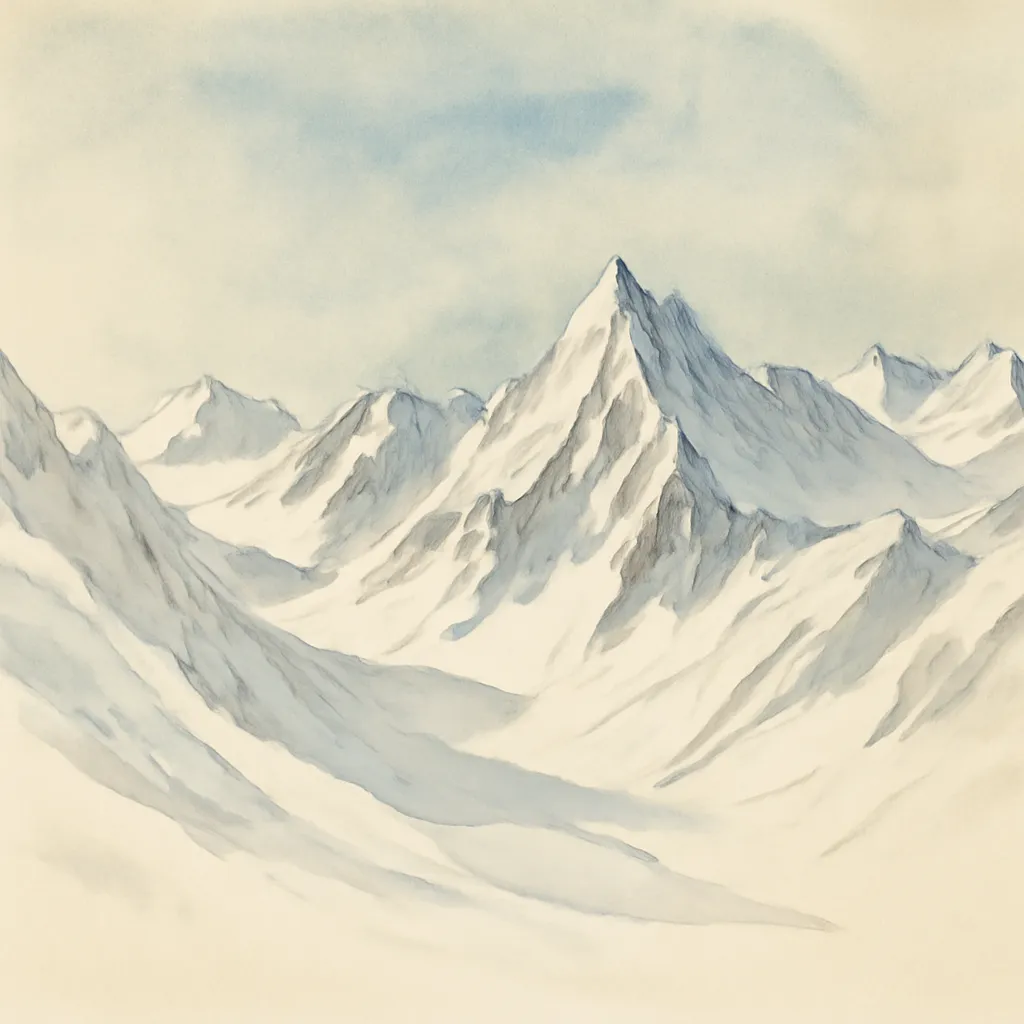
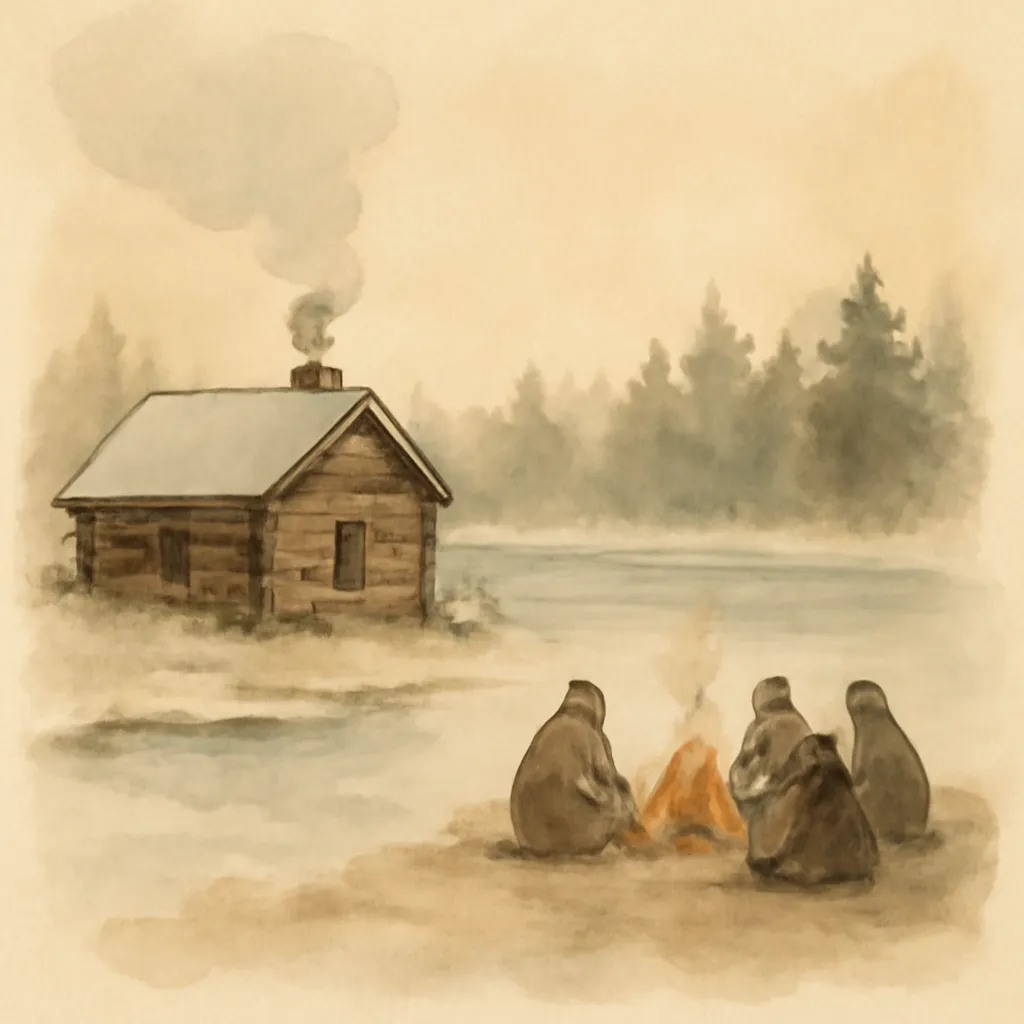
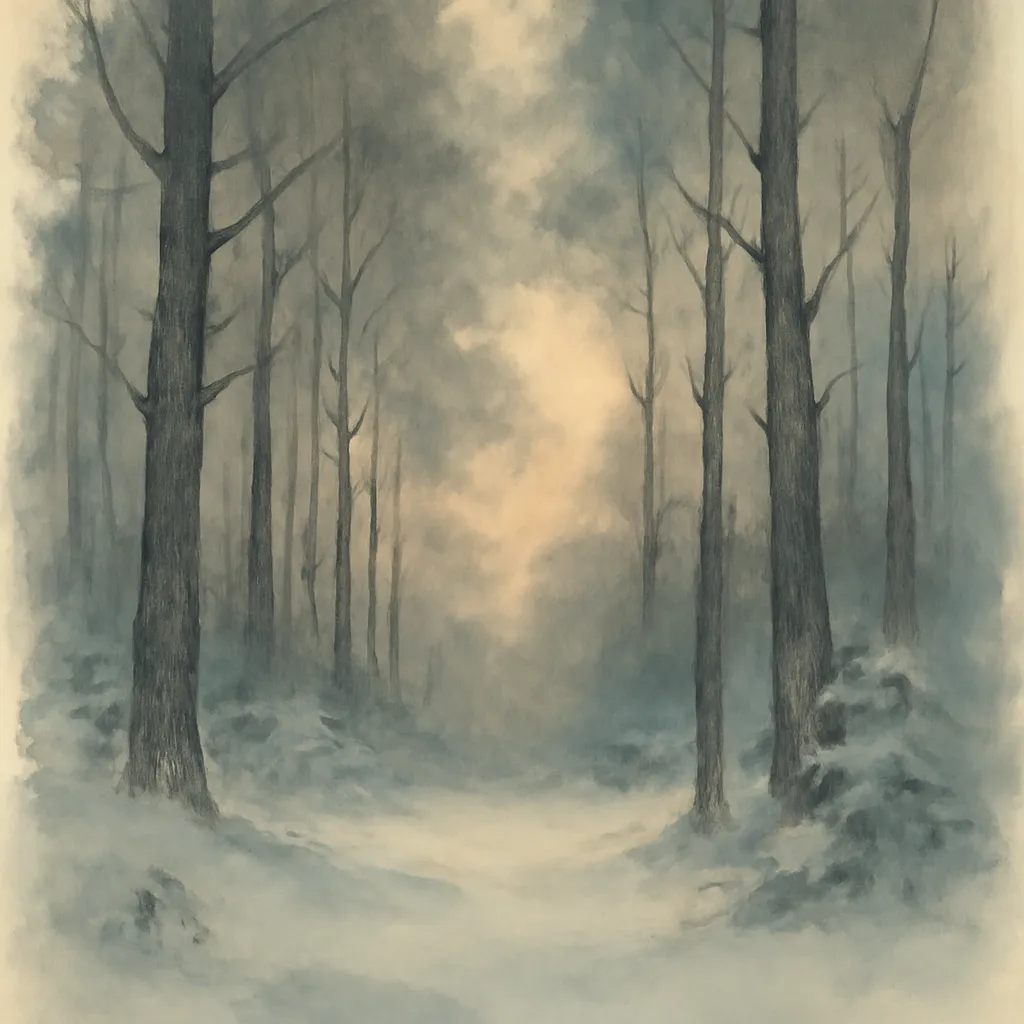
Alaska's interior captivates with its haunting beauty and vast wilderness. Stuck describes the landscape as a 'great, wild country, little known save along accustomed routes of travel,' emphasizing its raw, untouched nature. While many perceive Alaska as a land of perpetual snow and ice, Stuck highlights its multifaceted character, which includes stunning vistas, intricate ecosystems, and the stark contrast of life against such a formidable backdrop. He portrays the wilderness as a living entity, full of fascination and charm, which draws explorers into its depths, urging them to discover its secrets. The blend of beauty and danger creates a compelling narrative that captures the essence of true adventure, setting the stage for the journeys that unfold throughout the book.
2.The Challenges of Winter Travel
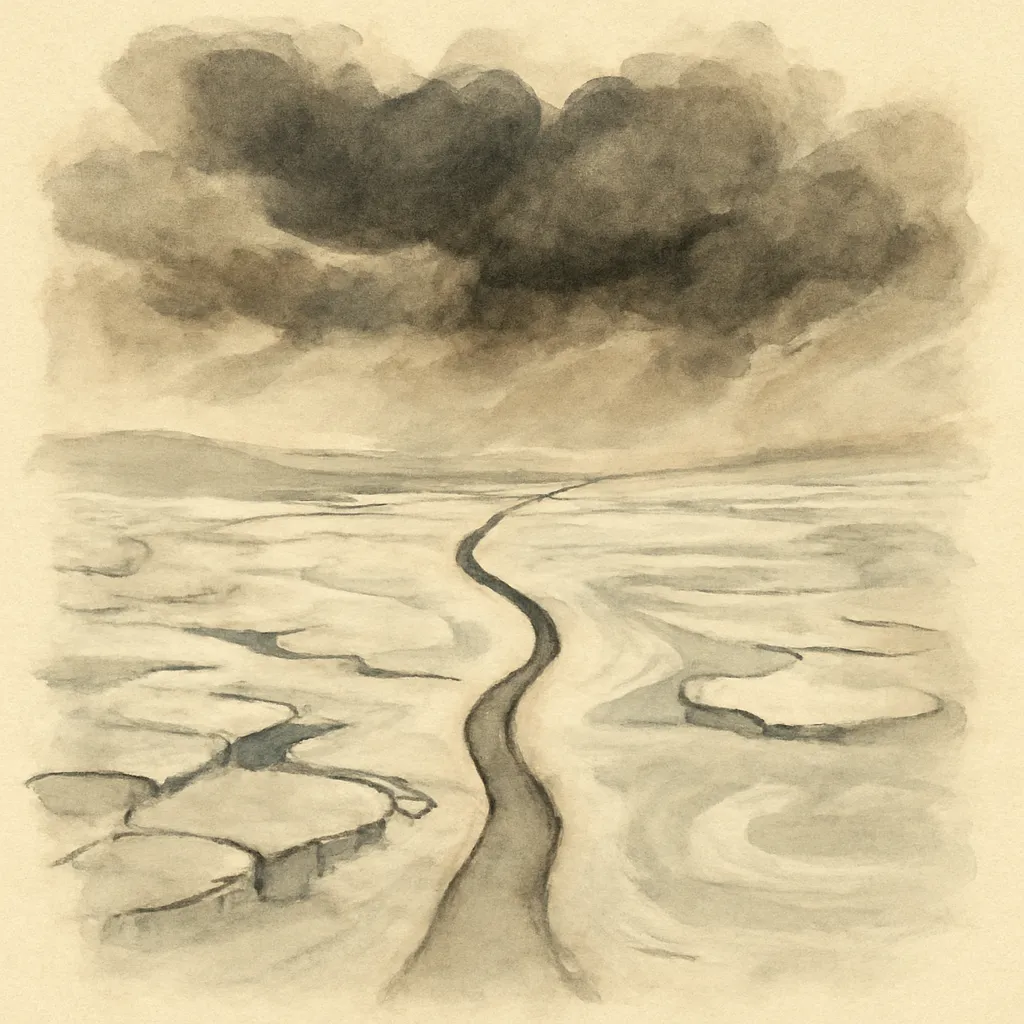
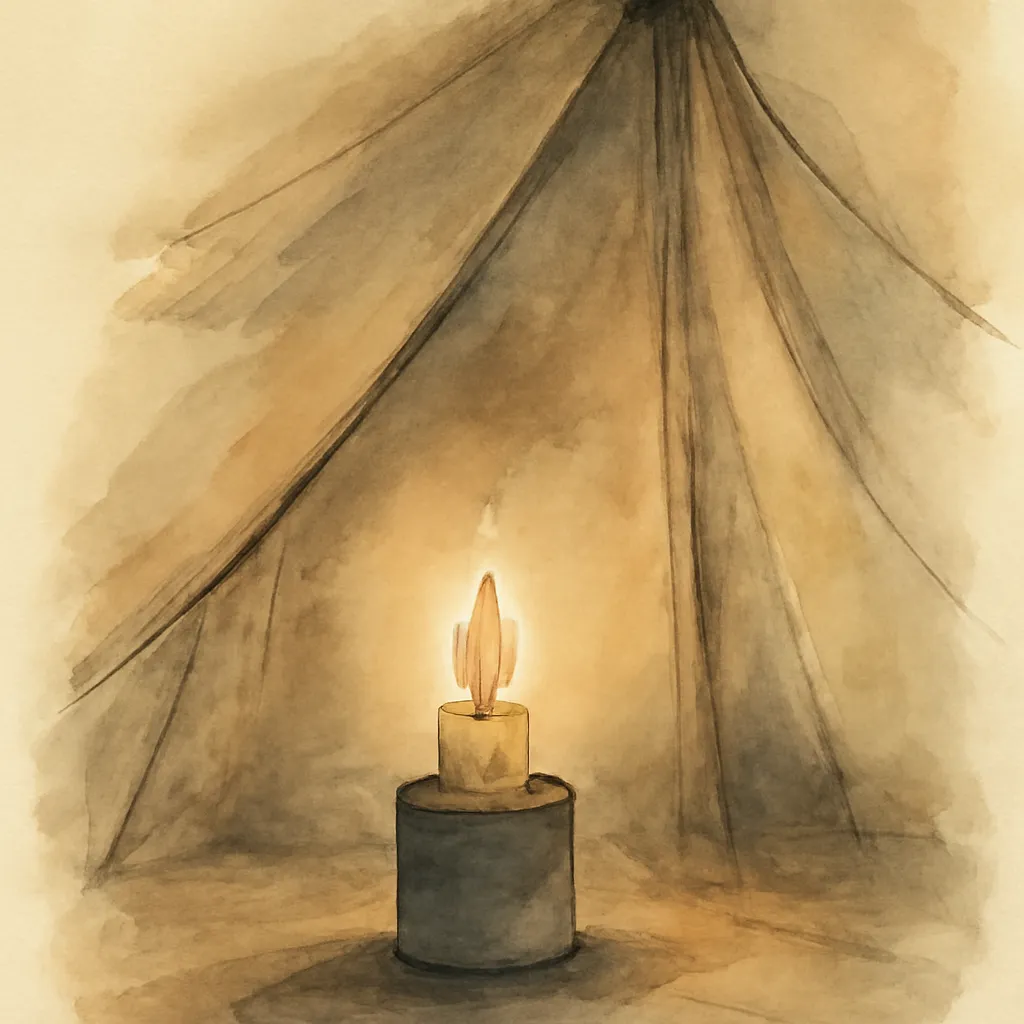
Traveling through Alaska's frozen landscapes presents unique challenges that test both physical endurance and mental fortitude. Stuck's journeys often involve navigating treacherous ice, harsh weather conditions, and the risk of becoming lost in the vast wilderness. He recounts one particularly cold journey where the thermometer dipped to -50 degrees, emphasizing how the intense cold affects not only the travel conditions but also the morale of the team. The use of candles for light, as opposed to more modern options that fail in extreme cold, illustrates the need for adaptability and resourcefulness. Stuck's experiences reveal that survival in this environment is not just about physical stamina; it also requires a deep understanding of the land, the weather, and the animals that inhabit it, showcasing the skills necessary for successful winter travel.
3.The Role of the Dog Team
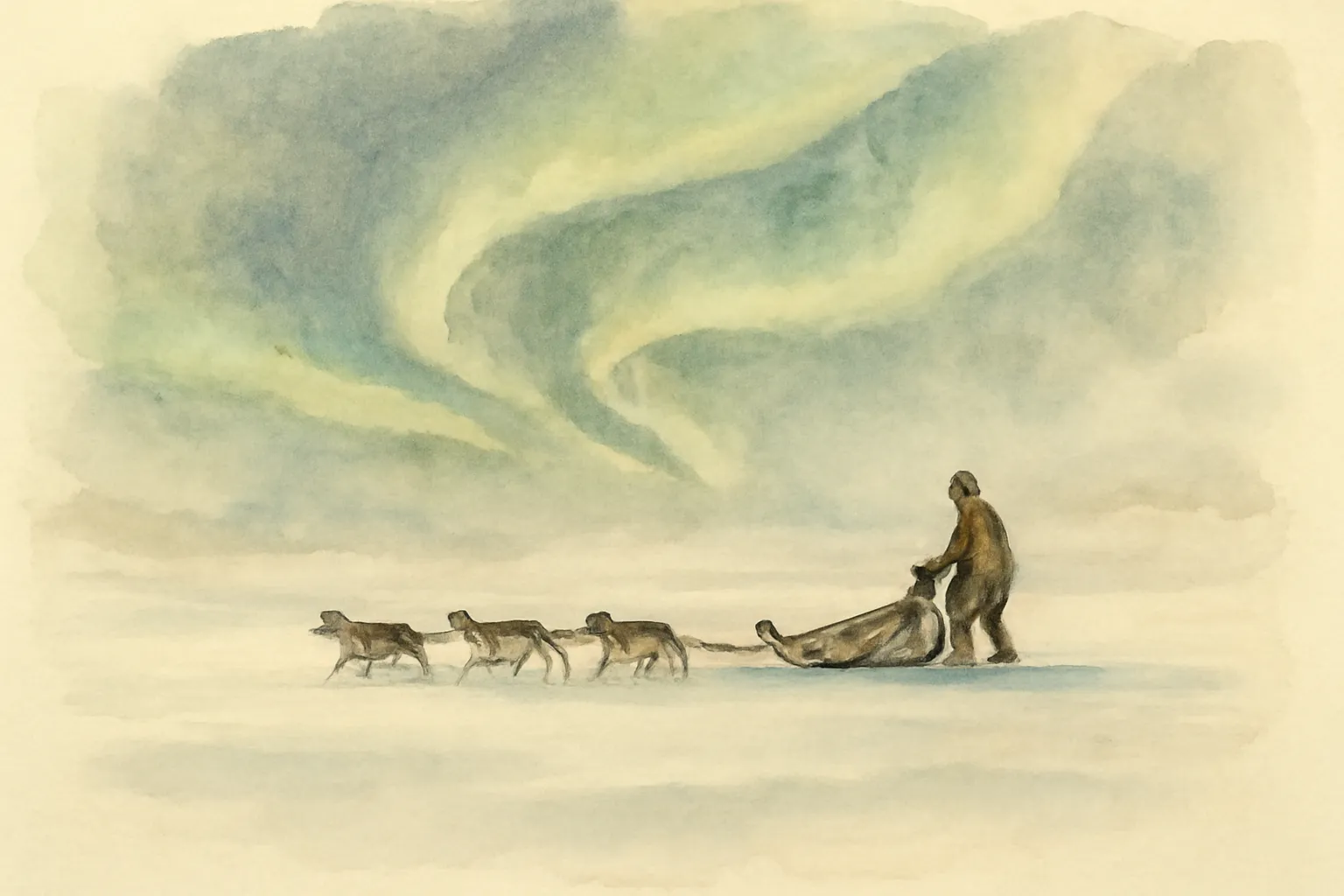
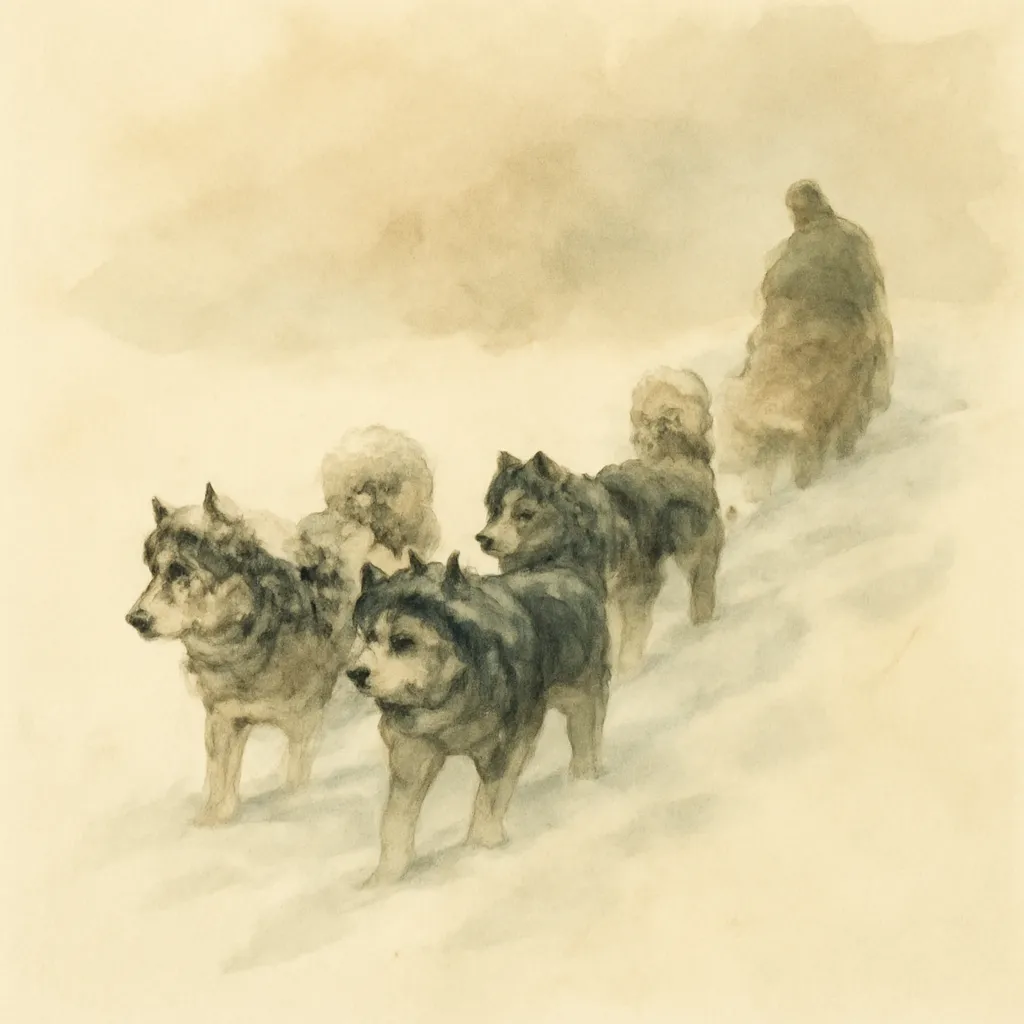
The dog team is central to Stuck's journeys, serving as both his means of transportation and companions on the trail. He describes the unique qualities of Alaskan dogs, particularly the malamute and husky breeds, noting their adaptability to the harsh conditions of the Arctic. These dogs possess a remarkable ability to endure extreme cold, navigate difficult terrain, and work collaboratively in teams. Stuck illustrates the bond between musher and dog, emphasizing that successful travel depends on this relationship. The dogs’ instincts and training are crucial, as they guide the sled through the wilderness, and their well-being is a constant concern for Stuck. His reflections on the dogs highlight their intelligence and resilience, making them indispensable partners in the quest for adventure.
4.Cultural Encounters with Native Alaskans
Throughout his travels, Stuck encounters various native groups, providing a rich tapestry of cultural insights. He reflects on the lives of the Athabascan Indians and the Esquimaux, portraying them as hardy people who have thrived in one of the harshest climates on Earth. Stuck admires their skills in hunting, fishing, and survival, often contrasting their traditional ways with the encroaching influence of modern civilization. He describes their practices, beliefs, and the challenges they face due to external pressures, such as resource exploitation and cultural assimilation. These encounters not only enrich Stuck's narrative but also serve as a reminder of the importance of preserving indigenous cultures and their connection to the land. Stuck's respectful observations invite readers to appreciate the depth of these communities and their enduring relationship with the Arctic environment.
5.Spiritual Reflections in Nature
Stuck's journeys are not just physical traversals; they are also deeply spiritual experiences. He often reflects on the profound connection between the land and spirituality, suggesting that the wilderness serves as a canvas for introspection and revelation. The isolation and beauty of the Arctic landscape evoke a sense of awe and reverence, prompting Stuck to contemplate larger existential questions. He describes moments of tranquility amidst the chaos of nature, where the silence of the snow-covered terrain allows for deep reflection. These spiritual moments are interwoven with his missionary work, as he seeks to share the message of hope and faith with the native populations. Stuck’s narrative thus becomes a meditation on the interplay between nature, spirituality, and the human experience, illustrating how the wilderness can inspire profound personal transformations.
6.The Evolution of Fairbanks
Stuck provides a historical perspective on Fairbanks, capturing its transformation from a bustling gold rush town to a more stable community. He describes the chaotic early days marked by vice and lawlessness, where gambling and saloons thrived alongside gold mining. Over time, as the gold output declined, the town adapted, focusing on sustainable development and community building. Stuck notes the emergence of more responsible governance and social structures, highlighting the shift from a 'Wild West' mentality to a more civilized society. This evolution reflects the resilience of the people and the community’s ability to adapt to changing circumstances. Stuck’s observations serve as a microcosm of the broader changes occurring in Alaska, where the promise of wealth is tempered by the realities of frontier life.
7.The Impact of Gold Discoveries
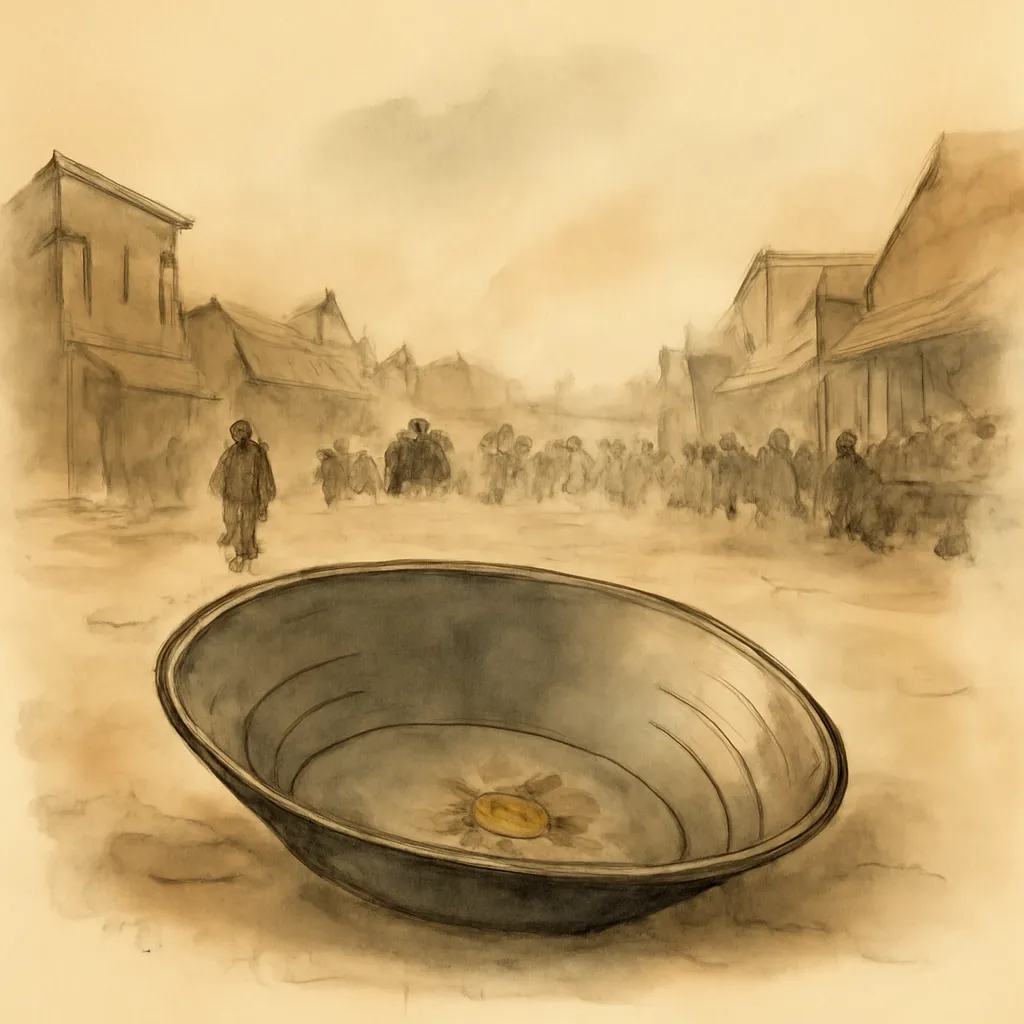
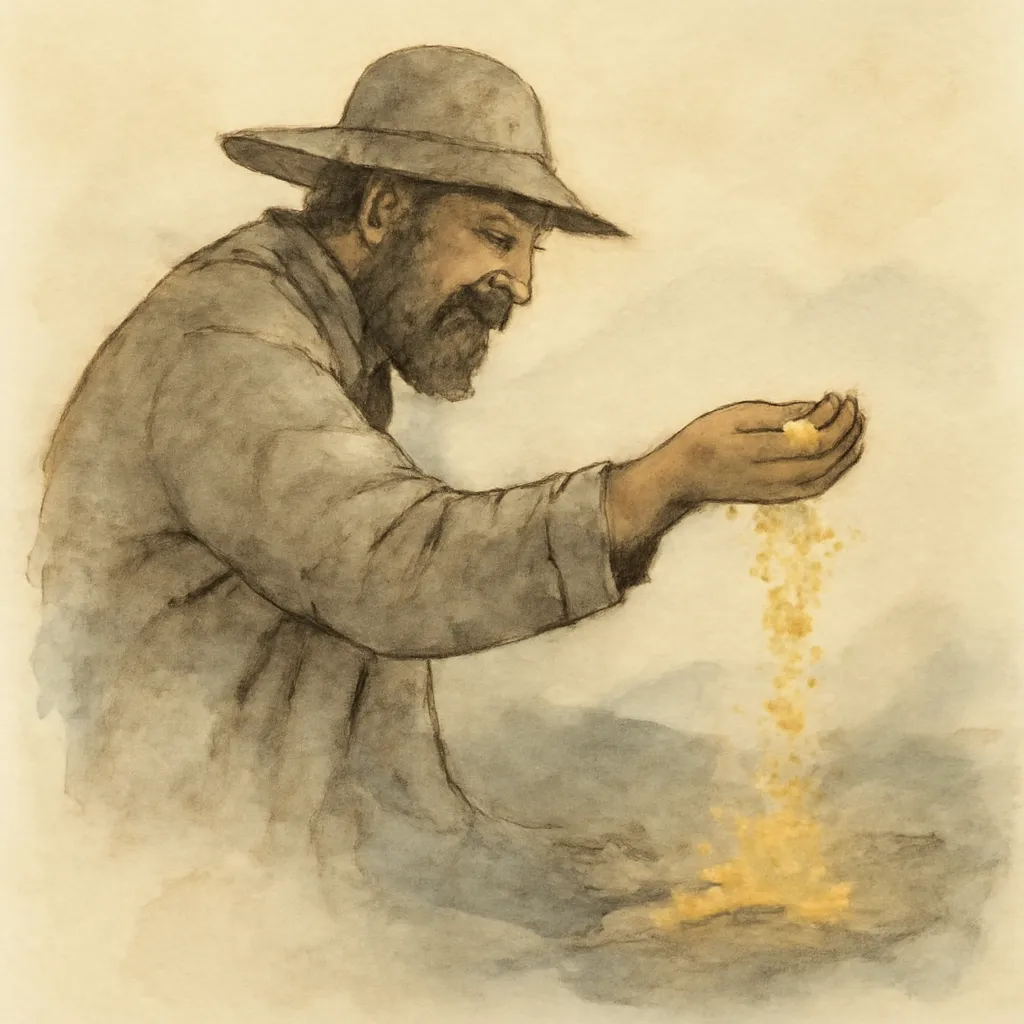
The discovery of gold in various Alaskan regions, such as the Iditarod and Innoko, spurred waves of migration and prospecting, dramatically altering the landscape and demographics of the area. Stuck chronicles how these discoveries ignite hope and ambition, drawing people from all walks of life eager to seek their fortunes. He describes the frenzied rush to new camps, often leading to chaotic conditions as people flock to the promise of wealth. However, Stuck also notes the environmental and social consequences of such rapid expansion, including the strain on native populations and ecosystems. The duality of gold's allure—bringing both opportunity and destruction—serves as a poignant reminder of the complexities inherent in the pursuit of progress. Stuck's insights into this phenomenon highlight the tensions between economic ambition and ethical responsibility.
8.The Frigid Beauty of the Northern Lights
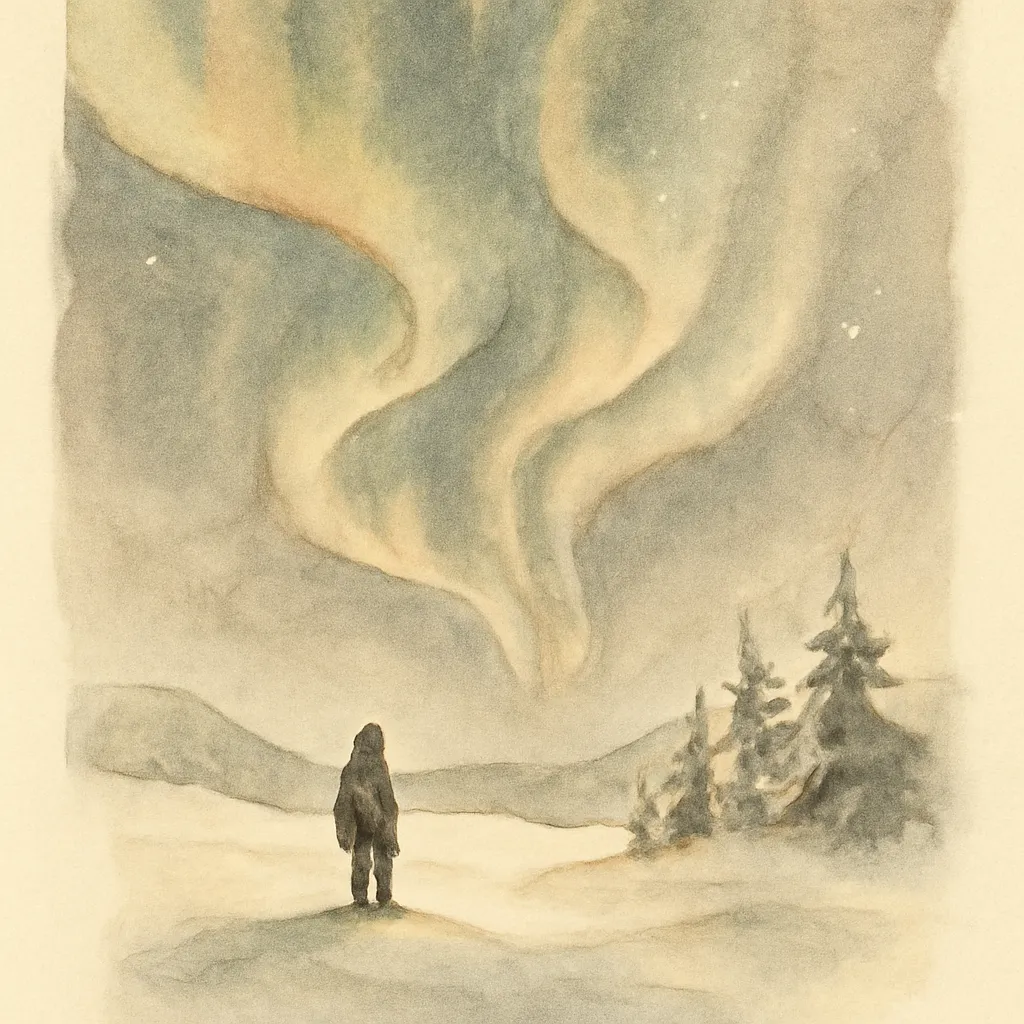
Stuck describes the Northern Lights as a common yet mesmerizing phenomenon in Alaska, reflecting the unique atmospheric conditions of the region. He explains that these displays are more frequent in the interior than at the poles, captivating those fortunate enough to witness them. The lights serve as a spectacular backdrop to his journeys, symbolizing the wonder and mystery of the Arctic skies. Stuck's vivid descriptions evoke the emotions associated with seeing the auroras dance across the night sky, creating a sense of connection to the natural world. He notes that the beauty of the Northern Lights often occurs during the harshest cold, reminding travelers of the paradox of nature's splendor amidst adversity. This phenomenon encapsulates the essence of Stuck's experiences: the coexistence of breathtaking beauty and challenging conditions in the Alaskan wilderness.
9.Adapting to Extreme Conditions
Surviving and thriving in Alaska's extreme conditions requires ingenuity and adaptability. Stuck shares practical insights into the gear, techniques, and strategies necessary for winter travel. For instance, he emphasizes the importance of using candles for illumination, as modern lighting options often fail in the bitter cold. His anecdotes illustrate how improvisation becomes essential, whether it’s finding shelter from the wind or managing supplies during prolonged journeys. The challenges of dealing with severe temperatures, navigating icy terrain, and maintaining the health of his dog team underscore the need for careful planning and flexible thinking. Stuck’s experiences serve as a testament to human resilience and the ability to confront and overcome the formidable challenges posed by nature.
10.The Interplay of Civilization and Nature
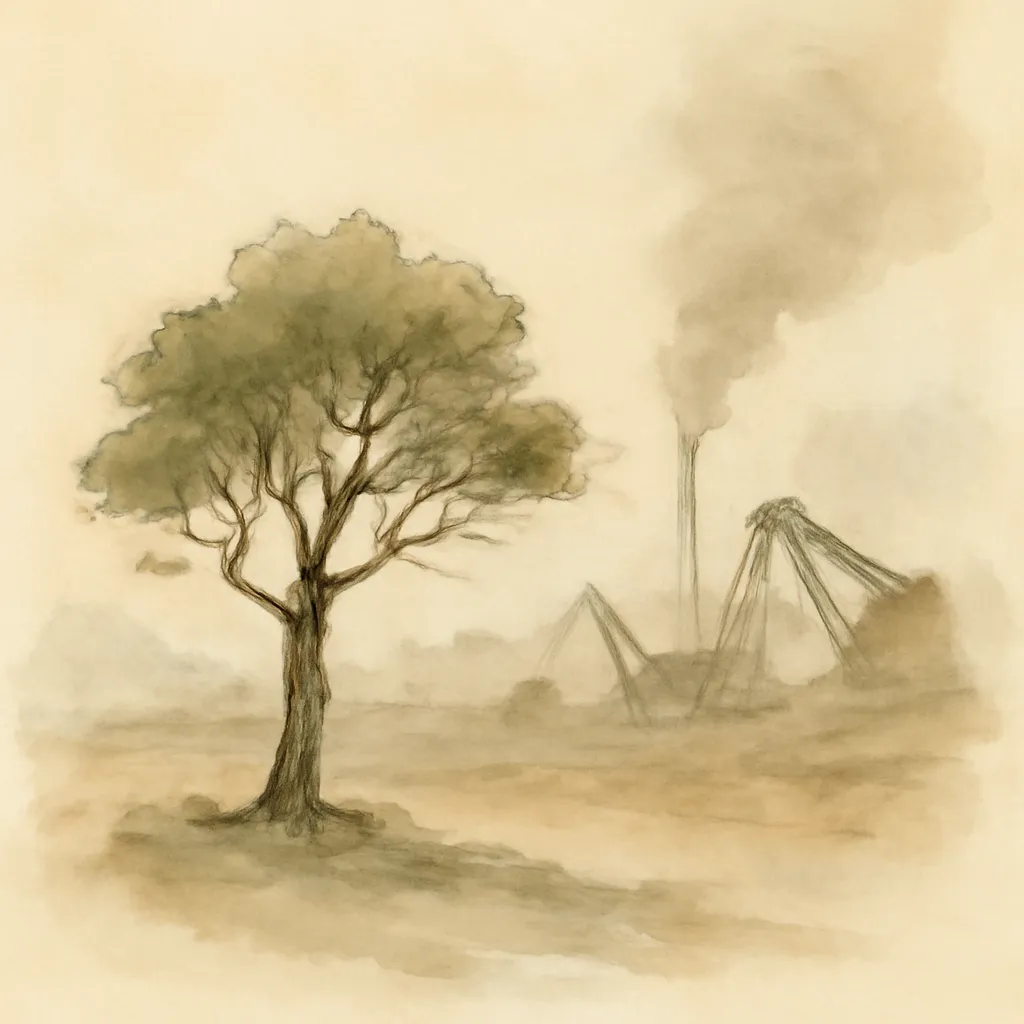
Stuck's narrative often reflects on the tension between the encroachment of civilization and the preservation of the natural world. He observes how mining, transportation, and settlement impact the pristine wilderness, leading to ecological and cultural shifts. While acknowledging the economic benefits of development, he raises concerns about the long-term consequences for both the environment and native populations. Stuck’s thoughtful reflections encourage readers to consider the balance between progress and conservation, highlighting the importance of responsible stewardship of the land. His narrative serves as a call to honor the beauty and integrity of nature, advocating for a harmonious relationship between human activity and the natural world.