1.The Duality of Identity
'Tana embodies the struggle between her mixed heritage and the expectations placed upon her by society. As a white girl raised by Kootenai Indians, she grapples with her dual identity, feeling the pull of both cultures yet belonging fully to neither. This duality is highlighted through her interactions with characters like Dan Overton, who sees her as a symbol of strength and resilience, and Max Lyster, who represents the societal norms of the white settlers. The tension between her two worlds becomes a central theme, as she learns to navigate the complexities of her identity while also confronting the prejudices that come from both sides. Ultimately, 'Tana's journey illustrates the broader struggle of individuals caught between cultures, particularly in a time of upheaval and change. Her ability to swim and save a drowning child becomes a metaphor for her navigating this dual existence, showing that while she may not fit neatly into one category, she possesses qualities that defy these boundaries and expectations.
2.Survival in the Wilderness
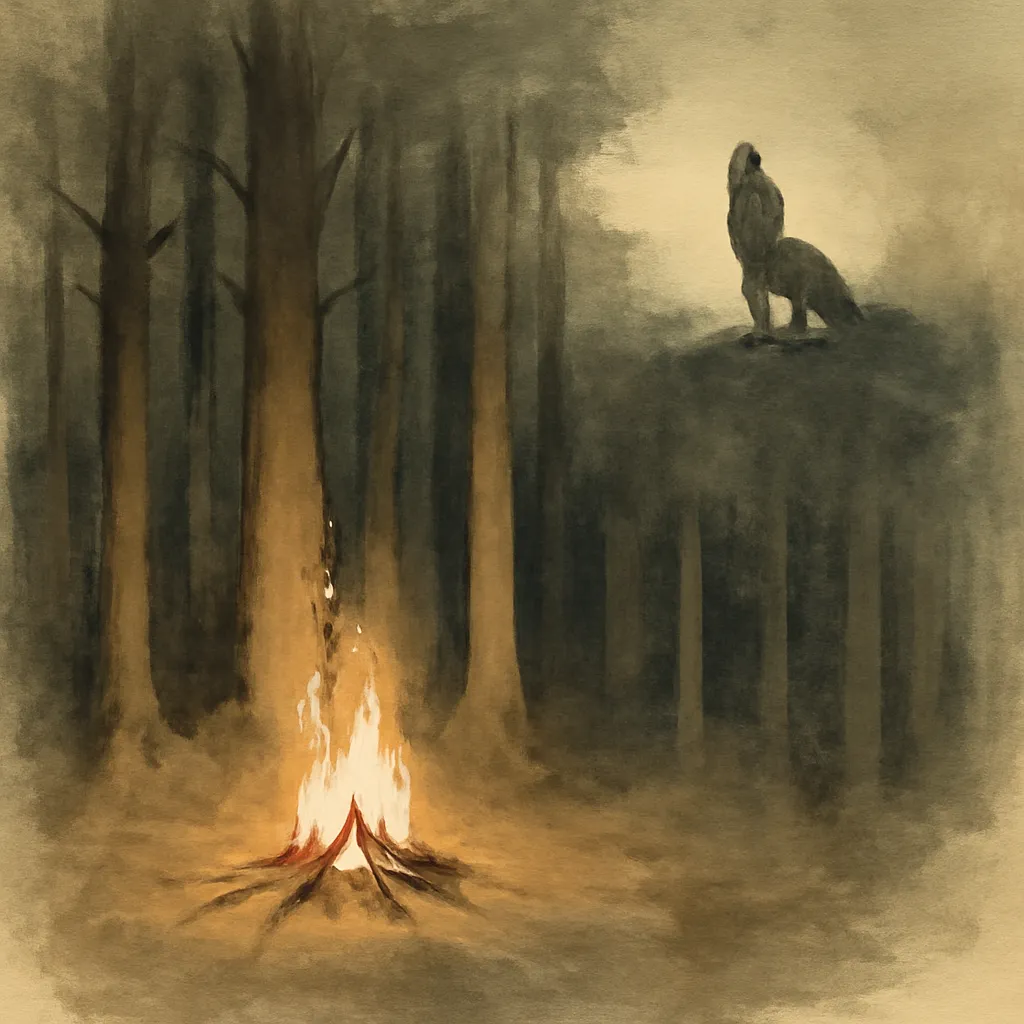
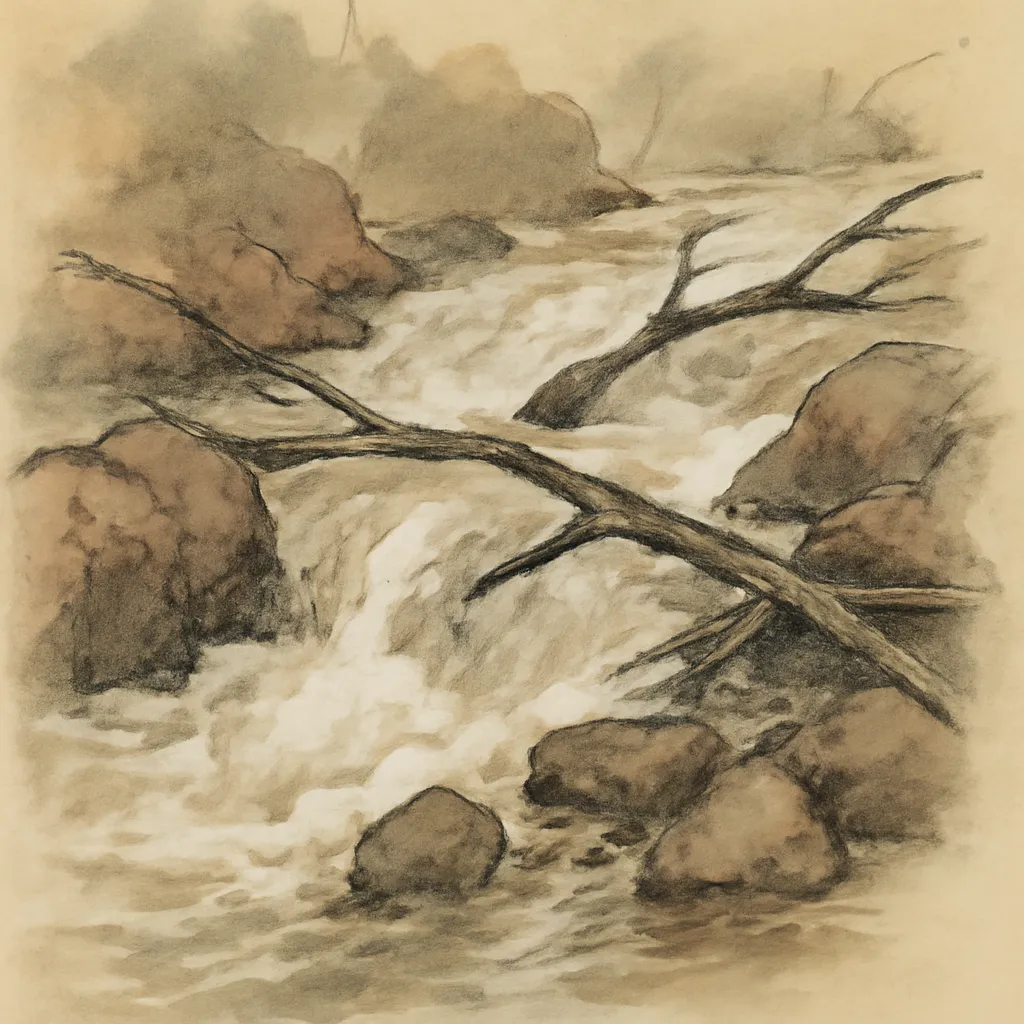
The setting of the American West serves not only as a backdrop but as a formidable character in itself, shaping the lives of those who inhabit it. 'Tana's journey is fraught with the dangers of the wilderness, where survival often hinges on one's ability to adapt and harness the natural world. The harsh realities of frontier life are illustrated through vivid descriptions of the landscape, the challenges of foraging for food, and the constant threat of violence from both nature and men. This environment forces 'Tana to develop resilience and resourcefulness, embodying the spirit of survival that defines many characters in the novel. Ryan's portrayal of the Kootenai River—often depicted as both beautiful and treacherous—mirrors 'Tana's own tumultuous journey, where she must navigate not just the physical dangers of the wilderness but also the emotional and societal challenges that accompany her identity and choices. Ultimately, 'Tana's experiences highlight the broader theme of survival, which resonates with the historical context of westward expansion and the pursuit of wealth through mining and exploration.
3.Friendship and Loyalty

The relationships 'Tana forms throughout the story illustrate the importance of friendship and loyalty in a world where trust is often scarce. Characters like Dan Overton and Mrs. Huzzard provide her with support and guidance, while others, such as the enigmatic Mr. Haydon, challenge her understanding of loyalty and betrayal. These friendships are tested through various trials, including the suspicion surrounding 'Tana's involvement in a murder and the impact of societal expectations on her choices. The bonds she forms with the Kootenai people also emphasize the theme of loyalty, as they offer her a sense of belonging and protection. Ryan effectively uses 'Tana’s evolving relationships to explore the complexities of trust—showing how loyalty can be both a source of strength and a potential burden, particularly when societal prejudices threaten to fracture connections. Ultimately, these relationships shape 'Tana's character and influence her decisions, underscoring the idea that true loyalty often transcends cultural boundaries and societal norms.
4.The Complexity of Love
Romantic love is portrayed as a complex and multifaceted emotion in 'That Girl Montana.' 'Tana's interactions with Max Lyster reveal the naive and idealistic aspects of love, while her bond with Dan Overton showcases a deeper, more mature connection. The tension between her feelings for these two men reflects her internal struggle and the choices she must make regarding her future. Love is depicted not just as a source of joy but also as a catalyst for conflict and heartache, particularly when societal expectations clash with personal desires. Ryan explores the notion that love can be both freeing and confining, urging readers to consider the ways in which love shapes one's identity and choices. 'Tana's journey ultimately challenges the traditional narratives of romance by presenting love as an evolving journey rather than a destination, emphasizing the importance of self-love and acceptance in the process.
5.The Impact of Prejudice
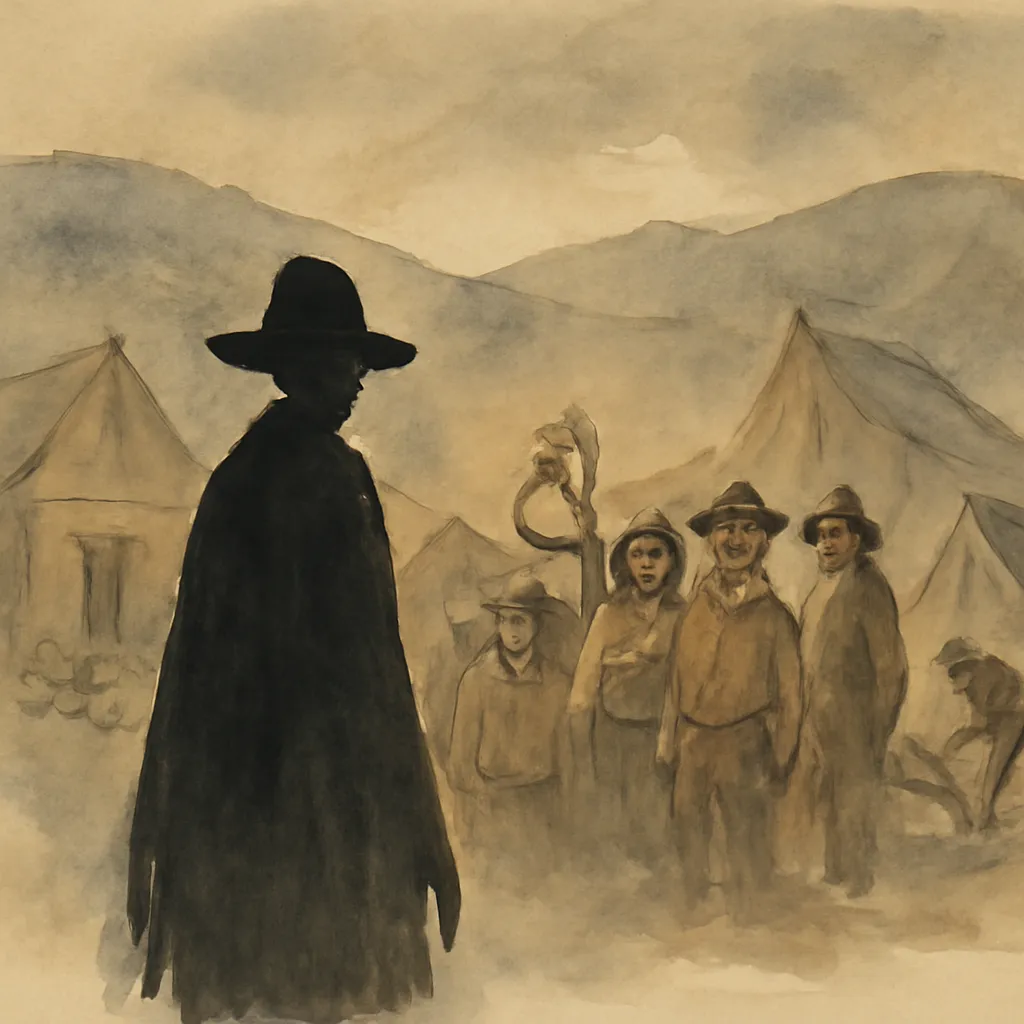
Prejudice and discrimination are woven throughout the narrative, influencing the characters' interactions and shaping 'Tana's experiences. The suspicion surrounding her involvement in a murder underscores the societal biases that exist against individuals who do not conform to established norms. Characters like the white hunters and even some members of the Kootenai community exhibit prejudiced attitudes that complicate 'Tana's journey. Ryan effectively illustrates how these prejudices create barriers to understanding and acceptance, forcing 'Tana to confront not only the external challenges presented by society but also her internal struggles with self-acceptance. This theme resonates with contemporary discussions about race, identity, and belonging, making 'Tana's journey all the more relevant in today's context. The prejudices she faces become a lens through which readers can examine the broader societal issues of exclusion and belonging in a rapidly changing world.
6.The Role of Women in Frontier Society
The novel presents a nuanced portrayal of women's roles in frontier society, highlighting both their struggles and their strengths. 'Tana's journey reflects the limited options available to women during this period, as she must navigate societal expectations while asserting her independence. Characters like Mrs. Huzzard embody the resilience and resourcefulness of women who carve out a place for themselves in a male-dominated world. Ryan illustrates how women often formed the backbone of frontier communities, providing support and stability while also challenging traditional norms. Through 'Tana's experiences, the narrative emphasizes the importance of female solidarity and empowerment, encouraging readers to appreciate the contributions of women throughout history. The expectations placed upon women in this context create both challenges and opportunities for characters like 'Tana, who must learn to balance her desires for independence with the societal roles imposed upon her.
7.The Burden of Secrets
Secrets play a significant role in shaping the narrative, influencing characters' motivations and actions. 'Tana's reluctance to share her past with others reflects the weight of her experiences and the shame she associates with her family's failures. The mystery surrounding her true identity adds layers of complexity to her character, as she grapples with the fear of being discovered and judged. This burden of secrecy not only affects her relationships but also propels the plot forward, as the revelation of her past has the potential to alter her future. Ryan effectively uses secrets as a narrative device to explore themes of shame, identity, and the desire for acceptance, inviting readers to consider the impact of hidden truths on one's life. As 'Tana navigates her life, the secrets she holds become both a source of pain and a potential avenue for liberation, as she learns that sharing her truth is a necessary part of her healing.
8.Conflict and Resolution
Conflict is a driving force in 'That Girl Montana,' manifesting in both external and internal struggles. 'Tana faces external conflicts, such as the threat of violence from men like Lee Holly and societal suspicion surrounding her actions. These conflicts create a sense of urgency and tension throughout the narrative, propelling 'Tana's journey forward. Internally, she grapples with her identity, her feelings for Dan and Max, and her desire for acceptance. Ryan skillfully navigates these conflicts, illustrating how they shape 'Tana's character and influence her decisions. The resolution of these conflicts ultimately leads to 'Tana's growth and self-discovery, reinforcing the idea that adversity can foster resilience and strength. The struggles she endures become catalysts for her evolution, enabling her to forge a new identity that incorporates her past while looking toward a hopeful future.
9.The Search for Home
'Tana's journey is also a search for home—both a physical place and a sense of belonging. After losing her parents, she seeks connection and stability amid the chaos of frontier life. The Kootenai village offers her a semblance of home, yet the feeling of being an outsider lingers. This quest for home reflects a universal human desire for safety and acceptance, resonating with readers on a deep emotional level. Ryan uses 'Tana's experiences to explore the idea that home is not merely a location but a feeling of belonging that can be cultivated through relationships and community. Ultimately, 'Tana's journey leads her to redefine her understanding of home, illustrating that it can be found in unexpected places. As she learns to navigate her dual identity and the complexities of her relationships, 'Tana discovers that home is not just tied to a physical space, but also to the connections and bonds she forms with others.