1.Recent, Rapid Human Evolution
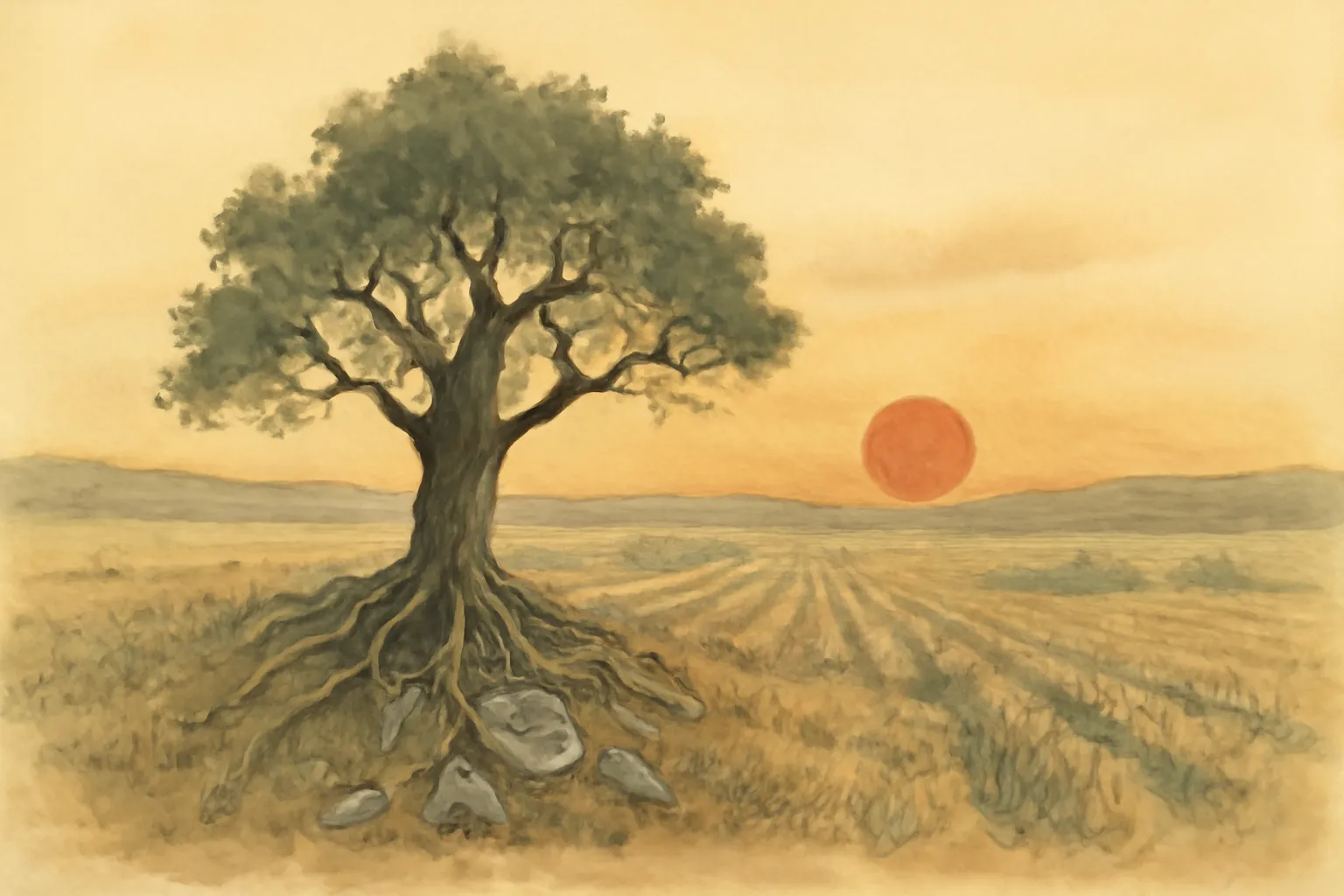
Contrary to the popular notion that humans have remained biologically static since the Paleolithic era, the book contends that the last 10,000 years have seen unprecedented rates of genetic change. The transition to agriculture, urbanization, and new diets created novel selection pressures, leading to the emergence of traits like lactose tolerance and resistance to diseases such as malaria. This overturns the idea that cultural evolution replaced biological evolution; instead, the two have been intertwined and mutually reinforcing.
2.Gene-Culture Coevolution
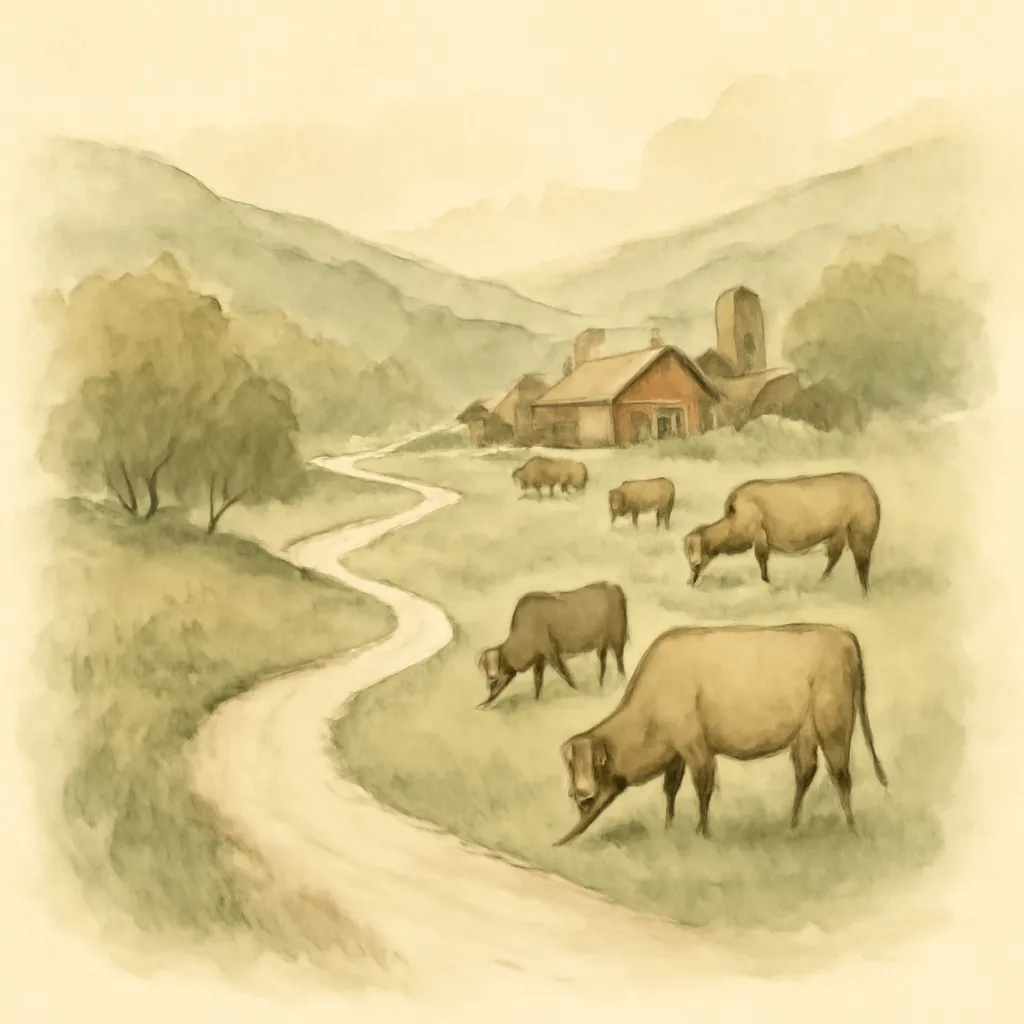
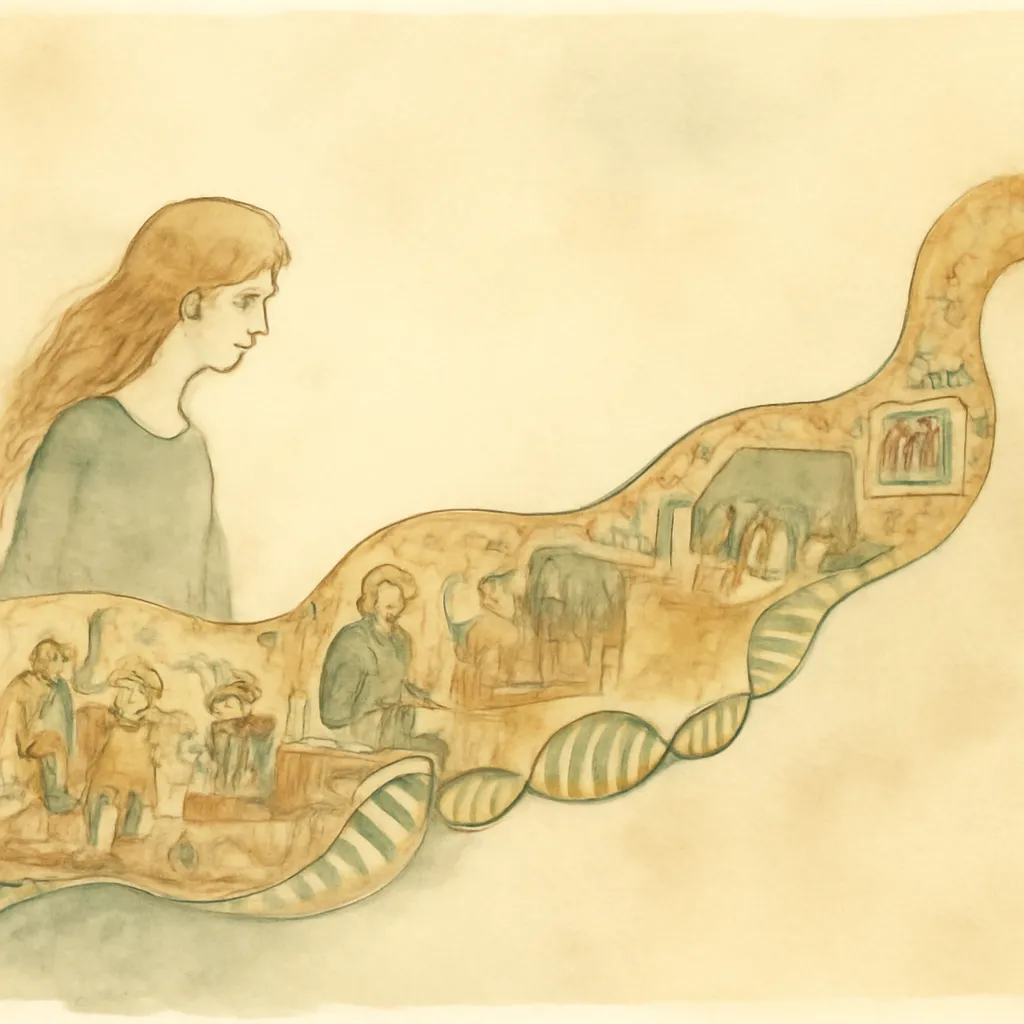
Cochran and Harpending emphasize that human culture and genetics have interacted in a feedback loop. Cultural innovations—such as dairy farming or city living—created new environments that favored certain genetic adaptations. For example, the spread of cattle domestication led to the rise of lactose tolerance in some populations. This coevolution blurs the line between nature and nurture, showing how cultural shifts can drive biological change.
3.Regional Genetic Differences
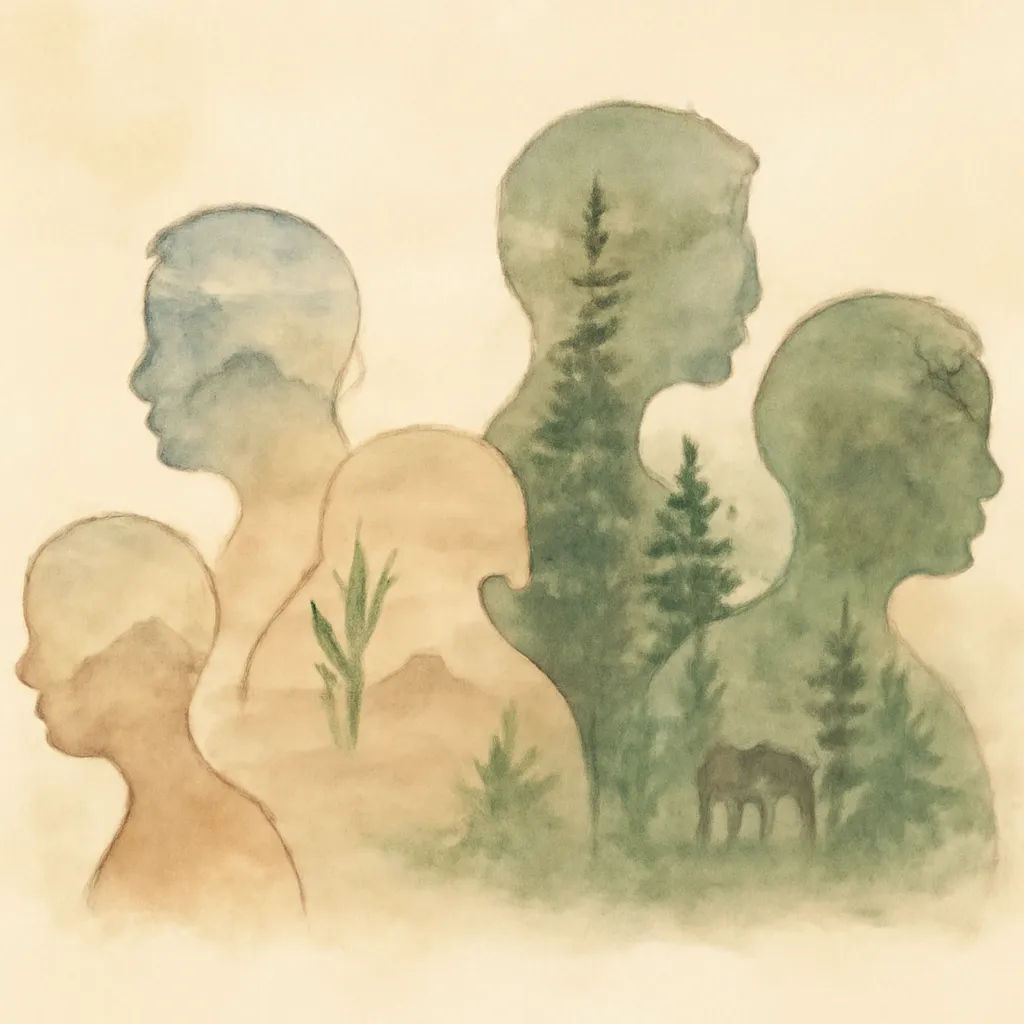
The authors argue that different human populations have been subject to distinct selection pressures, resulting in meaningful genetic differences across groups. These differences are not just superficial but can affect disease resistance, metabolism, and even cognitive traits. The book explores how local environments, pathogens, and lifestyles have sculpted the genetic landscape of humanity in diverse ways.
4.The Impact of Agriculture and Civilization
The agricultural revolution fundamentally altered human life, introducing new diets, population densities, and disease exposures. These changes created intense selection pressures, leading to adaptations like increased resistance to infectious diseases and changes in metabolism. The authors detail how the rise of complex societies accelerated evolutionary change rather than slowing it down.
5.Controversial Hypotheses and Their Implications
The book does not shy away from controversial territory, proposing that genetic differences may have influenced the development of civilizations and even cognitive abilities. While these ideas are provocative and debated, the authors argue that ignoring the possibility of recent human evolution limits our understanding of history and ourselves. They call for a more nuanced, evidence-based discussion of human diversity.
6.Implications for Understanding Human History
By highlighting the role of recent evolution, the book suggests that many aspects of human history—such as the spread of certain cultures or technologies—may have biological as well as cultural explanations. This perspective encourages readers to reconsider the interplay between genes and environment in shaping the trajectory of civilizations.