

Genetics · Evolution · Civilization
The 10,000 Year Explosion by Gregory Cochran — Summary, Key Ideas & Quotes
2009304 pages✦ 3-min Big ideas★ 4.0 (1)
Rate it
Resistance to malaria. Blue eyes. Lactose tolerance. What do all of these traits have in common? Every one of them has emerged in the last 10,000 years. Scientists have long believed that the "great leap forward" that occurred some 40,000 to 50,000 years ago in Europe marked end of significant biological evolution in humans. In this stunningly original account of our evolutionary history, top scholars Gregory Cochran and Henry Harpending reject this conventional wisdom and reveal that the human species has undergone a storm of genetic change much more recently. Human evolution in fact accelera.
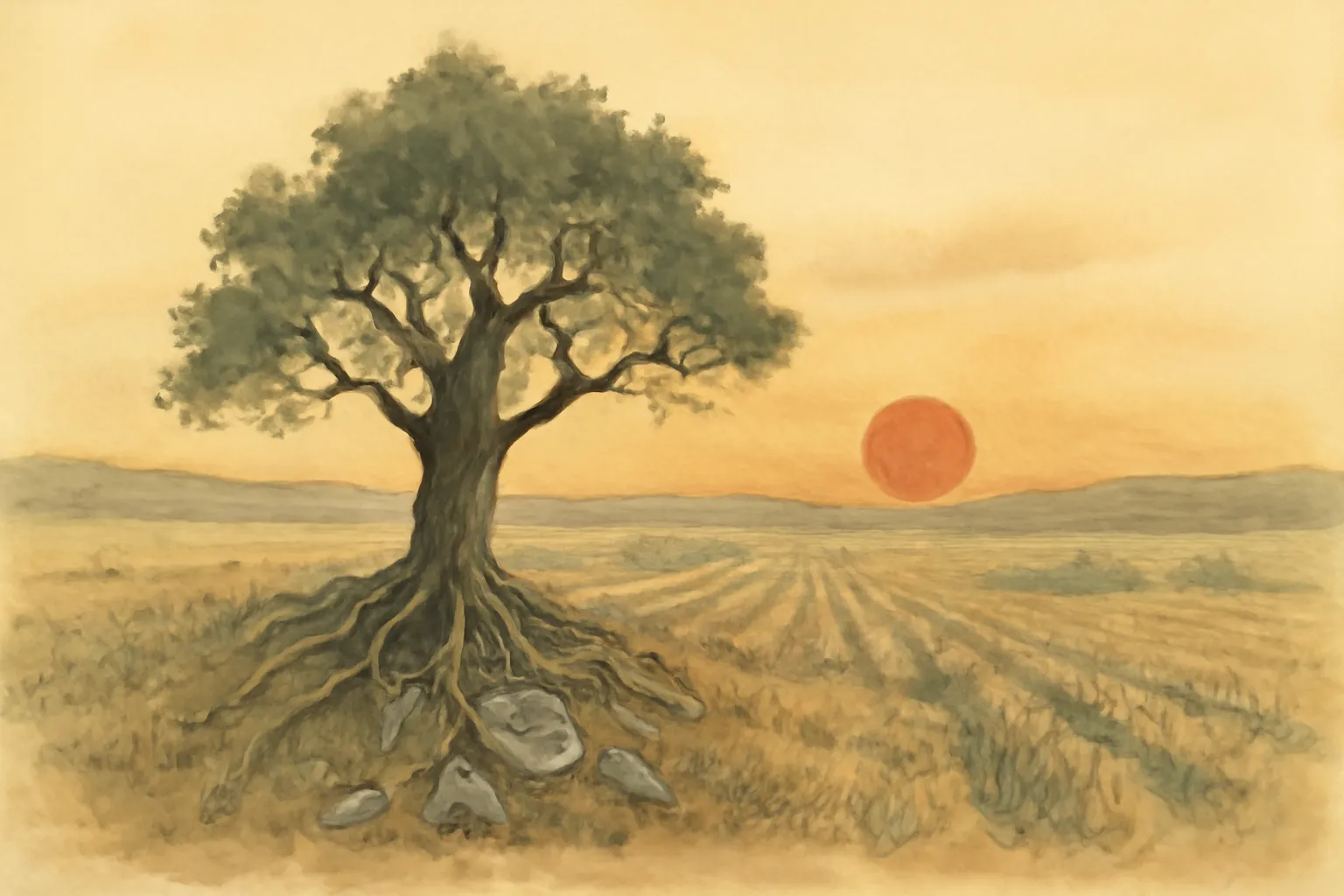
Contrary to the popular notion that humans have remained biologically static since the Paleolithic era, the book contends that the last 10,000 years have seen unprecedented rates of genetic change. The transition to agriculture, urbanization, and new diets created novel selection pressures, leading to the emergence of traits like lactose tolerance and resistance to diseases such as malaria. This overturns the idea that cultural evolution replaced biological evolution; instead, the two have been intertwined and mutually reinforcing.
Cochran and Harpending emphasize that human culture and genetics have interacted in a feedback loop. Cultural innovations—such as dairy farming or city living—created new environments that favored certain genetic adaptations. For example, the spread of cattle domestication led to the rise of lactose tolerance in some populations. This coevolution blurs the line between nature and nurture, showing how cultural shifts can drive biological change.
“The past 10,000 years have seen much more human evolution than any previous period of the same length.”
“Civilization itself is a product of evolution—and a cause of it.”