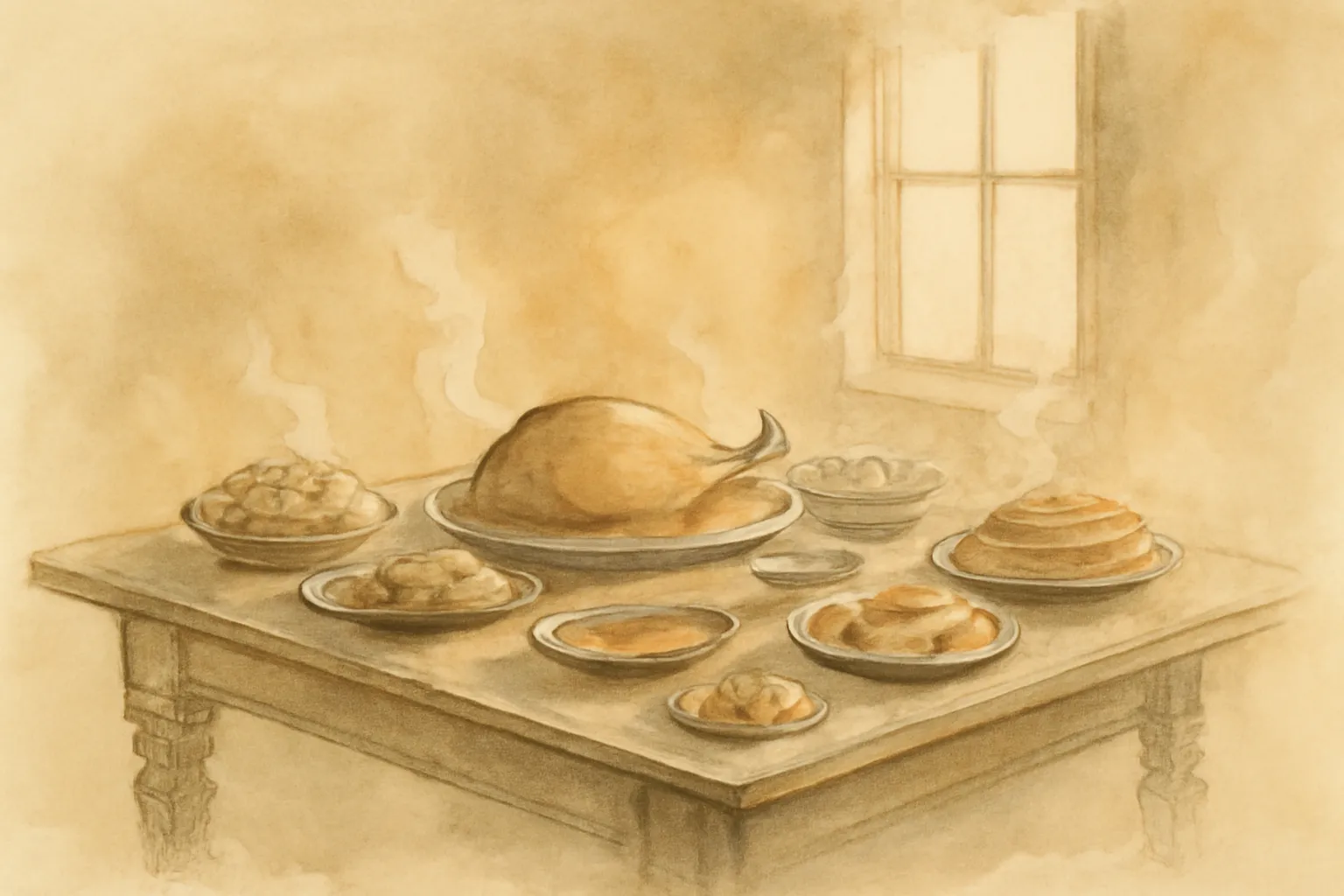
1.The Foundation of Cookery: Mastering Meats
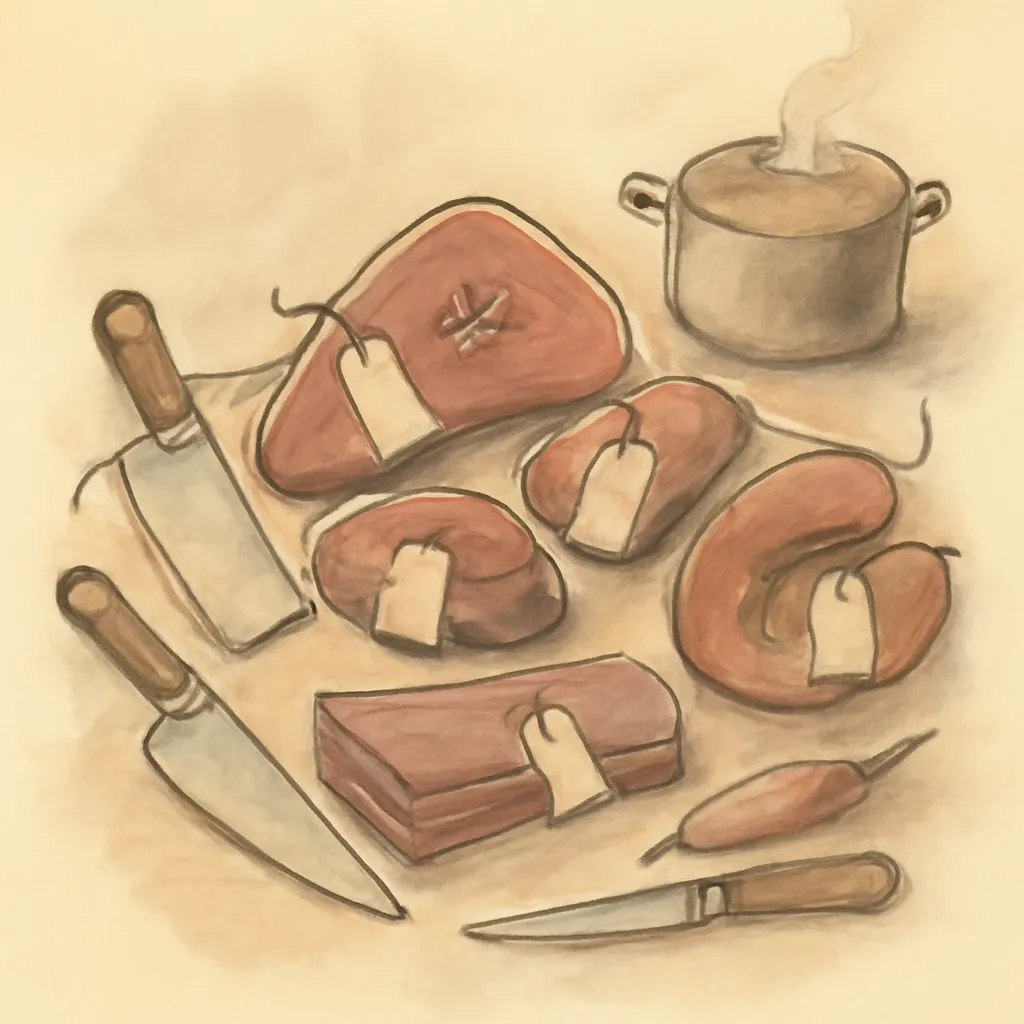
May emphasizes the importance of mastering the preparation of various types of meats, laying out meticulous instructions for techniques including boiling, roasting, and stewing. For instance, he presents a recipe for 'Olio Podrida,' which combines a multitude of meats like beef, mutton, and fowl with an assortment of vegetables and herbs. This dish exemplifies the principle of layering flavors and textures, where the richness of the meats is complemented by the freshness of the herbs. May's detailed approach includes specific guidance on cleaning and preparing various cuts, such as ox cheeks, which requires thorough washing and seasoning to elevate the final dish's flavor. Moreover, he shares insights on the ideal cooking times and temperatures to achieve the desired tenderness, making it clear that the cook's attentiveness is crucial. Each method is accompanied by the appropriate sauces, which not only enhance flavor but also add complexity to the overall meal, reinforcing that a well-rounded dish consists of harmonious components.
2.The Art of Sauces: Elevating Every Dish
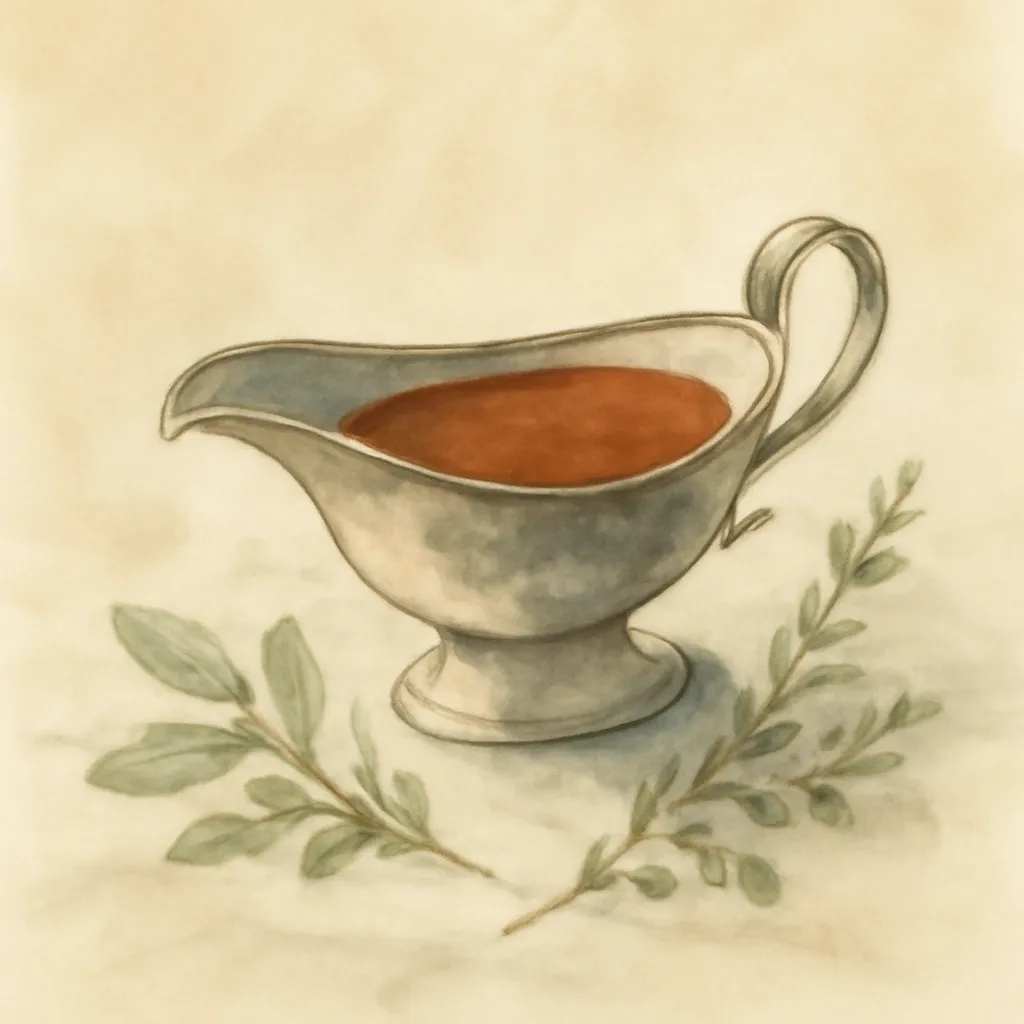
Sauces are a central theme in May's culinary philosophy, serving as the essential finishing touch that brings a dish to life. He meticulously provides a variety of sauce recipes tailored to different meats and preparations, such as a rich gravy for roast mutton or a delicate butter sauce for fish. By pairing sauces with the correct proteins, May teaches cooks how to achieve a harmonious balance of flavors. He delves into the technique of emulsifying sauces, which ensures they have the right consistency while being rich and flavorful. The use of spices and herbs in sauces is particularly noteworthy, as they not only enhance the taste but also add visual appeal through their colors and textures. May's guidance on sauces highlights their importance in the overall dining experience, encouraging cooks to experiment and find their unique combinations. He insists that a skillfully crafted sauce can transform a simple dish into a gourmet experience, thus positioning sauces as integral to any successful culinary endeavor.
3.Innovative Techniques: From Carbonadoes to Fritters
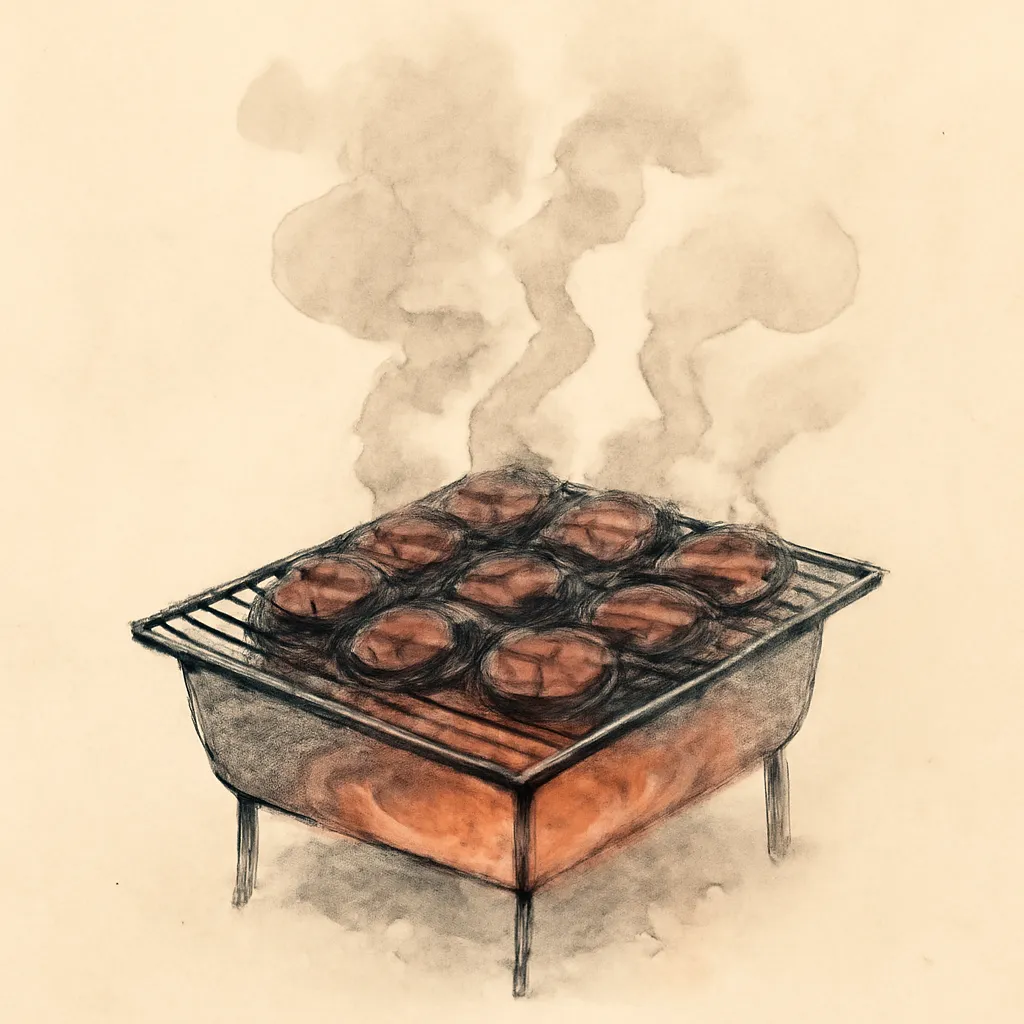
May introduces a series of innovative cooking techniques that demonstrate how to transform ordinary ingredients into extraordinary dishes. His method for carbonadoing meats, which involves cutting them into steaks and grilling them over embers, imparts unique flavors and textures that cannot be achieved through conventional cooking methods. This technique applies to various meats, including mutton and pork, allowing for versatility in the kitchen. Additionally, his recipes for fritters and pancakes illustrate how to create light and airy dishes that can serve as appetizers or desserts. For example, he describes how to prepare savory fritters by mixing a batter with minced herbs and frying them until golden. By sharing these techniques, he not only preserves traditional methods but also inspires cooks to explore new culinary horizons. The emphasis on technique is a reminder that cooking is as much about skill and creativity as it is about ingredients, encouraging cooks to be adventurous and experiment with different preparations.
4.The Versatility of Fish: A Culinary Treasure
In 'The Accomplisht Cook,' fish is celebrated as a versatile and essential part of the diet, with May offering numerous methods for preparation. His comprehensive section on fish includes recipes for boiling, stewing, and baking a variety of fish, such as carp and pike, showcasing their adaptability to different cooking methods. Each recipe is accompanied by specific instructions that highlight the delicate nature of fish, emphasizing the importance of careful handling and timing. For instance, he details how to boil a carp in a mixture of wine and water, stressing the need for a gentle simmer to preserve the fish’s texture and flavor. Furthermore, May provides variations for preparing fish, such as incorporating aromatic herbs and spices into the cooking liquid to enhance the overall flavor profile. The inclusion of fish recipes caters to the dietary preferences and restrictions of the time, reflecting the importance of seasonal ingredients. May’s treatment of fish illustrates the need for cooks to be adaptable and knowledgeable about their ingredients, reminding readers of the significance of utilizing fresh, high-quality produce.
5.Puddings and Pastries: The Sweet Side of Cookery
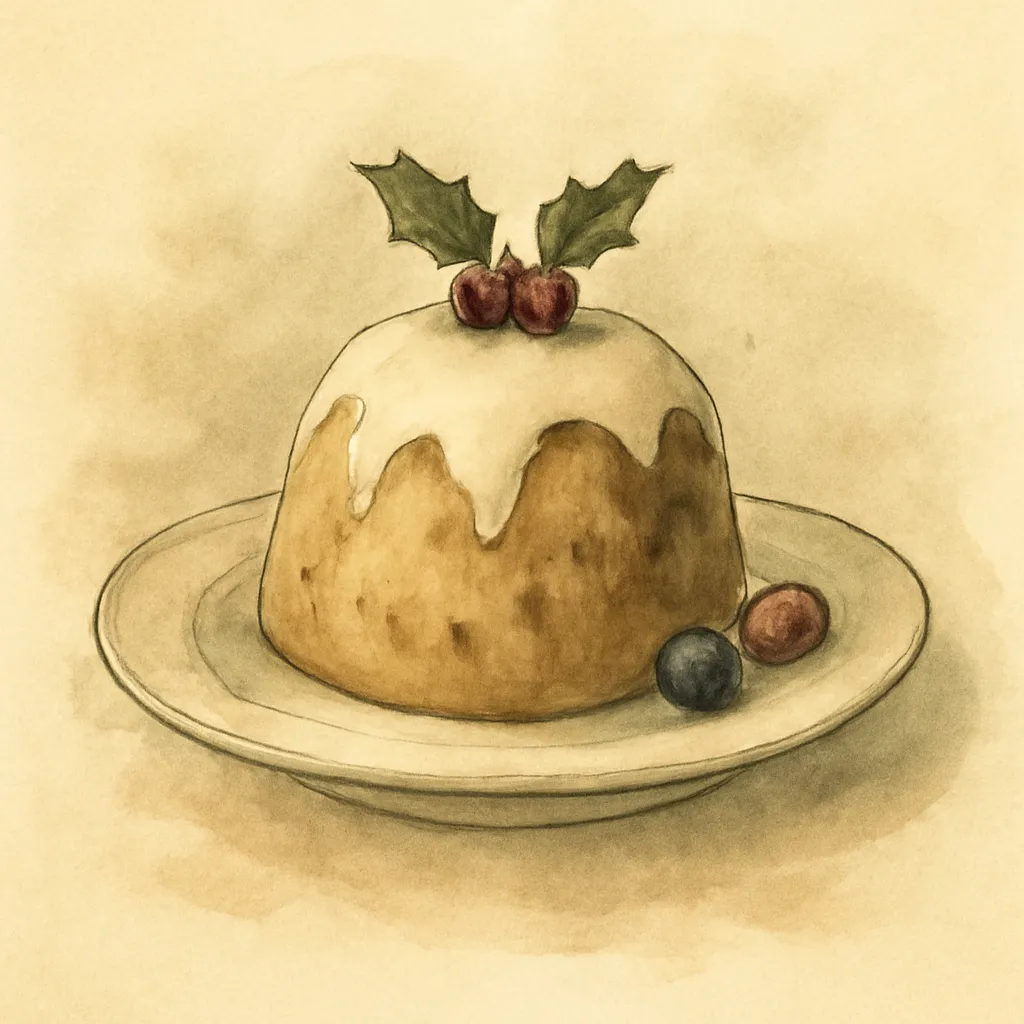
May dedicates a significant portion of his book to the art of making puddings and pastries, demonstrating their importance in both everyday meals and festive occasions. His recipes range from simple boiled puddings to elaborate baked pastries that require precision and skill. For example, he outlines the process of making a cream pudding, which involves carefully mixing cream, eggs, and sugar, then boiling it in a cloth for the perfect consistency. This method not only shows the complexity of creating desserts but also highlights the cultural significance of sweets in 17th-century dining. May emphasizes that desserts should not only taste good but also look appealing, and he provides guidance on presentation and garnishing. The visual appeal of pastries is particularly important as they often served as a centerpiece at banquets, showcasing the host's culinary expertise. By mastering these sweet creations, cooks can elevate their culinary repertoire and impress guests, underscoring the role of desserts in the overall dining experience.
6.Understanding Ingredients: The Key to Flavor
A crucial aspect of May's cooking philosophy is the understanding and selection of quality ingredients. He stresses the importance of sourcing fresh meats, fish, and produce, as well as the proper handling and storage of these items to maximize their flavor potential. For instance, in his recipe for brawn, May emphasizes the necessity of using a well-fed pig and careful butchering techniques. He outlines the preparation steps for ensuring the meat retains its juices and flavor, demonstrating that the quality of the raw ingredients directly impacts the final dish. Additionally, May highlights the significance of seasonal ingredients, encouraging cooks to adapt their recipes based on availability and freshness. This adaptability to seasonality not only enhances the dish's flavor but also ensures that cooks are making the most of their local resources. By prioritizing high-quality ingredients, cooks can create more flavorful and satisfying dishes, reinforcing the idea that great cooking begins with what goes into the pot.
7.Historical Context: Cooking in the 17th Century
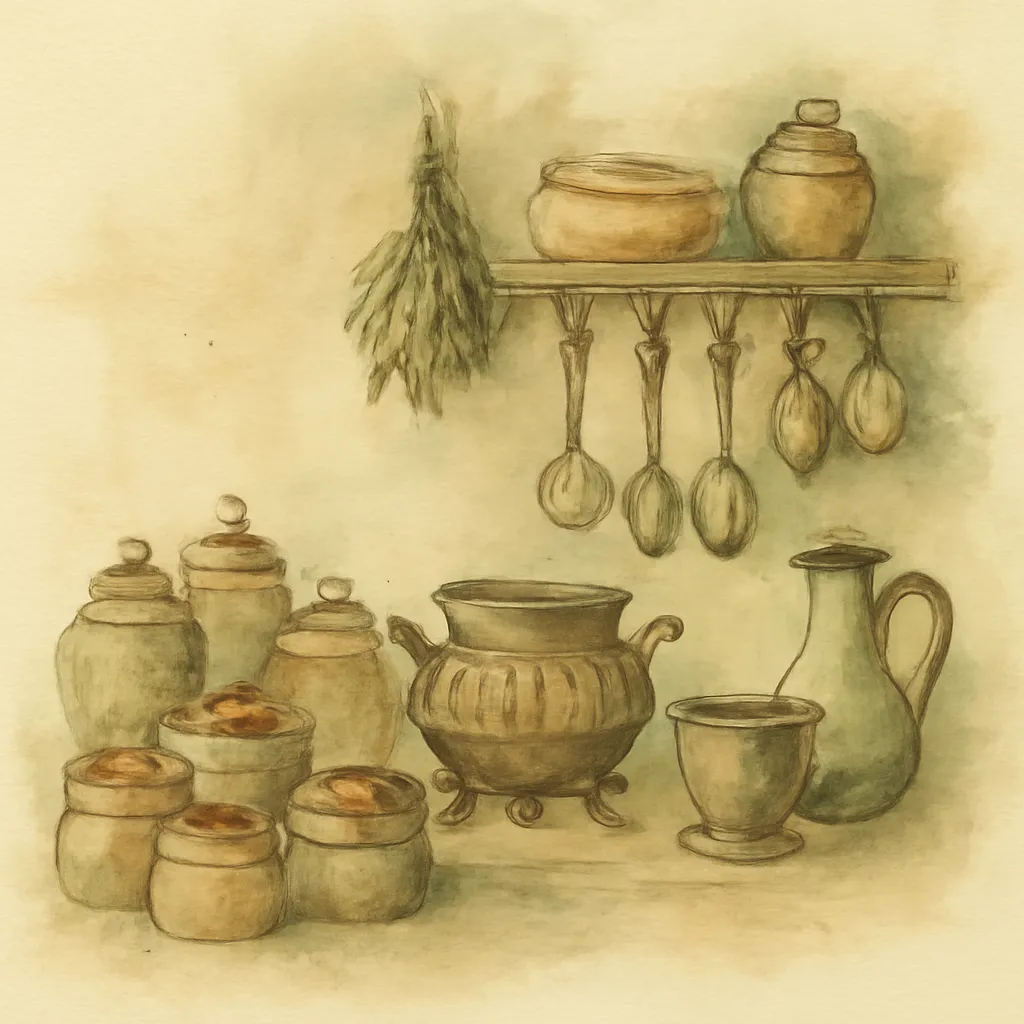
Understanding the historical context of May's work enriches the reading experience and highlights the evolution of culinary practices. In the 17th century, the culinary scene was vibrant and eclectic, characterized by the blending of various cultural influences due to exploration and trade. May’s recipes reflect this diversity, incorporating techniques and ingredients from French, Italian, and Spanish cuisines. The book serves as a window into social customs surrounding dining, including the significance of hospitality and presentation. By examining the recipes and techniques within this historical framework, modern cooks can appreciate the roots of contemporary culinary practices. This context also positions 'The Accomplisht Cook' as not only a cookbook but a cultural artifact that illustrates the gastronomic trends and values of its time. It highlights how food serves as a reflection of societal norms and the changing landscape of the culinary arts.
8.The Importance of Presentation: A Feast for the Eyes
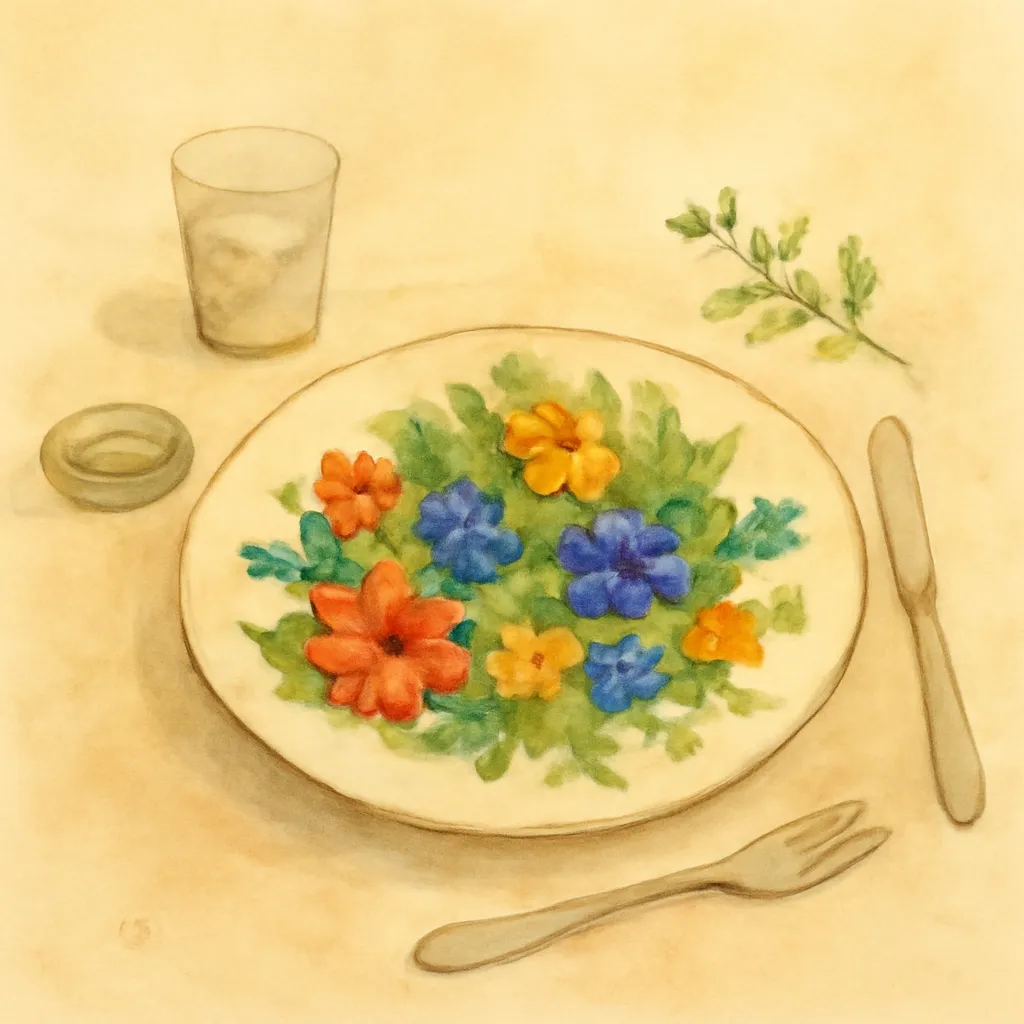
May places significant emphasis on the visual appeal of food, believing that presentation is as important as flavor in creating a memorable dining experience. He provides detailed instructions on garnishing dishes with fresh herbs, edible flowers, and vibrant sauces to create visually stunning meals. For example, he suggests garnishing a roasted fish with sliced lemons and herbs to enhance both flavor and appearance. May's treatment of garnishes and presentation techniques reflects the cultural values of the time, where elaborate presentations were a sign of status and hospitality. He insists that a dish’s visual presentation can heighten anticipation and enjoyment for diners, making it an integral part of the culinary experience. By mastering the art of presentation, cooks can elevate their dishes from mere sustenance to extraordinary culinary experiences, reinforcing the idea that food should be a feast for all the senses.
9.A Culinary Legacy: Inspiring Future Generations
May's 'The Accomplisht Cook' serves as a foundational text in the culinary arts, inspiring generations of cooks and chefs to explore the intricacies of cooking. His detailed recipes and techniques provide a roadmap for those looking to hone their skills in the kitchen. The book's influence can be seen in the continued popularity of traditional dishes and cooking methods, as well as the ongoing interest in historical gastronomy. May’s work not only preserves the culinary traditions of his time but also offers insights into the artistry and creativity involved in cooking. By encouraging cooks to experiment and innovate, he has ensured that the art of cooking remains vibrant and relevant. Aspiring cooks can draw inspiration from his work, using it as a springboard to innovate and create their unique culinary identities, thus continuing the legacy of culinary excellence.