1.The Hero's Journey
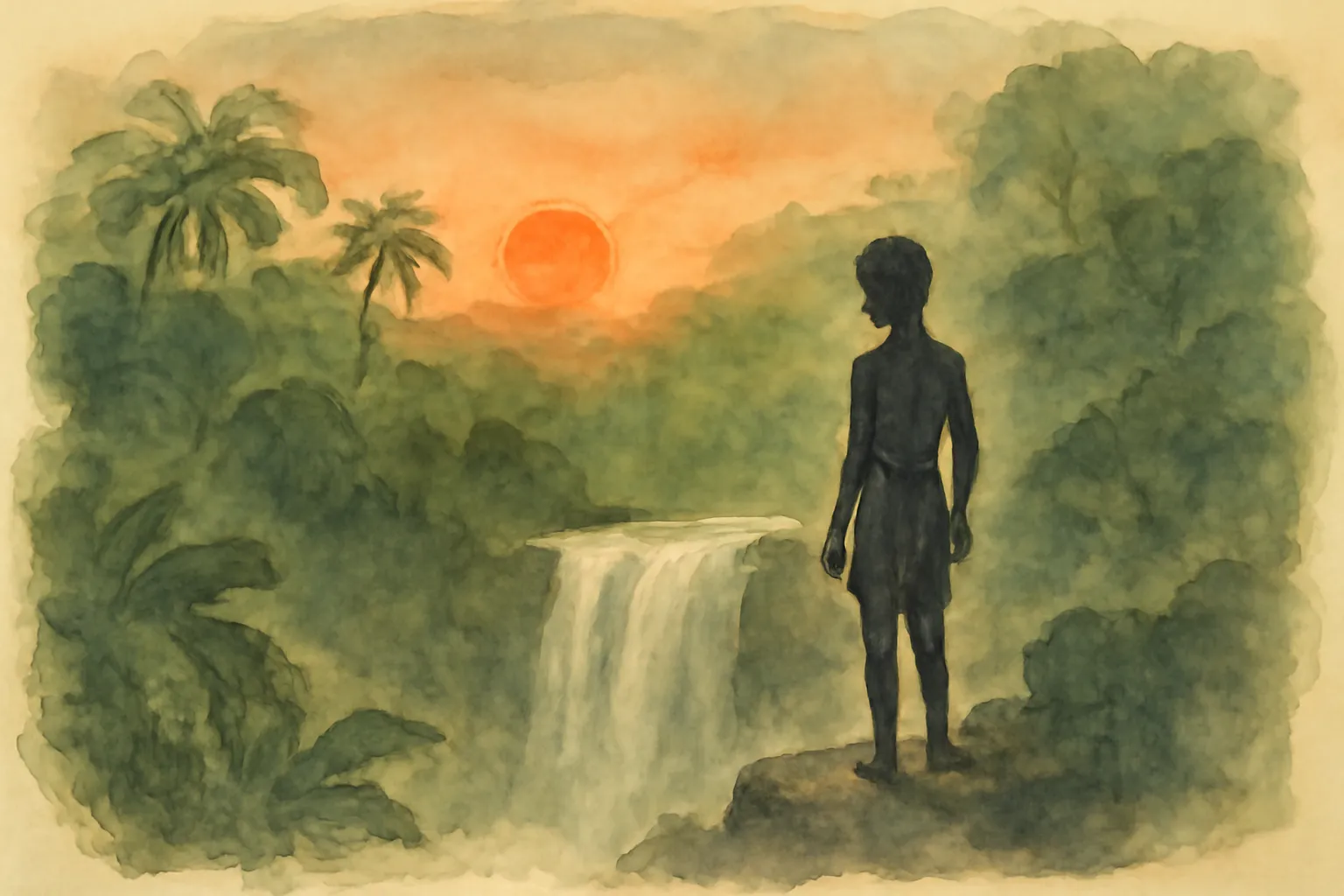
Piang's journey is emblematic of the classic hero's journey, where a young boy transforms into a figure of strength and wisdom. At the outset, he is portrayed as a mere boy, grappling with his identity and responsibilities within the tribal community. His adventures, from battling crocodiles to navigating treacherous waters, serve as trials that forge his character. Each challenge he faces is not just a physical battle but also a test of his moral fiber and understanding of his place in the world. For instance, Piang's encounter with the crocodile highlights his bravery and resourcefulness as he dives into the river to save his boat. These moments of courage reveal the innate strength within him, inspiring readers to recognize their potential for bravery in adversity. Through this narrative arc, we see Piang evolve from a carefree child into a wise leader, embodying the essence of the hero's journey.
2.Cultural Richness of the Moro People
Stuart intricately weaves the cultural fabric of the Moro people throughout the narrative, showcasing their traditions, beliefs, and values. The distinctions between the Moro and other tribes in the Philippines are emphasized to highlight the complexity of the region's cultural landscape. For example, the book presents rituals such as the macasla fiesta, which celebrate community bonds and the abundance of nature. This cultural richness serves not only to educate readers about the Moro but also to foster a sense of respect and appreciation for diversity. The relationship Piang shares with his community underscores the importance of belonging and identity. Furthermore, by depicting the Moro people as courageous and noble, Stuart combats stereotypes and provides a more nuanced understanding of their history and culture. Through Piang's eyes, readers are encouraged to appreciate the beauty of a culture that has often been overlooked.
3.Friendship as a Source of Strength
Throughout his adventures, Piang's friendships are pivotal to his growth and success. Characters like Papita, the little slave girl, and his fellow Moros embody the spirit of camaraderie and loyalty. Their interactions reveal how friendships can provide strength in times of peril and joy in moments of celebration. For instance, Papita's unwavering support during Piang's challenges is a testament to the power of friendship. When Piang is in danger, it is the bonds he shares with his friends that motivate him to keep pushing forward. These themes resonate with readers, reminding them that true strength often comes from those around us. Piang’s relationships illustrate the importance of community solidarity and the idea that together, individuals can overcome great odds. This message is crucial, as it encourages readers to nurture their own friendships and understand their value in life's struggles.
4.Nature as a Living Character
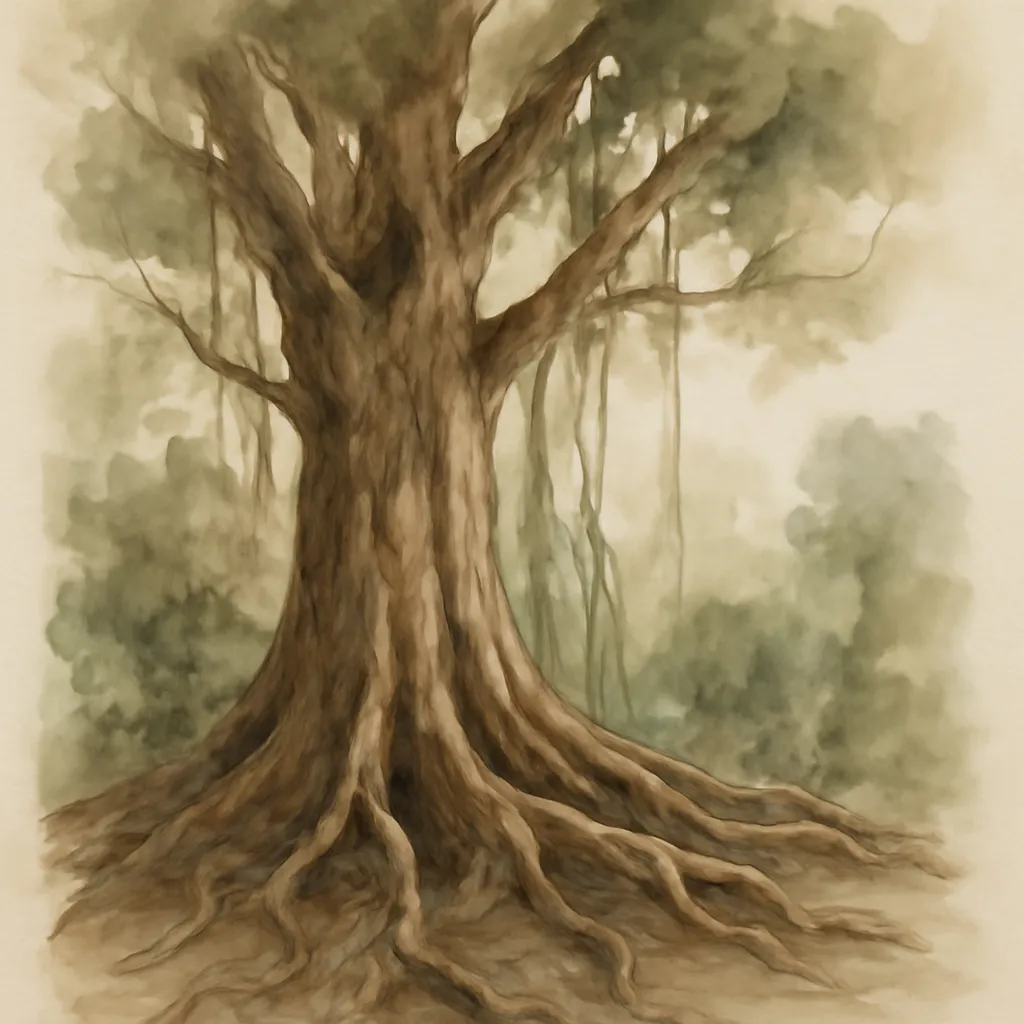
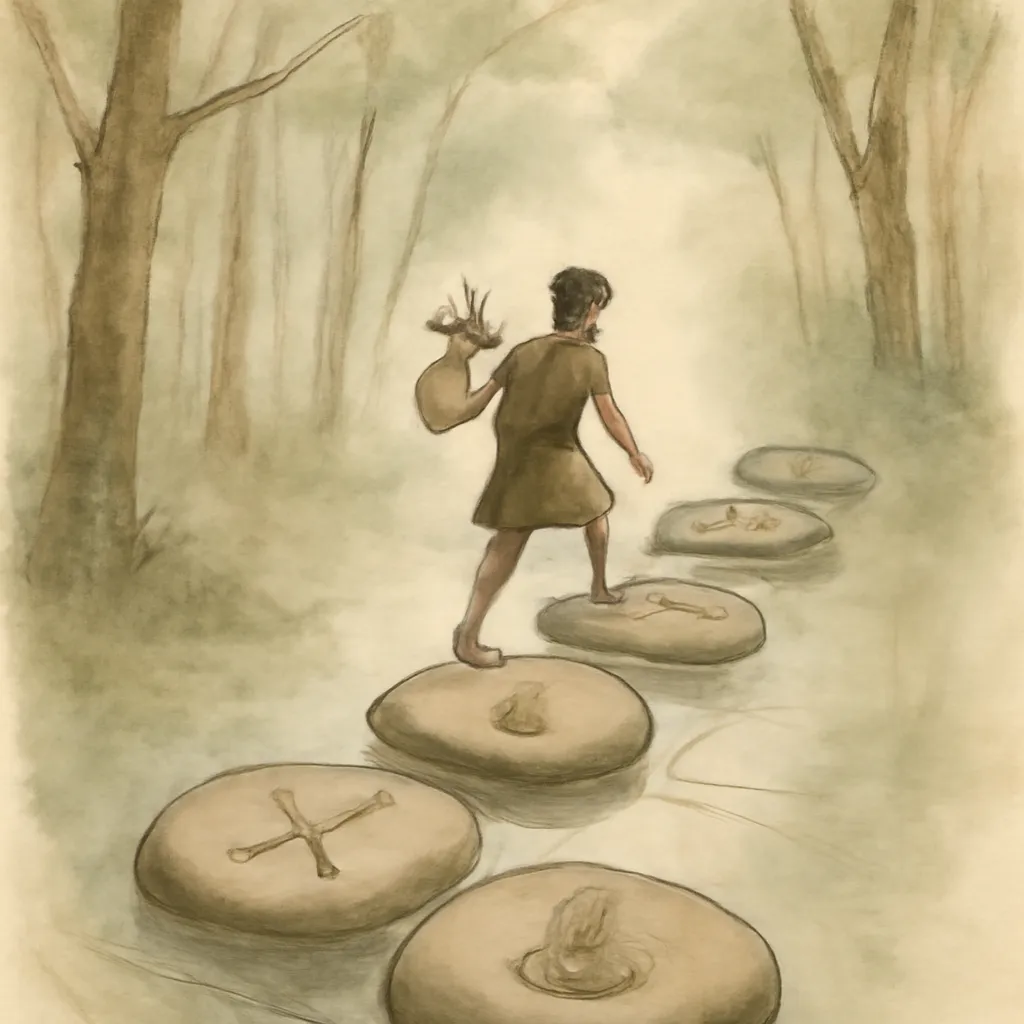
The lush landscapes and vibrant ecosystems of the Moro jungles are not just a backdrop; they play an integral role in the story. Nature is depicted as both a source of beauty and a formidable force. Piang's encounters with the jungle, from swimming in its waters to climbing its trees, showcase the deep connection between the boy and his environment. For instance, his struggle against the river's current when trying to retrieve his boat exemplifies the challenges nature can pose. This relationship emphasizes the importance of respecting and understanding nature, a lesson that is increasingly relevant in today’s world. The vivid descriptions of the flora and fauna serve to immerse readers in Piang's world, making them feel the thrill of adventure and the serenity found in nature’s embrace. Stuart's portrayal of nature also highlights the symbiotic relationship between the Moro people and their environment, encouraging respect for all living things and the ecosystems they inhabit.
5.Confronting Fear and Danger
Fear is a recurring theme in Piang's adventures, and how he confronts it serves as a powerful lesson for readers. From facing crocodiles to navigating treacherous waters, Piang's experiences illustrate the importance of courage and quick thinking. For example, when he bravely dives into the river to save his boat from the jaws of a crocodile, it exemplifies the bravery and determination that characterize his journey. These thrilling encounters not only entertain but also teach valuable lessons about facing one's fears and the importance of perseverance. Through Piang's triumphs, readers are encouraged to confront their own fears, understanding that bravery often lies in moments of vulnerability. This theme resonates with audiences of all ages, as it demonstrates that facing fears head-on can lead to personal growth and empowerment.
6.The Impact of Colonialism
Stuart subtly addresses the impact of colonialism on the Moro people, weaving it into Piang's narrative. The Moro's struggles against misunderstanding and prejudice from outside forces reflect the broader themes of identity and autonomy. The character of Piang serves as a reflection of the Moro spirit, showcasing resilience against colonial narratives that often paint them in a negative light. As Piang recognizes the richness of his culture and the need for respect from others, he becomes an advocate for his people. This aspect of the story serves as a critique of the ignorance surrounding the Moro people, urging readers to recognize the value of every culture. Through Piang's adventures, the narrative becomes a call to understand and appreciate diversity, challenging stereotypes while empowering cultures that have faced historical marginalization.
7.Wisdom of the Elders
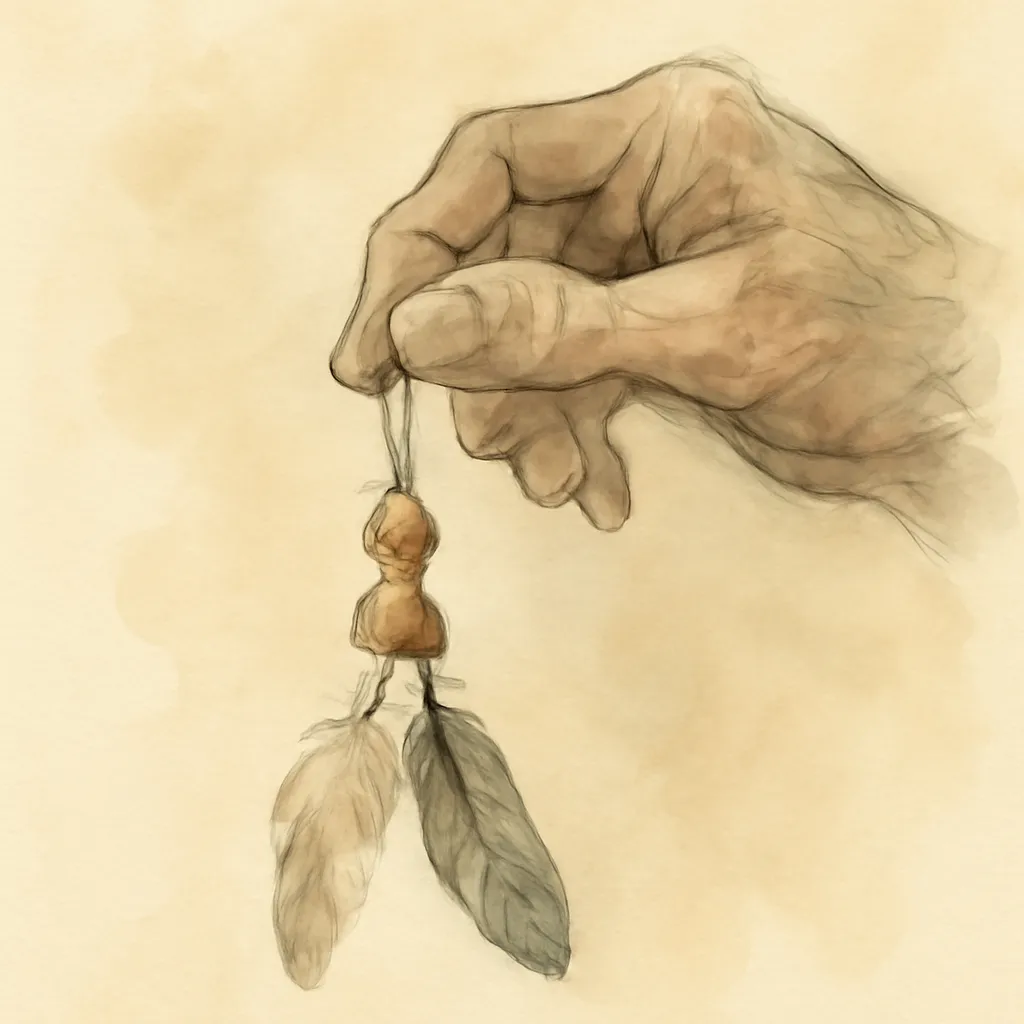
The role of elders in guiding the younger generation is a prominent theme in the story, particularly through the character of Ganassi. His wisdom and teachings provide Piang with the knowledge necessary to navigate his challenges. The charm Ganassi gives Piang symbolizes the transmission of cultural knowledge and the importance of understanding one's heritage. This relationship emphasizes the value of mentorship and the insights that come from experience. For example, Ganassi’s teachings about the complexities of their faith and the world around them ground Piang in his identity and culture. This portrayal encourages young readers to seek wisdom from their elders, recognizing that the lessons of the past can illuminate the path forward. The guidance Piang receives illustrates how knowledge is a powerful tool for empowerment and resilience.
8.The Journey of Self-Discovery
As Piang confronts various challenges, he embarks on a profound journey of self-discovery. Each adventure forces him to reflect on his identity, values, and aspirations. The trials he faces push him to grow, transforming him from a carefree boy into a responsible figure embodying strength and compassion. A pivotal moment is when he realizes that he carries the expectations of his community on his shoulders. This theme resonates with readers, as it reflects the universal quest for identity and purpose. Piang's evolution serves as a reminder that self-discovery is often a winding path filled with obstacles, but it is also a journey that leads to greater understanding and fulfillment. Stuart ensures that Piang’s journey mirrors the struggles faced by many, making it relatable and impactful for young readers grappling with their identities.
9.The Importance of Community
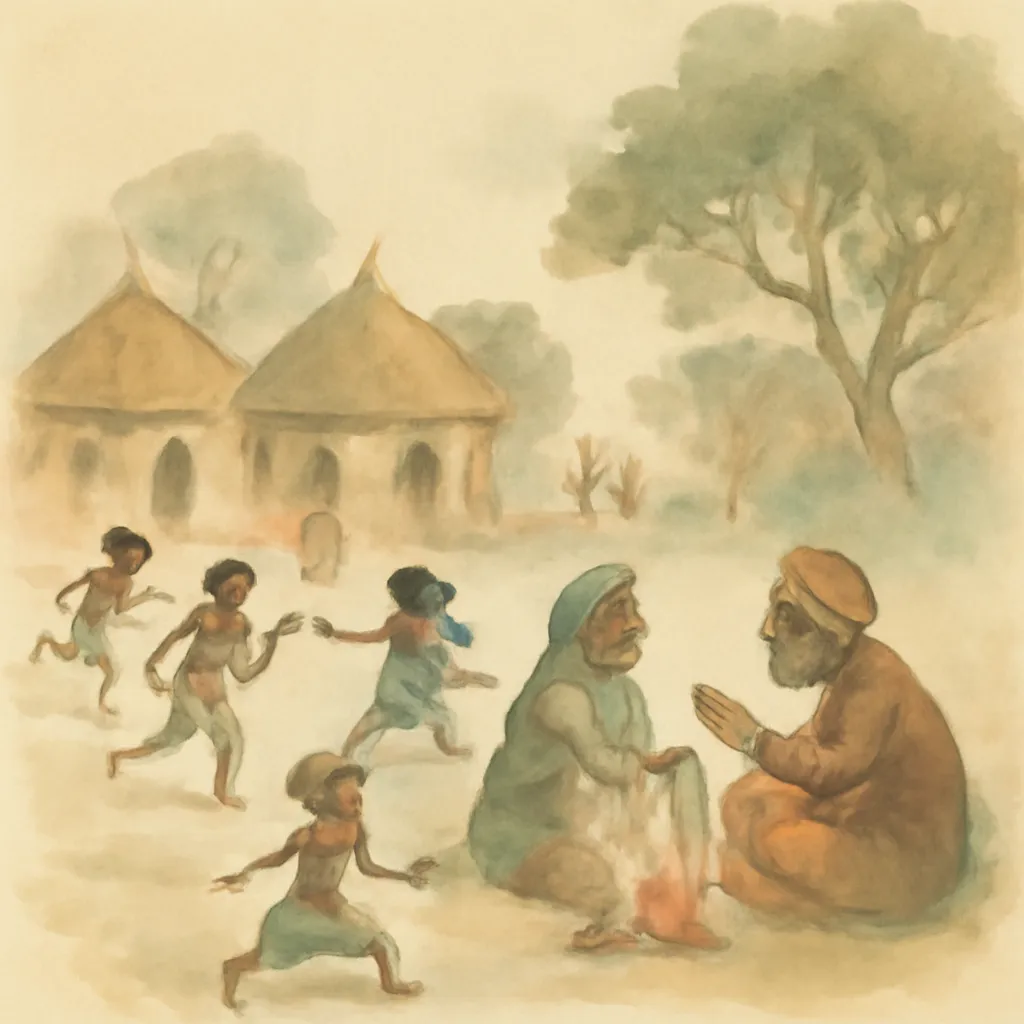
The narrative strongly emphasizes the significance of community and collective identity among the Moros. Piang’s interactions with his tribe showcase the interconnectedness of individuals within a cultural framework. The support he receives from his fellow villagers during times of crisis highlights the theme of unity. For example, during the macasla fiesta, the community comes together to celebrate, reinforcing the bonds that hold them together. This portrayal encourages readers to appreciate the role of community in their own lives, reminding them that together, they can navigate the ups and downs of existence. The sense of belonging that permeates the narrative underscores the idea that each member of the community plays a vital role in its survival and success, promoting the notion that collective strength is essential for resilience.
10.Facing Adversity with Grace
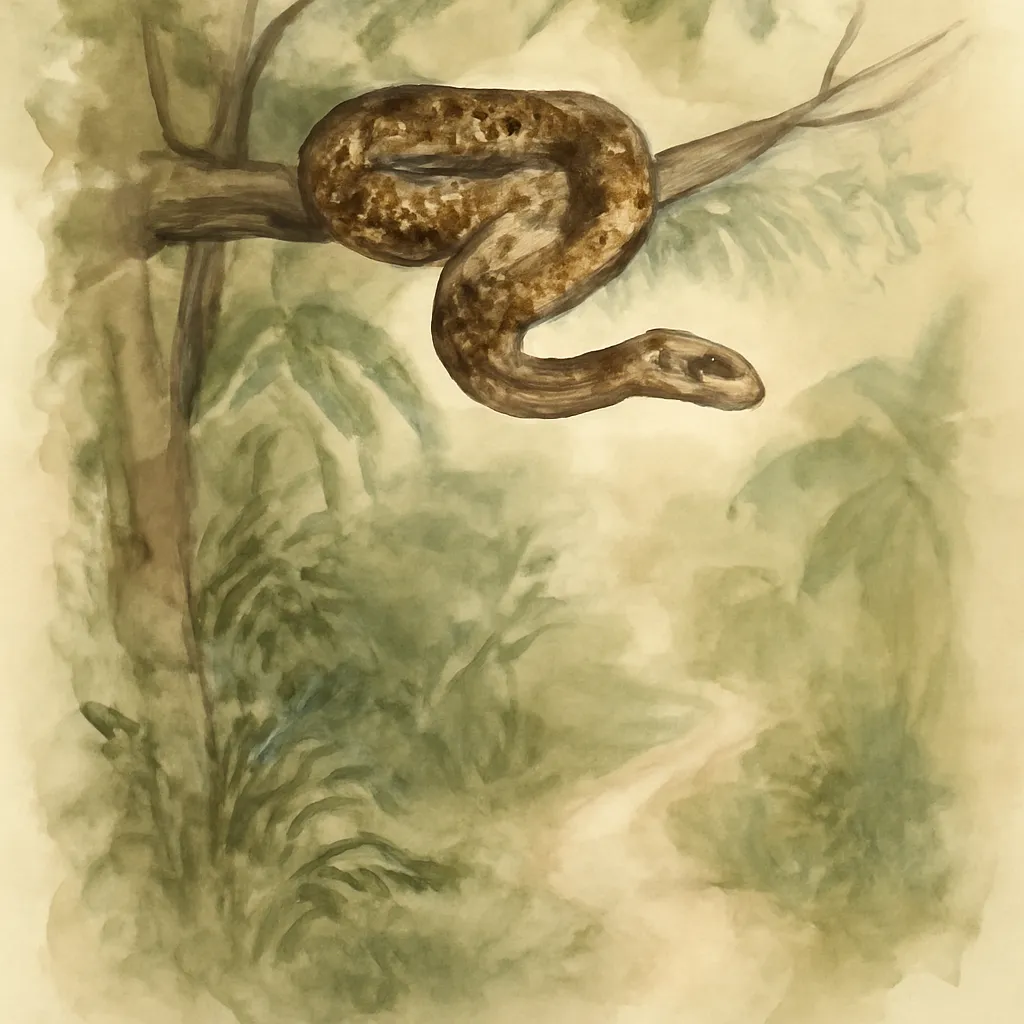
Piang’s ability to face adversity with grace and determination is a central theme in the story. His encounters with danger, from the python squeezing him to the treacherous jungle paths, test his resolve. Rather than succumbing to despair, Piang demonstrates resilience, adapting to his circumstances while maintaining his dignity. For instance, when he is caught in a life-threatening situation with the python, his quick thinking and bravery allow him to escape. This quality serves as an inspiring example for readers, encouraging them to approach their challenges with a similar mindset. The narrative illustrates that grace under pressure not only fosters personal growth but also strengthens one’s character. Stuart effectively shows that true heroism lies not only in acts of bravery but also in the ability to remain composed and courageous in the face of overwhelming odds.