1.The Hero's Journey: Aeneas's Quest for Identity
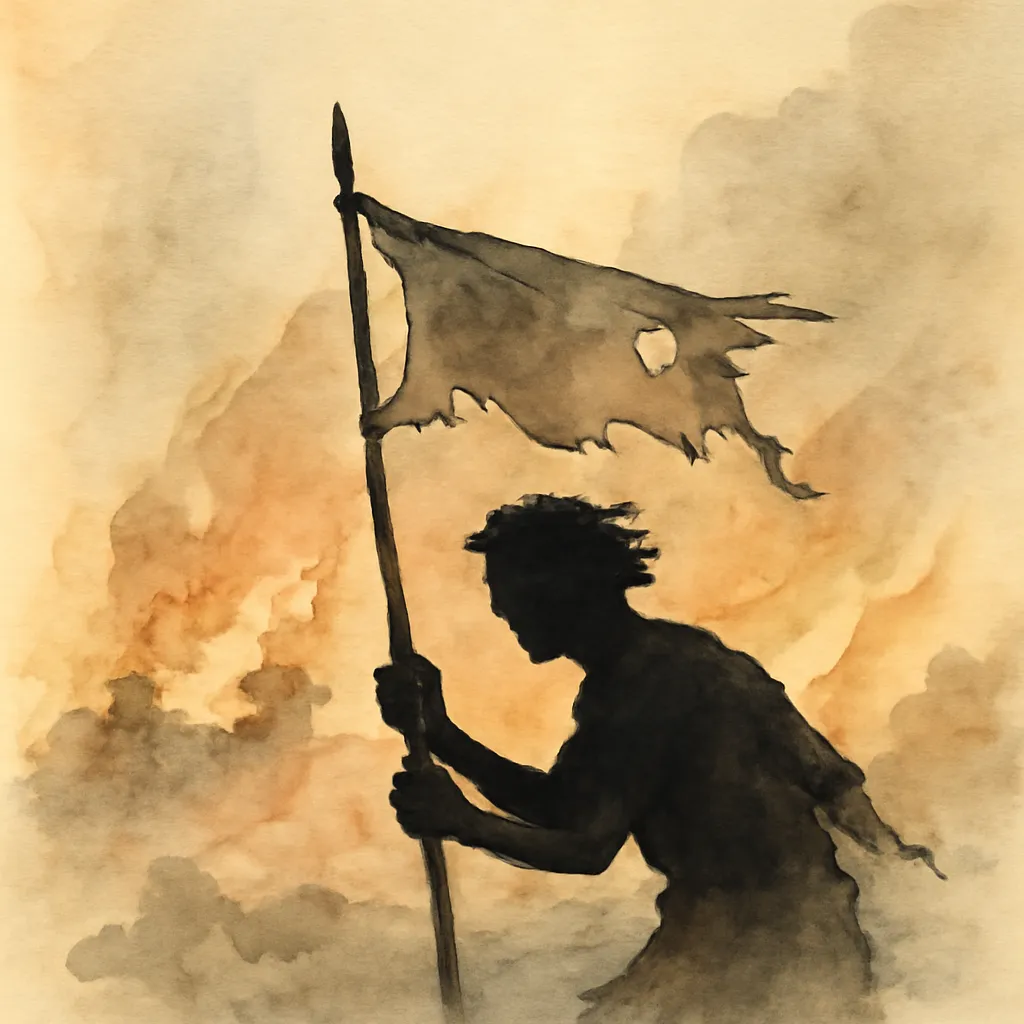
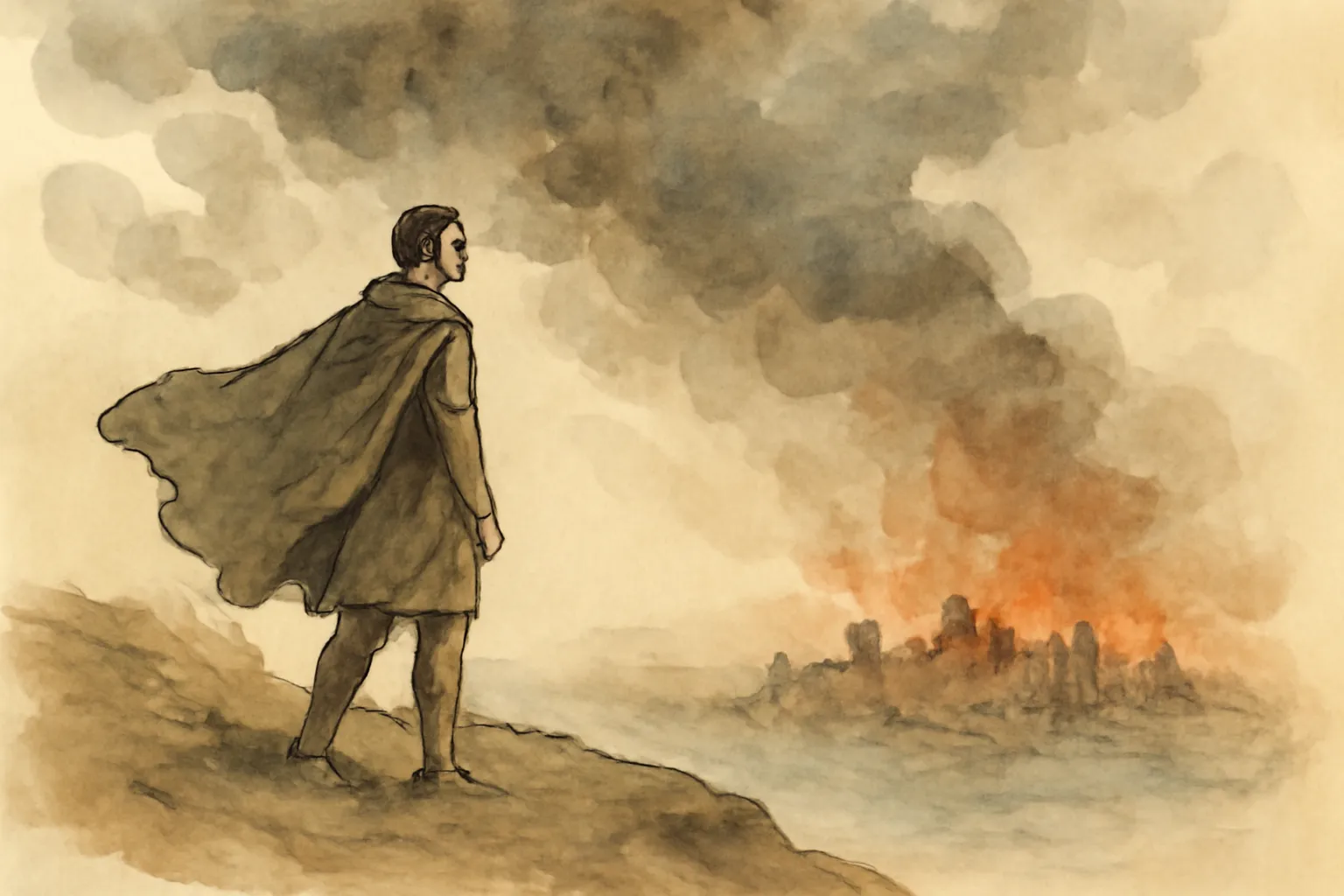
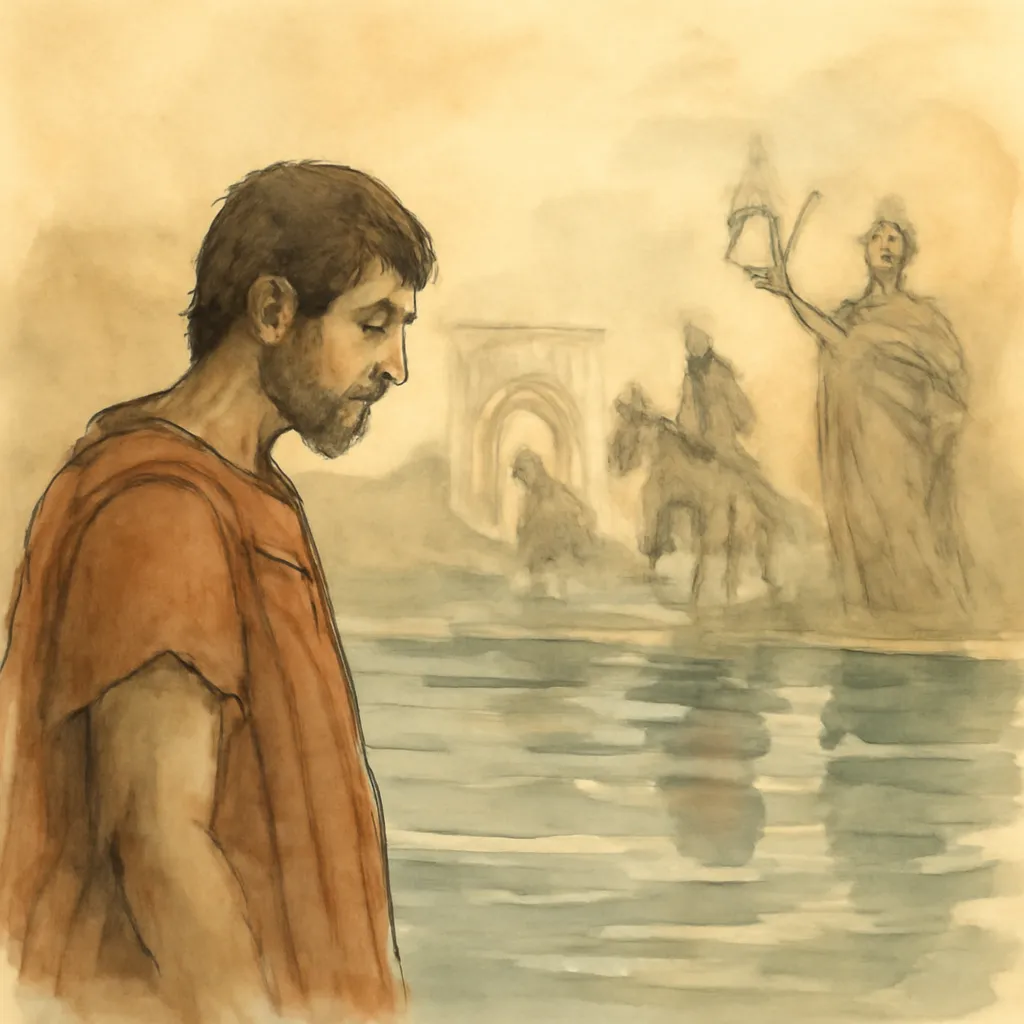
At the heart of 'The Aeneid' lies Aeneas's quest for identity and purpose, set against the backdrop of war and loss. As the son of Anchises and Venus, Aeneas embodies both human fragility and divine favor. His journey begins with the fall of Troy, where he witnesses the destruction of his homeland, igniting a sense of duty to his people. This duty propels him forward, even as he grapples with personal loss, including the death of his beloved Creüsa. Aeneas's character is defined by his unwavering commitment to fate; he understands that his destiny is to found a new city that will become Rome. This internal conflict between personal grief and the larger narrative of duty underscores the epic's exploration of what it means to be a hero. His resolve to carry the household gods of Troy to Italy symbolizes his determination to preserve his culture and heritage, making his quest not just a physical journey but a profound exploration of identity.
2.Divine Intervention: The Role of the Gods
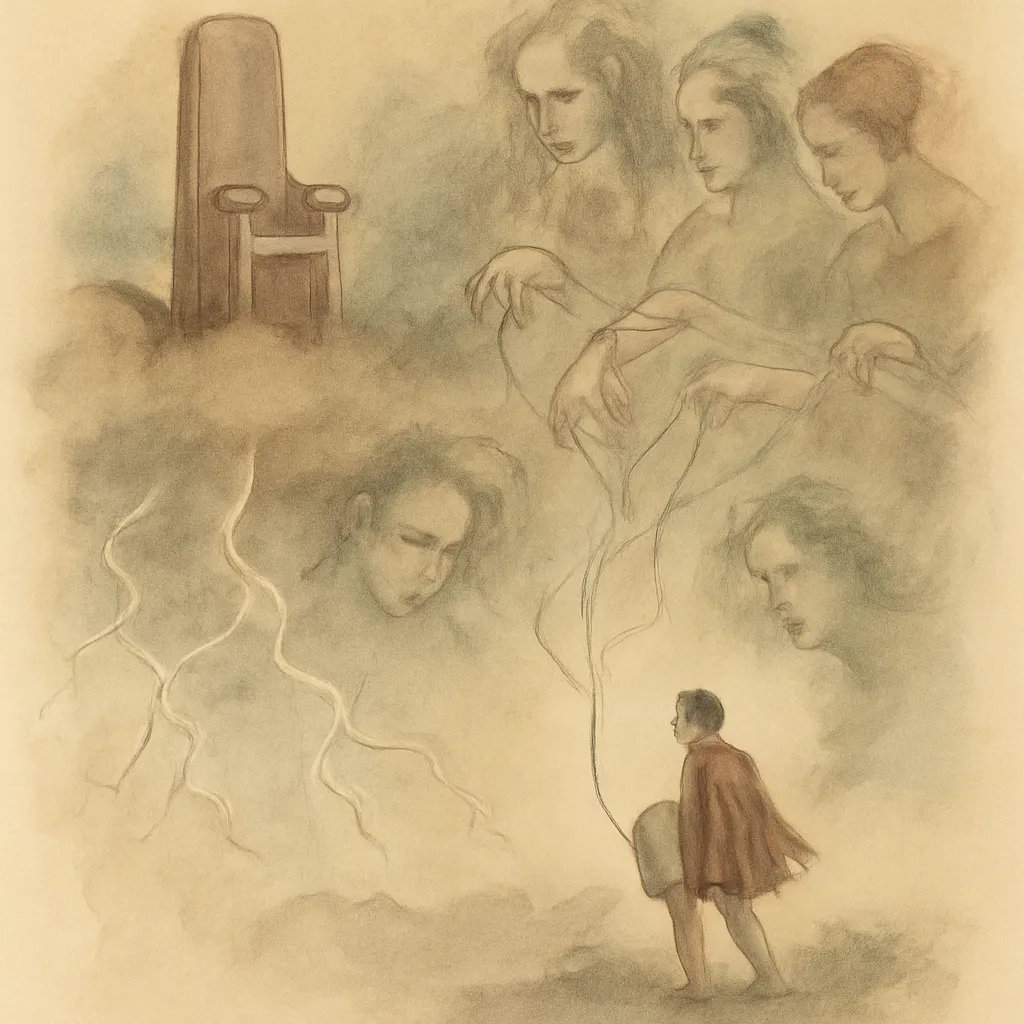
The gods in 'The Aeneid' play a crucial role, often manipulating events to fulfill their desires while also reflecting the complexities of human emotion. Jupiter, as the supreme deity, embodies the overarching theme of fate, ensuring that Aeneas’s destiny remains intact despite the gods' personal agendas. Venus, Aeneas's mother, desperately seeks to protect her son from the dangers posed by Juno, who harbors animosity toward the Trojans. This divine rivalry creates a rich tapestry of conflict, illustrating how the gods' whims can impact mortal lives. For instance, Venus’s intervention leads to Aeneas’s arrival in Carthage, where he encounters Dido, the queen who becomes a pivotal figure in his life. The interplay between divine intervention and human action raises questions about free will and predestination, inviting readers to ponder the extent to which individuals can shape their own destinies in the face of cosmic forces.
3.The Tragic Love Story of Aeneas and Dido
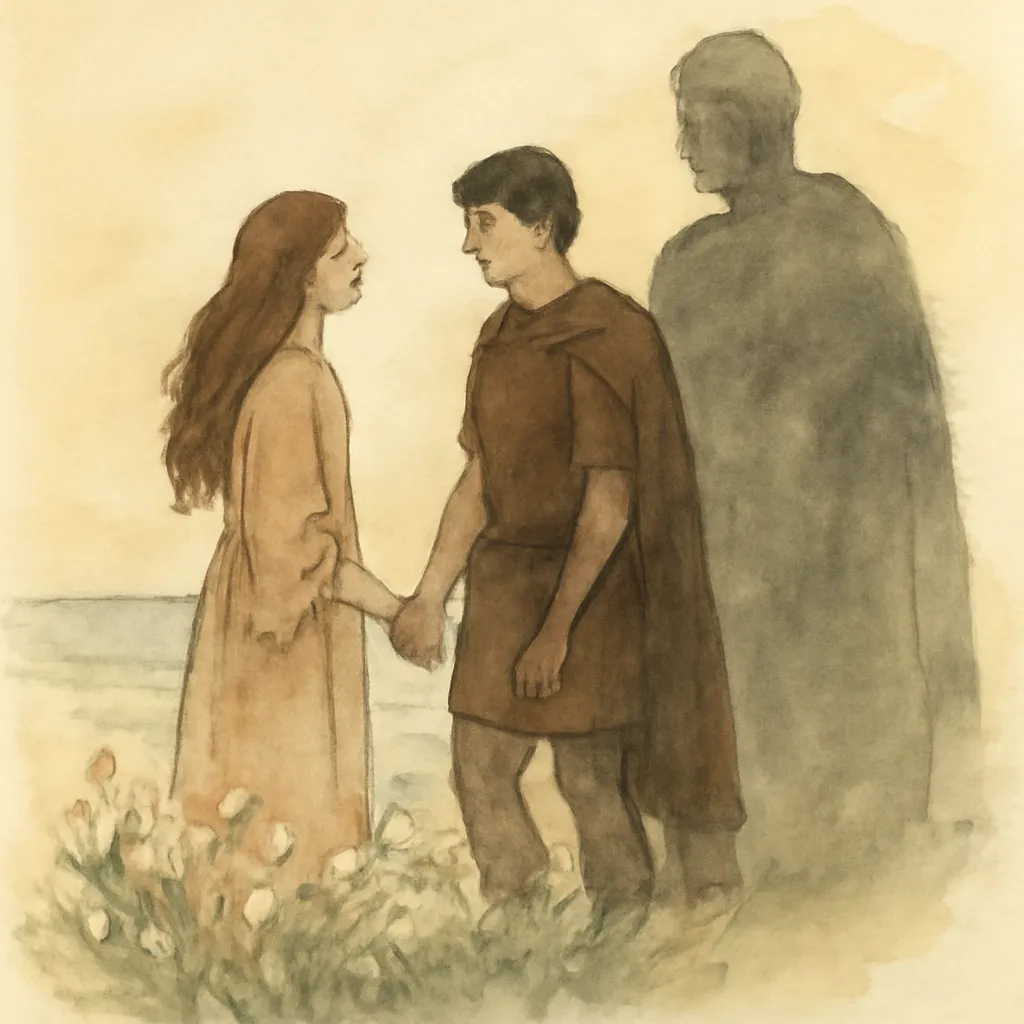
The tragic love affair between Aeneas and Dido serves as one of the most poignant elements of 'The Aeneid', highlighting the tension between personal desire and duty. Dido, fleeing from her tyrannical brother Pygmalion, finds solace in her burgeoning love for Aeneas. Their relationship blossoms under the influence of divine machinations, particularly the actions of Venus and Cupid, who incite passion in Dido. However, Aeneas's sense of duty ultimately prevails, leading to heartbreak and tragedy. When Aeneas receives a divine summons to continue his journey to Italy, he must choose between his love for Dido and his destiny. Dido's despair culminates in her tragic suicide, underscoring the theme of sacrifice that permeates the epic. This love story not only enriches Aeneas's character but also serves as a cautionary tale about the consequences of forsaking duty for love, illustrating the profound conflicts that define the human experience.
4.Fate vs. Free Will: The Central Conflict
The tension between fate and free will is a central conflict in 'The Aeneid', shaping the characters' decisions and their ultimate fates. Aeneas is often portrayed as a man caught between his personal desires and the inexorable pull of destiny, which is dictated by the will of the gods. While he is granted the freedom to make choices, such as his relationship with Dido, these choices are ultimately bound by the larger design of fate. This is evident in Aeneas's repeated encounters with divine prophecies that foretell his future. The consequences of his decisions, whether they lead to triumph or tragedy, reinforce the idea that while humans may strive for autonomy, their paths are often preordained by higher powers. Virgil masterfully navigates this philosophical dilemma, prompting readers to reflect on the nature of human agency within the framework of destiny.
5.The Role of War: Aeneas as a Warrior
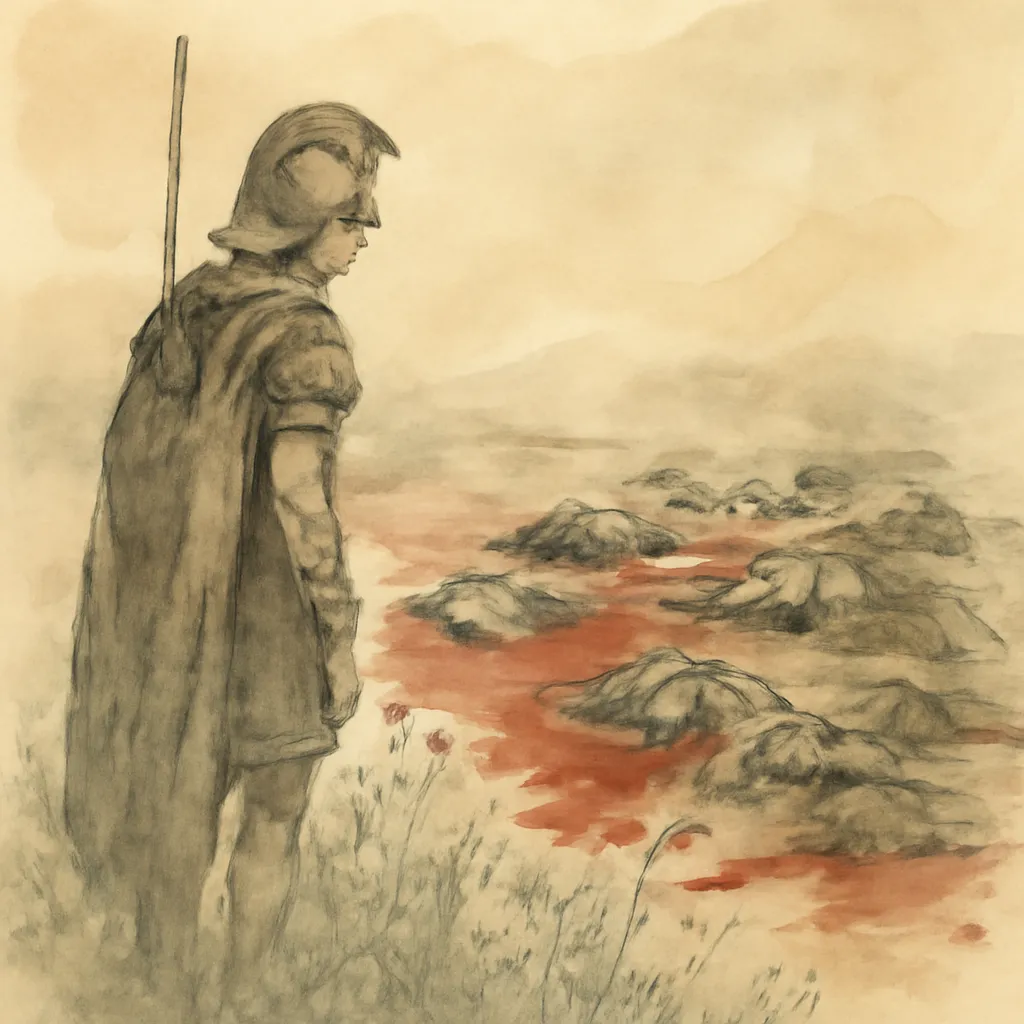
War is an ever-present theme in 'The Aeneid', shaping the landscape of Aeneas's journey and influencing his character development. As a warrior, Aeneas embodies the virtues of courage and honor, yet he is also deeply aware of the brutal realities of conflict. The epic opens with the aftermath of the Trojan War, a backdrop that informs Aeneas’s actions as he faces new battles in Italy. His encounters with formidable foes, such as Turnus, highlight the complexities of heroism; Aeneas is not merely a passive recipient of fate but an active participant in the struggles that define his destiny. The battles he fights are not just for personal glory but are imbued with the weight of his people's hopes and aspirations. Virgil's depiction of war serves as both a celebration of martial valor and a sobering reflection on its destructive consequences, inviting readers to consider the costs of conflict.
6.Founding a New Home: The Establishment of Lavinium
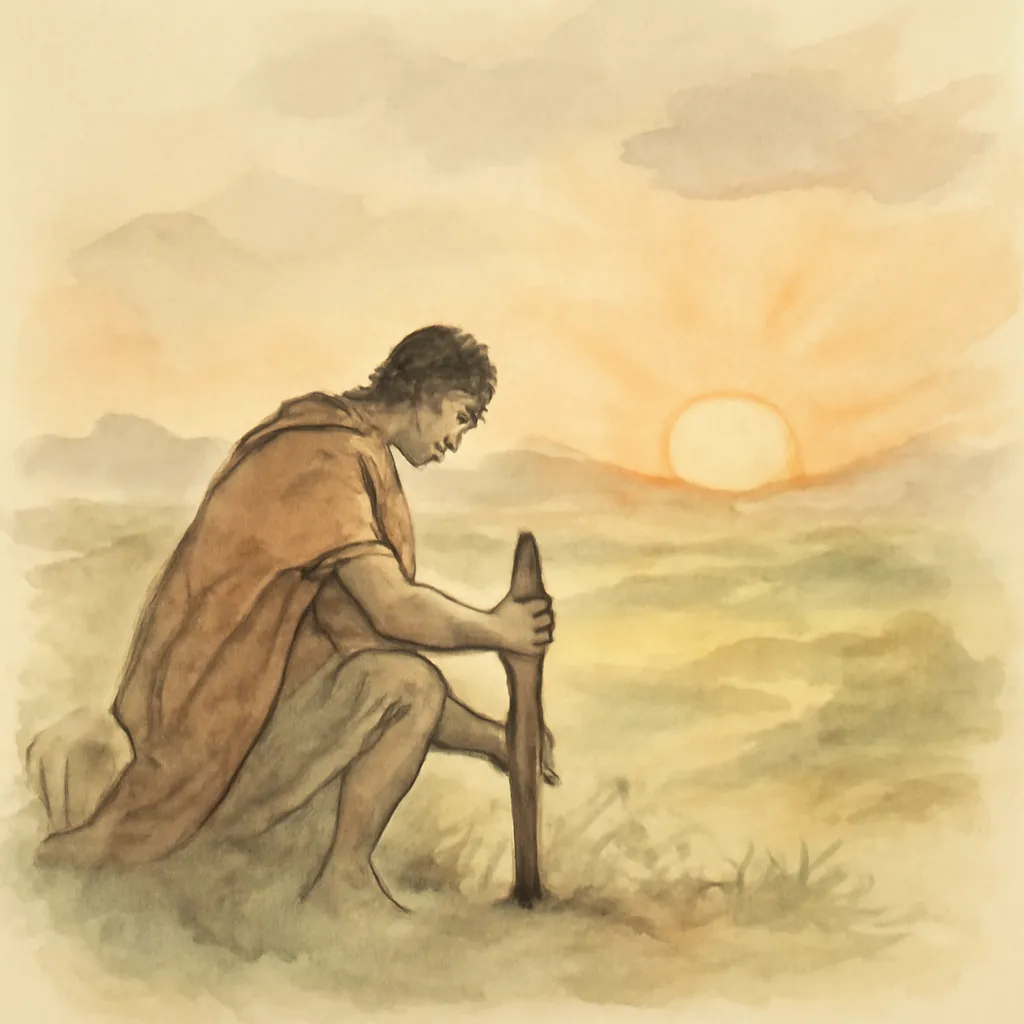
Aeneas's journey culminates in the founding of Lavinium, symbolizing the birth of a new identity for the Trojans and the future of Rome. This act of establishment is not merely a physical endeavor but also a spiritual and cultural rebirth. Aeneas’s arrival in Italy signifies the merging of Trojan and Italian peoples, as he navigates the challenges posed by local tribes and their leaders. The construction of Lavinium represents the fulfillment of Aeneas’s divine mission, as it lays the groundwork for the future greatness of Rome. Virgil intricately weaves themes of legacy and continuity throughout this process, emphasizing the importance of memory and heritage in shaping national identity. Aeneas’s commitment to establishing a new home reflects the broader human desire for belonging and stability, making it a resonant theme for readers across time.
7.The Influence of Prophecy: Aeneas's Vision of the Future
Prophecy plays a pivotal role in 'The Aeneid', guiding Aeneas and foreshadowing the challenges he will face. Throughout his journey, Aeneas encounters numerous prophetic visions that reveal key aspects of his destiny. These prophecies often serve as both warnings and encouragement, illustrating the dual nature of foresight. For instance, the Sibyl’s guidance leads Aeneas to the underworld, where he learns about his future descendants and the glory of Rome. This encounter deepens his understanding of his mission, reinforcing the idea that his actions have far-reaching implications beyond his lifetime. Virgil uses prophecy to connect the past, present, and future, creating a sense of continuity that enriches the narrative. The weight of prophecy adds to Aeneas's character, as he grapples with the significance of his choices in the context of a greater historical legacy.
8.The Symbolism of the Shield: Aeneas’s Legacy
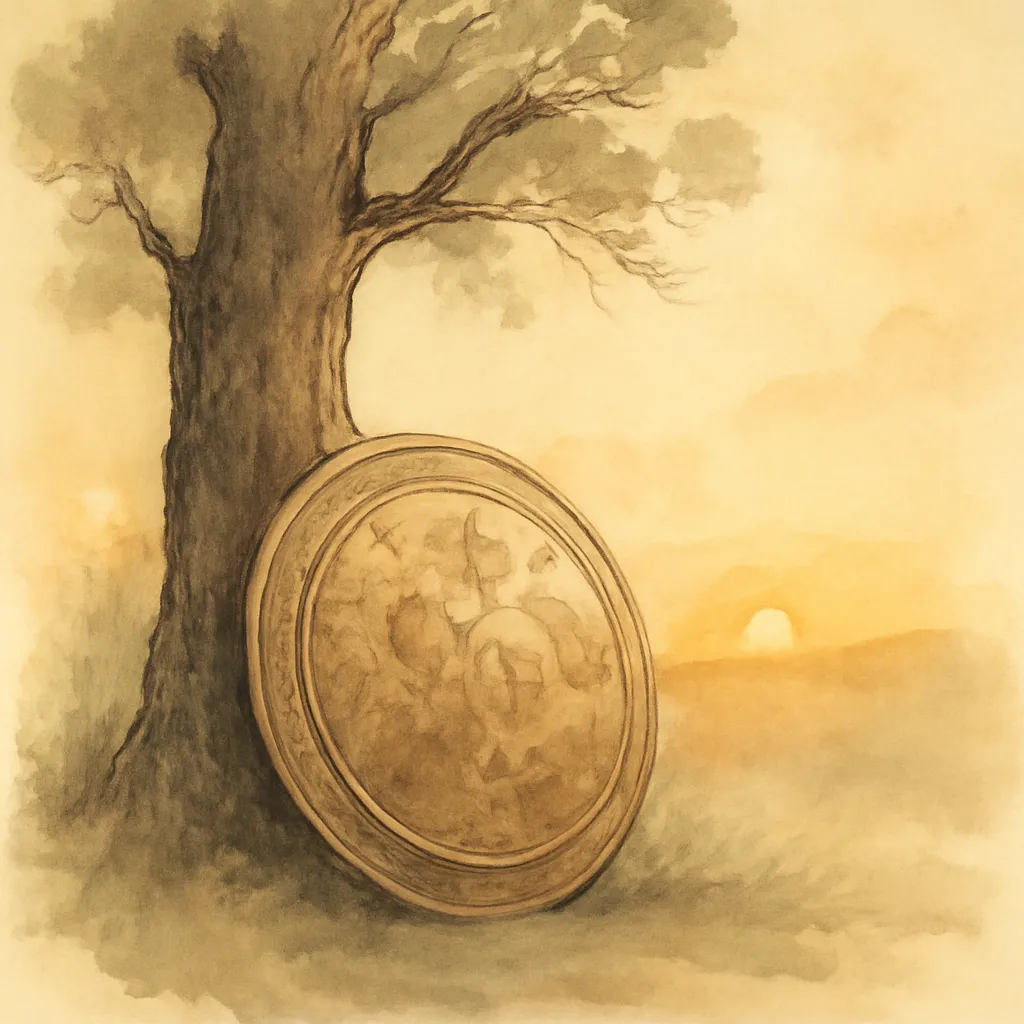
The shield crafted by Vulcan for Aeneas serves as a powerful symbol of his legacy and the future of Rome. It is adorned with scenes depicting the future triumphs of Aeneas’s descendants, showcasing the greatness that lies ahead. This moment encapsulates the epic's exploration of historical continuity, as Aeneas is not only a hero in his own right but also a foundational figure for future generations. The imagery on the shield reflects themes of warfare, peace, and the moral complexities of leadership, inviting reflection on the responsibilities that come with power. Aeneas’s legacy is thus intricately tied to the shield, as it represents the intersection of personal glory and the collective destiny of the Roman people. Through this symbolism, Virgil emphasizes the importance of memory and heritage in shaping national identity, as well as the burdens and expectations placed upon leaders.
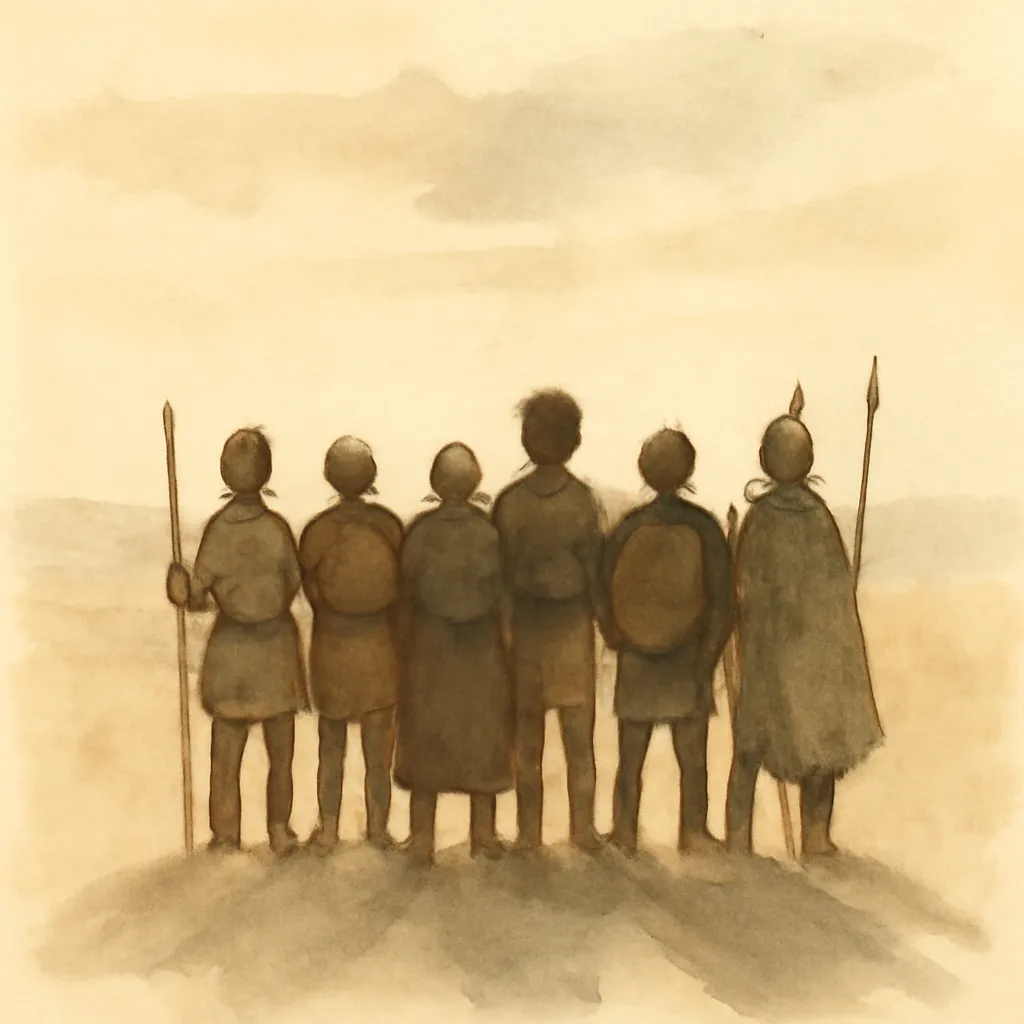
9.The Importance of Community: Aeneas’s Companions
Aeneas’s journey is not a solitary one; his companions, including loyal warriors like Achates and Nisus, play critical roles in shaping his character and mission. The bonds of friendship and loyalty underscore the theme of community in 'The Aeneid', illustrating how collective strength can overcome individual challenges. The camaraderie shared among Aeneas and his followers highlights the importance of shared purpose and mutual support in the face of adversity. Their sacrifices and loyalty reinforce Aeneas’s resolve to fulfill his destiny, as each companion embodies the values of bravery and honor that define the Trojan people. Virgil’s portrayal of these relationships serves to enhance the emotional depth of the narrative, reminding readers that the journey toward greatness is often a communal endeavor. The theme of community resonates throughout the epic, emphasizing that personal success is intertwined with the collective experience of a people.