1.The 'Short Twentieth Century'
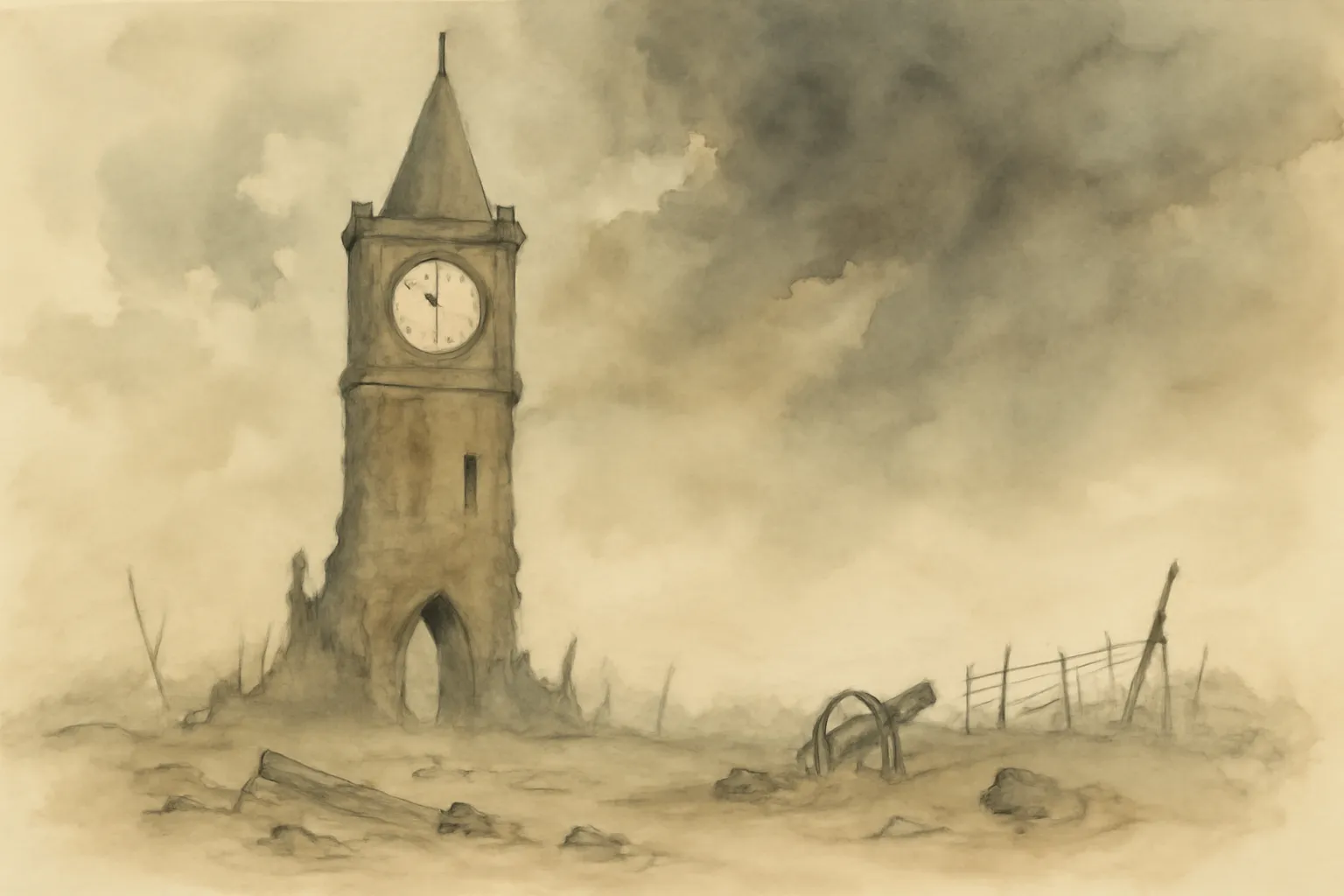
Hobsbawm frames the twentieth century not as a simple chronological period, but as an 'age of extremes' beginning with World War I in 1914 and ending with the collapse of the Soviet Union in 1991. This periodization highlights the era’s unique intensity, marked by unprecedented violence, ideological conflict, and rapid transformation. By focusing on this compressed timeline, Hobsbawm underscores how the century’s defining events were interconnected and how their consequences continue to shape global politics and society.
2.The Age of Catastrophe
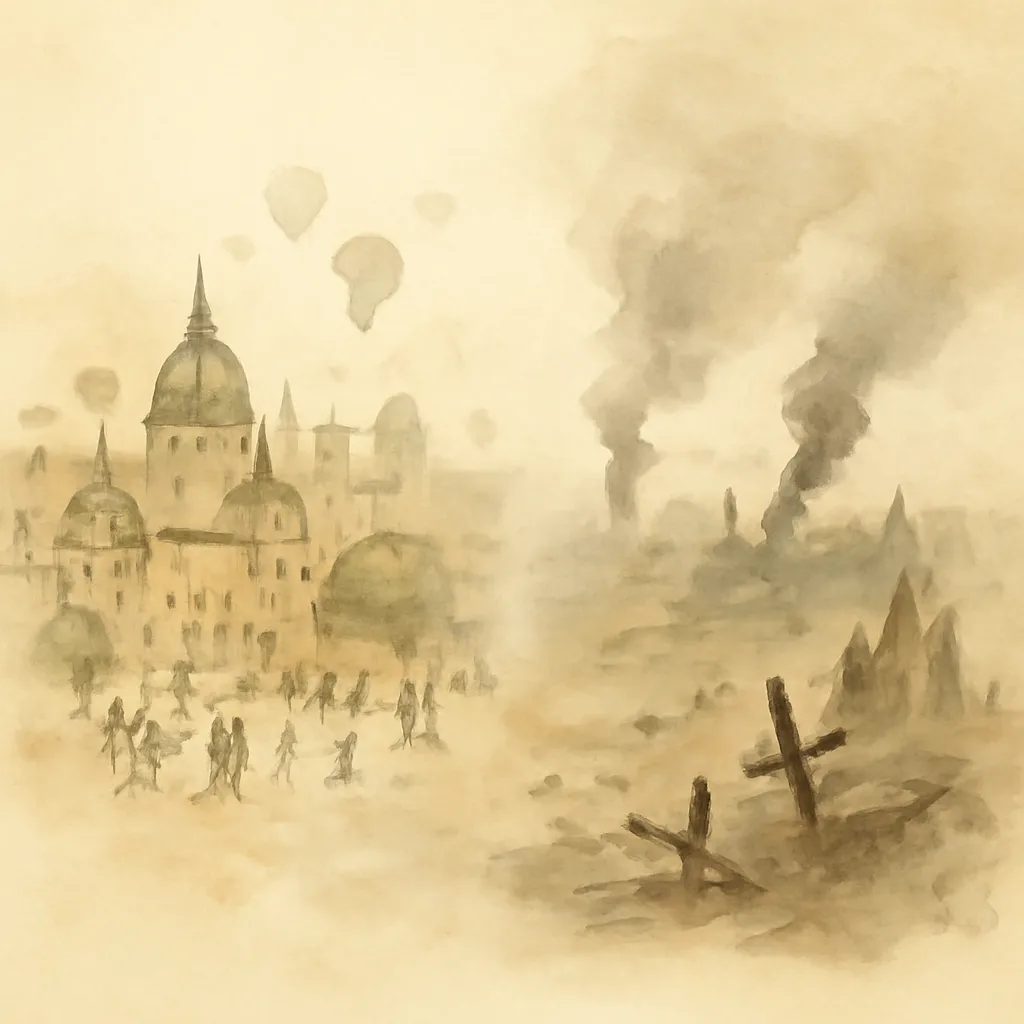
Between 1914 and 1945, the world experienced two world wars, the Great Depression, and the rise of totalitarian regimes. Hobsbawm analyzes how these catastrophes shattered the old social and political orders, leading to mass mobilization, technological innovation, and the reconfiguration of power. He argues that the scale and destructiveness of these events marked a rupture with the past and set the stage for the subsequent reordering of the world.
3.The Golden Age of Capitalism
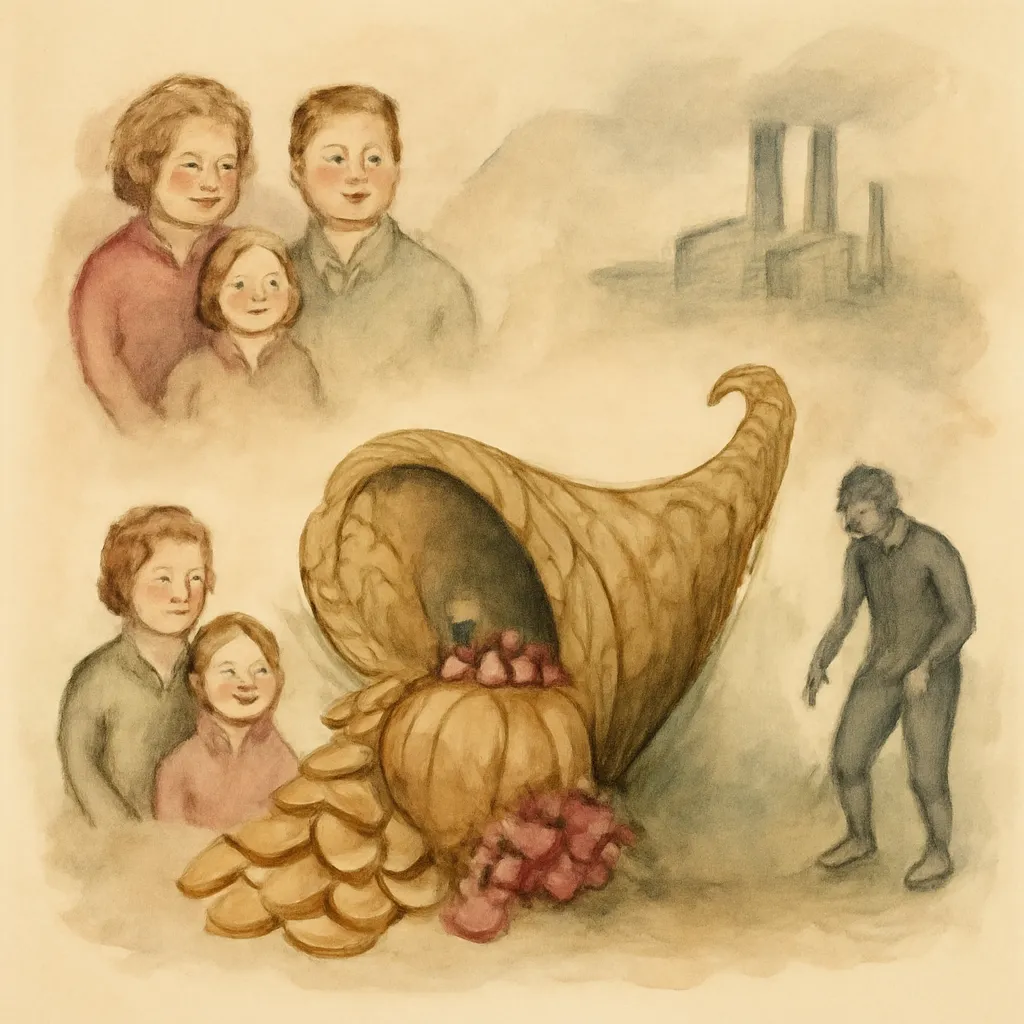
From 1950 to 1973, much of the world—especially the West—enjoyed unprecedented economic growth, rising living standards, and relative stability. Hobsbawm labels this the 'Golden Age,' emphasizing both its achievements and its exceptional nature. He explores how state intervention, social welfare policies, and the Cold War context fostered prosperity, but also notes that this period was historically unusual and ultimately unsustainable.
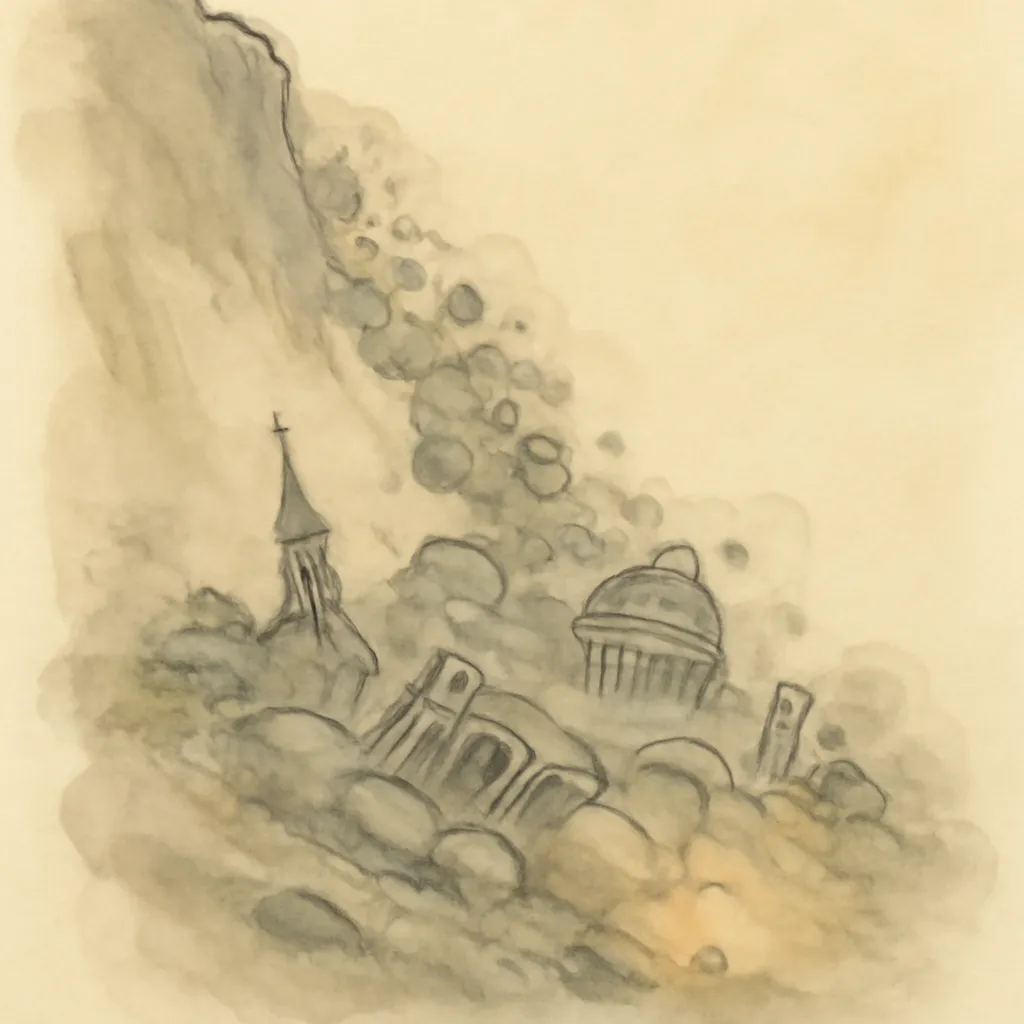
4.The Crisis of the 1970s and the 'Landslide'
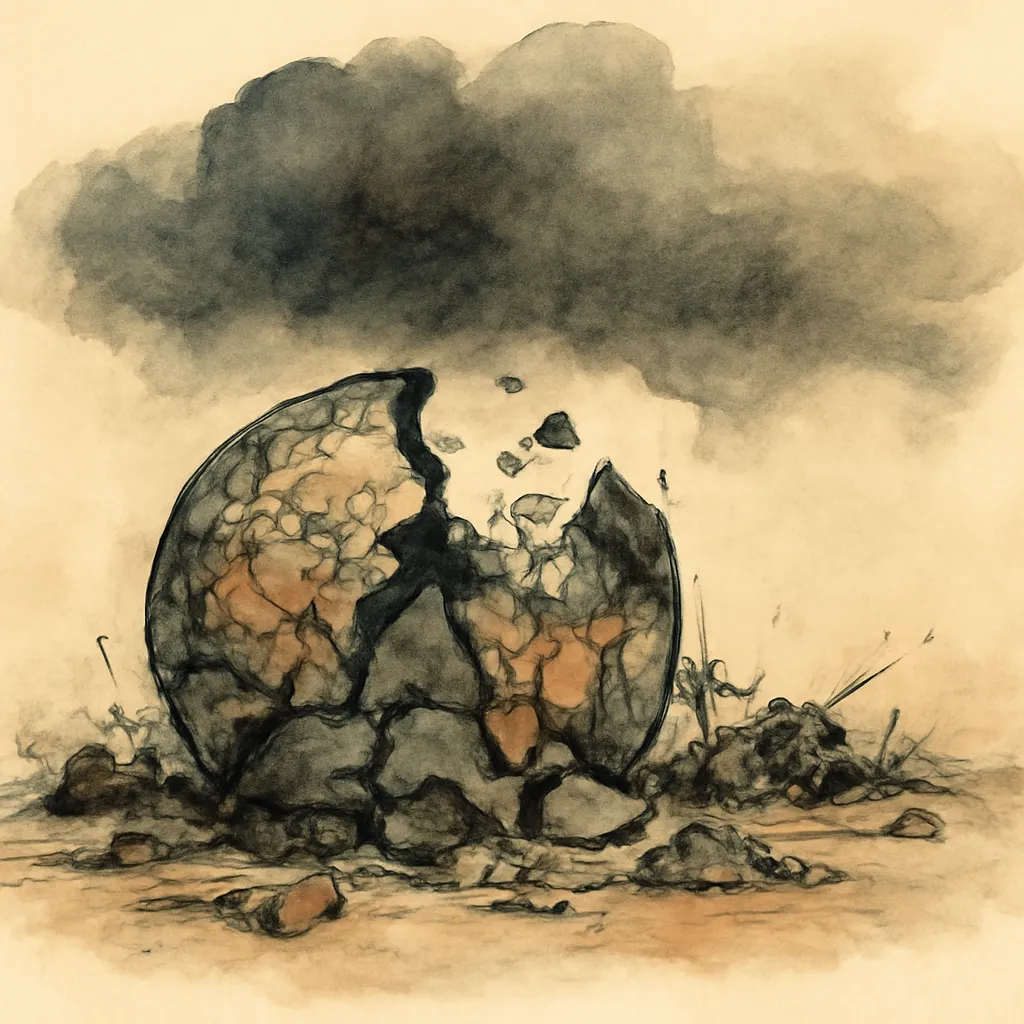
The postwar consensus unraveled in the 1970s, giving way to economic crises, the rise of neoliberalism, and growing social fragmentation. Hobsbawm calls this era 'The Landslide,' as old certainties dissolved and inequality, instability, and political disillusionment surged. He critically examines the shift toward market fundamentalism and the weakening of collective institutions, warning of the dangers posed by unchecked capitalism and declining social cohesion.
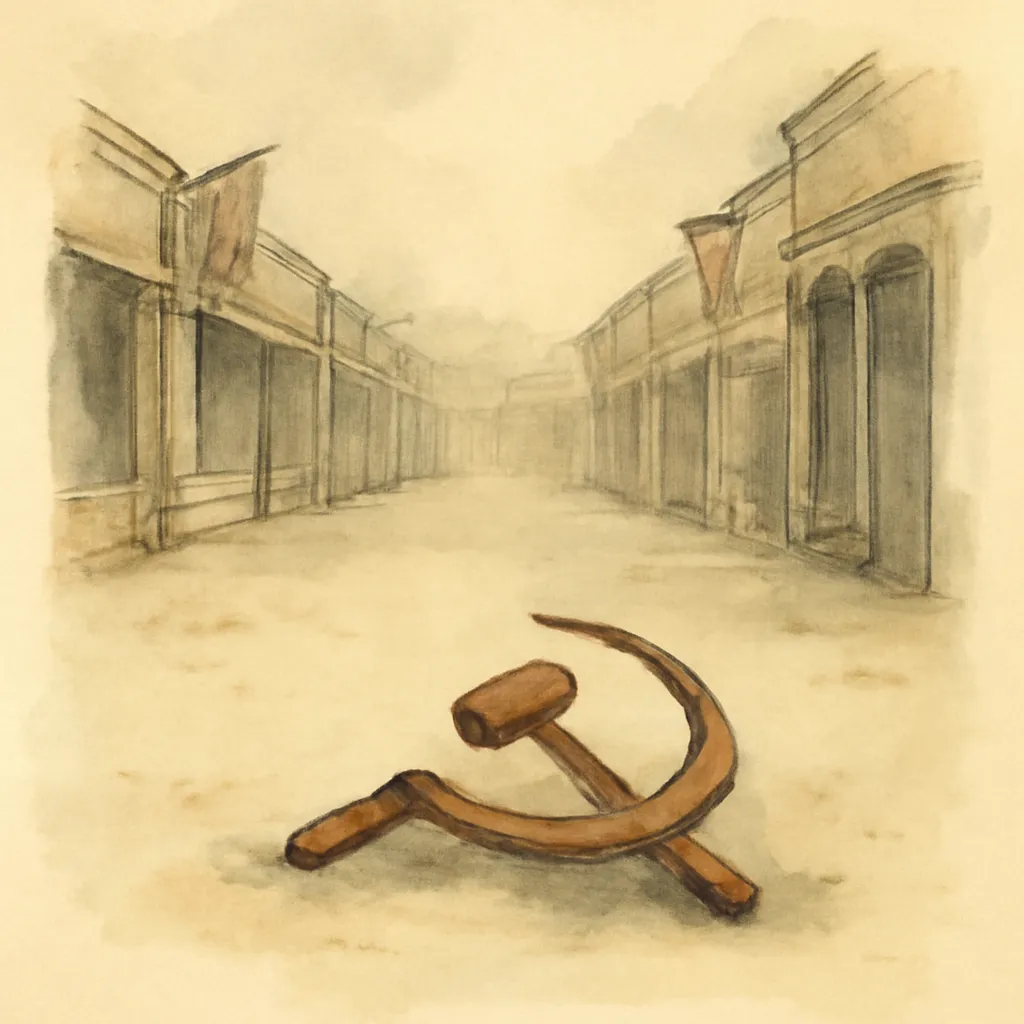
5.The End of Ideology and the Collapse of Communism
Hobsbawm devotes significant attention to the rise and fall of communism, arguing that its collapse not only ended the Cold War but also left the world ideologically adrift. He contends that the absence of a credible alternative to capitalism has led to both triumphalism and anxiety, as societies struggle with new uncertainties and unresolved problems that neither market nor state alone can solve.
6.Culture, Science, and the Human Condition
Beyond politics and economics, Hobsbawm explores the profound changes in culture, science, and everyday life. He discusses the explosion of mass media, the transformation of gender roles, and the impact of scientific advances, arguing that the twentieth century fundamentally altered what it means to be human. Yet, he is cautious about the costs of these changes, especially the erosion of traditional structures and the sense of meaning.
7.Warning for the Future
Hobsbawm closes with a warning: the unresolved problems of the twentieth century—environmental destruction, population growth, and social fragmentation—threaten the future. He urges readers to recognize that the triumphs of the recent past are fragile, and that without collective solutions and historical awareness, humanity faces grave risks in the new millennium.