

Modern History · World history · communism
The Age of Extremes by Eric Hobsbawm — Summary, Key Ideas & Quotes
1994627 pages✦ 3-min Big ideas★ 5.0 (2)
Rate it
In this masterful and highly accessible study of our times, one of the world's leading historians sheds exciting new light on our understanding of the twentieth century, with incisive assessments of events that have marked this turbulent period. Eric Hobsbawm, whose own life spans this century, deftly examines from both personal and scholarly perspectives such events as the great economic depression of the 1930s, the Cold War, the rise of military regimes, revolutionary changes in the arts, and technological advances in the sciences. Divided into three parts - The Age of Catastrophe, 1914-1950; The Golden Age, 1950-1973; and The Landslide, 1973-1991 - the book looks at the legacy of the two world wars, the end of colonialism and the growing importance of the Third World, as well as the collapse of the Soviet Union. Hobsbawm ponders the influence of the economic and social upheavals of the third quarter of the twentieth century, which, he states, brought about the "most profound revolution in society since the Stone Age." In conclusion, Hobsbawm looks to the next millennium, pointing up the dilemmas posed by a burgeoning population, destruction of the environment, and the growing economic disparity between rich and poor. Writes Hobsbawm, "Our world risks both explosion and implosion. It must change." With an astonishing command of historical details and data, The Age of Extremes is a must-read for anyone interested in understanding the cultural and social context in which we live.
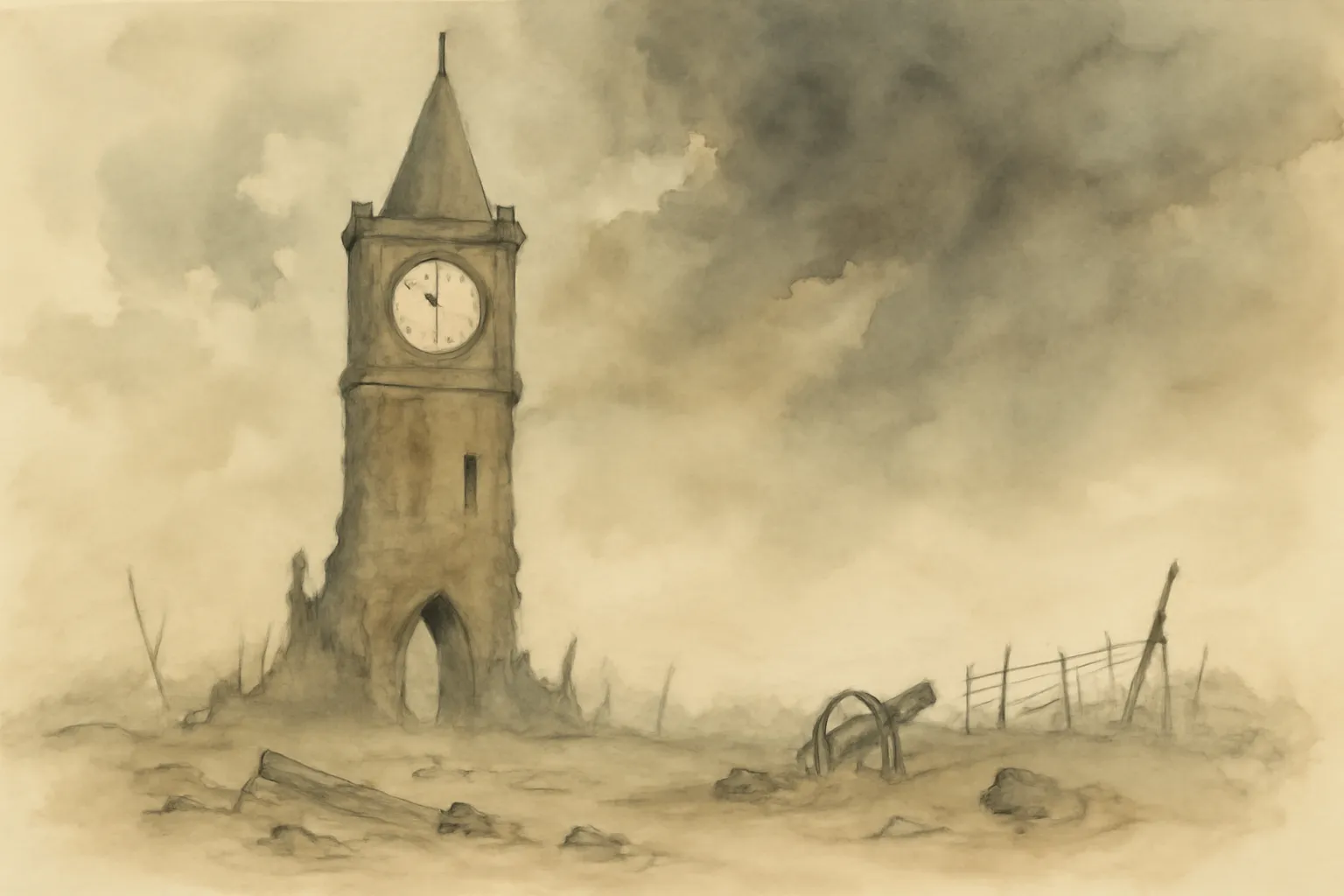
Hobsbawm frames the twentieth century not as a simple chronological period, but as an 'age of extremes' beginning with World War I in 1914 and ending with the collapse of the Soviet Union in 1991. This periodization highlights the era’s unique intensity, marked by unprecedented violence, ideological conflict, and rapid transformation. By focusing on this compressed timeline, Hobsbawm underscores how the century’s defining events were interconnected and how their consequences continue to shape global politics and society.
Between 1914 and 1945, the world experienced two world wars, the Great Depression, and the rise of totalitarian regimes. Hobsbawm analyzes how these catastrophes shattered the old social and political orders, leading to mass mobilization, technological innovation, and the reconfiguration of power. He argues that the scale and destructiveness of these events marked a rupture with the past and set the stage for the subsequent reordering of the world.
“The destruction of the past, or rather of the social mechanisms that link one’s contemporary experience to that of earlier generations, is one of the most characteristic and eerie phenomena of the late twentieth century.”
“If humanity is to have a recognizable future, it cannot be by prolonging the past or the present.”
