1.The Rise of Air Piracy
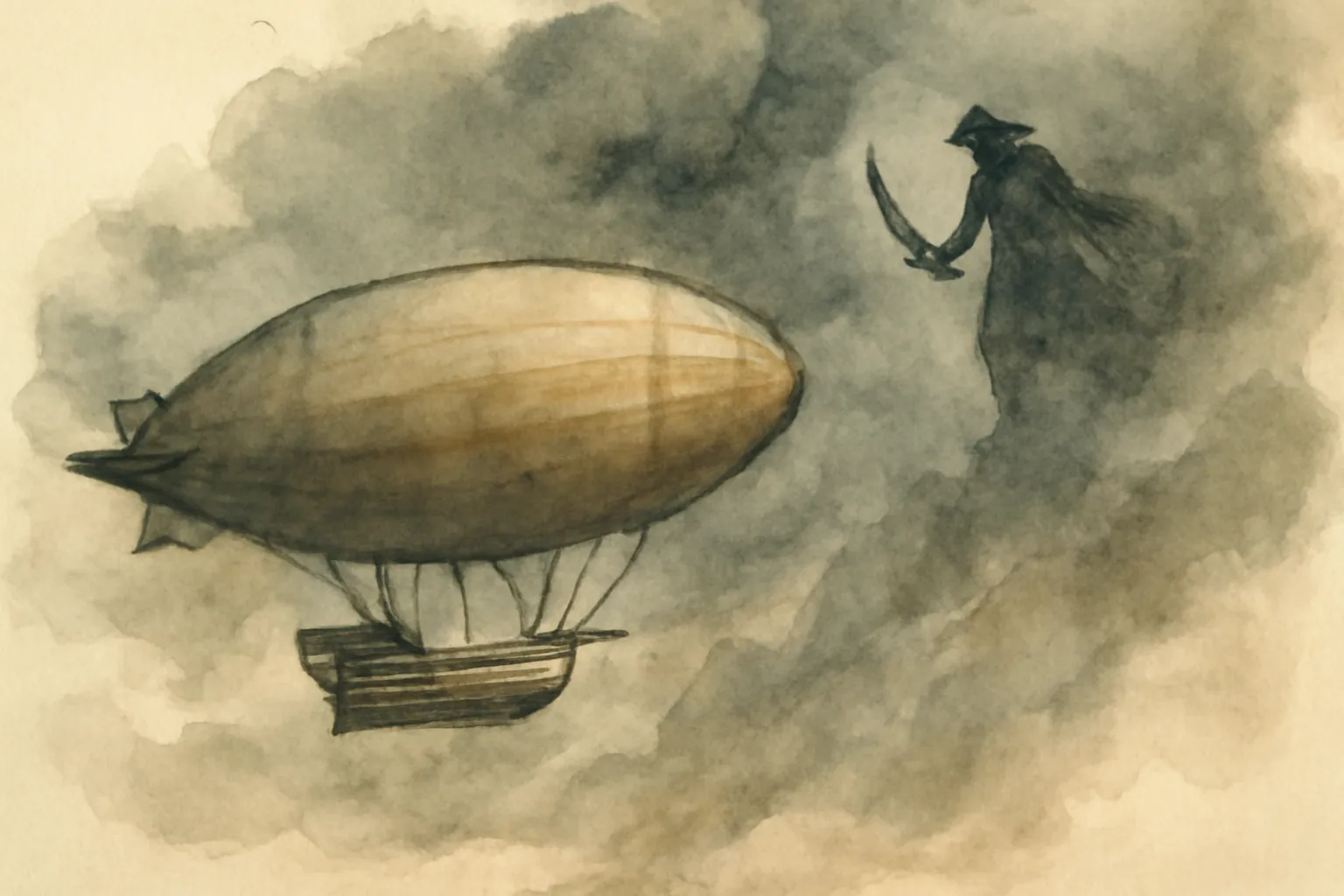
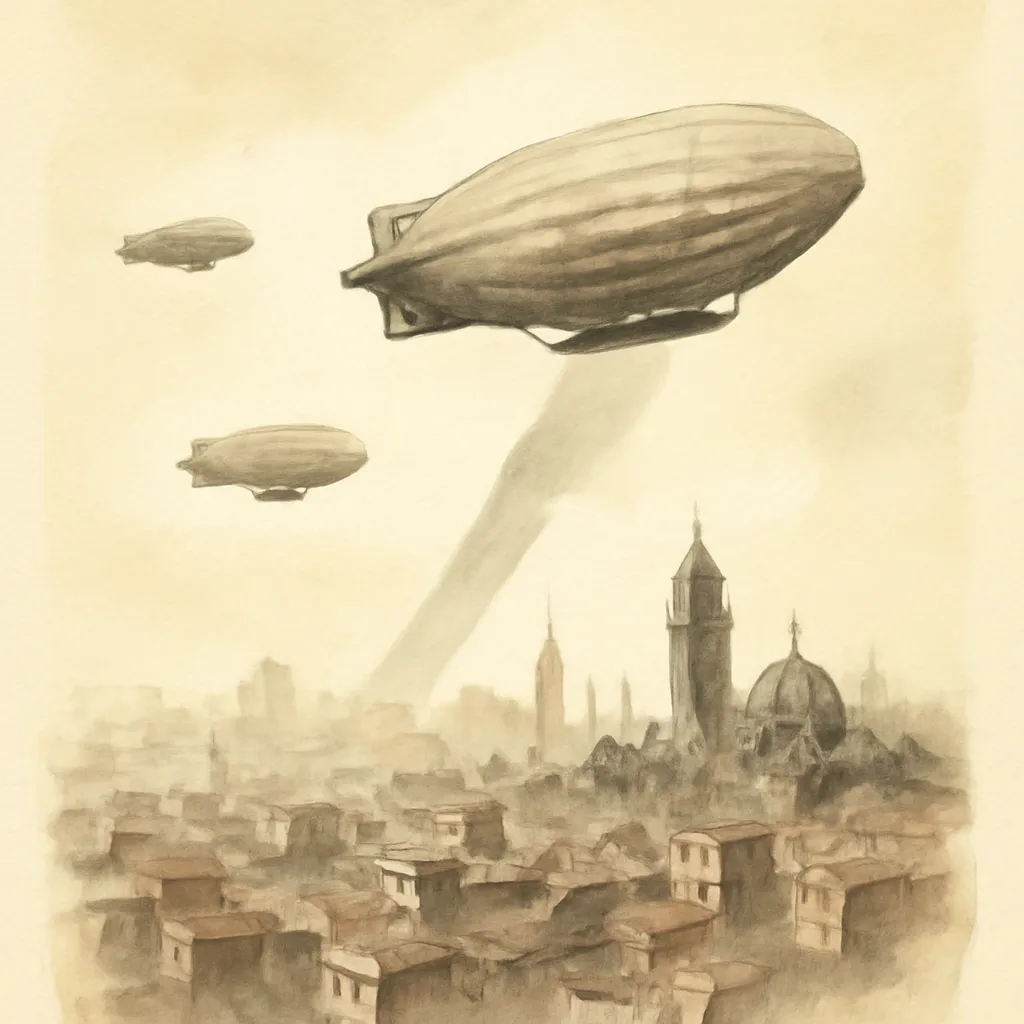
The novel opens with a stark reminder of the past when air piracy was rampant, causing widespread panic and horror. The government assures the public that these dangers have been eradicated, but the reality is far more complex. Sir John Custance, the young and capable Commissioner of Air Police, knows firsthand the terror that piracy can unleash. His ability to manage and mitigate these threats is put to the test when the 'Albatros,' a major transatlantic airliner, is attacked. This incident not only reignites public fear but also serves as a catalyst for Custance's quest to locate and bring the perpetrators to justice. Thorne uses this backdrop to explore the duality of technological progress: while air travel has become a symbol of modernity and advancement, it also opens the door to new forms of crime, illustrating the inherent risks that accompany innovation.
2.Character of Sir John Custance
Sir John Custance is depicted as a dedicated and capable leader, embodying the qualities of a modern hero grappling with the weight of his responsibilities. His character is richly developed, showcasing his expertise as a pilot and his organizational skills as a police commissioner. Throughout the book, Custance is driven not only by his duty to protect the public but also by personal motives, including his engagement to Miss Constance Shepherd. This duality adds depth to his character as he navigates his professional obligations and personal losses. Thorne artfully reveals Custance's vulnerabilities, particularly after the shocking events surrounding the Albatros, where he feels the weight of responsibility for the safety of passengers. His determination to bring the culprits to justice is a central theme, driving the plot forward and engaging readers with his internal struggles, evoking empathy and support for his mission.
3.The Role of Technology in Crime
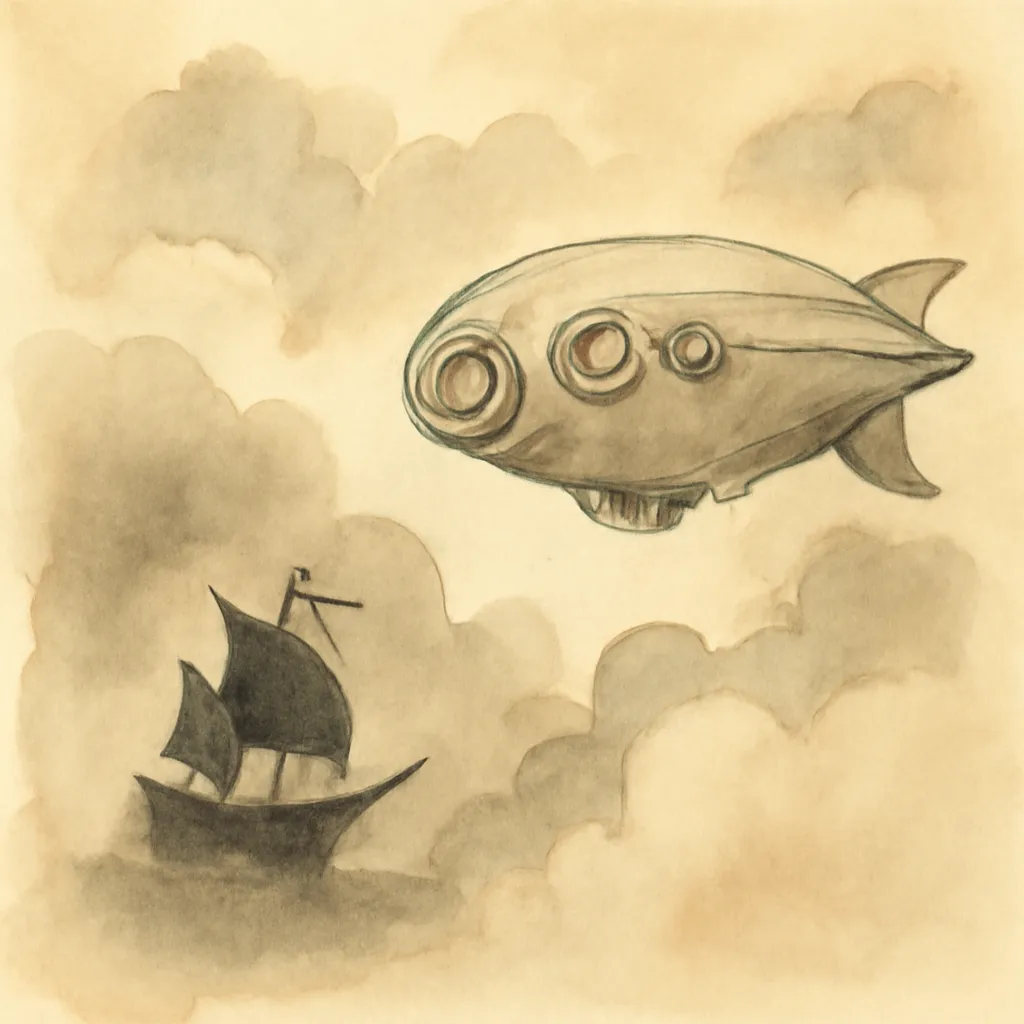
Thorne cleverly interweaves the theme of technology with the narrative of crime. The advancements in air travel, such as the development of airships and enhanced surveillance, are set against the ingenuity of the criminals who exploit these technologies for nefarious purposes. The airship attacks reveal a sophisticated understanding of engineering and mechanics on the part of the pirates, highlighting the arms race between law enforcement and criminal organizations. Captain Pring's furious outburst upon recounting the Albatros's encounter with the pirate ship underscores the desperation felt by those in charge of safeguarding the skies. Thorne's narrative raises questions about the ethical implications of technology and its dual-edged nature, as it can be used for both progress and destruction. The tension between innovation and crime serves as a backdrop for Custance's investigation, emphasizing the need for constant vigilance in a rapidly evolving world.
4.The Investigation Unfolds

As Custance delves into the investigation, the narrative builds suspense through a series of encounters with key characters, including Pilot-Commander Pring and millionaire Mr. Van Adams. Each character provides crucial insights into the events surrounding the Albatros, and their interactions with Custance reveal a network of connections that complicate the case. Thorne's writing captures the tension and urgency of the investigation as Custance races against time to prevent further attacks. The meticulous attention to detail in the interviews and the gathering of evidence adds a layer of realism to the story, immersing readers in the investigative process. This detailed exploration of the investigative techniques employed by Custance reflects the complexities of modern policing, where intuition, technology, and collaboration play vital roles in solving crimes. This layered approach to the investigation keeps readers engaged, as they are drawn into the same suspense and uncertainty that Custance faces.
5.The Enigmatic Mr. Danjuro

Mr. Danjuro, introduced as a 'thinking machine' and the familiar spirit of Mr. Van Adams, adds a unique dynamic to the narrative. His character is shrouded in mystery, and his intellect and analytical skills complement Custance's approach to the investigation. Danjuro's insights into the mind of the air pirates provide a crucial perspective that aids Custance in understanding the motivations behind the crimes. His analytical approach contrasts with the emotional turmoil Custance experiences, creating a balance between logic and human sentiment. As the investigation progresses, Danjuro's role becomes increasingly significant, showcasing the power of collaboration in solving complex problems. With his ability to think outside the box and propose unconventional strategies, Danjuro becomes an indispensable ally to Custance, reflecting the importance of diverse perspectives and skills in overcoming challenges. This collaboration also emphasizes the theme of teamwork in facing adversities.
6.The Personal Stakes for Custance
The emotional weight of Custance's personal life is intricately woven into the narrative, particularly through his relationship with Constance Shepherd. Custance's engagement is not just a backdrop but a driving force in his motivations. The loss he experiences deeply affects him and fuels his determination to resolve the crises threatening air travel. The tension between his professional duties and personal heartbreak creates a compelling character arc, as Custance grapples with feelings of guilt and responsibility. The moments where he reflects on his lost love offer poignant insights into his character, allowing readers to empathize with his plight. Thorne captures this internal struggle beautifully, ensuring that Custance's motivations resonate with readers on a personal level. This personal journey adds depth to the narrative as it highlights themes of sacrifice and resilience in the face of adversity.
7.The Element of Betrayal

Betrayal is a recurring theme throughout 'The Air Pirate,' manifesting in various forms as characters reveal their true intentions. The narrative builds suspense as Custance uncovers layers of deceit within the air travel industry and among those he thought he could trust. The character of Helzephron, a key antagonist, embodies this betrayal as he orchestrates a complex scheme involving air piracy for personal gain. This theme underscores the fragility of alliances and the potential for treachery in high-stakes environments. Thorne's exploration of betrayal goes beyond mere plot twists; it delves into the moral complexities of trust and loyalty. As Custance navigates these treacherous waters, readers are left questioning the loyalties of those around him, adding to the tension and intrigue of the story. This exploration of betrayal ultimately reflects broader themes of human nature, illustrating that even in a world built on progress, the potential for deceit lurks beneath the surface.
8.The Climax of Confrontation
The climax of the story reaches a fever pitch as Custance confronts the air pirates in their lair. This moment is a culmination of the tension built throughout the narrative, where personal stakes and professional duties collide. The confrontation is fraught with danger, and Custance's resolve is tested as he faces off against Helzephron and his crew. Thorne's vivid descriptions bring the scene to life, immersing readers in the action and heightening the stakes. The pacing accelerates, enhancing the sense of urgency as Custance's quest for justice culminates in this decisive showdown. The dramatic tension serves not only as a thrilling climax but also as a resolution to Custance's personal journey, forcing him to confront both the external threat and his internal demons. This moment is rich in thematic significance, showcasing the struggle between good and evil and the ultimate triumph of justice over wrongdoing.
9.Themes of Justice and Redemption

The overarching themes of justice and redemption resonate throughout 'The Air Pirate.' Custance's quest is not merely about solving a crime but about restoring order and safety to society. His relentless pursuit of the air pirates embodies the struggle for justice in a world where lawlessness threatens progress. Thorne explores the moral complexities of justice as Custance grapples with his own motivations and the consequences of his actions. The resolution of the narrative offers a sense of redemption, both for Custance and for the society he serves, reinforcing the idea that justice, though difficult to achieve, is ultimately worth fighting for. These themes are intricately woven into the fabric of the story, encouraging readers to reflect on the price of justice and the moral imperatives that guide human behavior. Thorne's exploration of these themes elevates the narrative, making it not just a thrilling adventure but a profound commentary on human nature and societal values.
10.The Future of Air Travel
Thorne paints a vivid picture of the future of air travel, filled with both promise and peril. The advancements in technology are juxtaposed with the ever-present threat of crime, raising questions about the balance between progress and safety. The narrative serves as a cautionary tale about the responsibilities that come with innovation, emphasizing the need for vigilance in the face of rapid change. As Custance navigates this new world, readers are left contemplating the implications of air travel on society and the importance of safeguarding it from those who would abuse it. The story concludes with a hopeful yet realistic outlook on the future of air travel, suggesting that while challenges remain, the potential for greater connectivity and progress is within reach. This exploration of the future of air travel resonates with contemporary concerns, making the narrative relevant and thought-provoking for modern readers.