1.The Stages of Revolution

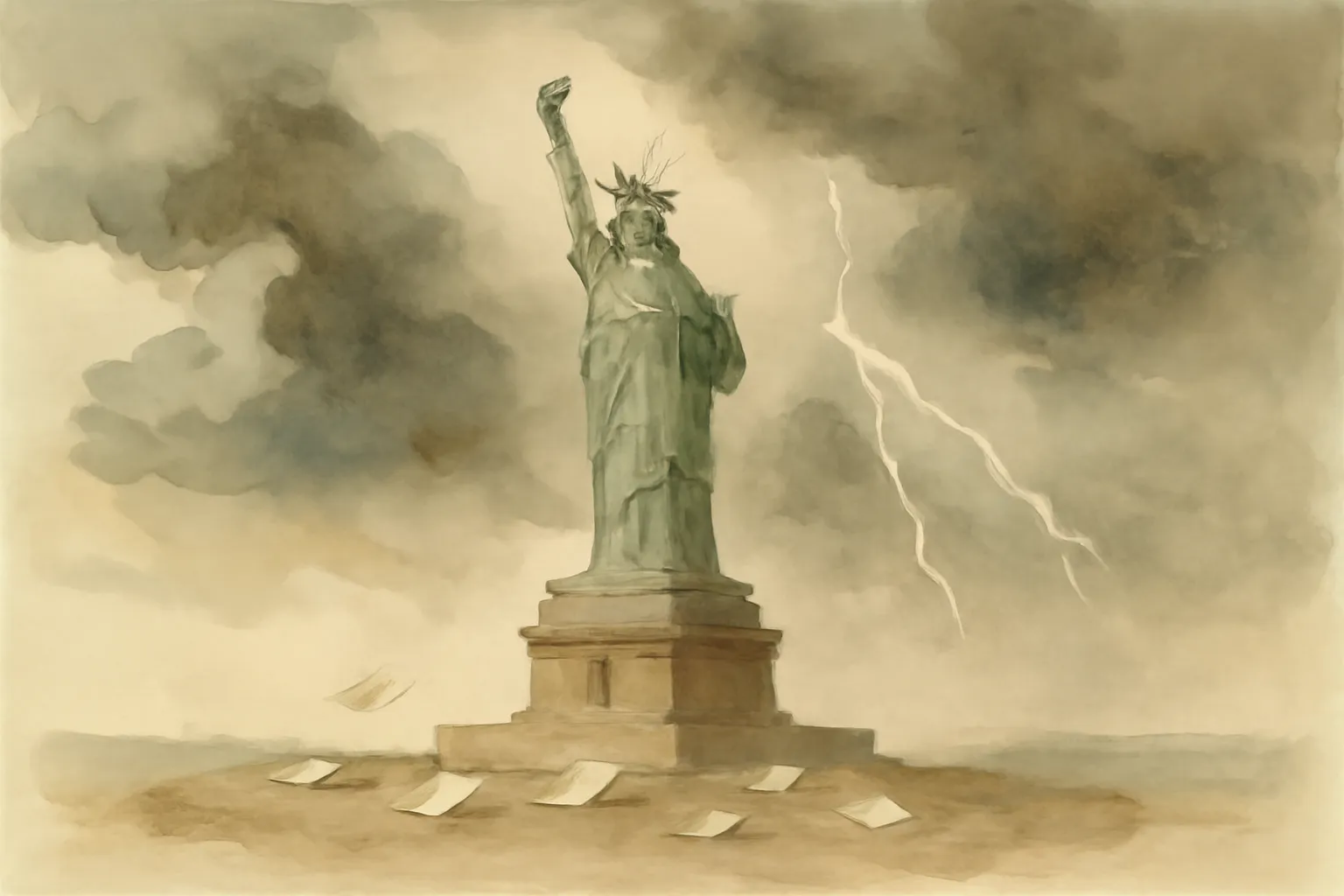
Brinton outlines a clear progression of stages that revolutions commonly follow, which he refers to as the 'anatomy of revolution.' This structural approach highlights how revolutions typically begin with a buildup of dissatisfaction among the populace. In the initial stage, people become increasingly aware of their grievances against the ruling authority, leading to civil unrest. Brinton delineates the stages as: the Old Order, the Crisis, the Recovery, and the New Order. For instance, during the English Revolution, growing Puritan discontent against King Charles I culminated in civil war. Similarly, the American Revolution emerged from increasing frustrations over British taxation without representation, igniting the colonies into coordinated action. Brinton illustrates that these stages are not merely chronological but also interrelated; the actions taken during one phase can deeply influence the trajectory of the subsequent phases. Understanding these stages helps to anticipate potential outcomes and societal responses during revolutionary periods, serving as a foundational perspective for analyzing revolutions across different contexts.
2.Revolutionaries: Ordinary People in Extraordinary Times
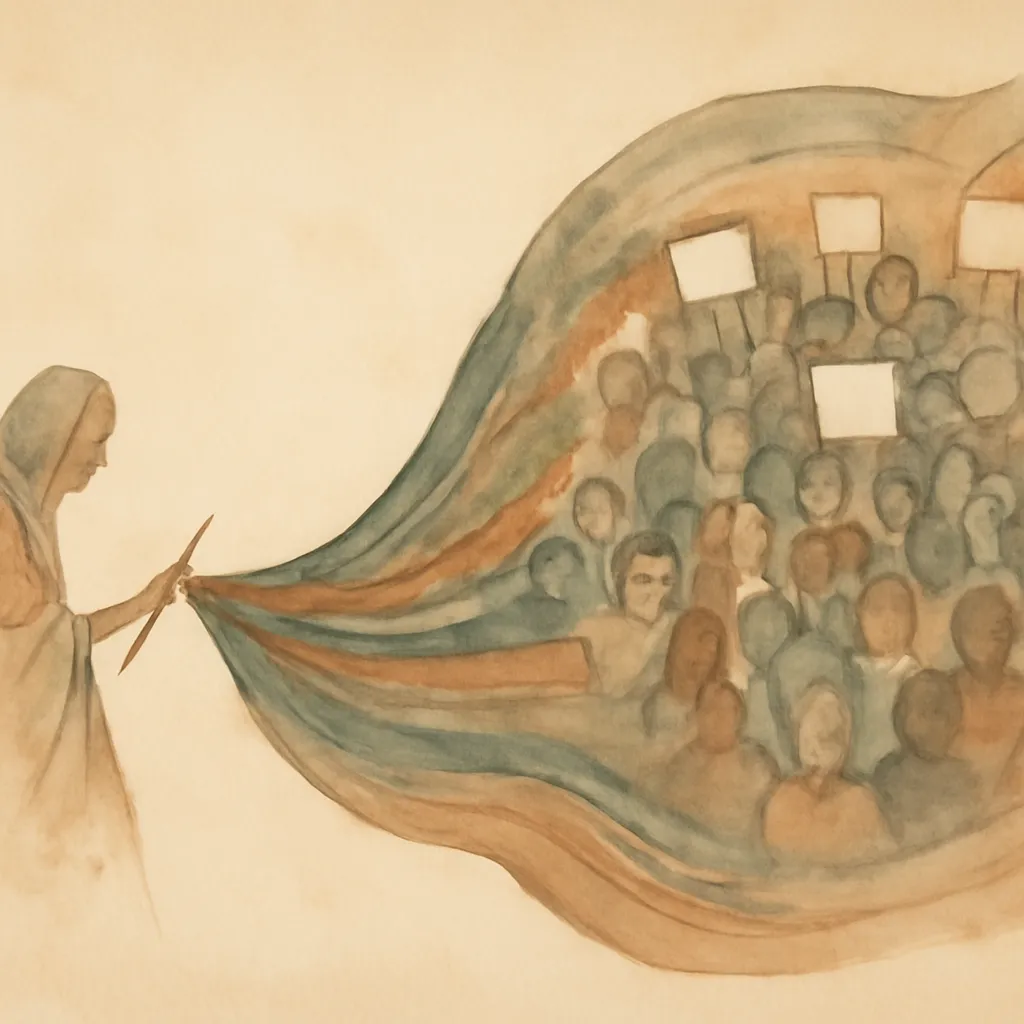
Brinton emphasizes the role of ordinary individuals in revolutions, challenging the assumption that societal change is solely the purview of elites or radical intellectuals. He argues that revolutions are often fueled by a diverse array of participants, ranging from the middle class to disenfranchised groups. The Russian Revolution serves as a poignant example; while leaders like Lenin and Trotsky are well-remembered, countless ordinary workers and soldiers played crucial roles in the upheaval. These revolutionaries, motivated by collective frustrations, become instrumental in the revolutionary process. Brinton notes that these individuals are often characterized by their energy, willingness to experiment, and ability to mobilize. Importantly, this democratization of revolutionary action suggests that the potential for change lies within the populace at large, and not just among the educated elite. By highlighting the contributions of ordinary people, Brinton reshapes our understanding of who can be a revolutionary and the conditions under which revolutions can thrive, demonstrating that societal transformation is a collective endeavor rather than a solitary one.
3.The Role of Ideology
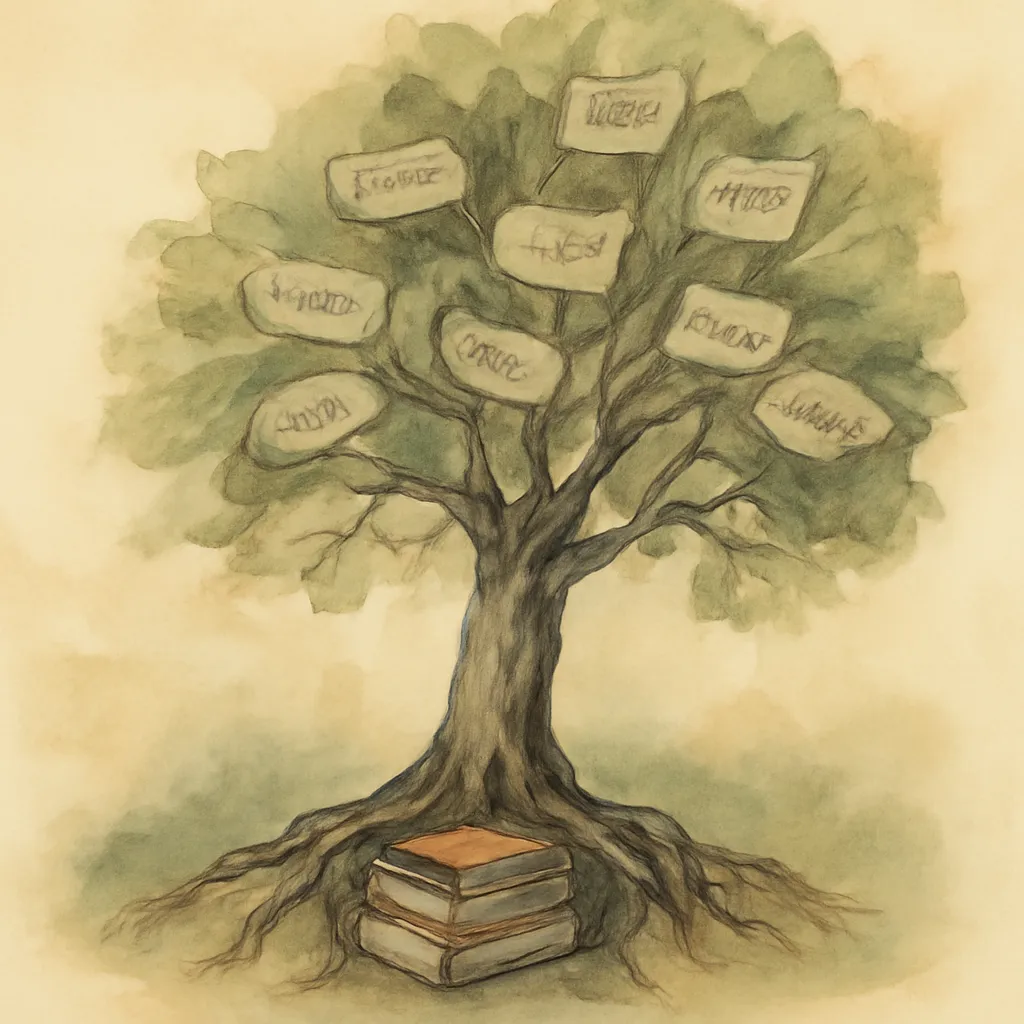
Ideology plays a foundational role in shaping the motivations and goals of revolutionary movements. Brinton explores how ideologies provide a framework for articulating grievances and envisioning a new societal order. For instance, Enlightenment ideas heavily influenced the American Revolution, where principles of liberty, equality, and the social contract formed the bedrock of revolutionary thought. The American colonists framed their struggle as a fight for rights against tyranny, invoking Enlightenment ideals to justify their revolt. Similarly, the French Revolution was significantly driven by Enlightenment thought, which inspired calls for democratic reforms and social justice, culminating in the famous cry of 'Liberté, égalité, fraternité.' However, Brinton also highlights that ideologies can diverge significantly; the Russian Revolution, deeply rooted in Marxist ideology, sought to dismantle the capitalist structure in favor of a classless society. This divergence in ideological foundations reveals how different revolutions can emerge from unique historical contexts while still sharing common revolutionary impulses. Brinton’s exploration underscores the complexity of revolutionary ideologies and their profound impact on the trajectory and outcomes of revolutions.
4.The Crisis Period: Instability and Opportunity
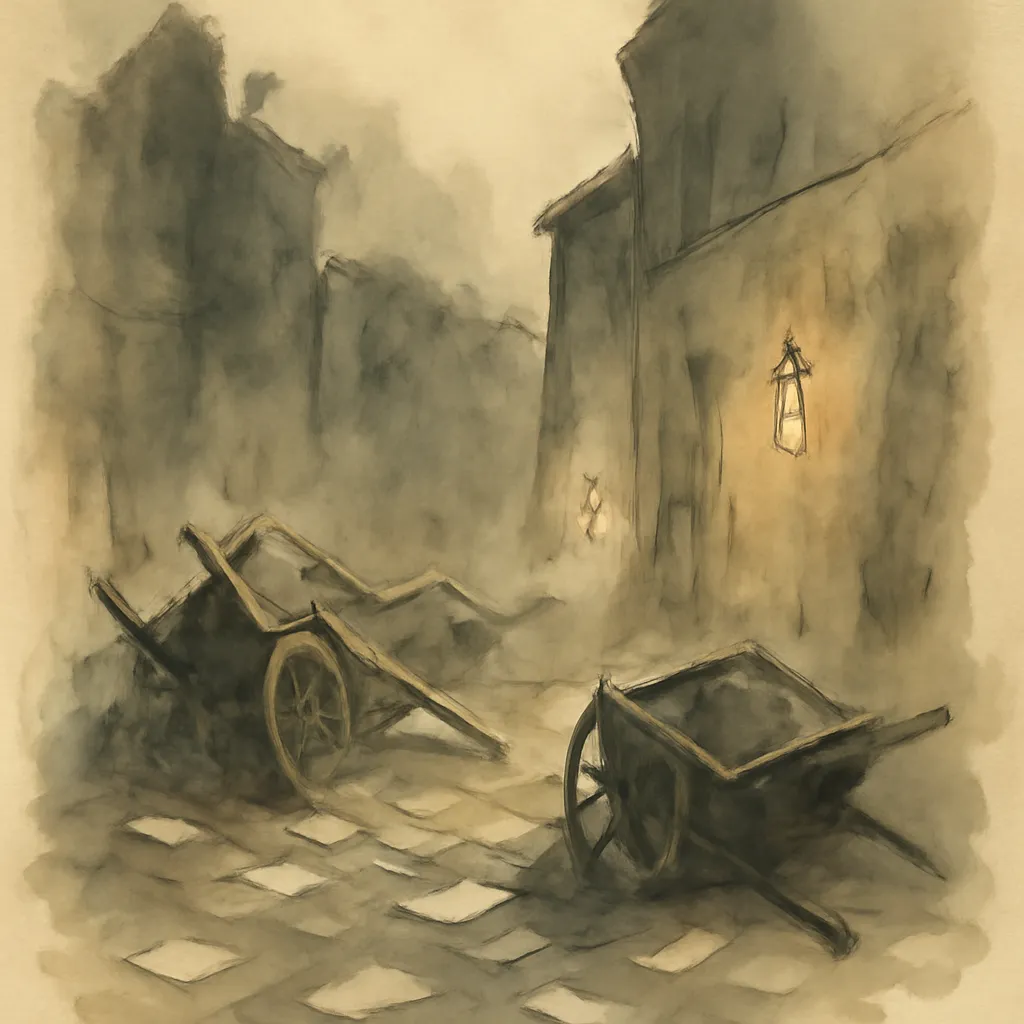
During the crisis period of a revolution, societies often experience significant instability, marked by chaos and uncertainty. Brinton notes that this tumultuous environment can create fertile ground for radical ideas and new leaders to emerge. The French Revolution's Reign of Terror epitomizes this idea, as the revolutionary government sought to eliminate perceived enemies of the state amidst widespread fear. During this time, the Committee of Public Safety implemented drastic measures, leading to thousands of executions, including those of former allies. This environment created opportunities for leaders like Robespierre to consolidate power, often at the expense of the revolutionary ideals of liberty and equality. Brinton argues that while the crisis period can usher in transformative changes, it also poses the risk of violence and tyranny. The rise of radical factions during this period can lead to internal conflicts, resulting in purges and the alienation of moderate voices. This duality of opportunity and risk is crucial for understanding the complex dynamics of revolutionary movements and warning of the potential betrayal of revolutionary ideals.
5.Revolutionary Leadership: A Mixed Bag

Brinton delves into the characteristics of revolutionary leaders, emphasizing that they often possess a unique blend of charisma, vision, and opportunism. Many leaders emerge from the revolutionary chaos, navigating the tumultuous political landscape to gain power. Cromwell, for instance, adeptly capitalized on the civil unrest during the English Revolution, ultimately establishing himself as Lord Protector after executing King Charles I. However, Brinton cautions that such leaders can exhibit authoritarian tendencies that undermine the democratic ideals they initially championed. The rise of figures like Stalin in the aftermath of the Russian Revolution demonstrates how revolutionary leaders can prioritize personal power over the original goals of the movement, leading to a betrayal of the very principles that fueled the revolution. The interplay between visionary leadership and authoritarianism highlights the precarious nature of revolutionary power dynamics, where the original revolutionary fervor can be subsumed by the pursuit of control. This exploration of leadership underscores the complex and often contradictory nature of those who lead revolutions, inviting readers to consider the broader implications of leadership styles in times of upheaval.
6.The Aftermath: Establishing New Orders

After the immediate turmoil of a revolution subsides, societies face the formidable task of establishing new political orders. Brinton discusses how the outcomes of revolutions can vary widely, with some leading to the establishment of democratic institutions while others descend into authoritarian regimes. The American Revolution, for example, resulted in the creation of a constitutional republic, largely due to the founders' commitment to Enlightenment principles and political pluralism. The establishment of checks and balances, along with the Bill of Rights, reflects a successful transition from revolution to stable governance. In contrast, the Russian Revolution ultimately resulted in the rise of a totalitarian state, where dissent was ruthlessly suppressed and individual freedoms curtailed under Stalin. This divergence illustrates that the success of a revolution is not solely determined by its initial intentions but also by the ability of its leaders and citizens to navigate the complexities of post-revolutionary governance. Brinton's analysis serves as a reminder that the legacies of revolutions can significantly shape the political landscape for generations, as societies grapple with the consequences of their revolutionary past.
7.The Influence of External Factors

Brinton highlights the significant impact of external factors on the course of revolutions, including international relations and economic conditions. The American Revolution was significantly influenced by the geopolitical landscape of the time, particularly the rivalry between Britain and France, which ultimately provided crucial support to the American colonies. French assistance in the form of military aid and financial support played a pivotal role in the colonies' victory against British forces. Similarly, the French Revolution was affected by wars against various European monarchies that sought to quash revolutionary fervor in France, leading to a cycle of conflict that would last over a decade. This illustrates how external pressures can exacerbate internal tensions, shaping revolutionary strategies and outcomes. Furthermore, economic conditions, such as food shortages and financial crises, often serve as catalysts for revolutionary movements. In France, widespread famine in the years leading up to the Revolution contributed to public unrest and disillusionment with the monarchy. Recognizing the interplay between domestic and international dynamics is essential for a comprehensive understanding of the factors that drive revolutions, as the context in which a revolution occurs can significantly alter its trajectory.
8.The Legacy of Revolutions
The aftermath of revolutions can leave profound legacies that shape future societies. Brinton discusses how the ideals and outcomes of revolutions often resonate through history, influencing subsequent political movements and social reforms. The principles of liberty and equality espoused during the American and French revolutions have inspired countless movements worldwide, from independence struggles in colonized nations to civil rights movements advocating for social justice. For instance, the civil rights movement in the United States drew heavily on the rhetoric of freedom and equality articulated during the American Revolution. However, these legacies can also be contentious, as differing interpretations of revolutionary ideals can lead to conflict and division. The complex legacy of the Russian Revolution continues to be debated, with varying perspectives on its impact on global communism and authoritarian regimes. Brinton’s examination of these legacies emphasizes the importance of understanding historical context in shaping contemporary political landscapes, reminding us that revolutions are not isolated events but rather part of an ongoing dialogue about justice and governance.
9.Revolution as a Cyclical Process

Brinton suggests that revolutions can be viewed as part of a cyclical process in which societies oscillate between periods of stability and upheaval. This cyclical nature reflects the inherent tensions within social systems, where unresolved grievances and power imbalances can eventually lead to revolutionary movements. Brinton notes that revolutions often emerge during times when the existing social order fails to meet the needs and aspirations of the populace. The recurrence of revolutions throughout history serves as a reminder that the quest for social justice and political change is an ongoing struggle. The patterns observed in past revolutions, such as the English Civil War, the American Revolution, the French Revolution, and the Russian Revolution, suggest that societies must remain vigilant in addressing grievances to mitigate the potential for future upheaval. By recognizing this cyclical pattern, societies can better prepare for and respond to challenges, fostering resilience amidst the potential for upheaval. This perspective invites readers to consider how historical revolutions inform contemporary movements for change, highlighting the ongoing relevance of Brinton’s insights in today’s political climate.