1.The Joy of Dance
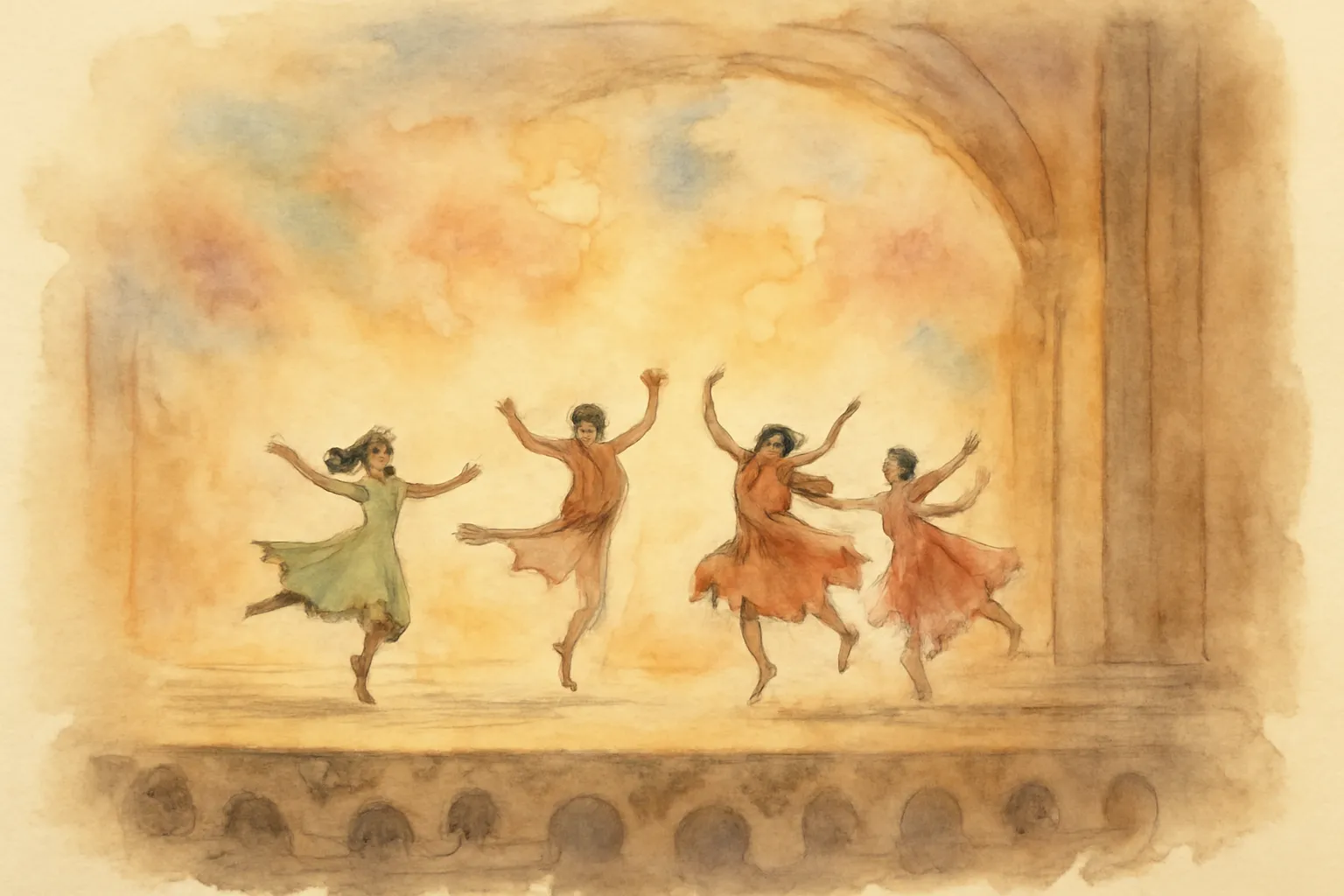
At the heart of stage dancing lies an undeniable joy that resonates with both performers and audiences. Wayburn emphasizes that dance is not merely a series of movements; it is an expression of life and emotion. The joy derived from dance can uplift spirits and create a sense of connection among people. When audiences witness a dancer’s passion and dedication on stage, they are often moved to laughter or tears, highlighting the powerful emotional language of dance. Wayburn shares anecdotes from his performances that illustrate how a simple dance can evoke a profound response, transforming a moment into a shared experience of joy. This emotional resonance is what makes dance a unique form of artistic expression, capable of transcending barriers and bringing people together.
2.The Importance of Rehearsal
Wayburn underscores the significance of rehearsal in perfecting the art of dance. He details how each rehearsal serves as a building block towards a successful performance, allowing dancers to refine their skills and synchronize with others in the troupe. The rehearsal process is not just about memorizing steps; it is about cultivating a shared understanding and chemistry among performers. Wayburn describes the intricacies of group rehearsals, where timing, spacing, and emotional expression must align perfectly. This collaborative effort is crucial, as it ensures that every dancer is attuned to the rhythm and energy of the performance. He recounts how the most memorable dances emerge from intensive rehearsals where dancers push their limits, suggesting that behind every seamless show lies countless hours of hard work, dedication, and the willingness to embrace vulnerability.
3.The Role of the Manager
The relationship between the manager and the actor is pivotal in the world of stage dancing. Wayburn discusses the responsibilities of the manager, who must ensure that the logistical and financial aspects of the production are handled efficiently. This includes managing contracts, rehearsal schedules, and any potential disputes that may arise. Wayburn illustrates through various instances how a supportive manager can make a significant difference in a dancer's experience. By establishing clear communication and a respectful environment, managers can help nurture creativity and alleviate stress, allowing performers to focus on their craft. By highlighting the manager's role, Wayburn emphasizes the importance of strong leadership in the arts, noting that a good manager not only supports the performers but also creates an environment where creativity can flourish, allowing the art of dance to shine brightly on stage.
4.Contracts and Professionalism
Understanding contracts is essential for both actors and managers in the theatrical world. Wayburn provides detailed insights into the various components of contracts, emphasizing the importance of professionalism in the industry. He breaks down the nuances of contract negotiations, illustrating how clear terms can protect the rights of actors while also ensuring that managers can operate effectively. By demystifying this aspect of the performing arts, Wayburn encourages dancers to advocate for themselves and understand the terms of their employment. He provides practical examples of how contracts can cover various scenarios, such as loss of property, illness, and performance cancellations. This knowledge empowers performers to navigate the complexities of their careers with confidence and clarity, and Wayburn argues that a well-informed artist is better equipped to face the challenges of the industry.
5.The Value of Collaboration
Collaboration is a cornerstone of successful stage dancing, and Wayburn emphasizes its importance throughout the book. He illustrates how dancers, choreographers, and managers must work together harmoniously to create a cohesive production. The process involves sharing ideas, giving constructive feedback, and creating an environment where everyone feels valued. Wayburn recounts personal experiences where collaborative efforts led to innovative choreography and memorable performances. This collaborative spirit fosters creativity and innovation, allowing for the emergence of unique dance styles and performances. He reminds readers that the arts thrive in an environment where individuals contribute their talents and perspectives, ultimately enriching the collective experience for both performers and audiences. The synergy created through collaboration is what can elevate a performance from ordinary to extraordinary.
6.The Evolution of Dance Styles

Dance is a living art form that evolves over time, influenced by cultural shifts and societal changes. Wayburn takes readers through the evolution of various dance styles, showcasing how they reflect the zeitgeist of different eras. He discusses the transition from classical ballet to more contemporary forms, analyzing how societal values and events influence the themes and techniques of dance. Wayburn notes that understanding these historical contexts can deepen one’s appreciation for the art of dance. By exploring the roots of contemporary dance styles, readers can better understand the influences that shape today’s performances. He provides specific examples of dances that were revolutionary in their time, such as the Charleston and the Twist, illustrating how each dance is a response to its cultural moment. Wayburn’s examination of dance history serves as a reminder that each performance is part of a larger narrative that connects past, present, and future.
7.The Audience's Role
The audience plays a crucial role in the world of stage dancing, as their reactions and engagement can significantly impact a performance. Wayburn highlights the symbiotic relationship between dancers and spectators, noting that the energy of the audience can elevate the performance to new heights. When an audience responds with enthusiasm, it fuels the dancers' energy and passion, creating a dynamic exchange that enhances the overall experience. He elaborates on how a dancer can sense the mood in the room and adjust their performance to amplify the shared excitement. This interaction is what makes live performances unique and irreplaceable, as each show is shaped by the collective energy present in the room. Wayburn argues that audiences should be seen not just as passive observers but as active participants in the theatrical experience, capable of influencing the outcome of a performance.
8.The Art of Storytelling Through Dance
Dance is inherently a form of storytelling, and Wayburn emphasizes how movements can convey complex narratives without the need for words. He illustrates how choreographers craft dances that evoke emotions and tell stories through the use of body language, rhythm, and expression. By breaking down the elements of storytelling in dance, Wayburn encourages dancers to think of themselves as storytellers. He discusses the importance of character development within a dance, where each movement should reflect the emotions and intentions of the character portrayed. This perspective enriches their performances, allowing them to connect more deeply with audiences and communicate powerful messages through their art. Wayburn also provides examples of renowned dance pieces that successfully tell a story, emphasizing the universality of this form of expression and its ability to resonate with diverse audiences.
9.The Business of Dance
Wayburn addresses the commercial aspect of dance, discussing how it intersects with artistry. He acknowledges that while passion drives performers, understanding the business side of dance is essential for longevity in the profession. This includes marketing oneself, managing finances, and navigating the competitive landscape of the performing arts. Wayburn provides practical advice on these topics, including how to create a personal brand and leverage networking opportunities. He shares insights on the importance of adaptability in an ever-changing industry, encouraging dancers to remain open to new styles and opportunities. By providing this knowledge, Wayburn empowers dancers to take control of their careers and make informed decisions that align with their artistic goals. This balance of artistry and business acumen is vital for success in the dance industry, as it allows performers to thrive both creatively and financially.
10.Embracing Challenges in Dance
The journey of a dancer is often fraught with challenges, from physical demands to emotional hurdles. Wayburn candidly discusses these obstacles, emphasizing that resilience and determination are key to overcoming them. He shares personal anecdotes that illustrate how he faced adversity and emerged stronger, encouraging readers to embrace their own challenges with a positive mindset. Wayburn emphasizes that every dancer will experience setbacks, whether it be an injury, rejection, or a poor performance. He advocates for a growth mindset, where challenges are seen as opportunities for learning and improvement. This message of perseverance resonates deeply, reminding dancers that setbacks are a natural part of the artistic journey and can ultimately lead to growth and transformation. Wayburn encourages readers to reflect on their own struggles and find strength in their passion for dance.
11.The Legacy of Dance
Wayburn reflects on the legacy of dance, considering its impact on culture and society. He notes that dance has the power to inspire change and provoke thought, serving as a vehicle for social commentary and expression. The art form’s ability to unite people across different backgrounds and experiences is a testament to its enduring relevance. He discusses how dance has been used as a form of protest and a way to bring attention to social issues, underscoring its importance as a medium for storytelling and expression. By encouraging readers to consider their own role in this legacy, Wayburn inspires a sense of responsibility to honor and advance the art of dance for future generations. He emphasizes that dance is not just a performance but a living art that connects us all, reminding us of our shared humanity and the power of artistic expression to foster understanding and empathy.