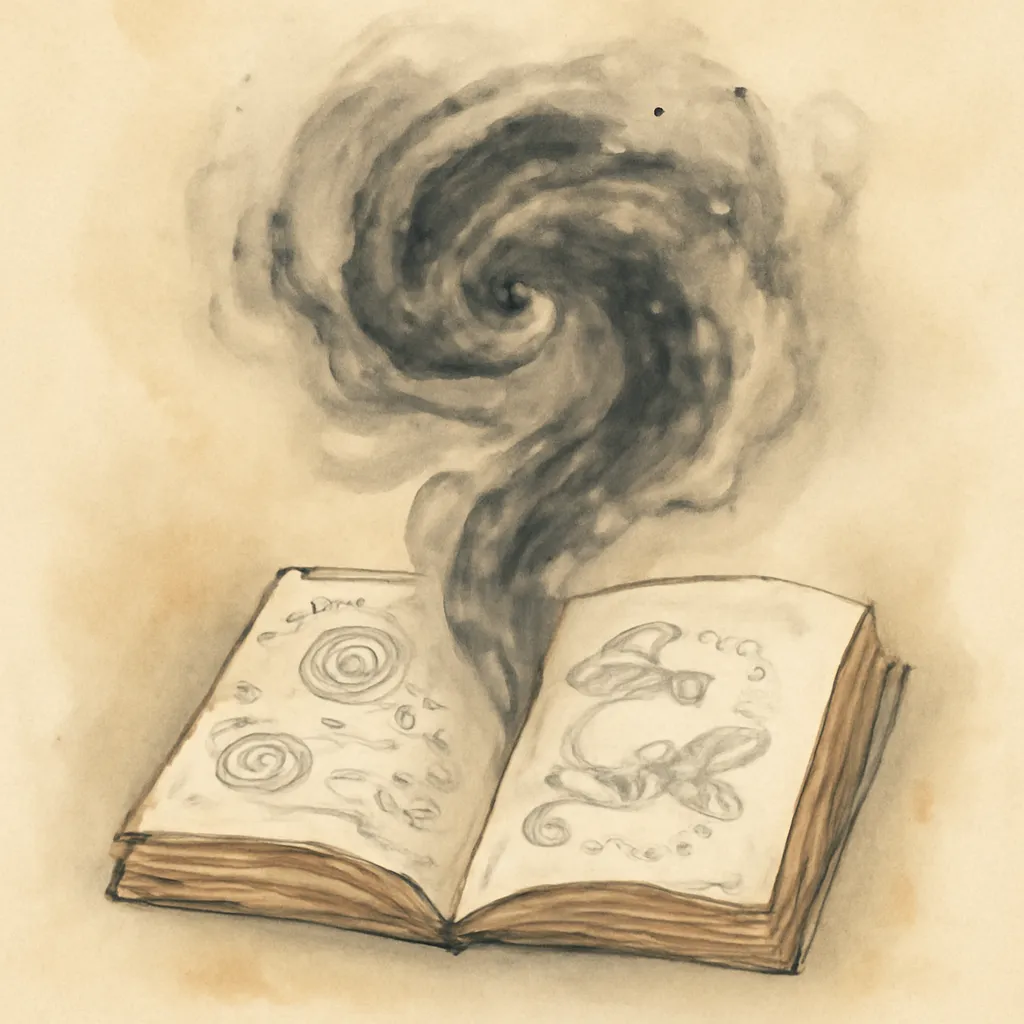
1.The Price of Knowledge
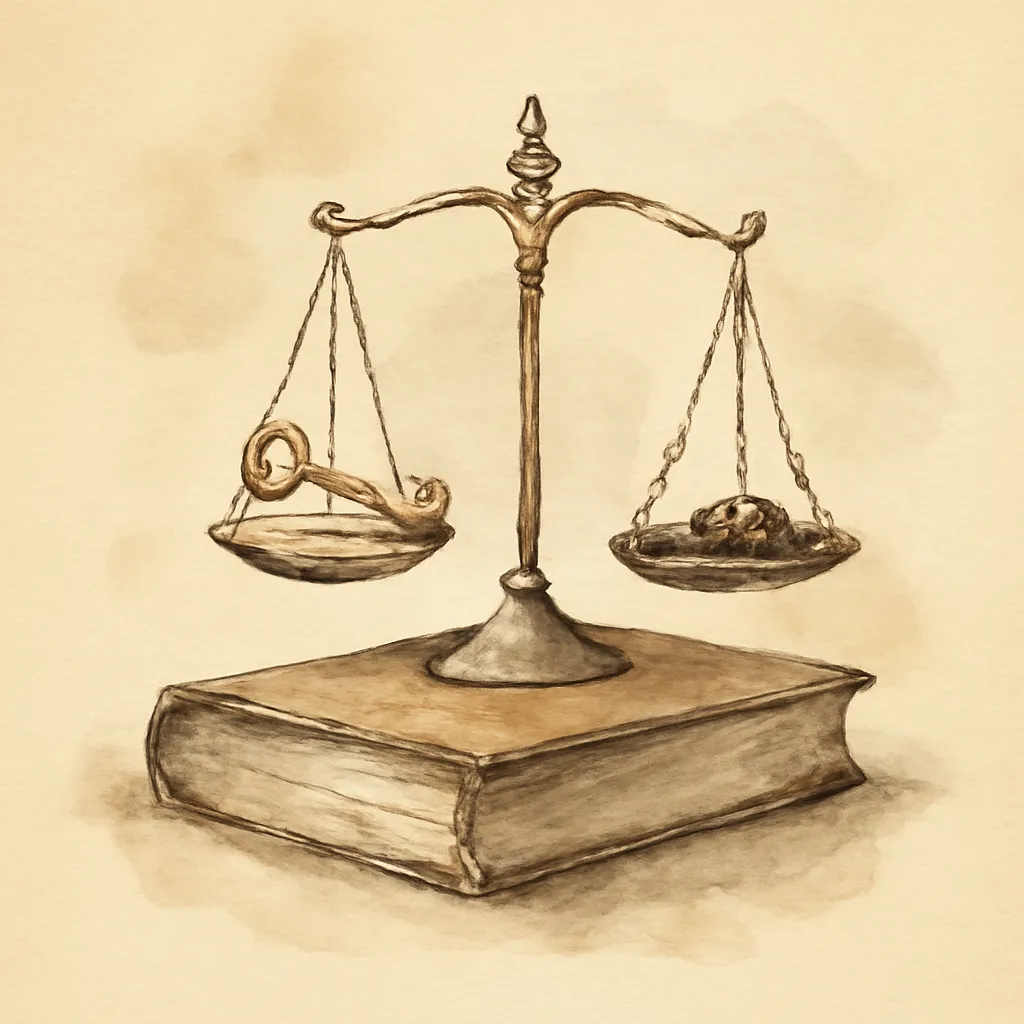
At its core, The Atlas Six interrogates the value and cost of knowledge. The Alexandrian Society offers its initiates access to the world’s deepest secrets, but this privilege comes with perilous strings attached. The novel probes what individuals are willing to sacrifice—morally, emotionally, even physically—for the promise of enlightenment and power. The competition among the six candidates becomes a metaphor for the real-world pursuit of elite status, questioning whether true wisdom can exist without ethical compromise.
2.Morality in Ambiguity
Blake’s characters are not clear-cut heroes or villains; each is deeply flawed, ambitious, and self-interested. The story thrives in moral gray areas, as alliances shift and betrayals loom. Readers are challenged to empathize with characters whose decisions are often questionable, raising questions about what it means to be 'good' in a system built on secrecy and exclusion.
3.Power Dynamics and Manipulation
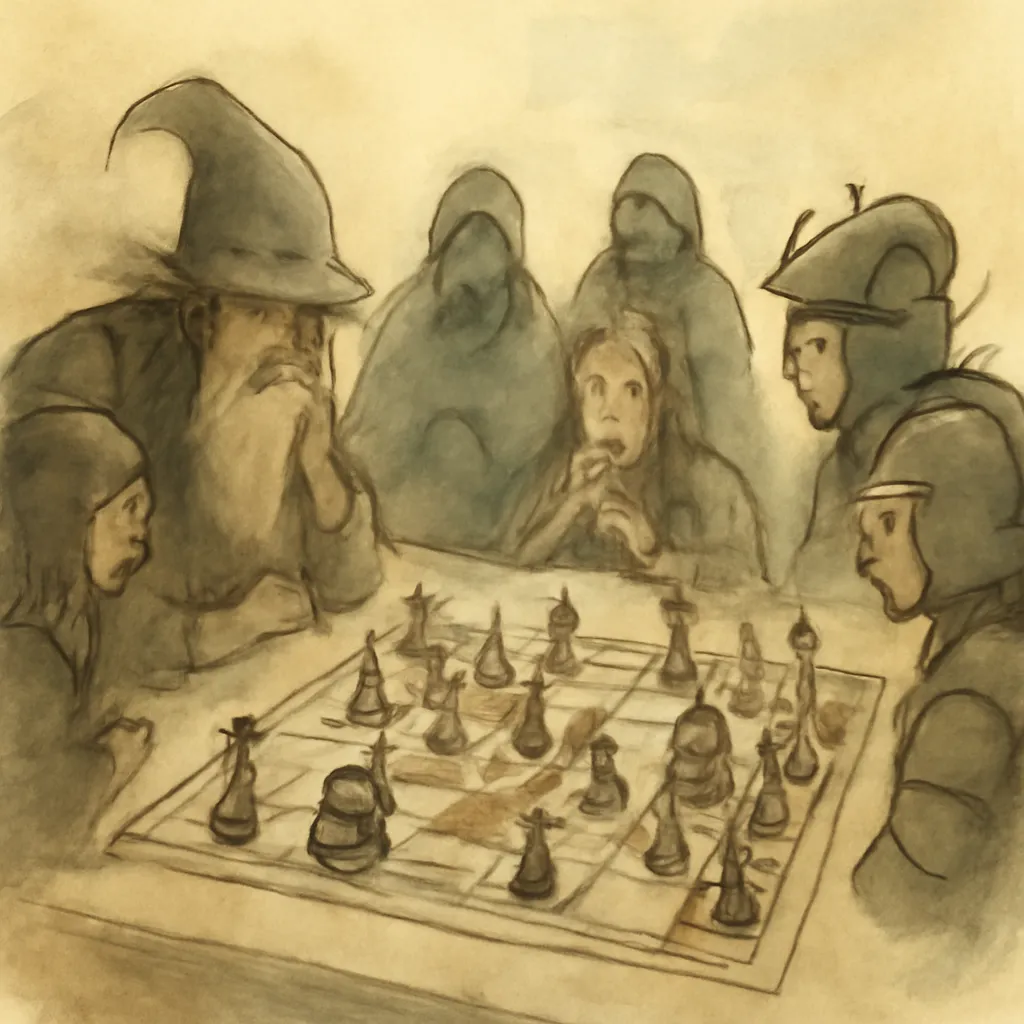
The Atlas Six is a study in power—not just magical, but psychological and social. Characters wield influence through their abilities and their intellect, but also through manipulation, seduction, and intimidation. The interplay between the six initiates reveals how power can corrupt, isolate, or bind people together, and how easily it can be abused in the pursuit of personal goals.
4.Identity and Self-Discovery
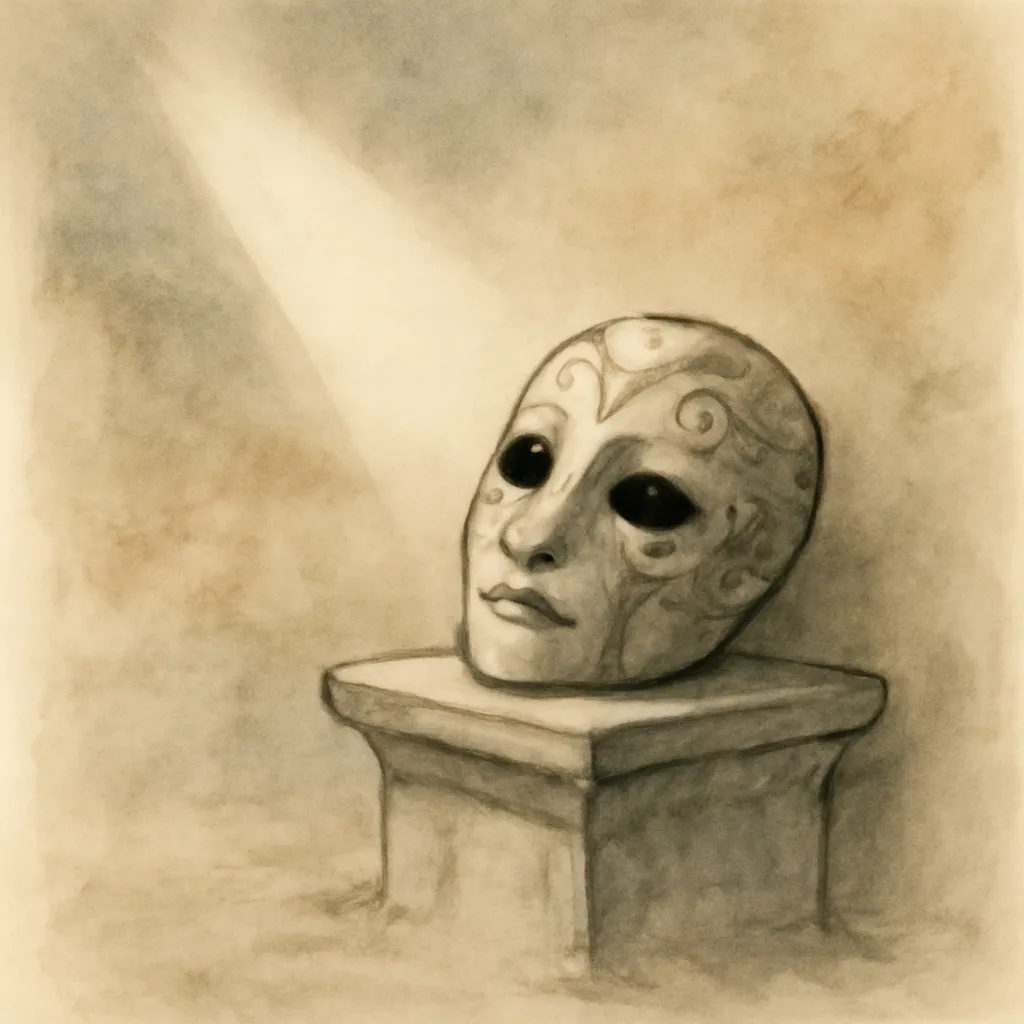
Each candidate enters the Society with their own baggage, insecurities, and hidden motives. The intense, isolating environment forces them to confront not only each other but themselves. Through their trials, the characters grapple with questions of self-worth, authenticity, and the masks they wear to survive—making their journeys as much about internal transformation as external achievement.
5.The Allure and Danger of Secret Societies
Blake taps into the enduring appeal of secret societies: the promise of belonging, forbidden knowledge, and elite power. Yet, the novel also exposes the darker side of such exclusivity, including manipulation, surveillance, and the erasure of individuality. The Alexandrian Society is both a dream and a nightmare, reflecting real-world anxieties about institutions that hoard knowledge and gatekeep opportunity.
6.Science, Magic, and the Nature of Reality
The book blurs the boundaries between science and magic, treating both as systems for understanding and shaping reality. The characters’ magical abilities are explored with almost scientific rigor, and the narrative is laced with philosophical discussions about the nature of truth, perception, and the limits of human understanding. This intellectual approach sets The Atlas Six apart from more traditional fantasy fare.