1.The Painful Path to Spirituality

Madame Guyon emphasizes that true spiritual growth often emerges from suffering and trials. She acknowledges that her journey was fraught with hardships, including imprisonment and persecution by the church, which she ultimately viewed as a means to deepen her relationship with God. Guyon articulates that God often dismantles the structures of pride and self-reliance we build, creating space for His presence. This perspective invites readers to reframe their own struggles as opportunities for spiritual refinement rather than mere obstacles. She states, 'He destroys that He might build; for when He is about to rear His sacred temple in us, He first totally razes that vain and pompous edifice, which human art and power had erected.' Thus, she encourages embracing pain as a necessary companion on the path to holiness, illustrating that the process of spiritual awakening can often feel like a series of painful losses, yet each loss can lead to greater intimacy with God.
2.Childhood Influences and Early Spiritual Awakening
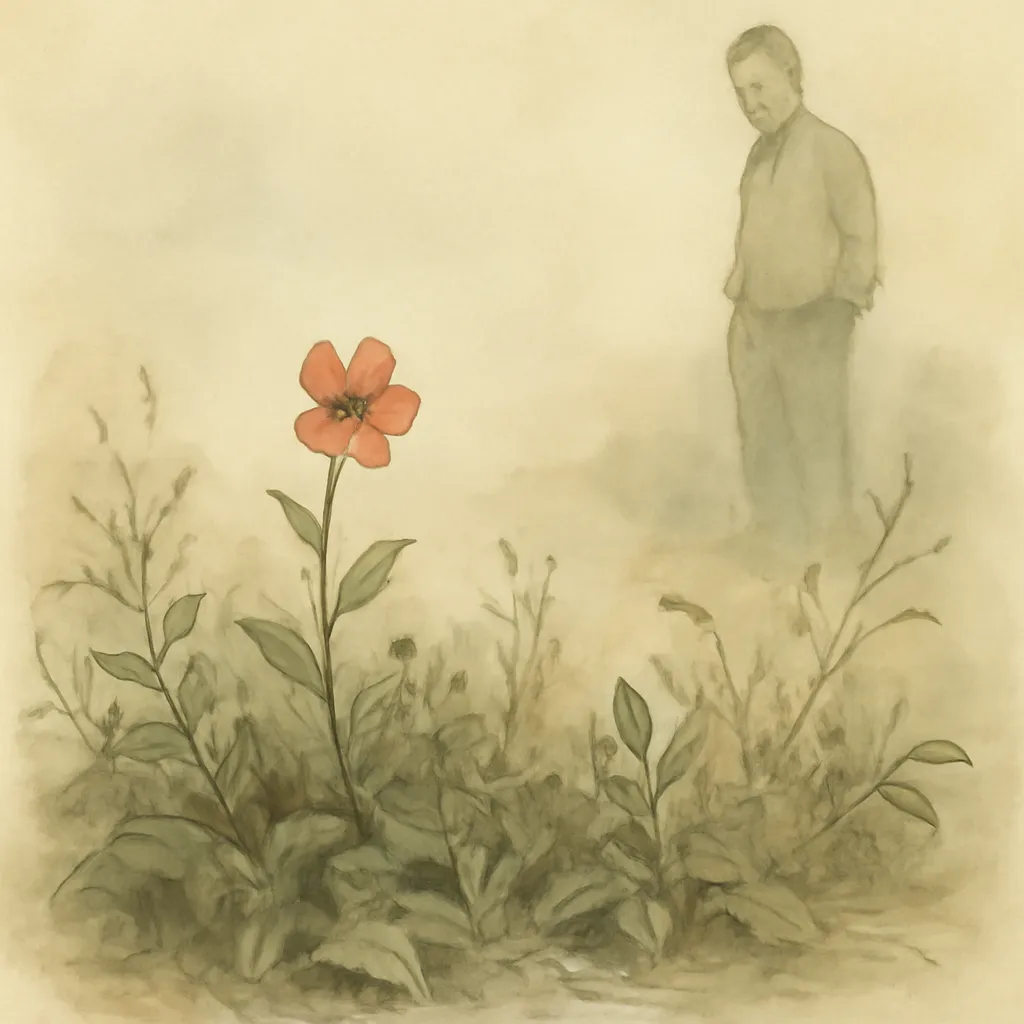
Guyon's early life is marked by a mix of neglect and divine providence. Born into a pious family, her father’s devotion provided a spiritual foundation, yet her mother’s indifference left her largely to the care of servants. This lack of maternal attention could have led to a sense of abandonment, but instead, it fostered a reliance on divine guidance. She recalls, 'I loved to hear God spoken of, to be at church, and to be dressed in a religious garb.' This early inclination towards spirituality showcases how even in the midst of neglect, God’s presence can be felt. Her experiences at the convent further shaped her spiritual development, as she encountered figures of piety who nurtured her innate qualities. This blend of neglect and guidance illustrates the complex ways in which spiritual awakening can occur, often in unexpected circumstances. Guyon’s formative years serve as a reminder that the seeds of faith can be sown even in the most challenging environments, shaping her understanding of God as a constant and loving presence.
3.The Struggle with Vanity and Self-Image

Throughout her life, Guyon wrestles with vanity and the societal pressures surrounding beauty and status. As she navigates her youth, she becomes aware of her desirability and the attention it garners, which feeds her pride. She reflects on how vanity often leads to a disconnection from God, stating, 'I could not hear a beautiful woman praised, without finding fault, to lessen the good which was said of her.' This internal conflict illustrates the universal struggle between spiritual integrity and worldly allure. By acknowledging her vanity, Guyon provides a candid look at how societal expectations can distort one’s relationship with self and God. Ultimately, she learns that true worth lies not in external validation but in the depth of one’s relationship with the divine, a lesson that resonates with anyone grappling with self-identity in a superficial world. Guyon's journey showcases the importance of recognizing and confronting our weaknesses, revealing that humility and self-awareness are essential for genuine spiritual growth.
4.The Power of Humility in Relationships
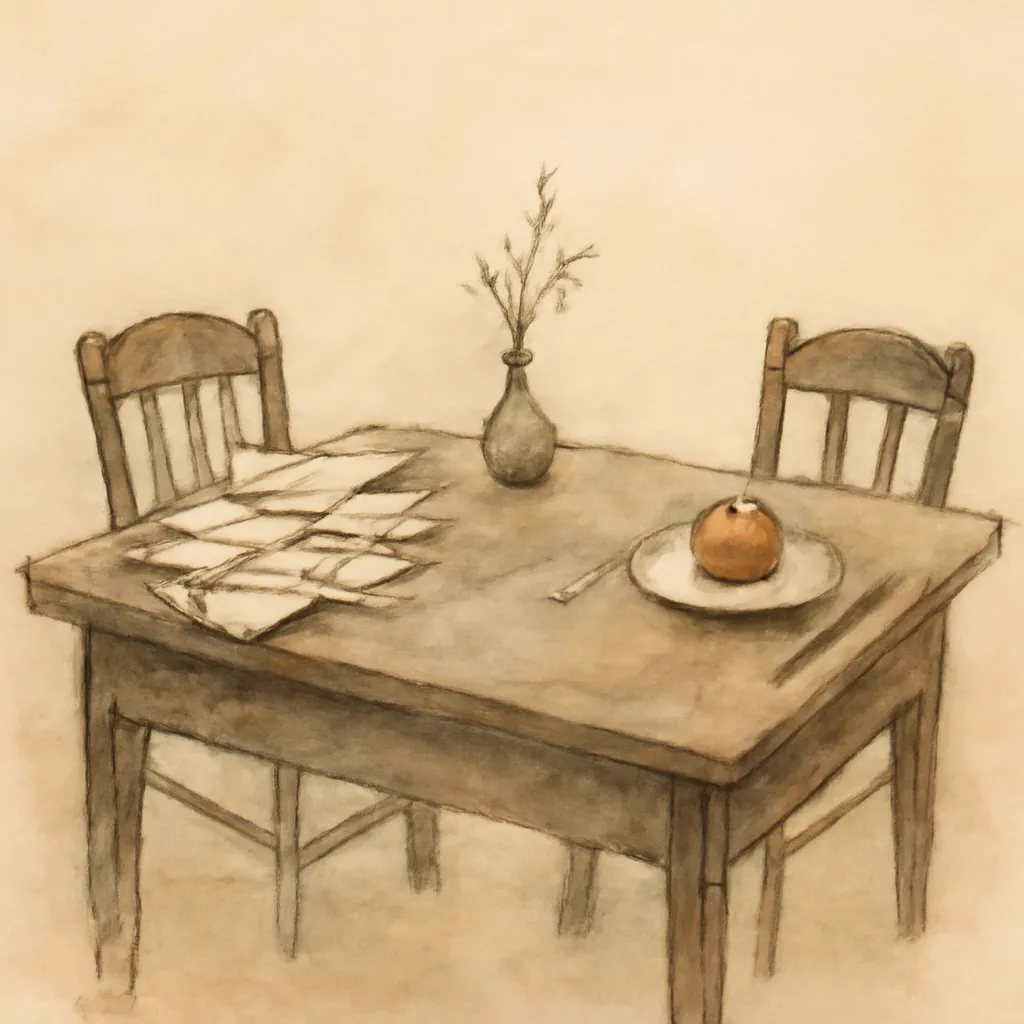
Guyon’s marriage introduces a new realm of trials that test her humility and patience. Her relationship with her husband is fraught with conflict, particularly as his health deteriorates and his anger towards her increases. Yet, instead of retaliating, she chooses to respond with compassion and humility, saying, 'I bore all with patience, endeavoring, as well as I could, to do my duty.' This commitment to humility in the face of adversity becomes a powerful testament to her faith. She demonstrates that true strength lies not in asserting oneself but in embracing a posture of servitude and love. By enduring her husband’s harshness with grace, she exemplifies the Christian ideal of loving one’s enemies and highlights the transformative power of humility in healing fractured relationships. This perspective offers valuable insights into navigating difficult relationships, suggesting that humility and love can foster understanding and reconciliation, even in the most trying circumstances.
5.Embracing the Cross: A Path to Deeper Love
Guyon’s writings reveal a profound understanding of the necessity of suffering in the spiritual life. She expresses a longing to embrace the cross, viewing it as a pathway to deepen her love for God. In her reflections, she shares, 'Let me be thy victim! Spare nothing to annihilate me.' This radical acceptance of suffering illustrates a transformative shift in perspective, where pain becomes a means of drawing closer to God. Guyon teaches that through the crucible of suffering, one can experience a purifying love that transcends worldly attachments. Her willingness to suffer for Christ serves as an invitation for readers to reconsider their own relationship with pain and to see it as a potential source of spiritual growth and intimacy with God. By framing suffering as a pathway to love, Guyon encourages a reframing of our understanding of trials, suggesting that they can refine our character and deepen our faith.
6.The Illusion of Spiritual Experiences
In her autobiography, Guyon addresses the potential pitfalls of seeking extraordinary spiritual experiences, such as visions and ecstasies. She warns that these can lead to distraction and vanity if one becomes overly attached to them. She states, 'Visions are in the inferior powers of the soul, and cannot produce true union.' Instead, she advocates for a more profound and silent communion with God that transcends sensory experiences. This perspective challenges contemporary spiritual seekers to focus on cultivating a deep, abiding relationship with God rather than chasing fleeting moments of emotional highs. Guyon’s insights serve as a reminder that the essence of spirituality is not found in sensational experiences but in a quiet, consistent surrender to God’s will. By emphasizing the limitations of spiritual experiences, she calls for a deeper engagement with the divine that is rooted in humility and devotion.
7.The Role of Community and Spiritual Guidance
Guyon reflects on the importance of community and spiritual mentorship in her journey. Throughout her life, she encounters various spiritual guides who influence her understanding of faith and devotion. Her relationship with figures like Father de la Motte and Father La Combe highlights the value of seeking wise counsel and support in the spiritual life. She states, 'The Giver alone must be our object, and aim.' This underscores the need for spiritual companions who can help direct one’s focus back to God amidst the distractions of life. Guyon’s experiences remind readers that while individual faith is essential, the communal aspect of spirituality can provide strength, encouragement, and accountability on the journey towards holiness. Her narrative illustrates the significance of surrounding oneself with individuals who foster spiritual growth, emphasizing that community can serve as both a refuge and a source of inspiration.
8.The Transformative Power of Prayer
Central to Guyon’s spiritual life is her commitment to prayer, which evolves throughout her journey. Initially, her prayers are vocal and structured, but as she grows in intimacy with God, they transform into a more profound, silent communion. She describes a state where she 'could neither open my eyes, nor hear anything' during prayer, indicating a deep absorption in God’s presence. This evolution of prayer reflects the journey from a transactional approach to a relational one, where prayer becomes less about asking for things and more about simply being with God. Guyon’s insights encourage readers to explore their own prayer practices, inviting them to move beyond rote recitations to a more genuine and heartfelt engagement with the divine. This transformation in her prayer life exemplifies the power of spiritual maturity and the potential for prayer to become a means of experiencing God’s love and presence in profound and transformative ways.
9.The Importance of Surrender and Resignation
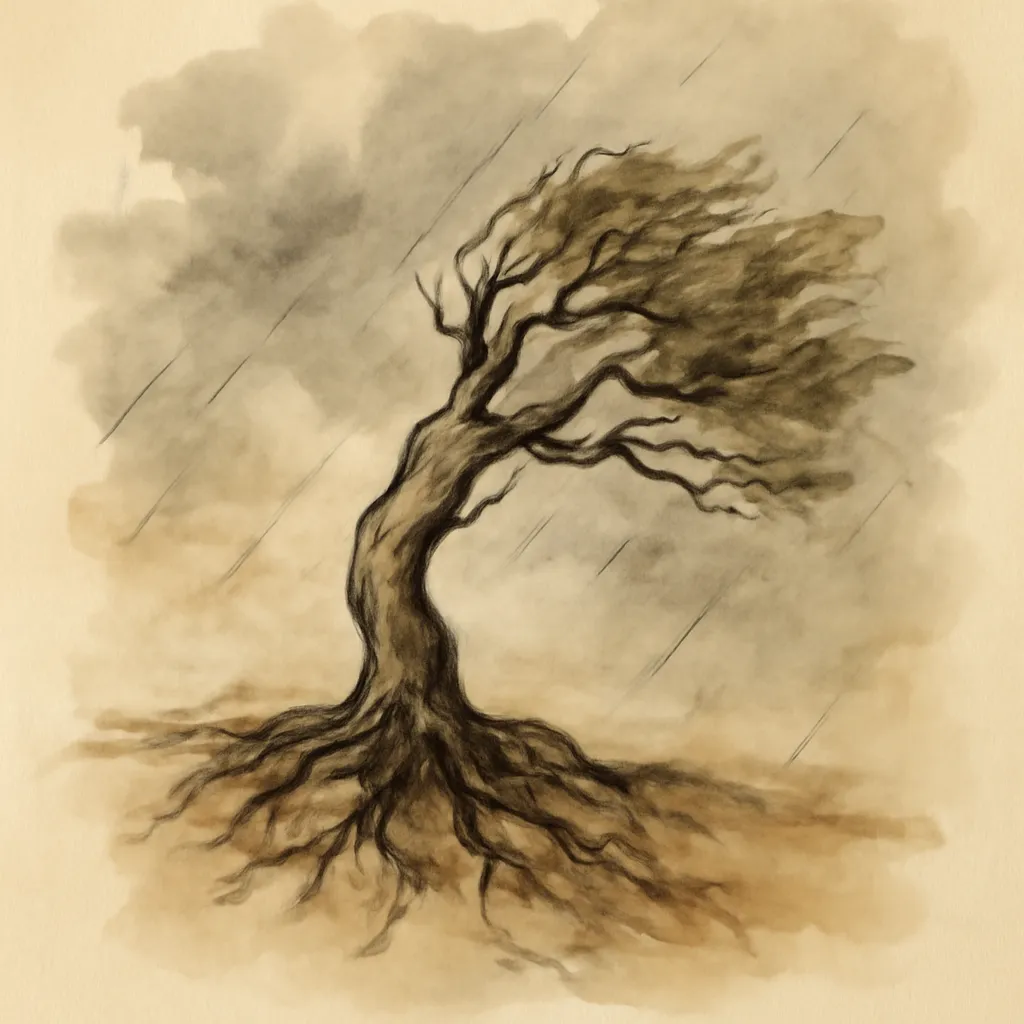
Throughout her life, Guyon emphasizes the significance of surrendering to God’s will, particularly in the face of adversity. She articulates a deep trust in divine providence, stating, 'I waited from moment to moment in an entire resignation, for whatever He should be pleased to ordain.' This attitude of surrender becomes a cornerstone of her spiritual practice, demonstrating that true freedom comes from relinquishing control and trusting in God’s plan. Her life story serves as a powerful reminder that surrender is not a sign of weakness but an act of faith that empowers the believer to navigate life’s uncertainties with grace and peace. Guyon’s insights on surrender challenge readers to examine their own lives, prompting them to consider what they might need to let go of in order to experience a fuller relationship with God. This call to surrender is a central theme that weaves throughout her narrative, emphasizing that true spiritual growth requires a willingness to release our own desires in favor of divine will.
10.Legacy of Love and Divine Influence
Madame Guyon’s life and writings have left an indelible mark on the spiritual landscape, influencing countless individuals in their pursuit of God. Her unwavering commitment to divine love, even amidst persecution, showcases the power of faith to transcend circumstances. She states, 'I seemed to join and partake in all the good that was done in the world,' indicating her belief in the interconnectedness of humanity through divine love. Guyon’s legacy is one of hope, urging future generations to seek God fervently and to trust in His transformative power. Her life serves as an example that love, in its purest form, can withstand trials and inspire others to pursue a deeper relationship with the divine. By reflecting on her legacy, readers are encouraged to consider how their own lives can become conduits of divine love, urging them to carry forward the example of faith, resilience, and surrender that Guyon exemplifies.