1.The Symbolism of the Sea
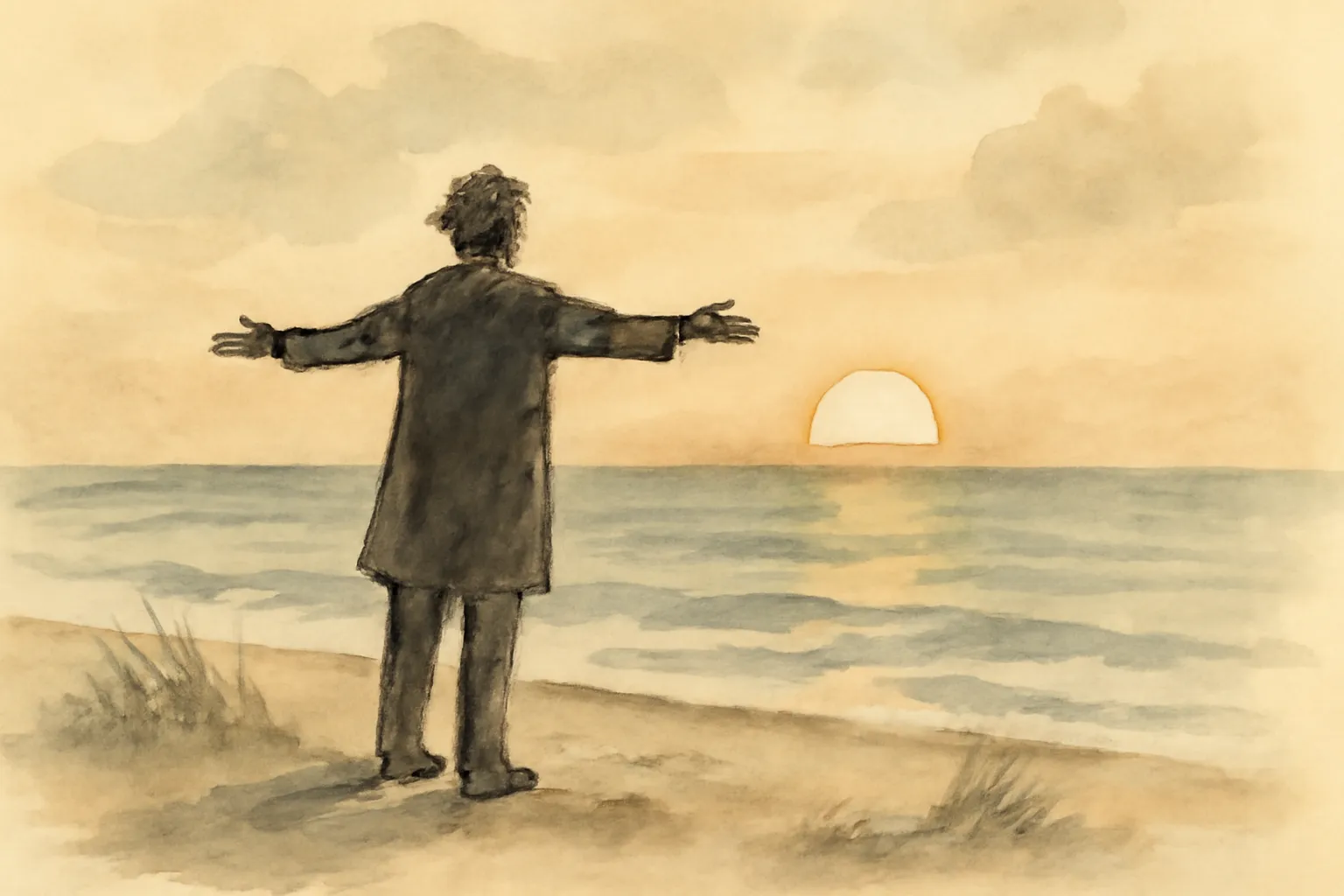
The sea serves as a powerful symbol throughout 'The Awakening', representing freedom, escape, and the depths of Edna's consciousness. It is at the beach where Edna first experiences a sense of liberation, as the waves call to her with a seductive promise of adventure and self-discovery. The moment she learns to swim marks a pivotal turning point; it symbolizes her awakening to her own capabilities and desires. The sea's unpredictable nature reflects Edna's inner turmoil and the societal constraints that threaten to drown her spirit. As she immerses herself in the water, the sea becomes a sanctuary where she can explore her individuality away from the oppressive expectations of motherhood and marriage.
2.Edna's Rejection of Traditional Roles
Edna Pontellier's journey is marked by her growing discontent with the traditional roles of wife and mother. Early in the novel, she embodies the archetype of the 'mother-woman', dedicated to her children and husband, Léonce Pontellier. However, as she becomes more aware of her own desires, Edna begins to reject these roles. Her decision to move out of her husband's house into her own space signifies a radical act of independence. This choice represents not just a physical separation but also a psychological shift towards self-assertion. By distancing herself from the expectations of her domestic life, Edna seeks to define her identity on her own terms, challenging the norms of a patriarchal society that limits women's aspirations.
3.The Influence of Female Relationships
Chopin intricately weaves female relationships into Edna's awakening, showcasing their importance in her journey toward self-discovery. The character of Adèle Ratignolle embodies the societal ideal of femininity, serving as a foil to Edna's burgeoning independence. Adèle's nurturing nature and devotion to her children highlight the traditional expectations placed on women, which Edna increasingly finds suffocating. In contrast, Mademoiselle Reisz represents the possibility of a different kind of womanhood—one that embraces artistic expression and emotional depth. Through her interactions with these women, Edna gains insights into the various paths available to her, ultimately leading her to embrace her own identity as an artist and an individual.
4.Romantic Yearnings and the Pursuit of Desire
Edna's romantic feelings for Robert Lebrun serve as a catalyst for her self-exploration and the awakening of her desires. Initially, Robert's attentions stir in Edna a sense of longing and passion that she has suppressed within her conventional marriage. Their flirtation represents a safe exploration of her emotions, as Robert embodies the freedom and excitement that Edna craves. However, as the narrative unfolds, it becomes clear that her desire for Robert is intertwined with her desire for autonomy. Edna's struggle to balance her romantic inclinations with her quest for self-identity reveals the complexities of love and desire, particularly in a society that often relegates women to the role of passive recipients of male affection.
5.The Constraints of Marriage
The institution of marriage is critically examined in 'The Awakening', revealing its restrictive nature on women's autonomy. Edna's relationship with Léonce Pontellier illustrates the conventional expectations of a husband and wife during the late 19th century, where duty often overshadows emotional connection. Léonce's frustration with Edna's changing demeanor highlights the societal belief that women should be self-sacrificing and devoted solely to their families. As Edna's awakening progresses, her dissatisfaction with her marriage becomes increasingly pronounced, prompting her to question the very foundation of her relationship. This examination of marriage challenges readers to consider the implications of societal norms on personal happiness and fulfillment.
6.The Role of Art and Self-Expression
Art emerges as a crucial theme in Edna's journey, symbolizing her quest for self-expression and identity. Throughout the novel, Edna turns to painting as a means of exploring her innermost thoughts and feelings, providing her with a sense of purpose and individuality. Chopin illustrates how creativity becomes a form of liberation for Edna, enabling her to assert her identity outside the confines of her domestic responsibilities. The artistic community she encounters, particularly through Mademoiselle Reisz, further encourages her to embrace her passion. This emphasis on art as a vehicle for self-discovery underscores the importance of personal expression in the pursuit of autonomy and fulfillment.
7.The Conflict Between Individuality and Societal Expectations
Chopin deftly navigates the tension between individuality and societal expectations, illustrating the struggles faced by women who dare to defy convention. Edna's awakening leads her to challenge the norms that dictate her role as a wife and mother, resulting in a profound internal conflict. She grapples with feelings of guilt and societal judgment as she seeks to carve out her own identity amidst the pressures of conformity. This conflict is poignantly captured in Edna's encounters with her peers, who often view her independence as a threat to the established order. The novel raises important questions about the cost of individuality and the sacrifices required to pursue one's true self in a world that often demands compliance.
8.The Significance of Identity and Selfhood
At its core, 'The Awakening' is a meditation on the nature of identity and selfhood. Edna's journey is one of self-discovery, as she navigates the complexities of her desires, relationships, and societal constraints. Chopin portrays Edna's awakening as both a liberating and isolating experience, emphasizing the duality of self-realization. As Edna becomes more aware of her own identity, she also becomes increasingly alienated from those around her, particularly her family and friends. This exploration of identity raises profound questions about the nature of selfhood and the challenges faced by individuals who seek to live authentically in a world that often imposes rigid definitions of who they should be.
9.The Role of Nature in Edna's Transformation
Nature plays an integral role in Edna's transformation, serving as a backdrop for her awakening and a source of inspiration. The vivid descriptions of the sea, the sun, and the landscape reflect Edna's emotional states and her growing sense of freedom. The natural world becomes a sanctuary where Edna can escape the confines of her domestic life and reconnect with her true self. Chopin uses nature as a metaphor for Edna's inner journey, suggesting that the beauty and wildness of the natural world mirror her own desires for autonomy and self-expression. This connection to nature emphasizes the idea that true fulfillment can be found in embracing one's instincts and passions.
10.The Climactic Conclusion and Its Implications
The conclusion of 'The Awakening' serves as a powerful and ambiguous statement on the themes of self-discovery and the consequences of defiance. Edna's final act of swimming out into the sea symbolizes her ultimate embrace of freedom and individuality, but it also raises questions about the boundaries of that freedom. Chopin leaves readers to grapple with the implications of Edna's choice, suggesting that the pursuit of selfhood may come at a profound cost. This ambiguous ending invites reflection on the complexities of personal liberation, the sacrifices made in the name of autonomy, and the societal structures that continue to shape women's lives. Ultimately, Edna's story serves as a poignant reminder of the struggles faced by those who dare to awaken to their true selves.