1.The Reluctant Hero’s Journey
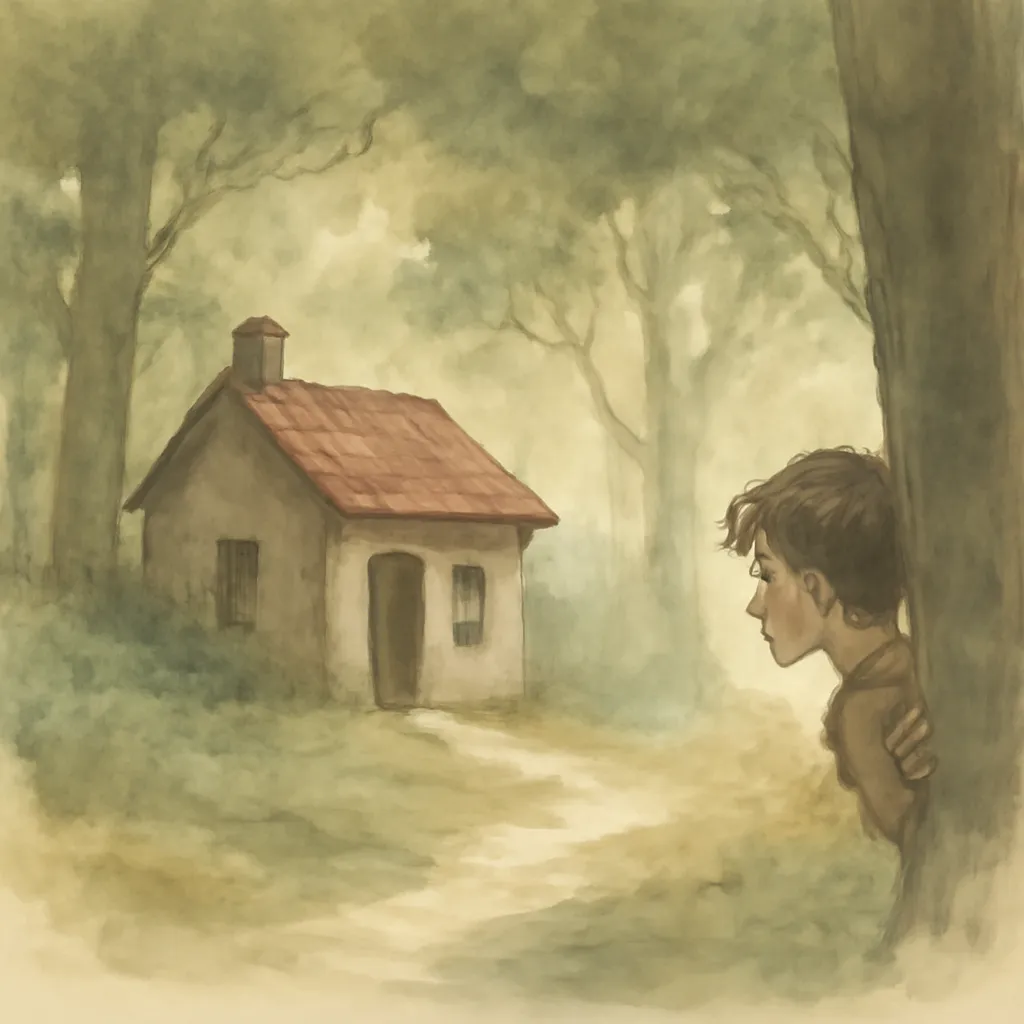
At its core, Pawn of Prophecy is a coming-of-age story following Garion, an unassuming farmboy thrust into a world of ancient prophecies and hidden powers. Eddings uses Garion’s skepticism and innocence to ground the reader, making his gradual awakening to magic and destiny relatable. The narrative draws on the tradition of the reluctant hero, emphasizing growth through adversity and the slow acceptance of responsibility. Garion’s journey is both literal and metaphorical, as he leaves behind childhood ignorance and steps into a larger, more dangerous world.
2.Prophecy as a Living Force
Unlike many fantasies where prophecy is a static prediction, Eddings treats prophecy as an active, almost sentient force shaping events and characters. The book explores questions of fate versus free will, as Garion and his companions are guided by ancient predictions yet struggle with their own choices. This dynamic tension adds depth to the plot, suggesting that destiny is not just a backdrop but a character in its own right.
3.The Power of Found Family
Pawn of Prophecy places strong emphasis on the bonds formed between its core group of characters. Garion’s relationship with Aunt Pol (later revealed as Polgara) and the enigmatic Mister Wolf (Belgarath) forms the emotional heart of the story. The novel highlights how trust, loyalty, and affection can arise among unlikely companions, creating a surrogate family that supports Garion as he faces increasing dangers. This theme resonates with readers who appreciate stories where chosen bonds are as important as blood ties.
4.Good vs. Evil, Nuanced
While the book employs classic good-versus-evil motifs—embodied by the struggle against the dark god Torak—Eddings adds layers of complexity. Not all characters are what they seem, and motivations are often ambiguous. The narrative questions the nature of evil and the costs of power, avoiding simplistic moral binaries. This approach encourages readers to look beyond surface appearances and consider the shades of gray in both individuals and conflicts.
5.World-Building Rooted in Myth
Eddings crafts a world with its own deep history, religions, and cultures, drawing on mythic archetypes but adding distinctive twists. The backstory of gods, kings, and magical artifacts like the Orb of Aldur provides a sense of grandeur and continuity. Yet the storytelling remains accessible, with lore revealed through character interactions and folklore rather than dense exposition. This balance makes the world feel lived-in and inviting rather than overwhelming.
6.Accessible, Character-Driven Prose
Eddings’ writing style is straightforward and often laced with humor, making the book approachable for younger readers or those new to epic fantasy. Dialogue is a particular strength, used to reveal character and lighten the tone even in tense moments. The focus on interpersonal dynamics, rather than just spectacle, ensures that readers become invested in the characters’ fates.