1.Love and Perseverance Against Injustice
At its heart, The Betrothed is the story of Renzo and Lucia, two peasants whose simple wish to marry is thwarted by the powerful Don Rodrigo. Their struggle is emblematic of the powerless facing the whims of the mighty. Manzoni explores how love, when tested by adversity, becomes a force for endurance and moral growth. The couple’s journey is less about romantic idealism and more about the courage to hold onto hope and integrity when the world seems bent on crushing both.
2.History as a Living Force
Manzoni’s novel is famous for weaving personal destinies with the sweep of historical events: famine, war, riots, and plague. The characters are not just passive victims but are shaped by—and sometimes shape—the tumultuous times they live in. The book asks how individuals can act ethically when history itself seems indifferent or hostile, and it invites readers to reflect on the interplay between private lives and public catastrophe.
3.Faith, Providence, and Human Agency
A central theme is the tension between divine providence and human action. Manzoni, a devout Catholic, suggests that while fate and suffering are inescapable, individuals are called to act with compassion and conscience. Characters like Father Cristoforo and Cardinal Borromeo embody the possibility of goodness and redemption, even in a corrupt world. The novel encourages readers to consider how faith can sustain and guide people through suffering, without excusing injustice.
4.Social Critique and the Abuse of Power
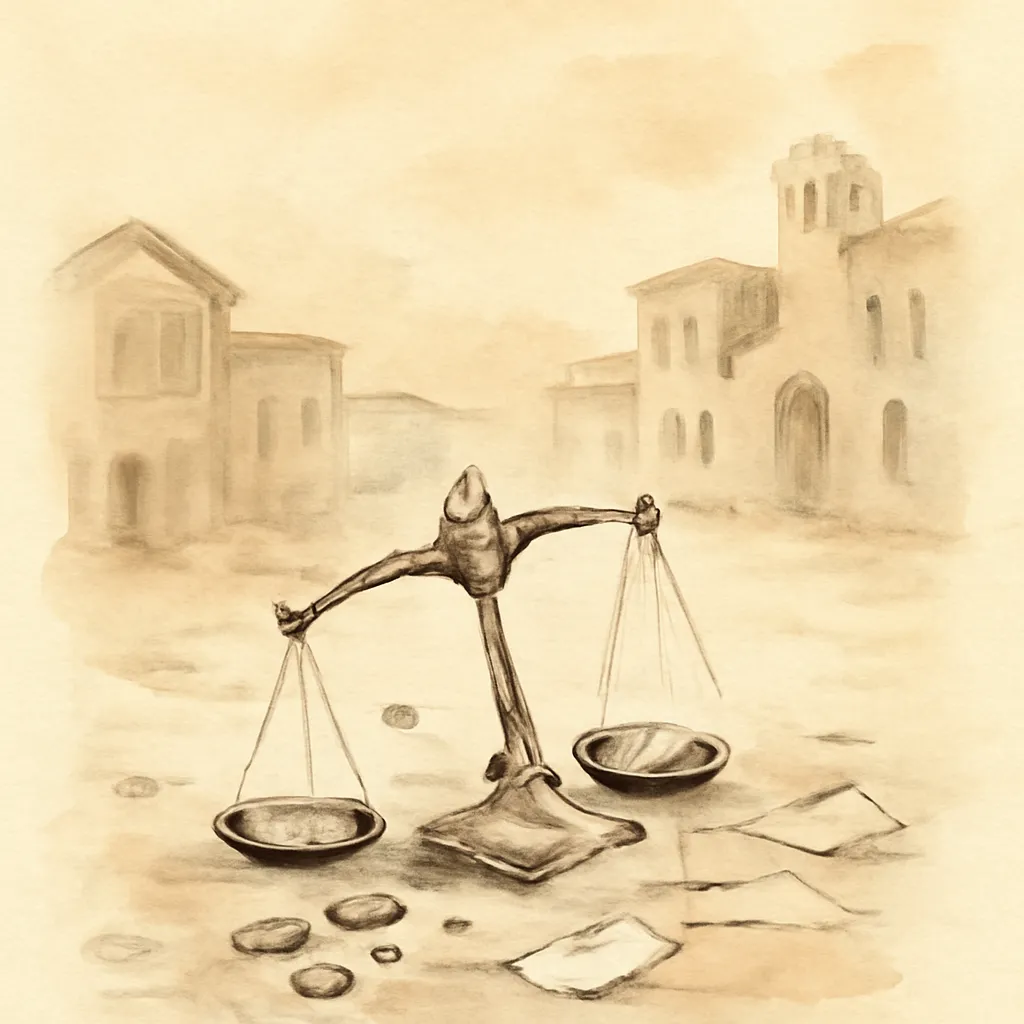
The Betrothed is a sharp critique of social and political structures that enable oppression. Manzoni exposes the failures of local authorities, the corruption of the nobility, and the impotence of the law. Through the lens of Renzo and Lucia’s ordeal, he highlights how the poor are often at the mercy of those who wield power irresponsibly. Yet, the novel also points to the potential for reform and the importance of moral leadership.
5.The Plague as a Test of Character and Society
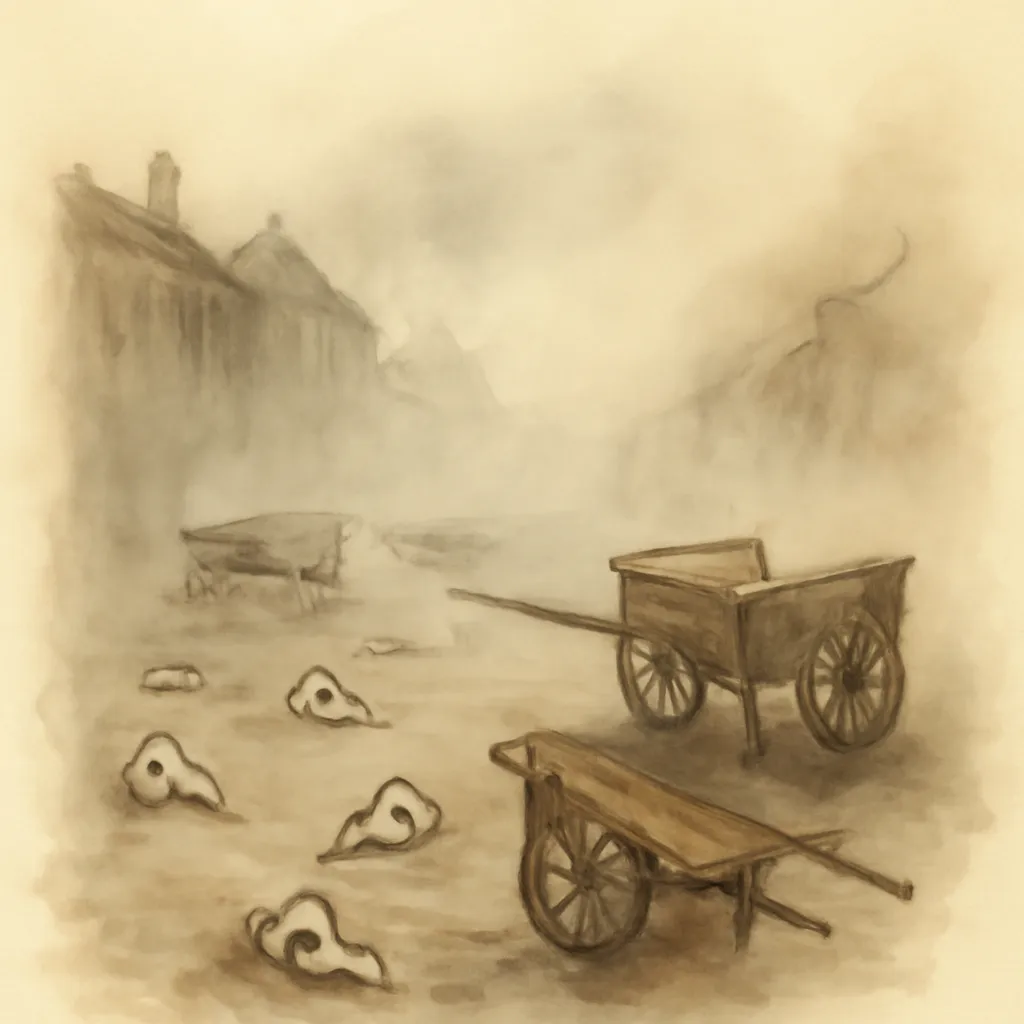
The devastating plague that ravages Milan serves as both a literal and symbolic trial. Manzoni uses it to explore themes of fear, scapegoating, and the breakdown of social order—but also the emergence of compassion and solidarity. The plague becomes a crucible in which both individual and collective character are revealed, forcing readers to confront questions about humanity’s capacity for both cruelty and selflessness in crisis.
6.Language and National Identity
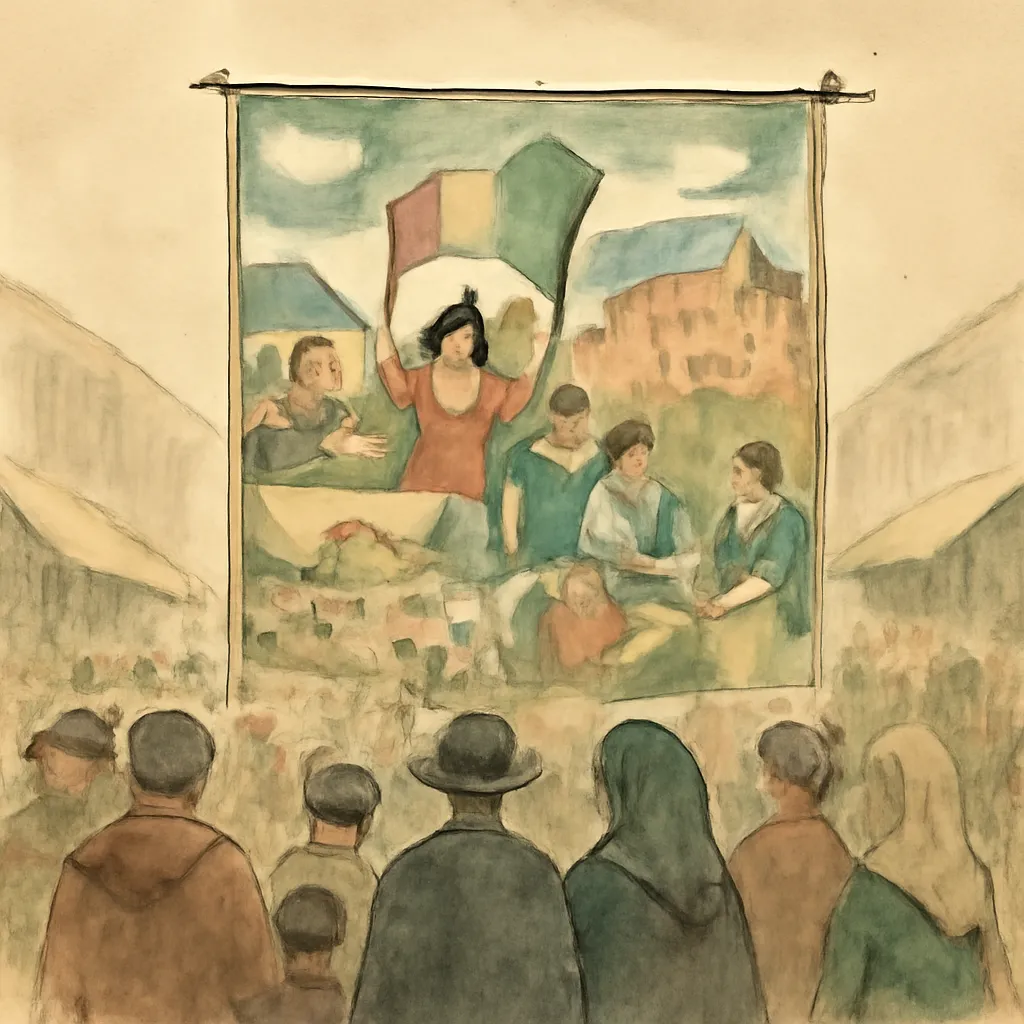
Beyond its plot, The Betrothed is celebrated for its role in shaping modern Italian language and identity. Manzoni’s careful, lucid prose was a deliberate attempt to create a literary Italian accessible to all readers, not just the elite. The novel thus stands as a cultural project, uniting Italians through shared stories and language at a time when the nation itself was still fragmented.