1.The Locked-Room Puzzle
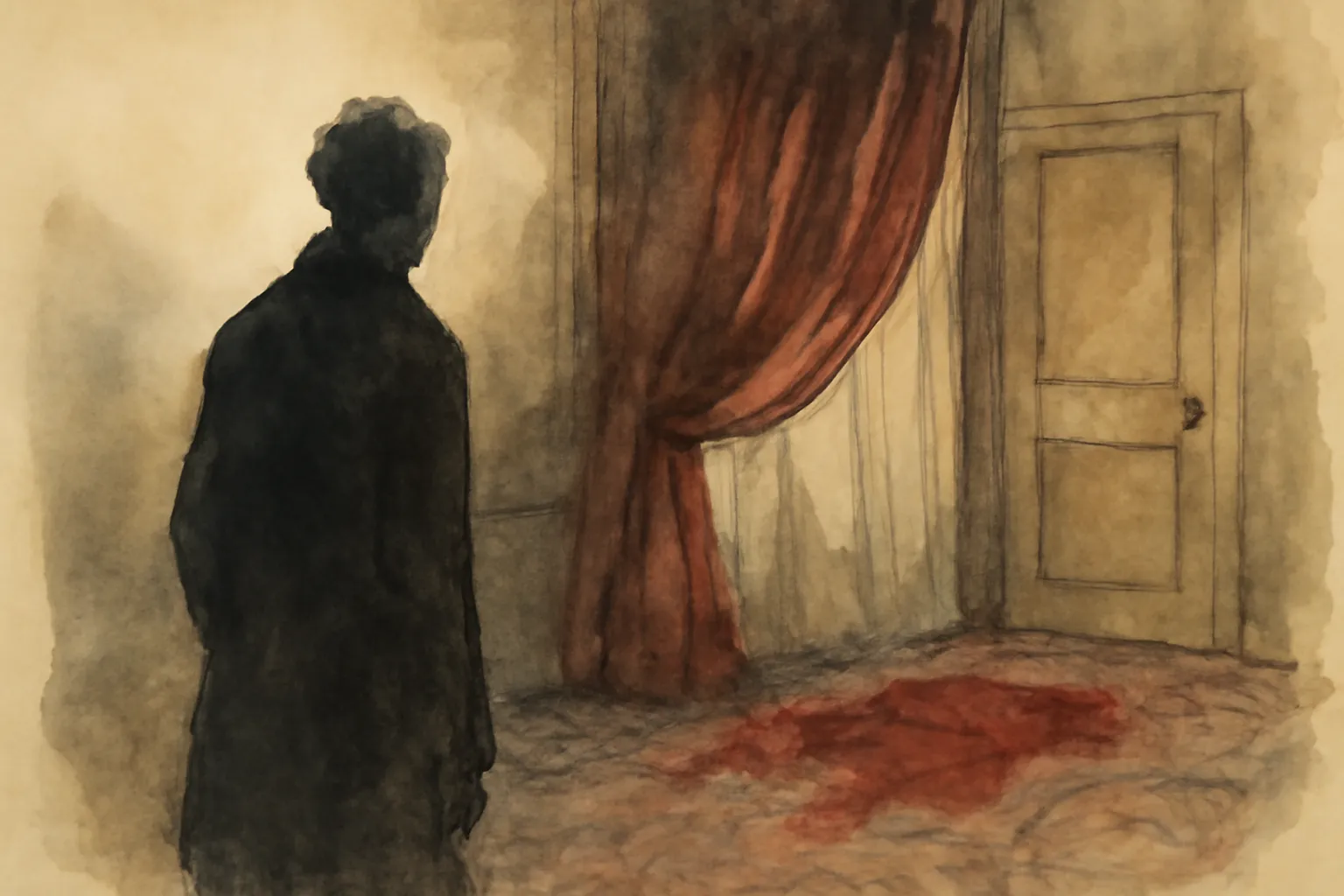
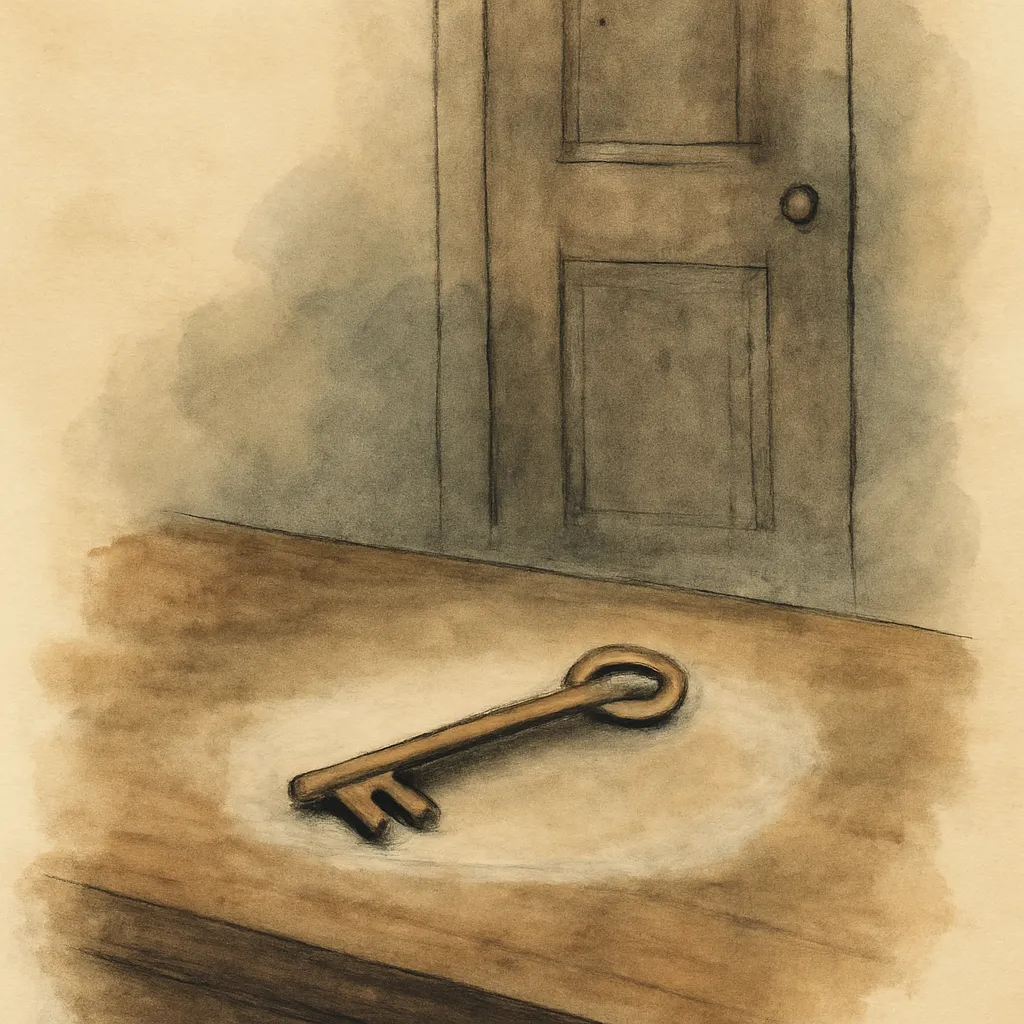
At the heart of The Big Bow Mystery is a seemingly impossible crime: a man is found murdered in a room locked from the inside, with no apparent way for the killer to have entered or left. This scenario not only provides the central puzzle but also helped establish the 'locked-room' subgenre in detective fiction. Zangwill’s intricate plotting keeps readers guessing, inviting them to scrutinize every clue and red herring.
2.Satire of Detective Tropes
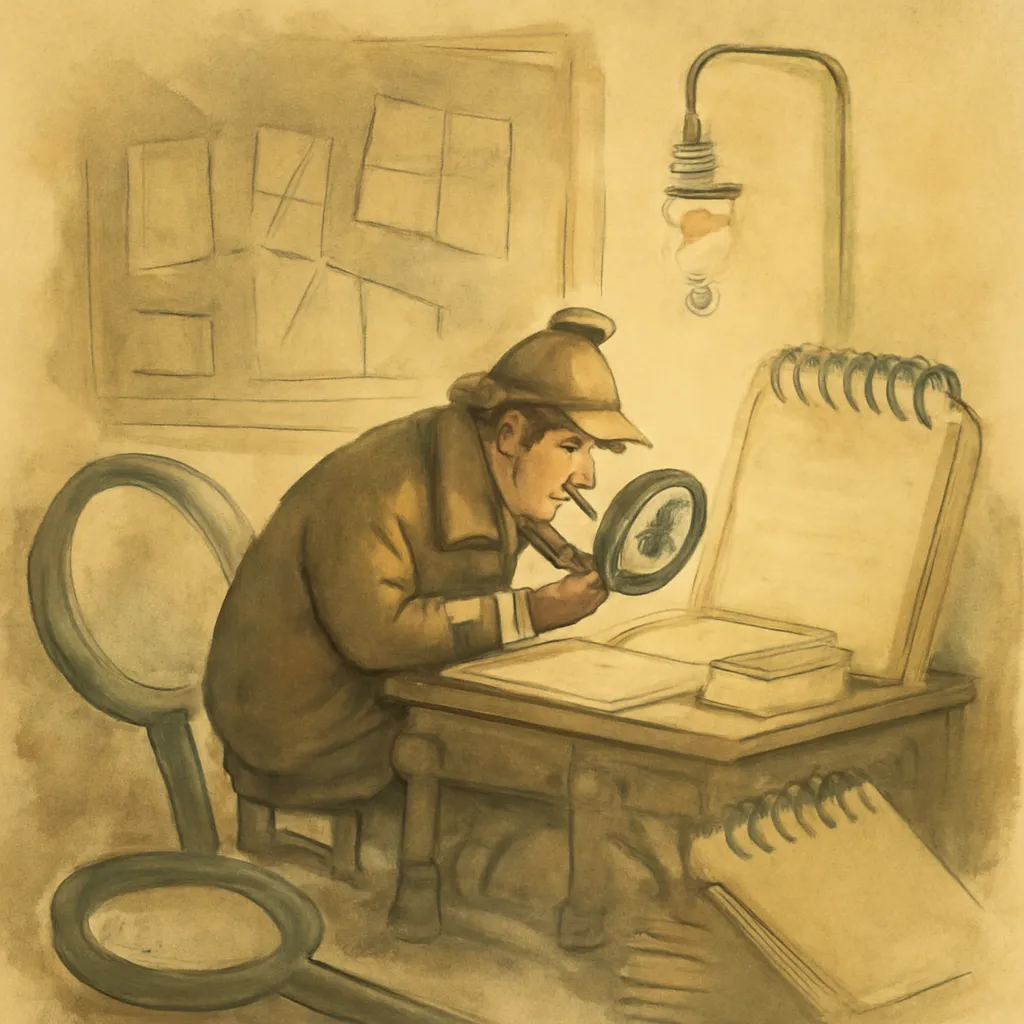
Zangwill doesn’t just craft a mystery; he pokes fun at the conventions of detective stories themselves. Through his characters—especially the amateur sleuth Grodman and the bumbling police inspector Bowley—he lampoons the genre’s clichés, such as the brilliant deduction and the rivalry between amateurs and professionals. This self-awareness makes the novel both a homage and a parody.
3.Victorian Social Commentary
Set in the working-class Bow district of London, the novel offers glimpses into Victorian society, touching on class divides, labor politics, and the press. Zangwill uses the murder investigation to comment on the lives and struggles of ordinary Londoners, blending social observation with the mechanics of the mystery.
4.The Unreliable Narrator and Misdirection
Zangwill expertly manipulates reader expectations, employing misdirection and unreliable perspectives to keep the solution hidden until the final pages. The narrative structure encourages skepticism about appearances and challenges readers to question their assumptions, a technique that would influence later detective fiction.
5.Innovation in Detective Fiction
The Big Bow Mystery is often credited as one of the first full-length locked-room mysteries, predating many Golden Age classics. Its blend of humor, social critique, and rigorous plotting set a new standard for the genre, inspiring writers like Conan Doyle and John Dickson Carr.
6.The Nature of Justice
Beyond the puzzle, the novel explores themes of justice and morality. The investigators’ pursuit of truth is complicated by personal motives, public opinion, and the limitations of the legal system, raising questions about whether justice can ever be truly served.