1.The Birth of the Modern Detective
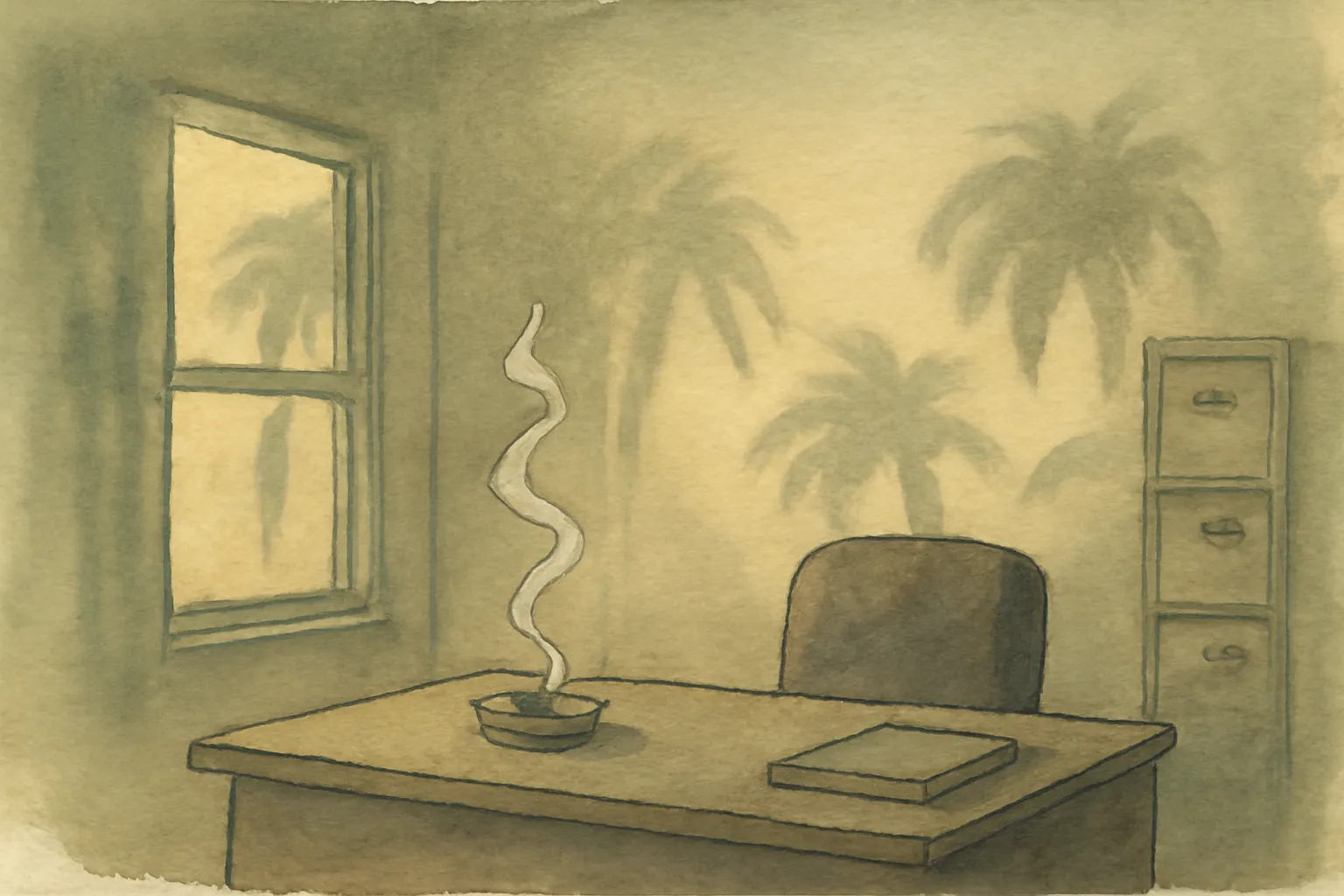
Philip Marlowe redefined the private eye for generations: tough, principled, and world-weary, yet not immune to compassion or humor. Chandler’s portrayal moves beyond the puzzle-solving sleuth to a character shaped by his environment, whose moral code is personal and sometimes ambiguous. Marlowe’s integrity is tested at every turn, making his choices as compelling as the crimes he investigates.
2.Los Angeles as Character
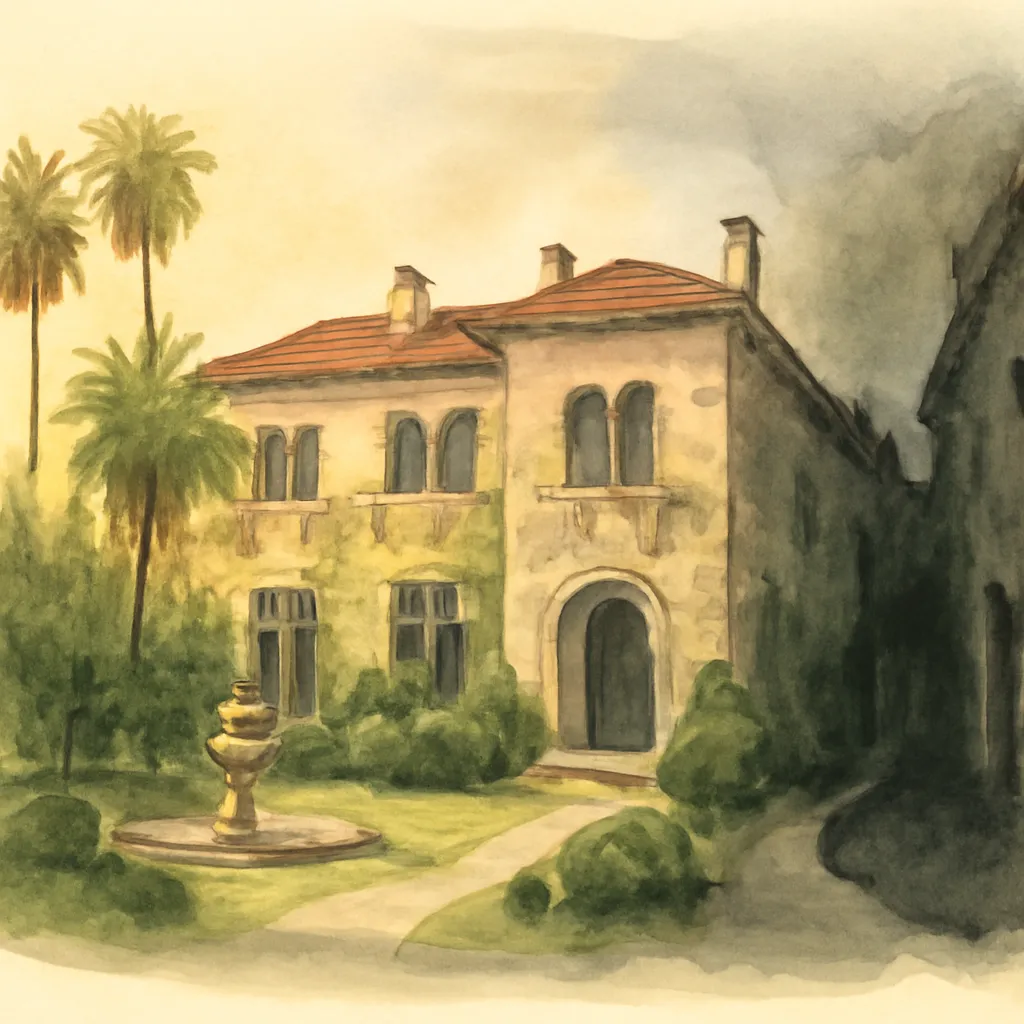
Chandler’s Los Angeles is more than a backdrop—it’s a living, breathing entity, full of glamour and decay. The city’s contrasts—wealth and poverty, sunshine and shadow—mirror the duplicity of its inhabitants. Chandler’s lush, sometimes cynical descriptions create an immersive sense of place, where every street and mansion hides secrets. This setting is essential to the novel’s mood and themes.
3.Corruption and Moral Ambiguity
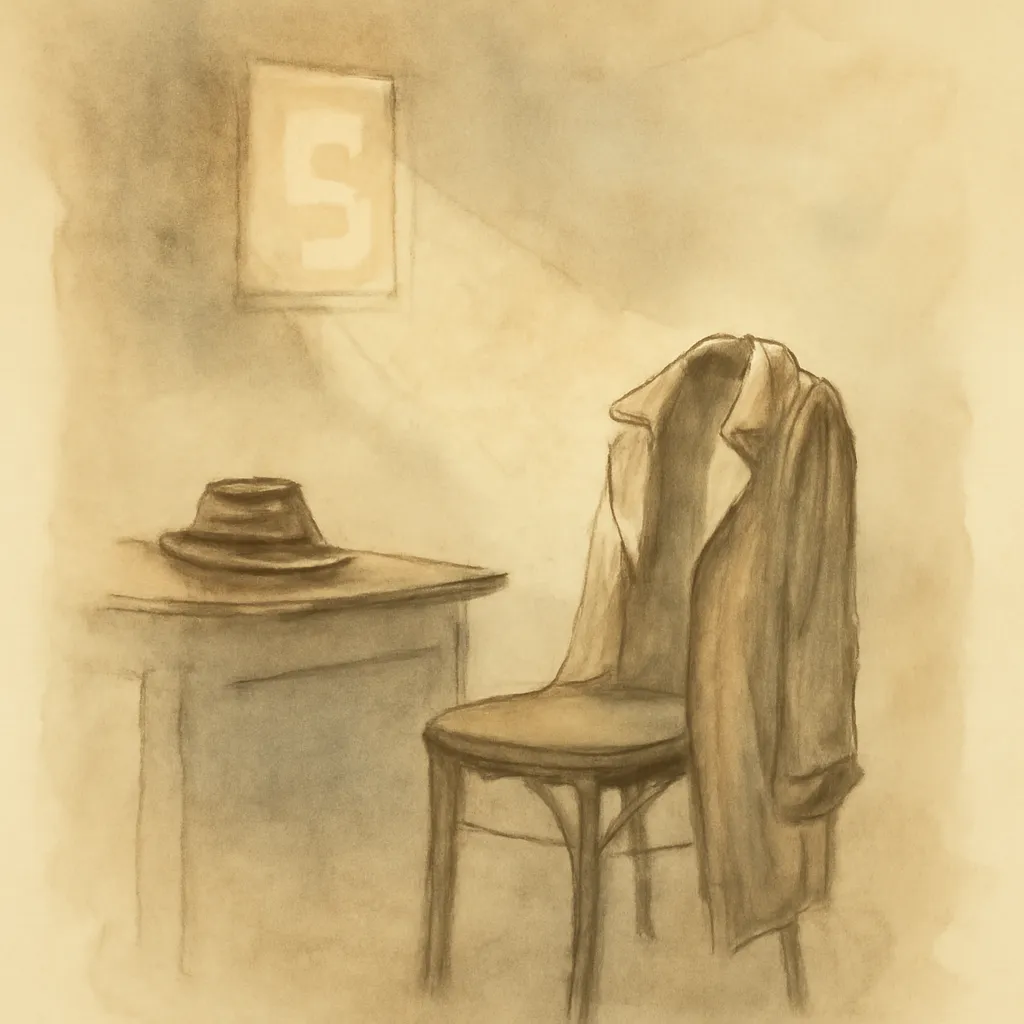
The Big Sleep blurs the lines between good and evil. Nearly every character, from the Sternwood sisters to the police, is compromised in some way. Chandler suggests that corruption is endemic, and that justice is rarely clear-cut. Marlowe’s struggle is not just to solve a crime, but to navigate a world where truth is elusive and doing the right thing often comes at a cost.
4.The Power of Style and Dialogue
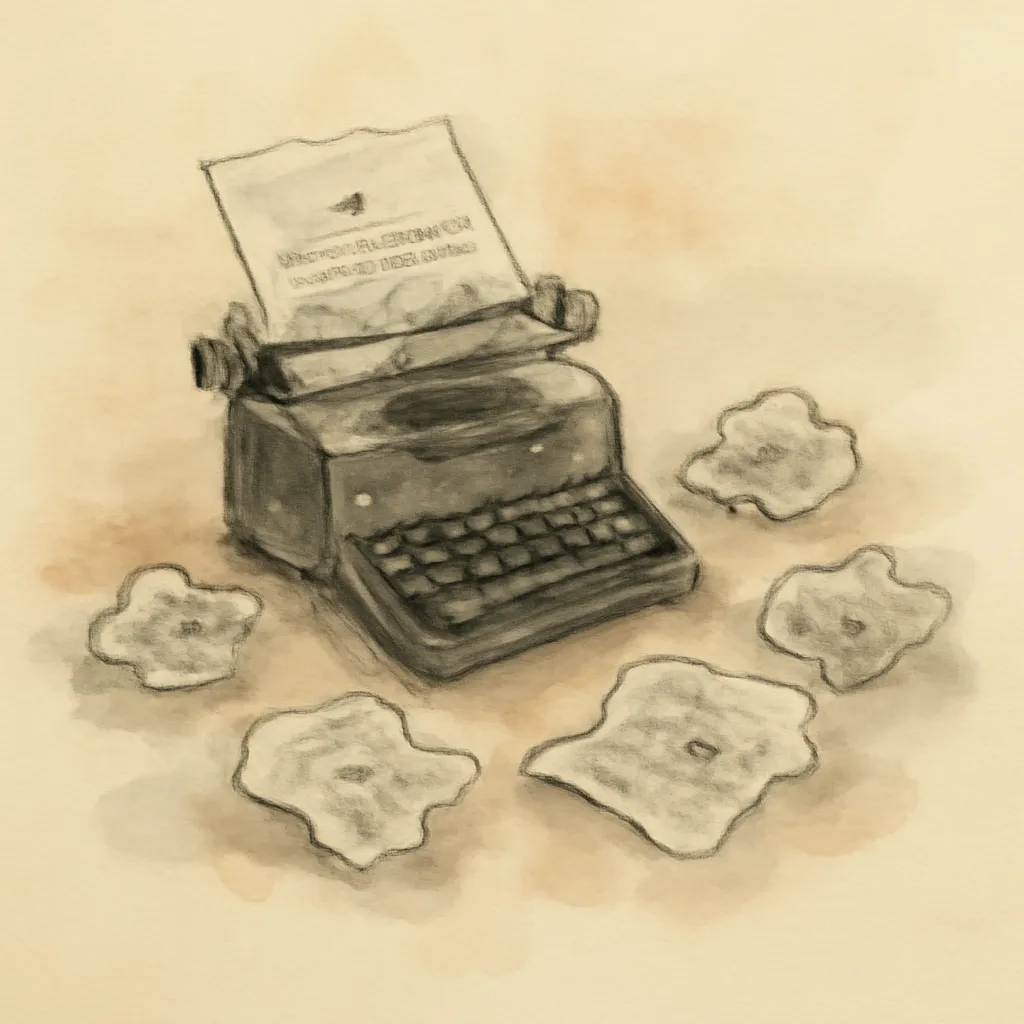
Chandler’s writing is celebrated for its sharp, witty dialogue and vivid similes. His style is both hard-edged and poetic, giving the book a distinct voice that has influenced countless writers and filmmakers. The dialogue crackles with tension and subtext, revealing character and advancing the plot with economy and flair.
5.Gender, Sexuality, and Power
The women in The Big Sleep—Vivian and Carmen Sternwood—are complex, dangerous, and deeply flawed. Chandler explores the ways sexuality is weaponized and how power dynamics shift between genders. While some aspects reflect the attitudes of the 1930s, the novel’s portrayal of manipulation, vulnerability, and agency remains provocative and open to interpretation.
6.The Elusiveness of Truth
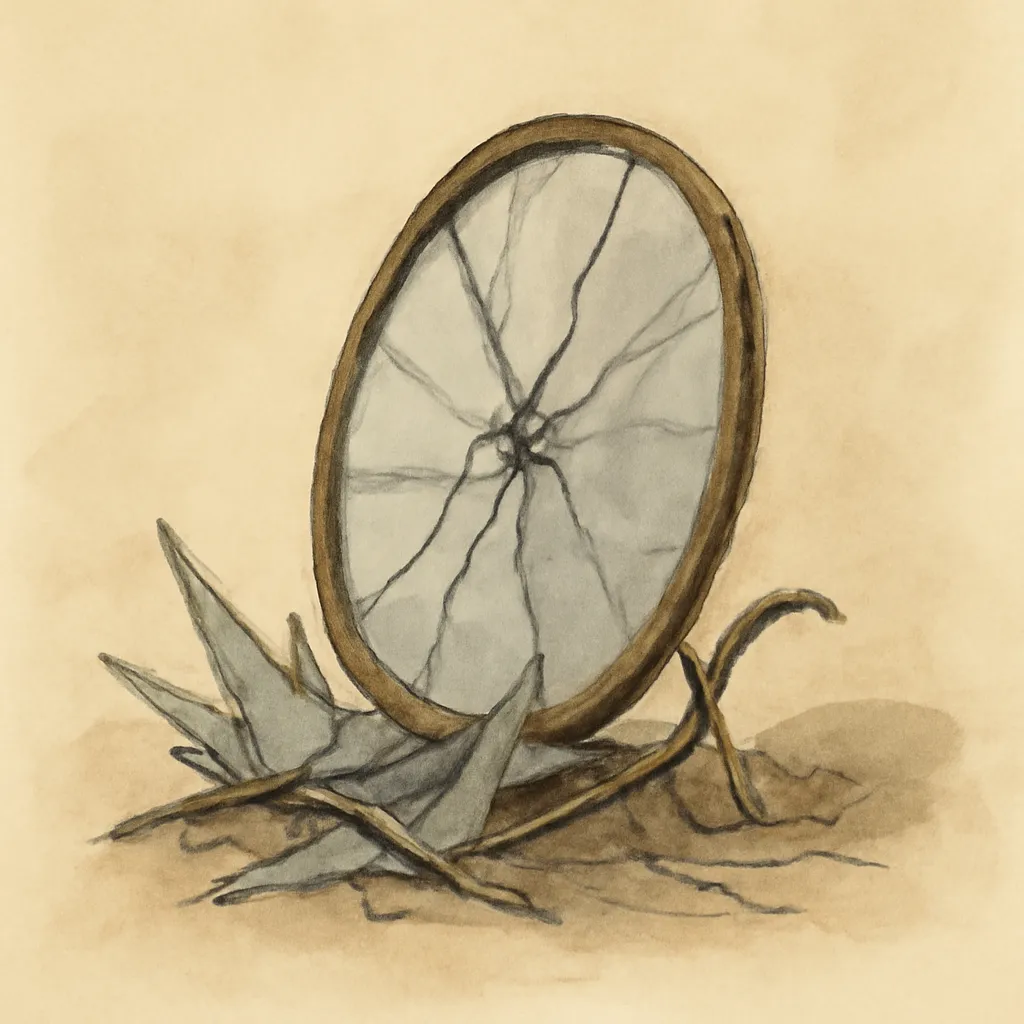
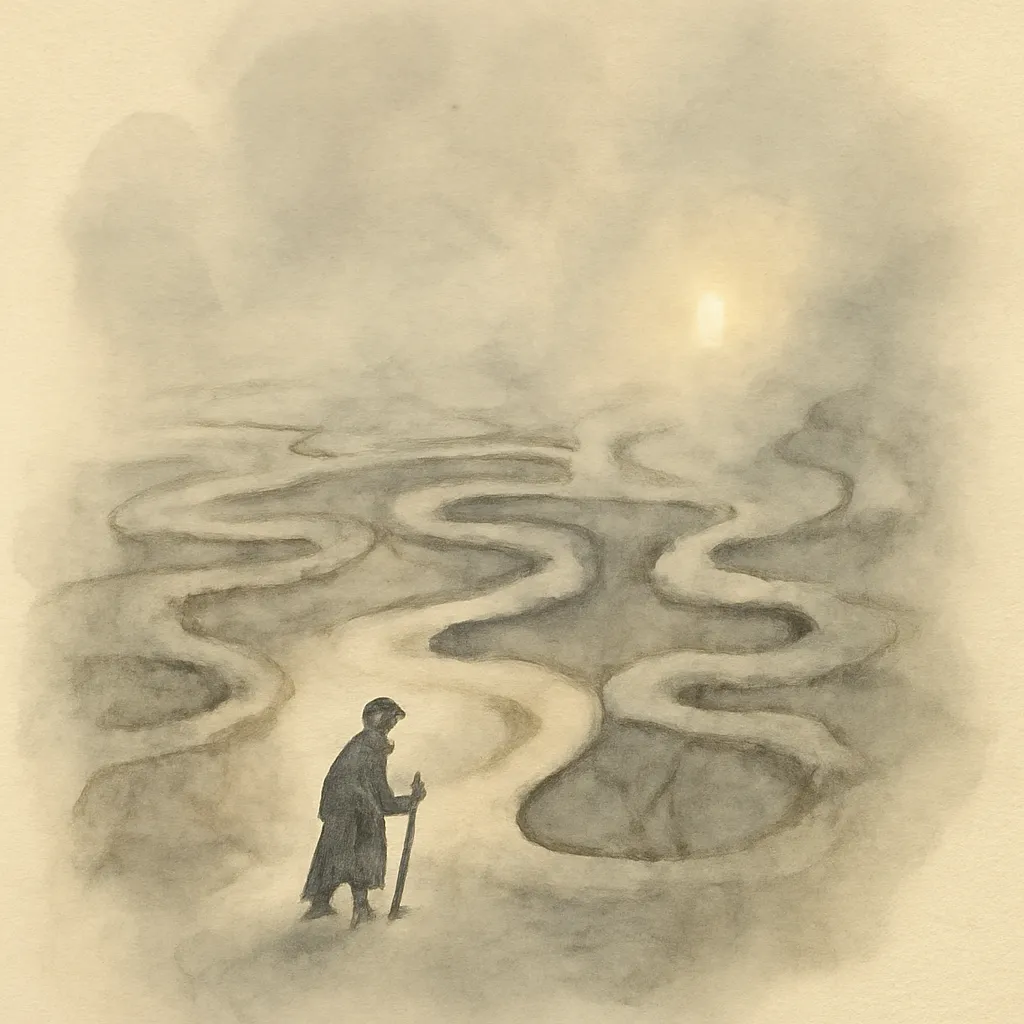
The plot of The Big Sleep is famously convoluted, with unresolved threads and unanswered questions. This is intentional: Chandler is less interested in tidy solutions than in the messy realities of human motivation. The novel suggests that truth is often obscured by layers of deceit, and that the search for answers can be more important than the answers themselves.