1.The Age of the Universe: A Scientific Puzzle
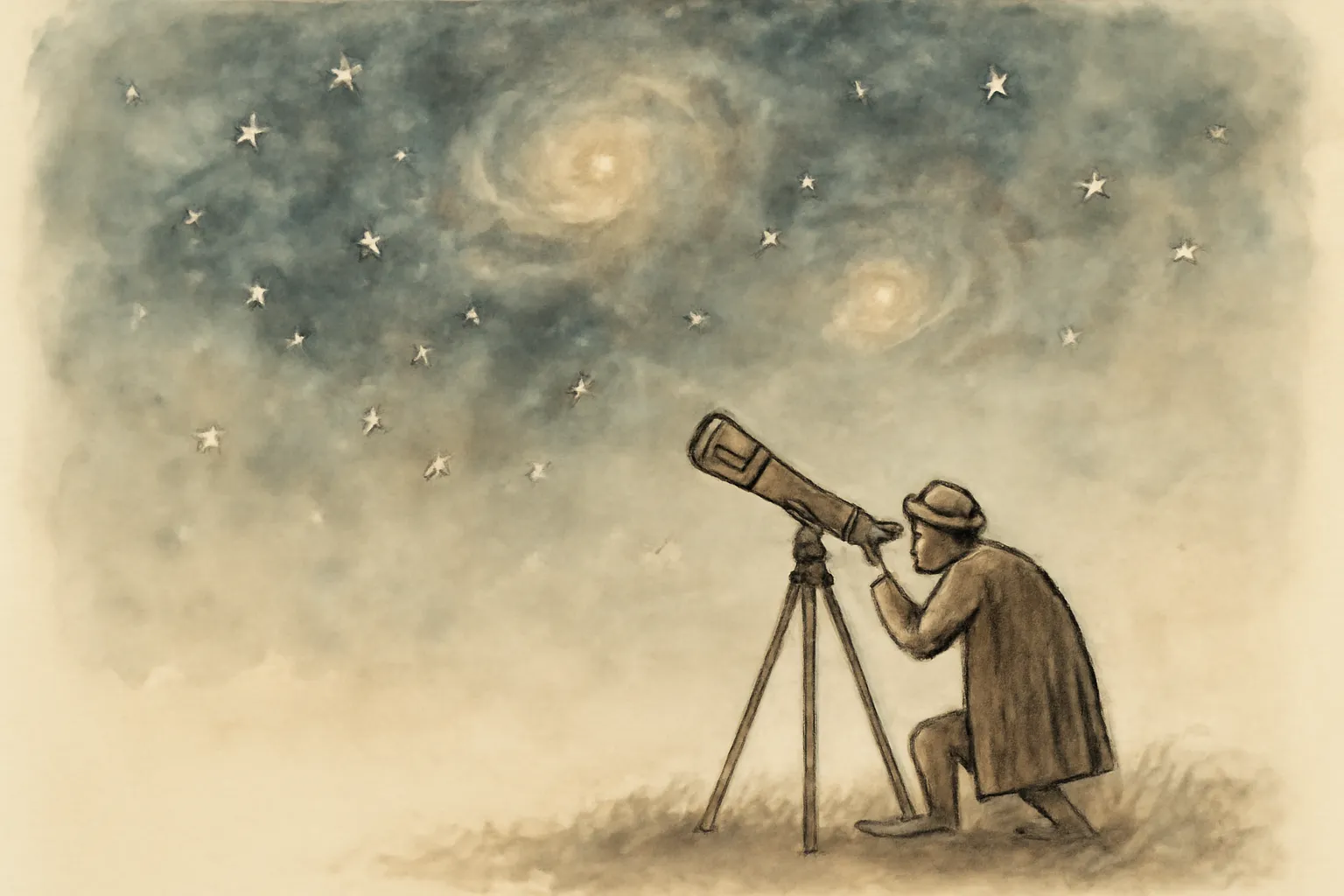
For much of the 20th century, astronomers faced a paradox: calculations for the age of the universe, based on its expansion, often yielded results younger than the oldest known stars. Gribbin unpacks this conundrum, showing how it became a central challenge for cosmology. The book explores the tension between different methods—stellar evolution models, radioactive dating, and Hubble’s law—each yielding conflicting ages, and how this forced scientists to refine both their theories and their instruments.
2.The Hubble Space Telescope’s Game-Changing Role
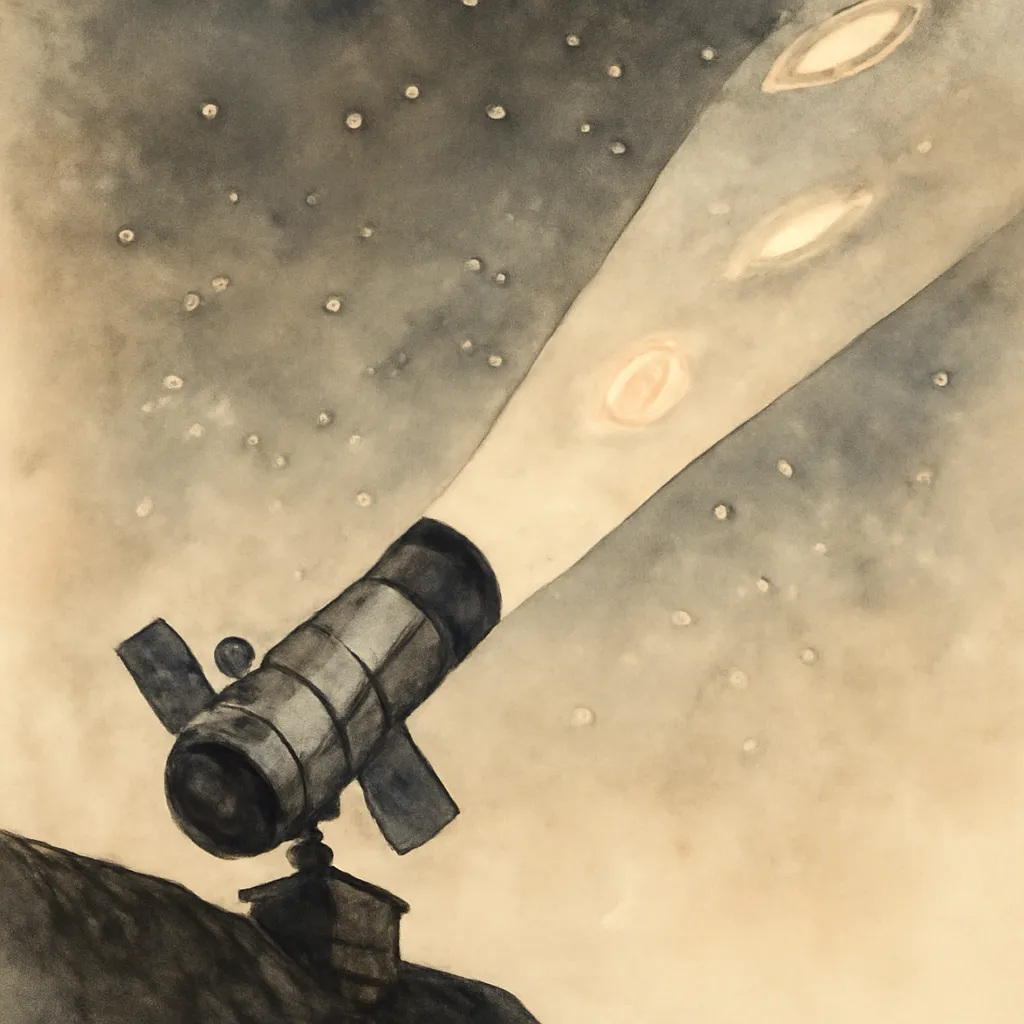
A turning point in resolving the universe’s age came with the Hubble Space Telescope, which allowed astronomers to measure distances to far-off galaxies with unprecedented precision. Gribbin explains how these improved measurements of Cepheid variable stars led to a more accurate value for the Hubble constant, the key to calculating the universe’s age. This technological leap didn’t just provide better data—it also exemplified how advances in instrumentation can reshape scientific consensus.
3.The Interplay of Theory and Observation
Gribbin emphasizes that cosmology is not just about collecting data; it’s about the interplay between theoretical models and observations. He illustrates how debates over the universe’s age spurred refinements in both general relativity and models of stellar evolution. The book shows that scientific progress often depends on resolving discrepancies between what we expect and what we observe, leading to deeper understanding and sometimes, paradigm shifts.
4.The Human Side of Scientific Discovery
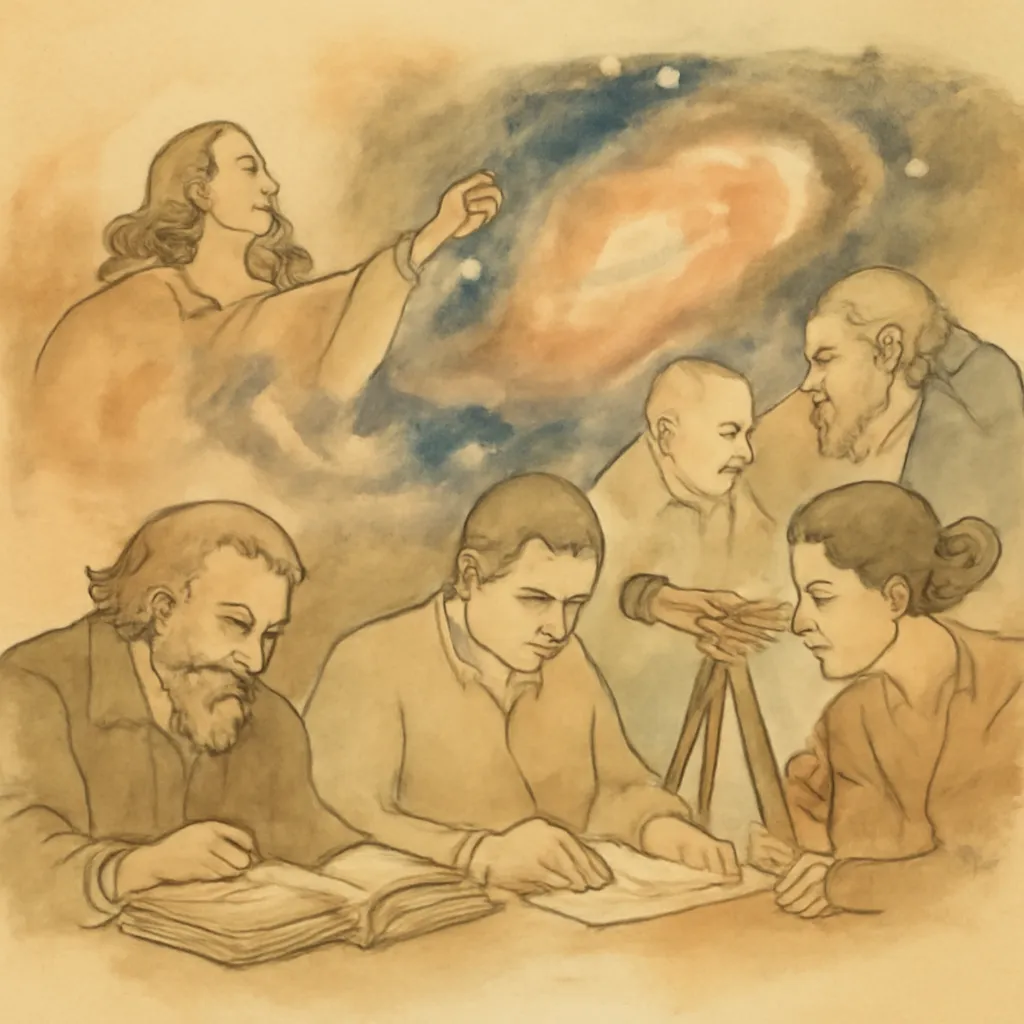
The Birth of Time is as much about people as it is about numbers. Gribbin brings to life the personalities—sometimes rivalrous, sometimes collaborative—who shaped our understanding of cosmic time. He highlights the persistence, skepticism, and occasional stubbornness that drive science forward, making the story relatable and showing that breakthroughs are rarely the work of lone geniuses, but of a community grappling with uncertainty.
5.Why the Universe’s Age Matters
Knowing the universe’s age isn’t just a matter of curiosity; it underpins our entire framework for understanding cosmic evolution, from the formation of galaxies to the fate of the cosmos. Gribbin argues that pinning down this number validates the Big Bang model and provides a foundation for all modern cosmology. The book makes clear that this is a story about how we situate ourselves in the vast sweep of time—and why getting it right is essential for science.