1.Personal Investigation Meets Professional Expertise
Steve Hodel’s background as an LAPD homicide detective gives him unique access to investigative methods and police records, but his inquiry is also deeply personal. The book details how Hodel’s discovery of his father’s possible involvement in the Black Dahlia case forced him to balance objectivity with emotional turmoil. This dual perspective provides a rare, intimate look at how criminal investigations can intersect with private lives, raising questions about the limits of objectivity and the cost of pursuing the truth when it implicates those closest to us.
2.Re-examining the Black Dahlia Case
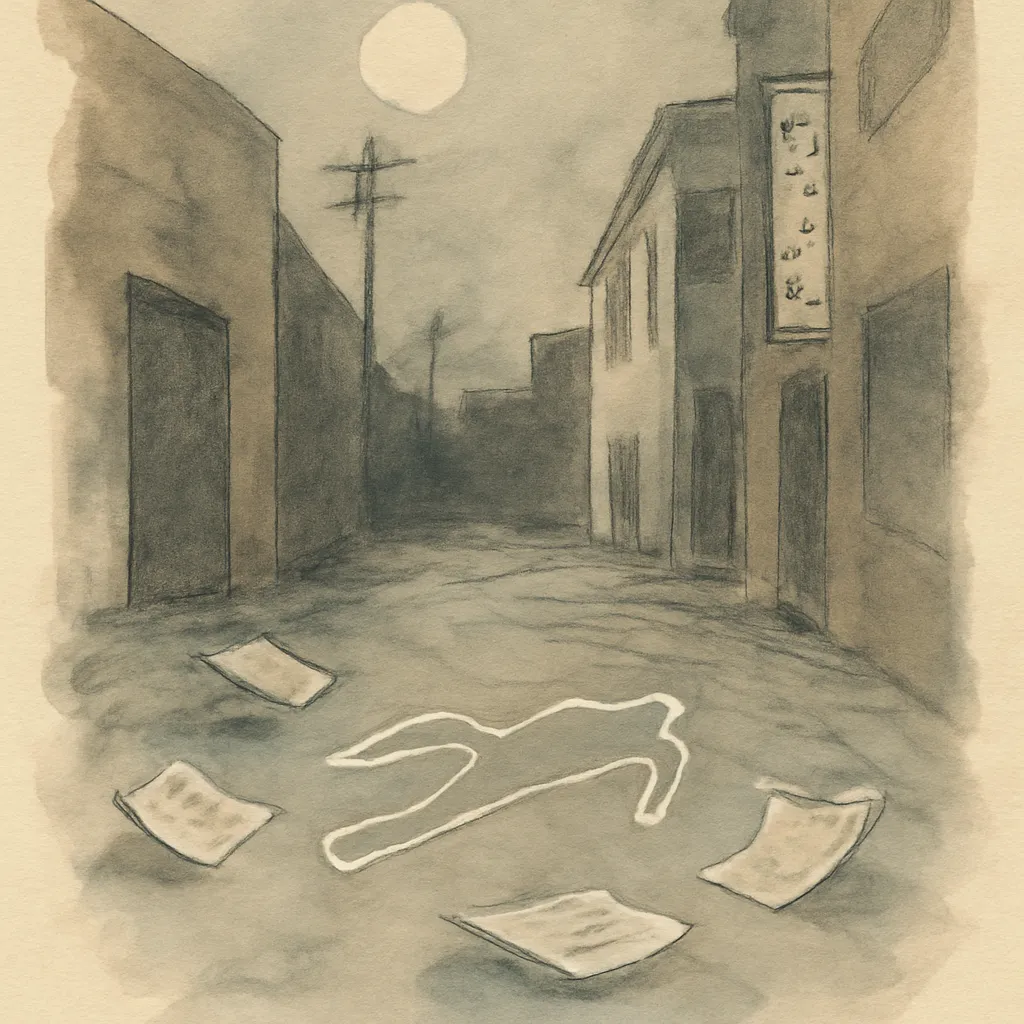
The book revisits the notorious, unsolved murder of Elizabeth Short, whose mutilated body was found in Los Angeles in 1947. Hodel meticulously reconstructs the crime, analyzing forensic evidence, police files, and media coverage. He challenges previous theories and points out investigative missteps, arguing that the case’s enduring mystery is due in part to social taboos and institutional failures. His approach encourages readers to question how high-profile crimes are investigated and remembered.
3.The Father as Suspect: George Hill Hodel
Central to the book is the portrait of Dr. George Hill Hodel, a brilliant and enigmatic physician with a shadowy past. Steve Hodel assembles circumstantial and forensic evidence, suggesting his father’s psychological profile, artistic interests, and social connections align disturbingly well with the Black Dahlia killer. The narrative probes the complexities of familial relationships, the nature of evil, and the psychological toll of suspecting one’s own parent of monstrous crimes.
4.The Power and Limits of Evidence
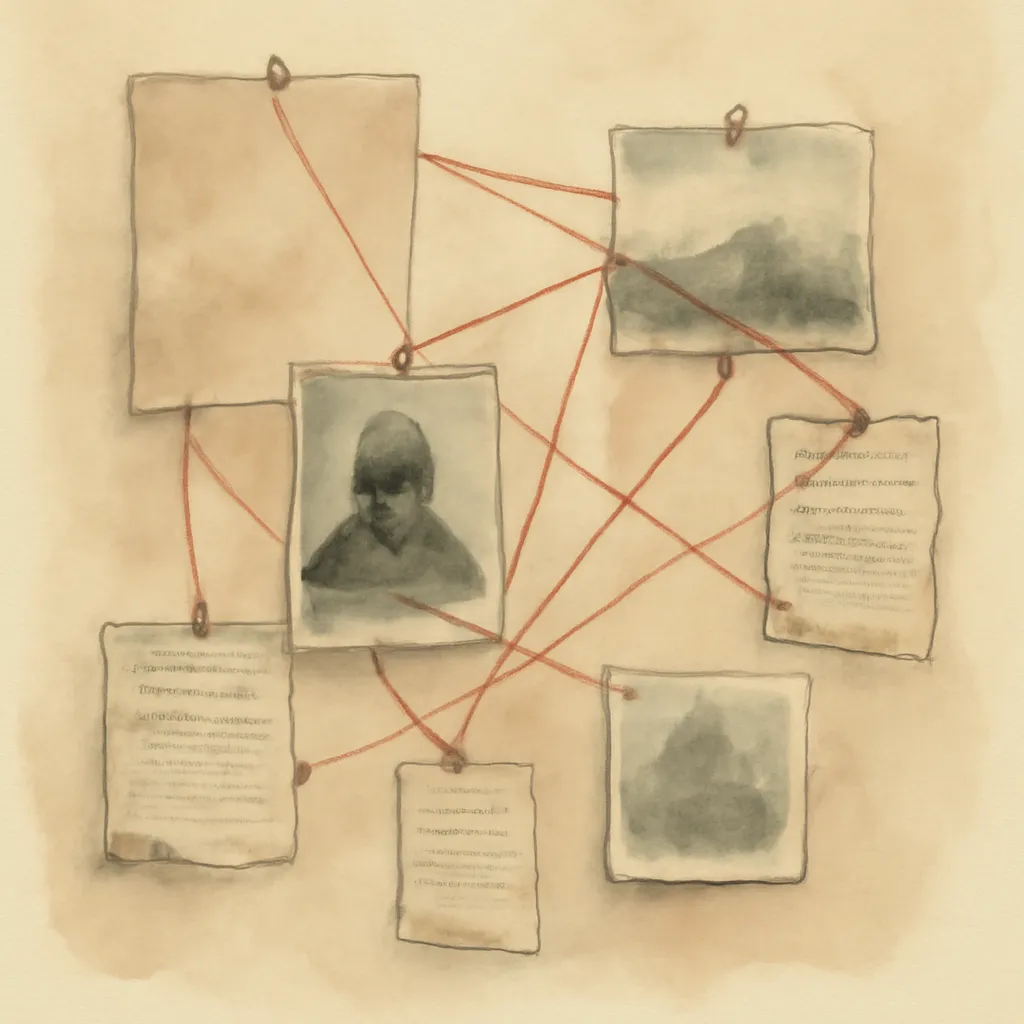
Hodel’s investigation is a study in the strengths and weaknesses of circumstantial evidence. He presents photographs, handwriting samples, and witness statements, but also acknowledges the gaps and ambiguities that make definitive conclusions elusive. The book becomes a meditation on the nature of proof in cold cases, the role of intuition versus hard evidence, and the challenges of achieving justice decades after the fact.
5.Legacy, Memory, and the Public’s Fascination
The Black Dahlia murder has become an enduring part of American cultural mythology, inspiring countless books, films, and theories. Hodel examines why the case still captivates the public imagination, exploring themes of celebrity, violence, and the dark side of postwar Los Angeles. He also reflects on the personal legacy of his investigation—how uncovering family secrets can reshape one’s identity and sense of history.