Incest · Serial murderers · Biography
The Black Dahlia by Steve Hodel — Summary, Key Ideas & Quotes
20090✦ 3-min Big ideas
Rate it
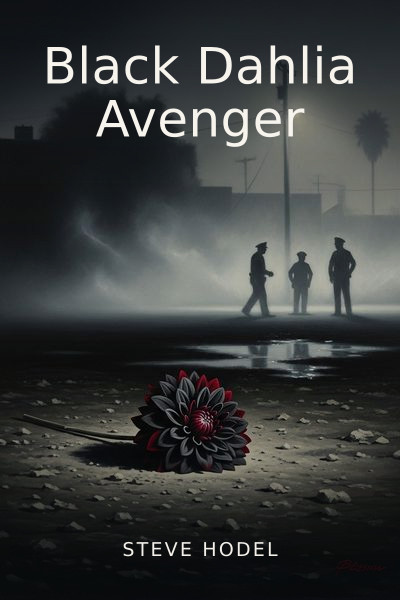
A headline-making new book from the bestselling author of Black Dahlia AvengerWhen veteran LAPD homicide detective Steve Hodel discovered that his own late father, Dr. George Hill Hodel, was the killer in the infamous Black Dahlia murder case, he wrote the bestseller Black Dahlia Avenger, a book that convinced even the Los Angeles County deputy district attorney that George Hodel was responsible for Elizabeth Short's gruesome death.As a veteran police investigator, Steve Hodel's instinctively knew that if his father was capable of that level of cruelty, it probably didn't begin or end with the Black Dahlia. Steve Hodel has devoted his life to examining the evidence of his father's fascinating and mysterious life, and the shocking new revelations that have come to light in the last five years are the subject of Most Evil. If Steve Hodel's research is correct, Dr. George Hill Hodel was among the most prolific serial killers in history, beginning as a young man and continuing to kill throughout his long life of ninety-one years. Among his crimes are dozens of unsolved murder cases stretching back sixty years.Most Evil compiles an astonishing amount of never- before- seen visual, circumstantial, and forensic evidence to prove Hodel's case. This relentless, compelling, and persuasive investigation will revolutionize the way we think about some of the most intriguing, brutal, unsolved, and previously unconnected murders in American history— and it may change our understanding of serial killers altogether.
Steve Hodel’s background as an LAPD homicide detective gives him unique access to investigative methods and police records, but his inquiry is also deeply personal. The book details how Hodel’s discovery of his father’s possible involvement in the Black Dahlia case forced him to balance objectivity with emotional turmoil. This dual perspective provides a rare, intimate look at how criminal investigations can intersect with private lives, raising questions about the limits of objectivity and the cost of pursuing the truth when it implicates those closest to us.
The book revisits the notorious, unsolved murder of Elizabeth Short, whose mutilated body was found in Los Angeles in 1947. Hodel meticulously reconstructs the crime, analyzing forensic evidence, police files, and media coverage. He challenges previous theories and points out investigative missteps, arguing that the case’s enduring mystery is due in part to social taboos and institutional failures. His approach encourages readers to question how high-profile crimes are investigated and remembered.