1.The Duality of Honor and Reputation
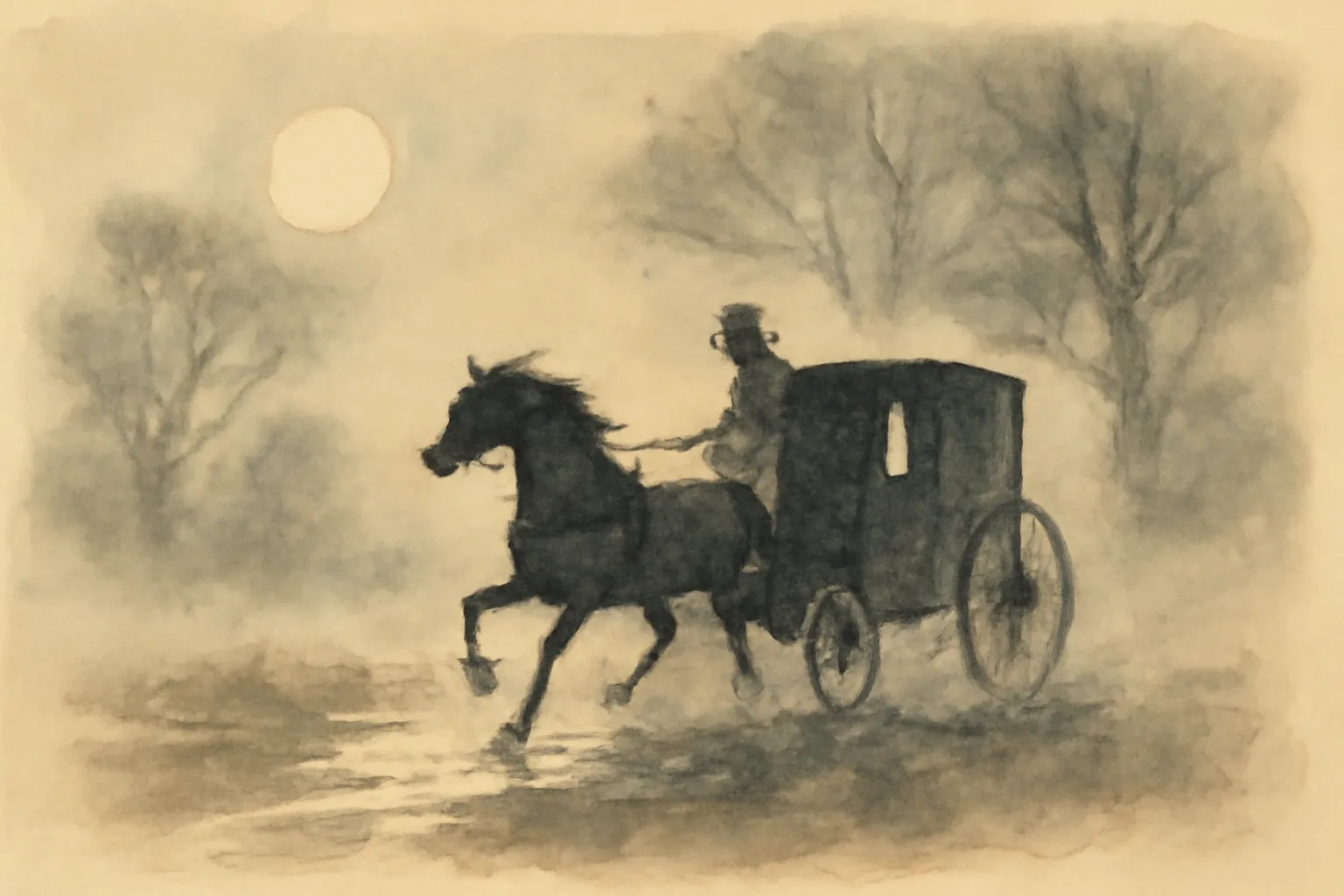
At the heart of 'The Black Moth' lies the tension between honor and reputation, particularly as it pertains to the character of Richard Carstares. Once a celebrated nobleman, Richard's fall from grace leads him to a life of highway robbery. This transformation is not merely a descent into villainy but a complex negotiation with his past and present. Richard's actions challenge the rigid social codes of the time, where a man's worth is often measured by his title and wealth rather than his character. His journey illustrates the idea that true honor may reside in one's choices and integrity rather than societal approval. The narrative compels readers to ponder what it means to be honorable in a society that often values surface appearances over genuine virtue. Richard’s experiences evoke sympathy, as he battles against societal scorn, suggesting that redemption is possible through self-awareness and moral fortitude.
2.Romantic Entanglements and Societal Expectations
The romantic dynamics in 'The Black Moth' showcase the intricate interplay between societal expectations and personal desires. Lady Lavinia, for instance, is caught in the crossfire of her duty as a wife and her burgeoning affection for Captain Lovelace. Her character embodies the challenges faced by women of her time, who often had little agency over their romantic choices. Lavinia’s flirtations with Lovelace and her interactions with Richard highlight the constraints placed upon her by her social standing and marriage. Heyer skillfully paints Lavinia’s internal struggle, which reflects broader themes of female empowerment and the quest for personal fulfillment in a society filled with rigid norms. The tension escalates as Lavinia must decide between her loyalty to her husband Richard and her feelings for Lovelace, giving readers insight into the sacrifices women faced in the pursuit of happiness. This multifaceted depiction of romance not only entertains but also critiques the limitations imposed by society on love and marriage.
3.The Role of Friendship and Loyalty
Friendship serves as a vital theme in 'The Black Moth', particularly through the relationships between Richard, Jim Salter, and Miles O'Hara. These friendships are tested through trials and tribulations, revealing the depth of loyalty and camaraderie that exists among the characters. Jim, Richard's devoted servant, represents unwavering loyalty and support, often acting as a moral compass for Richard amidst his chaotic life. His presence provides Richard with a sense of grounding and humanity, demonstrating how friendship can flourish even in dire circumstances. Meanwhile, Miles O'Hara's friendship adds a layer of humor and warmth to the narrative, showcasing the importance of camaraderie in times of strife. Through these relationships, Heyer emphasizes that true friendship transcends social class and personal failings, grounding the characters in a shared humanity that resonates throughout their adventures. The dynamic between Richard and his friends illustrates that support networks can be a source of strength as one grapples with personal demons and societal disapproval.
4.The Allure of Adventure and the Highwayman Mythos
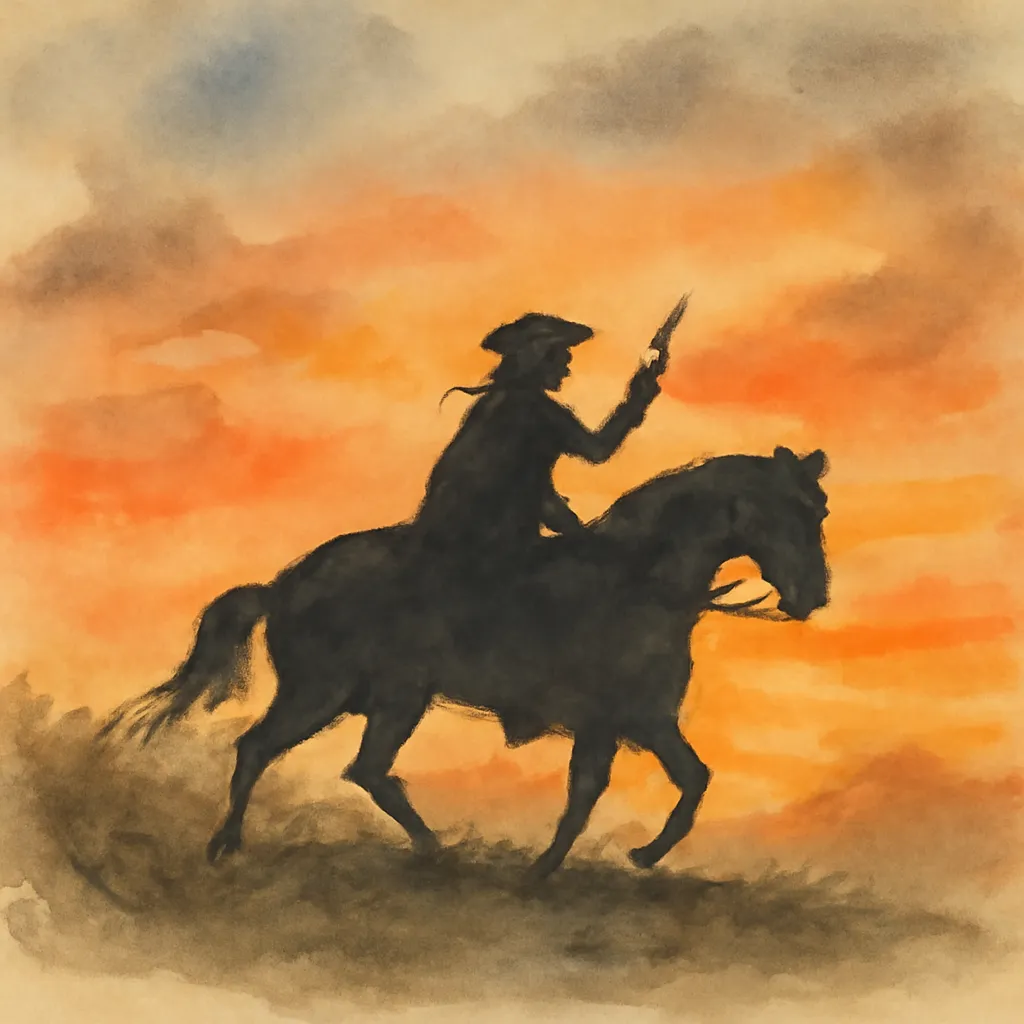
Richard Carstares' transformation into a highwayman taps into the romantic allure of adventure and rebellion against societal norms. The figure of the highwayman has long captivated the imagination, symbolizing freedom, danger, and the thrill of living outside the law. Heyer plays with this archetype to explore Richard's internal conflict—he is both a criminal and a nobleman, embodying the paradox of his existence. The thrill of his escapades is juxtaposed with the moral implications of his actions, prompting readers to question the nature of heroism. Richard's adventures allow him to reclaim a sense of agency in a world that has stripped him of his title and respect. The narrative suggests that the allure of the highwayman is not just in the lawlessness but also in the pursuit of a life that defies societal expectations. This exploration of the highwayman mythos serves to remind readers that beneath the romantic veneer lies a complex struggle for identity and purpose, inviting them to question the nature of justice in a flawed world.
5.The Influence of Class and Social Hierarchies
Class dynamics play a significant role in shaping the characters' interactions and motivations throughout 'The Black Moth.' The rigid social hierarchies of 18th-century England dictate not only how characters perceive themselves but also how they relate to one another. Richard’s fall from grace places him in a precarious position, as he grapples with his identity outside the confines of his noble birth. Lady Lavinia's behavior is also influenced by her status, as she navigates the expectations of her class while pursuing her desires. Heyer adeptly critiques these social structures, exposing their absurdities and the limitations they impose on individual freedom. For example, the disdain that characters like Mr. Chadber express towards those of lower social standing highlights the societal prejudices that pervade their interactions. By illustrating the characters' struggles within these hierarchies, the narrative invites readers to reflect on the arbitrary nature of social status and its impact on human relationships. The story underscores that while society may impose restrictions, individual character and values ultimately define true worth.
6.The Complexity of Female Agency
Lady Lavinia and Diana Beauleigh represent contrasting facets of female agency within the confines of their societal roles. Lavinia, though initially portrayed as frivolous and self-absorbed, exhibits moments of strength as she confronts her feelings for Lovelace and the implications of her marriage to Richard. Her character arc reveals the challenges women face when asserting their desires in a patriarchal society. Diana, on the other hand, embodies a more innocent, yet equally compelling, form of agency. She is presented as a young woman who, despite her vulnerable position, seeks to carve her own path in a world that often views women as mere pawns in the game of love. The interplay between these two characters illustrates Heyer's nuanced understanding of female desire and empowerment. Throughout the novel, Diana's pursuit of authenticity in her relationships is a testament to the evolving nature of female agency, depicting a journey that resonates with contemporary themes of self-assertion and independence. This nuanced portrayal enriches the narrative, providing a thoughtful commentary on the complexities of women's roles across different societal contexts.
7.The Power of Forgiveness and Redemption
Redemption is a recurring theme in 'The Black Moth,' particularly as Richard seeks to reconcile his past transgressions with his desire for a better future. His journey is marked by moments of introspection and a longing for forgiveness—not only from society but also from himself. As he confronts the consequences of his actions, Richard's path towards redemption becomes intertwined with his relationships, particularly with Lavinia and Diana. The narrative suggests that forgiveness is not merely granted but earned through genuine change and self-awareness. Richard’s eventual acceptance of his flaws and his willingness to confront his past signify a pivotal moment in his character development. This theme of redemption underscores the idea that one's past does not have to define one's future, offering a hopeful message that resonates deeply with readers. Through Richard’s journey, Heyer illustrates the transformative power of forgiveness, both for oneself and for others, suggesting that true growth arises from the courage to face one's mistakes.
8.The Intersection of Humor and Drama
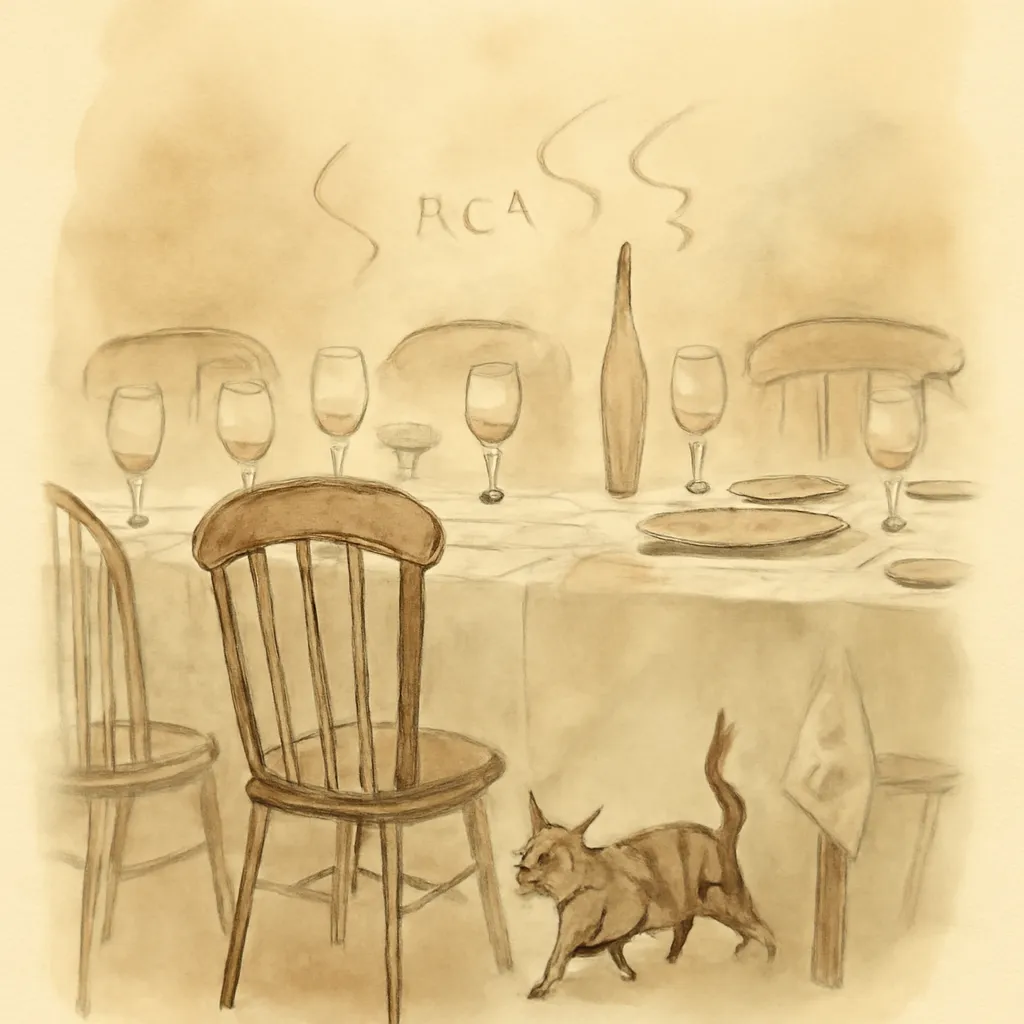
Heyer masterfully blends humor and drama throughout 'The Black Moth,' creating a narrative that is both engaging and thought-provoking. The witty banter between characters, particularly in scenes involving Lavinia and her cousins, injects levity into the story, balancing the more serious themes of honor and redemption. This interplay of humor and drama serves to humanize the characters, making their struggles relatable and their triumphs satisfying. Heyer's use of comedic elements not only entertains but also highlights the absurdities of societal norms and expectations. The comedic scenes often act as a respite from the tension of romantic entanglements and moral dilemmas, allowing readers to experience both laughter and reflection. This skillful blending of genres enriches the reading experience, providing a tapestry of emotion that invites readers to navigate the complexities of the characters' lives while enjoying the lighthearted moments that punctuate their journey.
9.The Significance of Setting in Shaping the Narrative
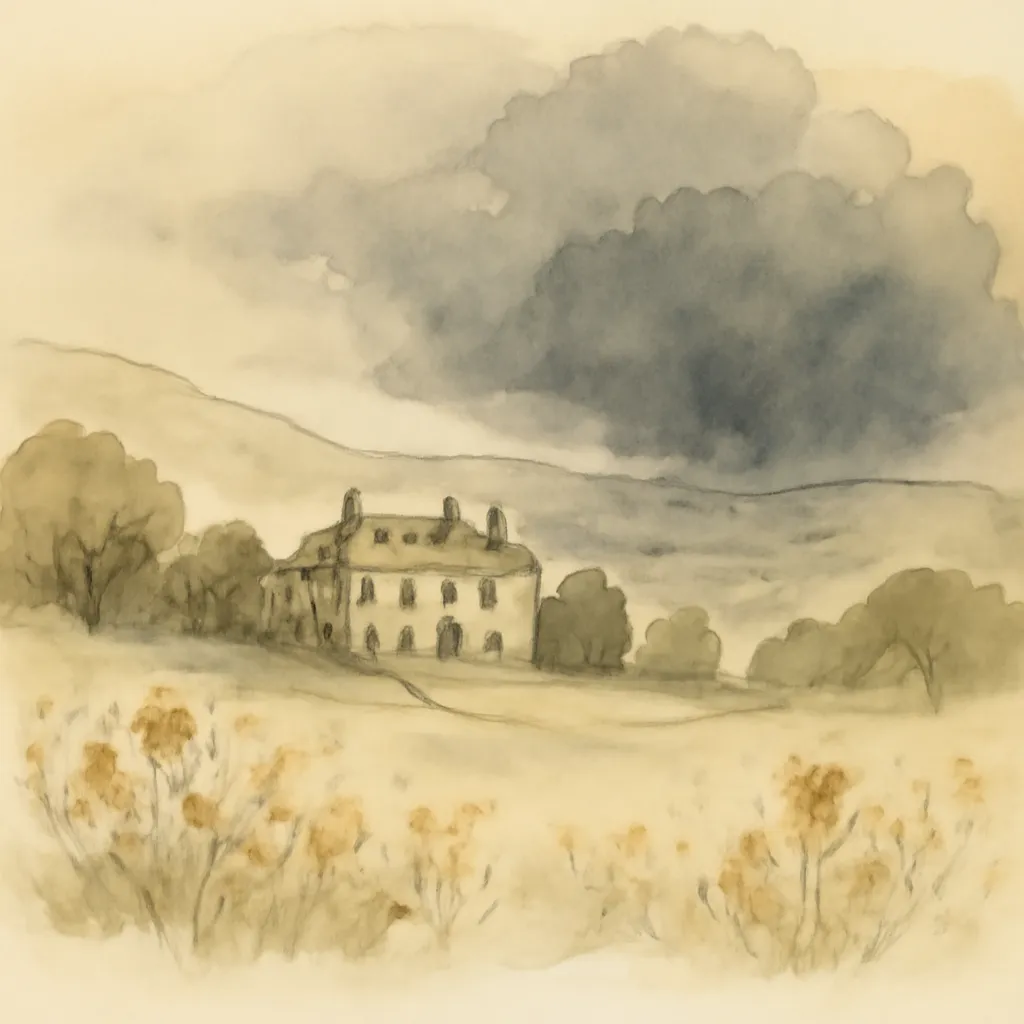
The richly described settings in 'The Black Moth' play a crucial role in shaping the narrative and enhancing the characters' experiences. From the opulent ballrooms of London to the rustic charm of the English countryside, Heyer immerses readers in the historical context of the 18th century. The contrasting environments reflect the characters' social standings and personal journeys, with the grandeur of the city symbolizing the allure of status and the simplicity of rural life representing authenticity and freedom. The Chequers Inn, for instance, serves as a microcosm of societal tensions, where class distinctions are palpable among its patrons. This attention to setting not only grounds the story in its historical context but also underscores the themes of class and identity. By painting vivid landscapes, Heyer invites readers to engage with the world of her characters, making their struggles and triumphs all the more poignant. The interplay between character and environment showcases how setting can influence behavior and choices, thereby enriching the overall narrative.