1.Transformation Through Belonging
At its heart, The Blue Sword is about a young woman, Harry Crewe, who is uprooted from her familiar colonial background and thrust into the mysterious culture of the Hillfolk. Her journey is not just physical but deeply psychological, as she learns to adapt, accept, and ultimately thrive in a world that initially feels alien. The novel explores how belonging is not about birthright but about choice, courage, and the willingness to embrace the unknown. Harry’s transformation from outsider to hero challenges the boundaries of identity and home.
2.Power and Responsibility
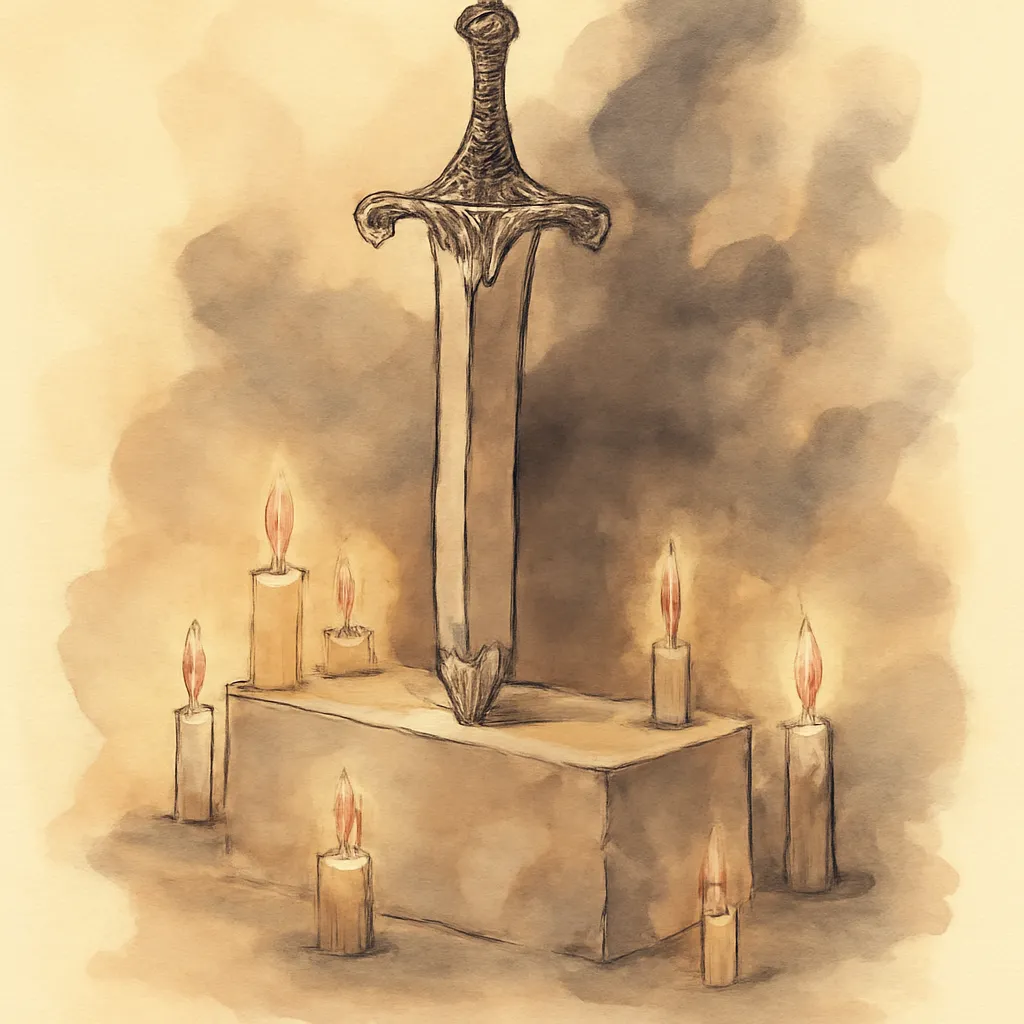
The magical sword Gonturan symbolizes both power and the heavy responsibility that comes with it. Harry’s inheritance of the sword is not just a gift but a call to action, demanding sacrifice and leadership. The narrative examines what it means to wield power justly, especially for those who never sought it. Through Harry’s choices, McKinley interrogates the burdens and moral complexities of leadership, especially for women in a traditionally patriarchal society.
3.Cultural Encounter and Respect
The novel is set against the backdrop of colonial tensions between the Homelanders and the Hillfolk. Rather than painting one culture as superior, McKinley crafts a nuanced portrayal of mutual misunderstanding and gradual respect. Harry’s integration into Hillfolk society is a process of learning, humility, and empathy. The book subtly critiques colonial attitudes and celebrates the richness of cultural exchange without romanticizing or oversimplifying difference.
4.Feminine Heroism
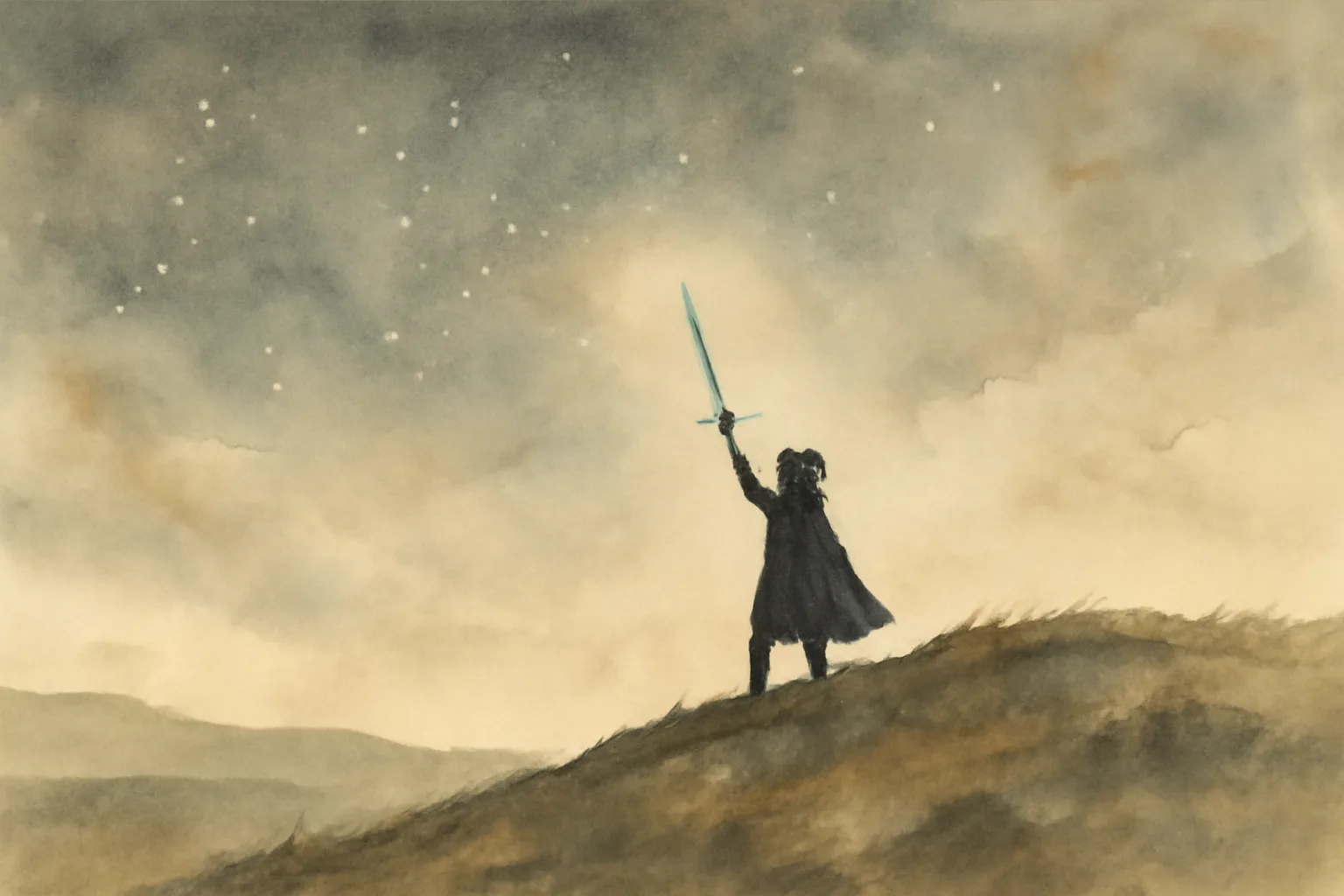
Harry is a rare kind of fantasy heroine for her time: practical, resourceful, and quietly determined. The Blue Sword subverts traditional gender roles by making Harry not just a participant but a leader in battle and a wielder of legendary magic. Her heroism is marked less by brute force and more by adaptability, intuition, and the ability to unite people. The narrative validates forms of strength that are often overlooked in classic fantasy.
5.The Role of Magic and Destiny
Magic in The Blue Sword is not just a tool but a mysterious, living force tied to bloodlines and fate. The concept of kelar, the Hillfolk’s inherited magic, weaves through the story as both blessing and burden. McKinley uses magic to explore questions of destiny: are heroes born or made? Harry’s journey suggests that destiny is shaped by choice and character as much as by prophecy or inheritance.
6.Worldbuilding and Atmosphere
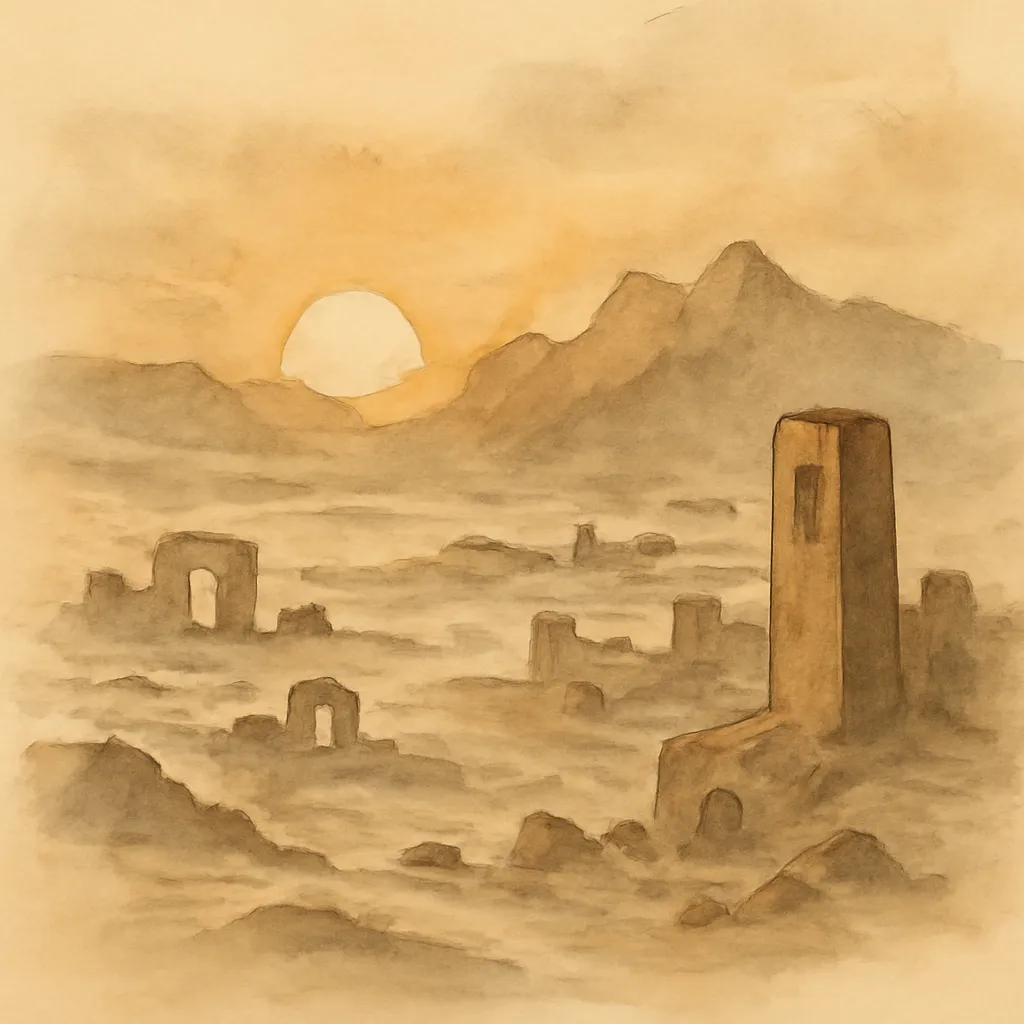
McKinley’s world is vividly realized, with its own history, languages, and customs. The landscape itself—harsh deserts, ancient mountains—serves as both setting and symbol for Harry’s journey. The immersive details create a sense of place that grounds the fantasy, making the stakes feel real and the cultures distinct. The atmosphere is both romantic and gritty, balancing wonder with the realities of survival and war.