1.Intertwined Trauma and Healing
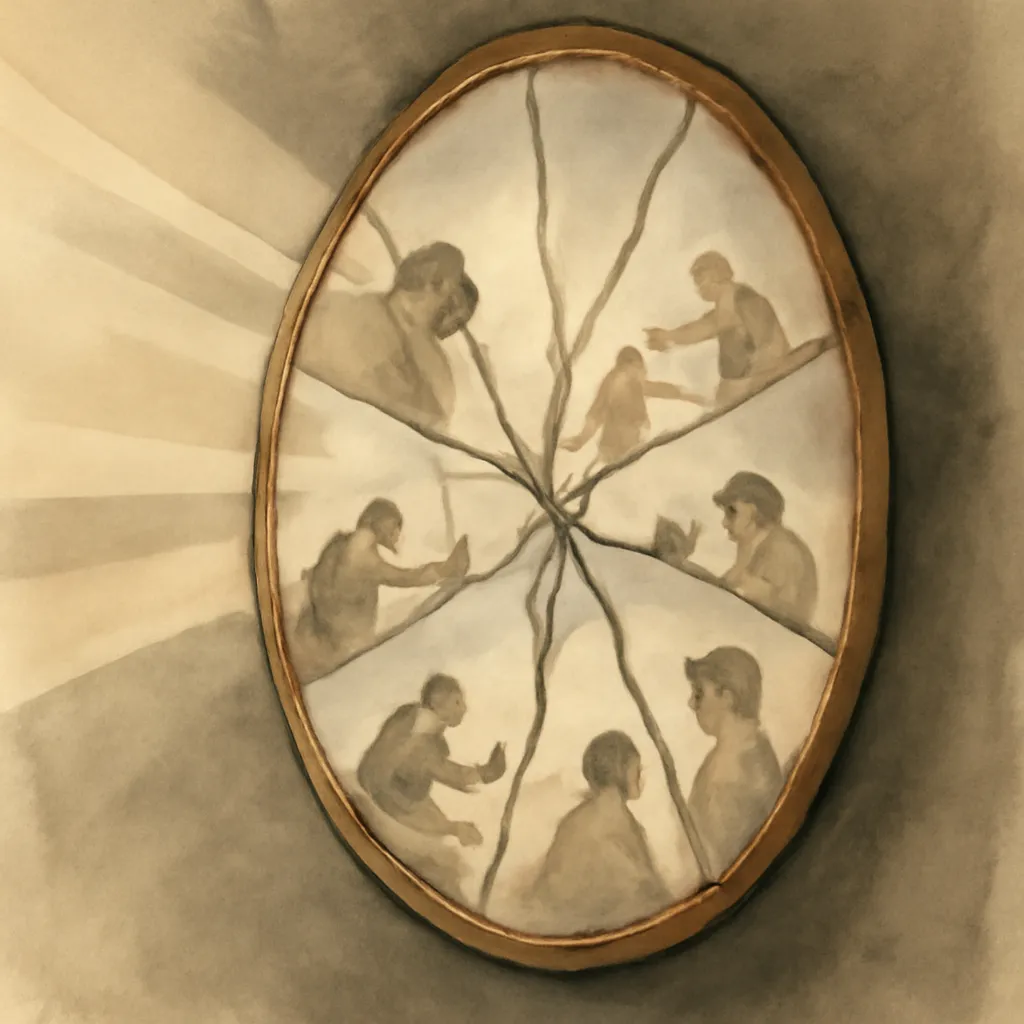
At its core, The Bone People explores how broken individuals—Kerewin, Simon, and Joe—are drawn together by their pain, and how their relationships become both a source of further trauma and the possibility of healing. The novel refuses simple resolutions, instead depicting healing as a jagged, often painful process that requires confronting violence, loss, and the limits of forgiveness. Hulme’s portrayal is unflinching, forcing readers to grapple with the uncomfortable reality that love and harm can coexist, and that redemption is neither guaranteed nor simple.
2.Cultural Hybridity and Identity
Hulme’s novel is saturated with the tensions and possibilities of cultural hybridity, especially between Maori and Pakeha (European New Zealander) worlds. Through language, myth, and character backgrounds, The Bone People examines the challenges of forging identity in a postcolonial context. The characters’ struggles mirror the broader societal search for belonging and reconciliation, highlighting both the richness and the pain of cultural intersection.
3.Language as Creation and Barrier
The book’s distinctive, poetic language is both a tool for connection and a barrier. Hulme weaves English and Maori, prose and stream-of-consciousness, to reflect her characters’ fractured inner worlds and the possibilities of communication across difference. This linguistic experimentation immerses the reader in the characters’ perspectives, but also demands effort and openness, mirroring the work required to bridge cultural and personal divides.
4.Isolation and the Search for Belonging
Each protagonist is marked by profound isolation—Kerewin’s self-imposed exile, Simon’s muteness and outsider status, Joe’s grief and anger. The narrative probes the costs of solitude and the longing for connection, suggesting that belonging is both necessary and fraught. The bone people’s tentative community is fragile, repeatedly threatened by violence and misunderstanding, yet the novel insists on the transformative power of even imperfect human bonds.
5.Violence and the Ethics of Forgiveness
Violence, especially within families, is depicted with disturbing honesty. Hulme does not excuse or sensationalize abuse, but instead asks what it means to confront and move beyond it. The novel’s refusal to offer easy answers challenges readers to consider the ethics of forgiveness and the complexities of loving damaged people. It invites uncomfortable questions about responsibility, culpability, and the possibility of change.
6.Spirituality and Myth
Maori spirituality and myth are woven throughout the narrative, shaping both the characters’ inner lives and the structure of the story. The bone people are not just individuals, but also archetypes—embodying cycles of destruction and renewal, exile and return. The novel’s magical realism blurs the boundaries between the mundane and the mystical, suggesting that healing and transformation are as much spiritual as psychological.